Trips
A loop ride starting and ending at Bangalore. West to Mysore, the Corg (remembering Durvela Murphy), Nagarhole wildlife park, the western ghats and Malabar coast. Mostly in Karnataka.
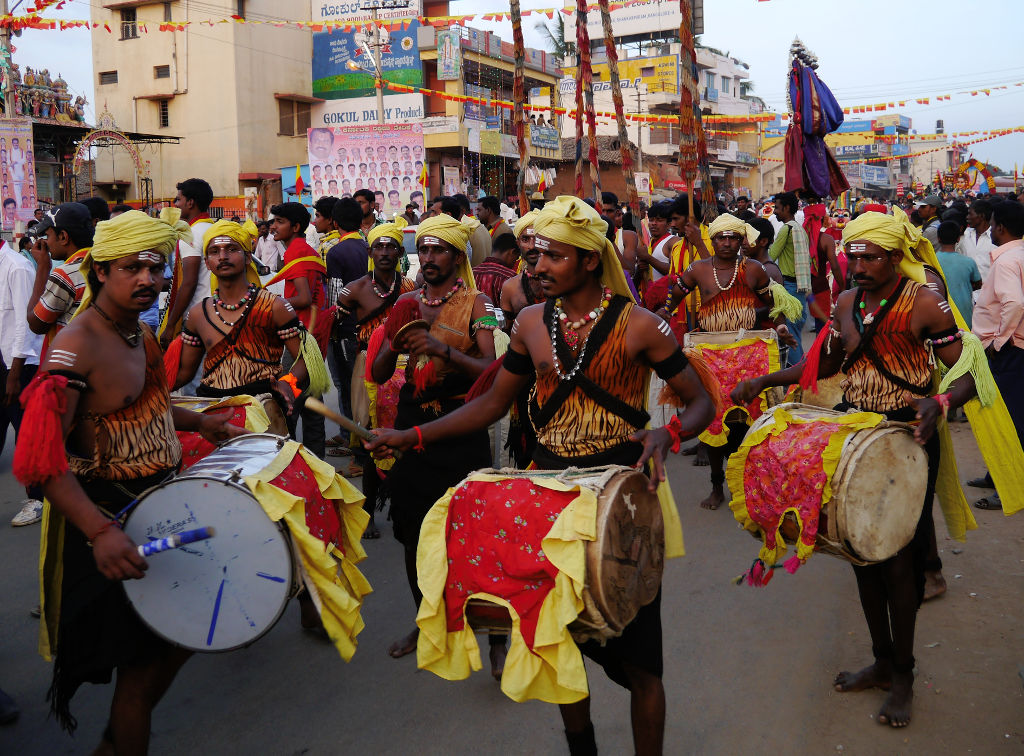
First night out at Kunigal we are treated with a street parade.
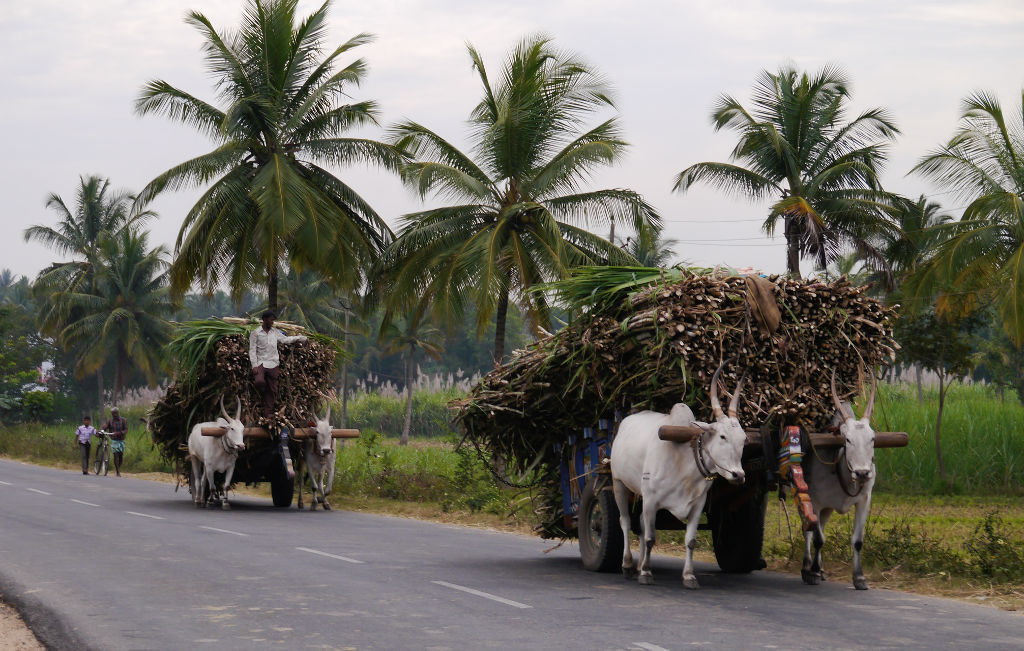
South India produces a huge amount of sugar. It is harvested by hand and hauled to processing by beasts. The heat needed in the local processing plants comes from burning the waste from crushing.
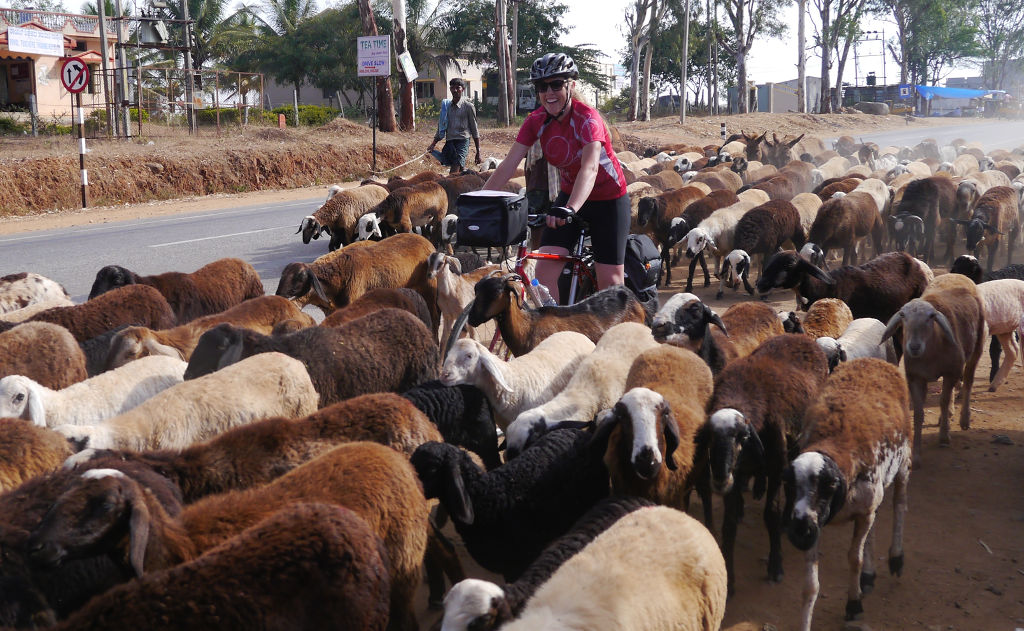
Lisa is demonstrating the consequence of not having a horn or bell on a bike tour in India. The rest of the bikes on this trip have horns. She’s loving it just the same though.
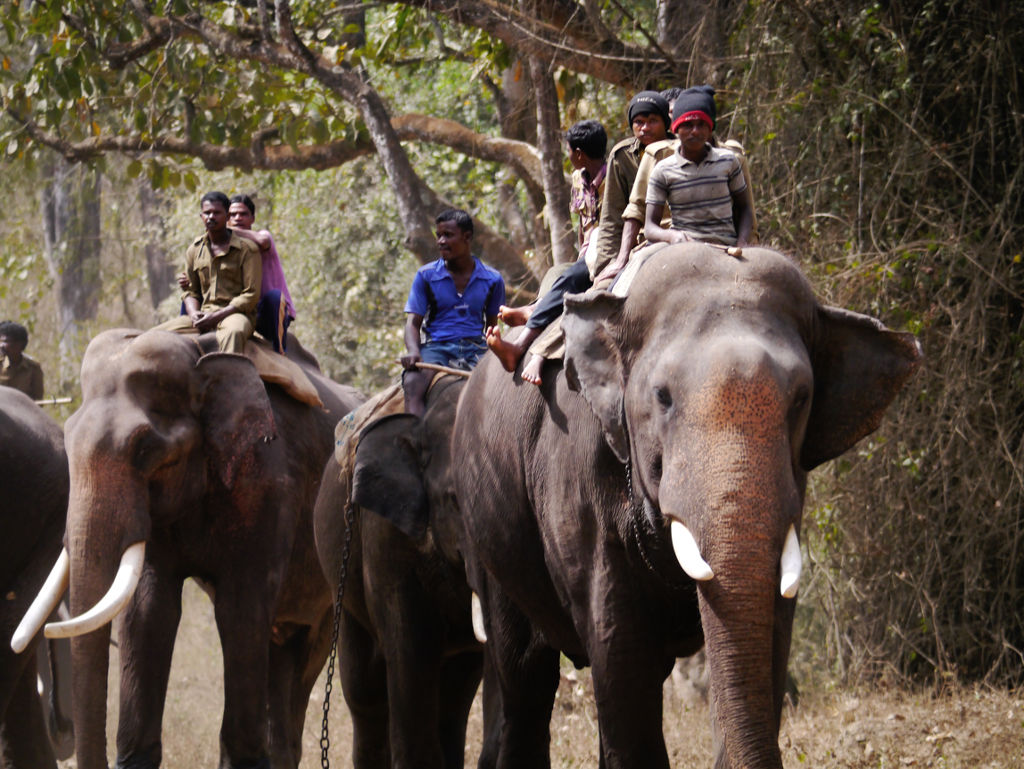
In Nagarhole (pronounced “nagarholay”) national park, elephants are being used to clear some massive clumps of bamboo.
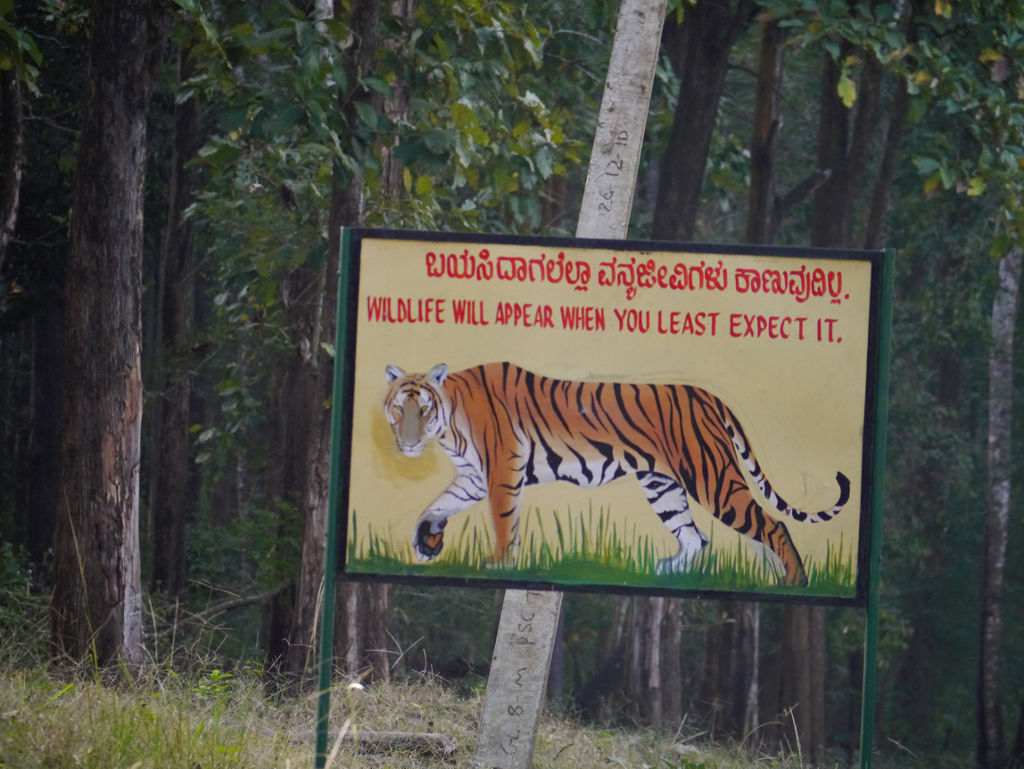
We scoot along in a tight bunch and get a bit nervy on the slower uphill stretches. Tiger attacks in daylight are rare though.
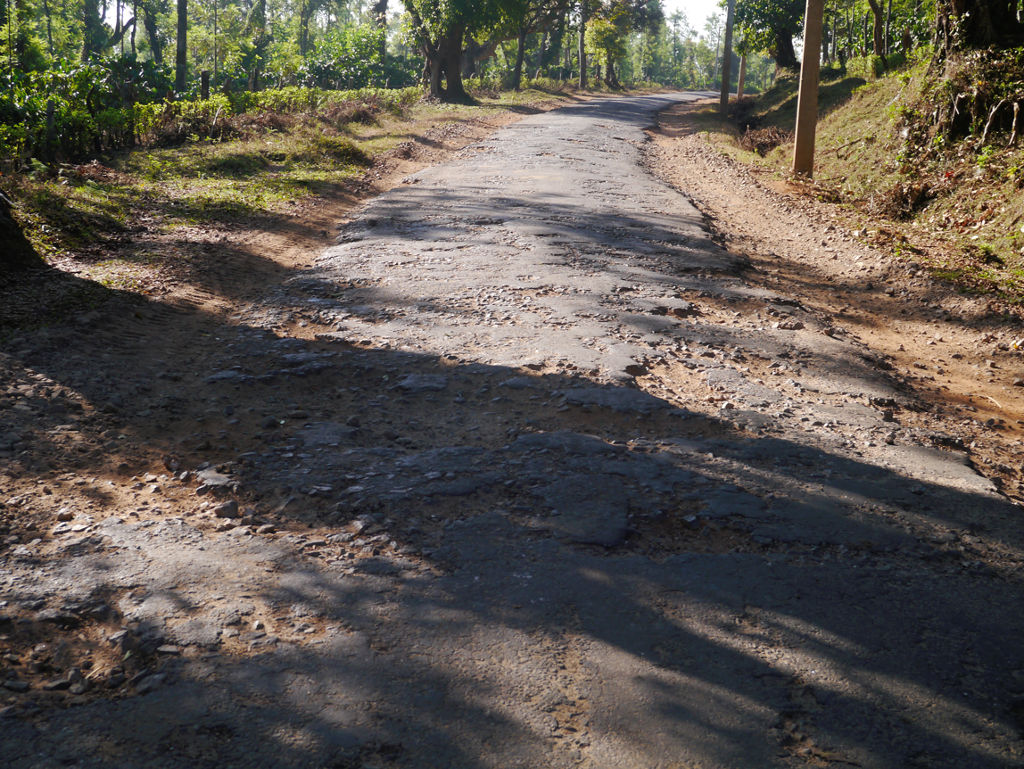
Especially in the border areas in India (in this case between Karnataka and Kerala) roads are poor. Four of the bikes have 700 x 35C Schwalbe Marathon. One has light 28C tyres and suffered a bit.
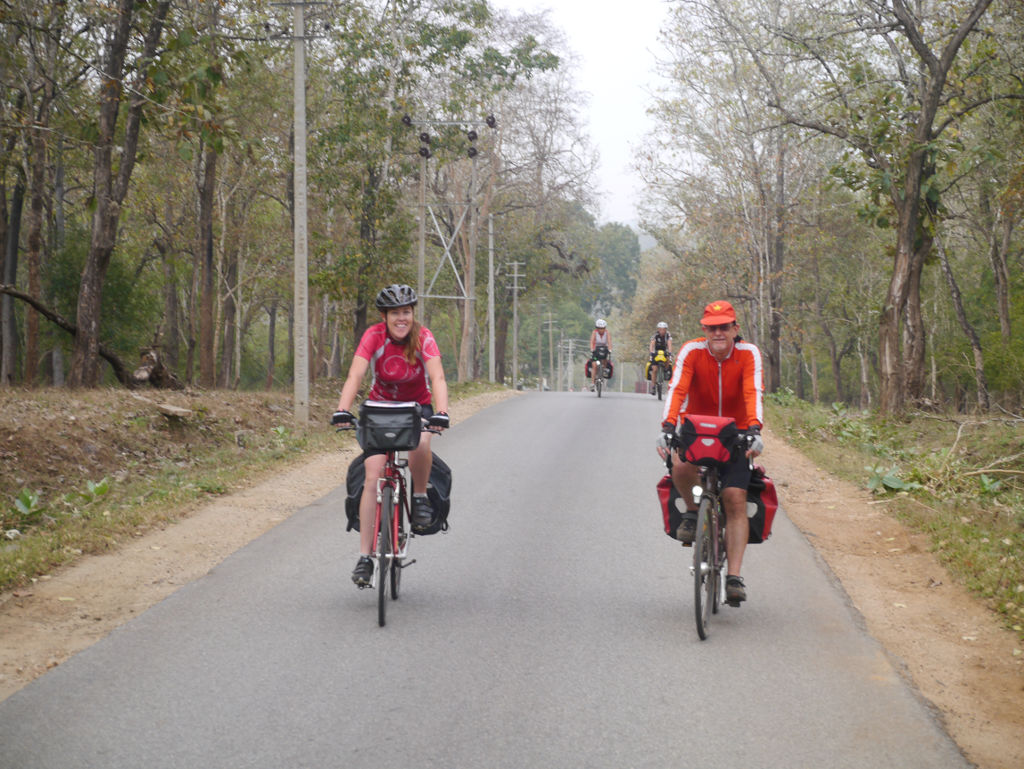
Now in Kerala proper and the roads improve. All of the punctures on this trip were on the touring bike with the lightweight tyres.
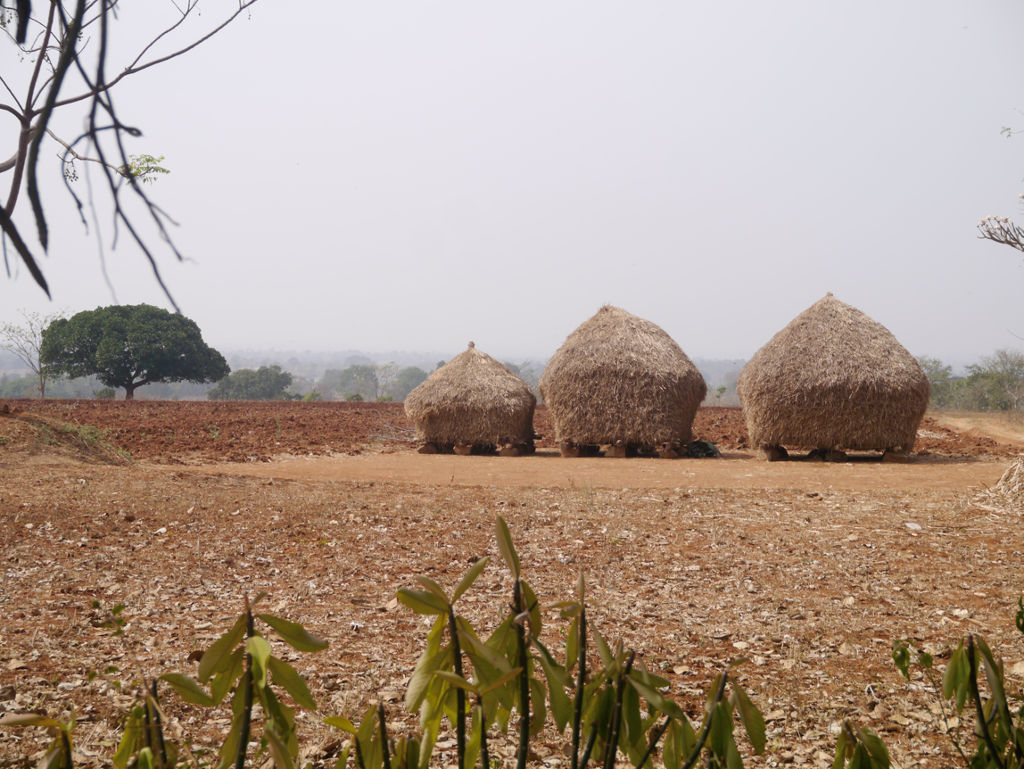
Back up on the Deccan. After crops are threshed the straw is stacked on platforms of boards sitting on rocks. The entire harvesting process, in most areas, uses no fossil fuel.
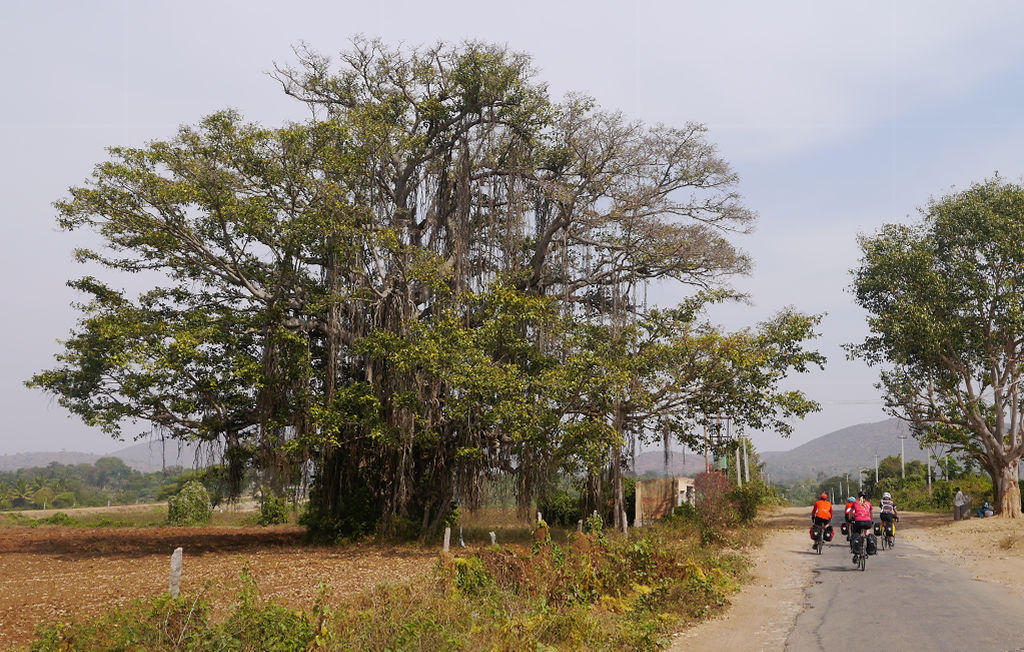
Classic peaceful south Indian scene, a delight to cycle tour through.
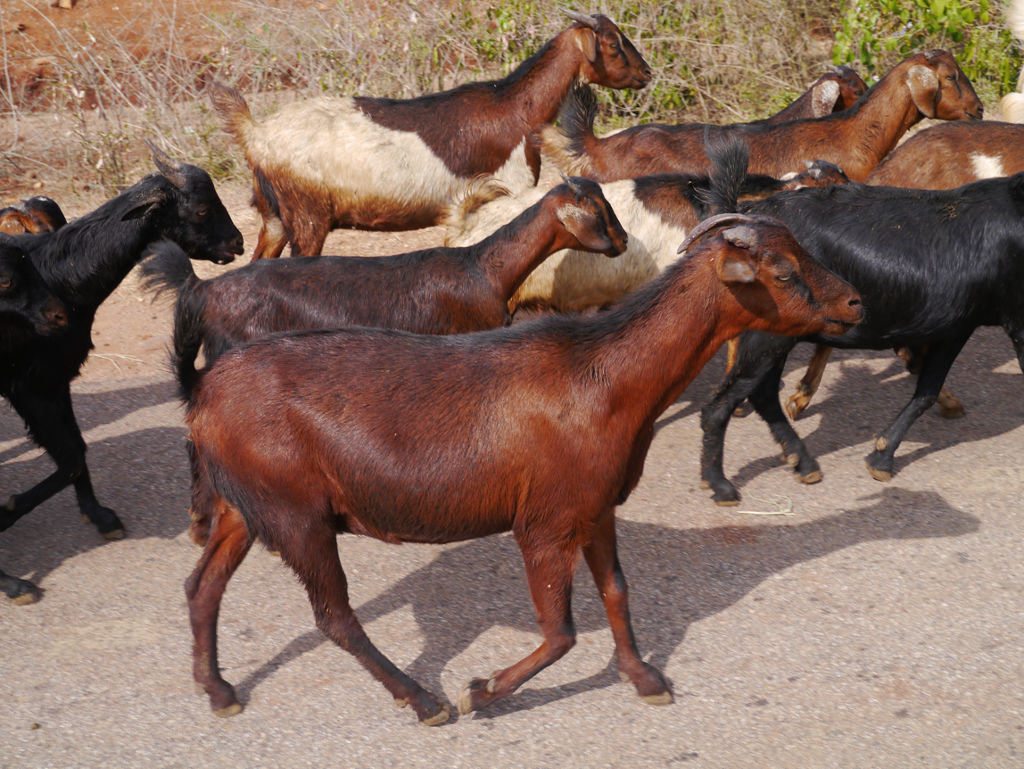
India raises the best goats you will find anywhere.
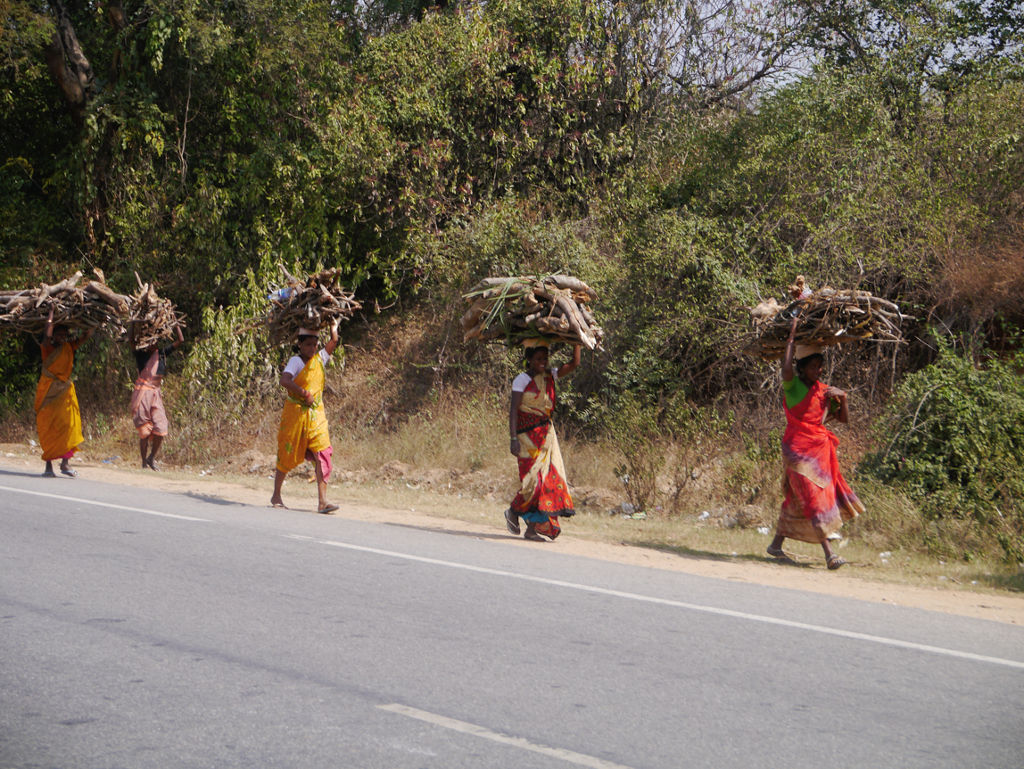
It’s a still shot so not easy to tell but these women are jogging with heavy loads of firewood on their heads.
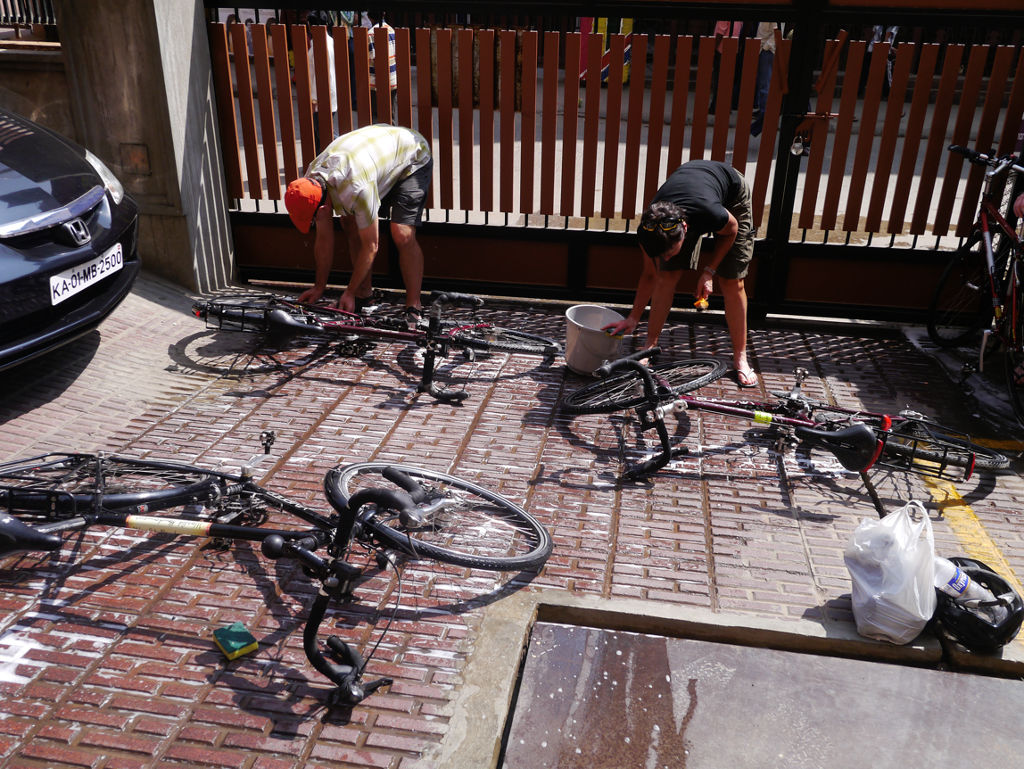
Back at Bangalore we are washing our touring bikes in preparation for the quarantine inspectors back in Australia. We have had our cartons in store at this lodging.
The plan was to land in NYC, take the bike on Amtrak to Montreal, ride there for 4 days, train back and ride around NYC for a week. Upon discovering Amtrak would not take the bike I leave it at Grand Central Station in the care of the stationmaster as there is no left luggage, and take the train. Use the bike-share system in Montreal then return and do the urban tour of NYC on my own bike.
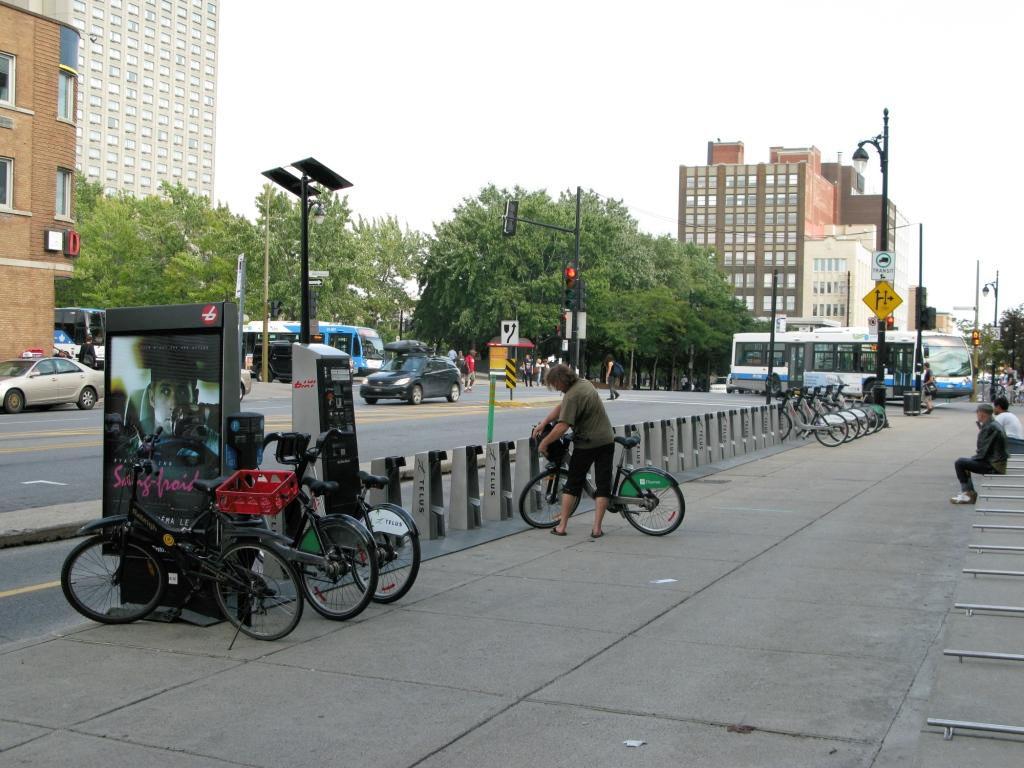
Montreal is where some of the share-bike software used in many cities was developed. It’s a first for me and I like it. I am getting a bit stressed about finding a place to rehire every 30 minutes though but manage to completely cover the city in the four days.
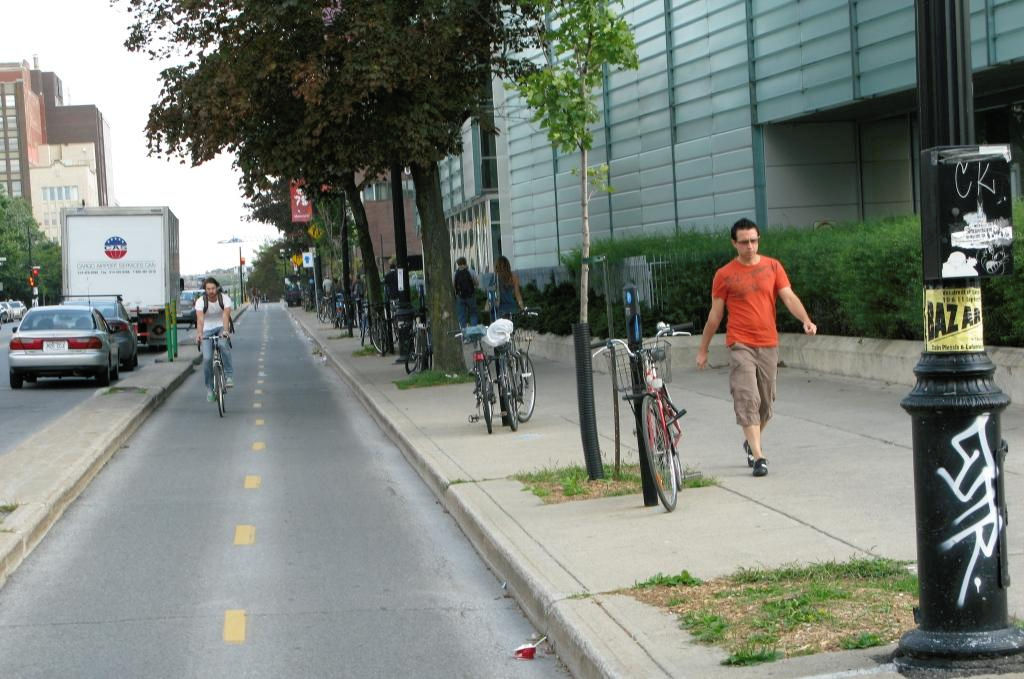
The downtown area has a network of bi-directional separated paths and they are well used. There are places to lock up bikes everywhere. They are well used.
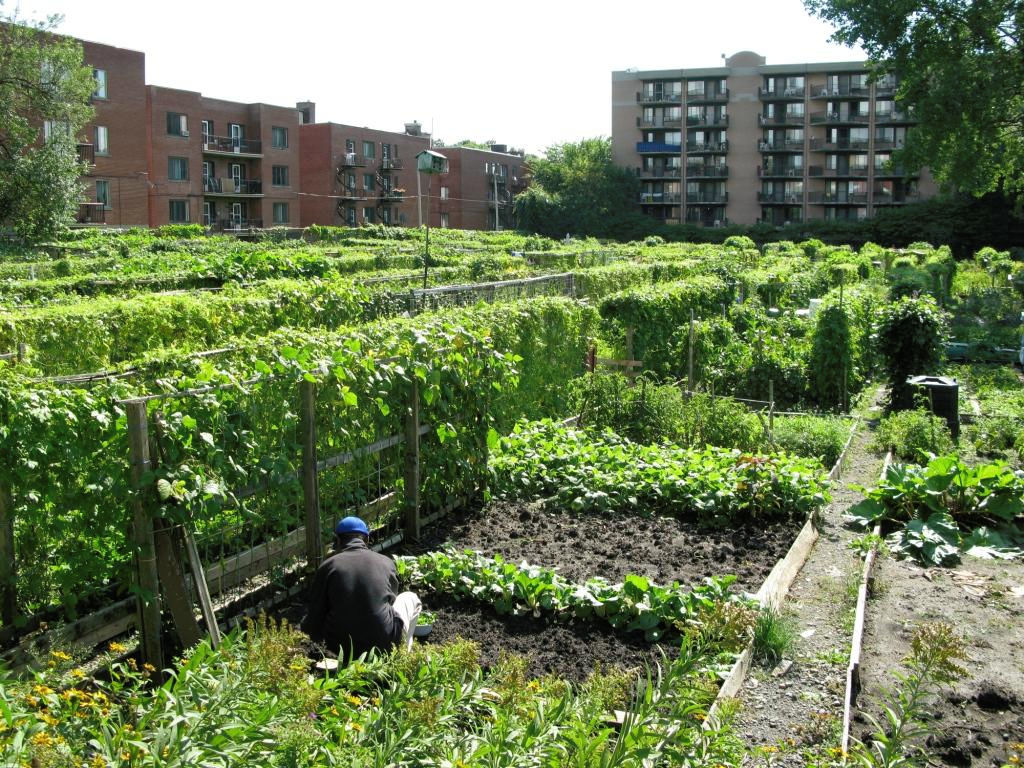
Some big community gardens in Montreal. Australia seems to be way behind on this front.
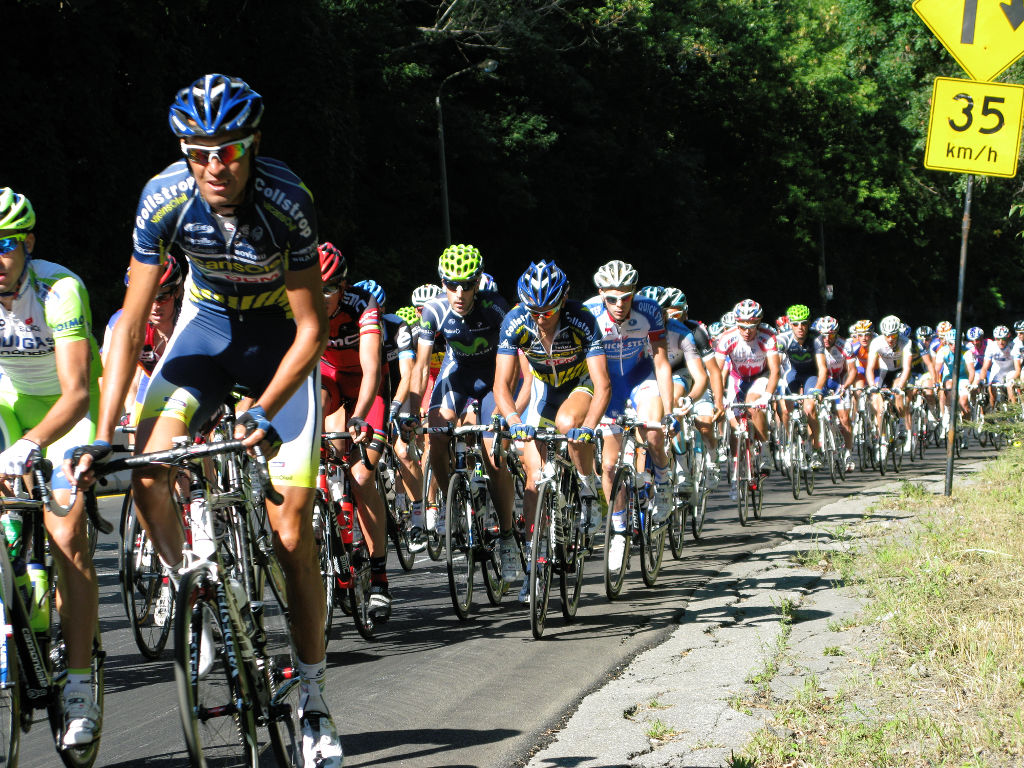
I jump off the road outside Montreal to let a peloton go past.
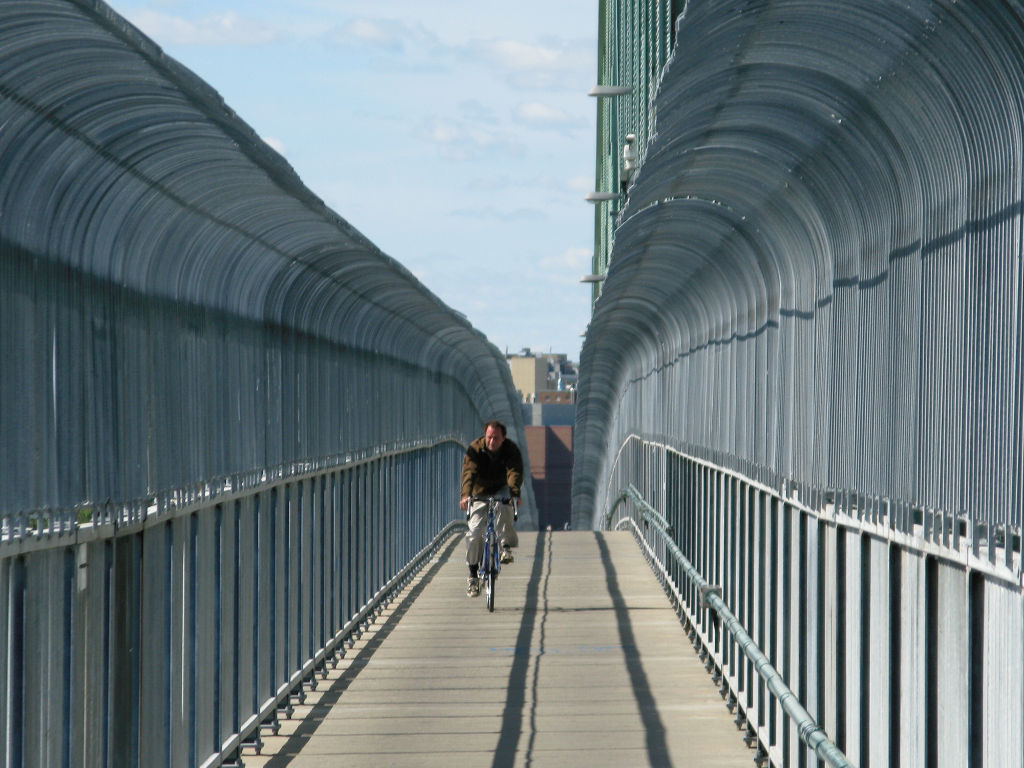
There is good cycling infrastructure throughout Montreal. Much of it is decades old, perhaps even from the 1970’s making this one of the earliest large western cities to have the political will to do it.
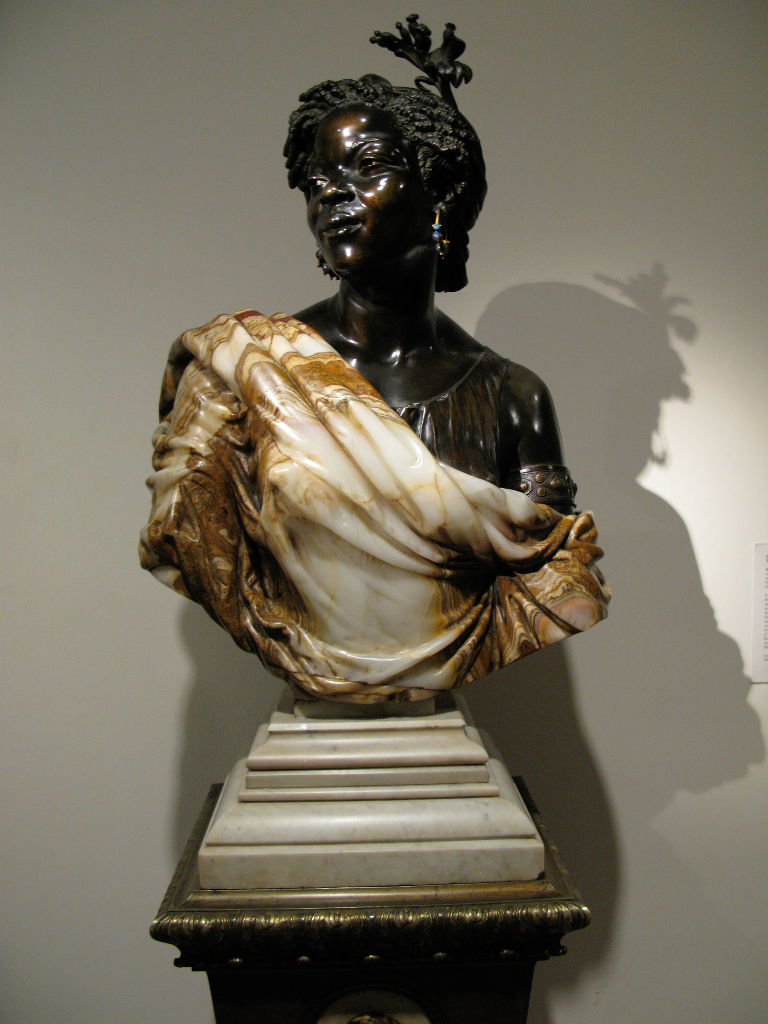
Back to NYC on Amtrak and to my bike at the station. (Cared for in the stationmaster’s office by the way!). One of the greatest things to do is to spend a whole day in the NY Metropolitan Museum.
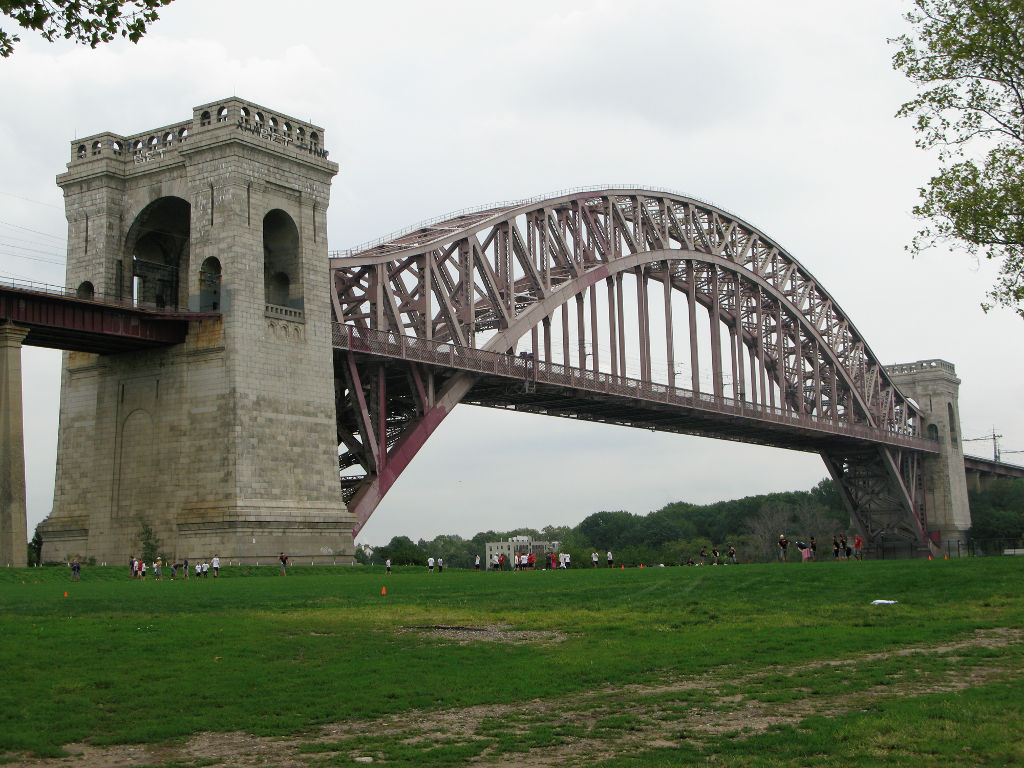
And one of the next greatest things is to have a week of urban touring all over this vast metropolis. This familiar looking bridge is to Randall Island.
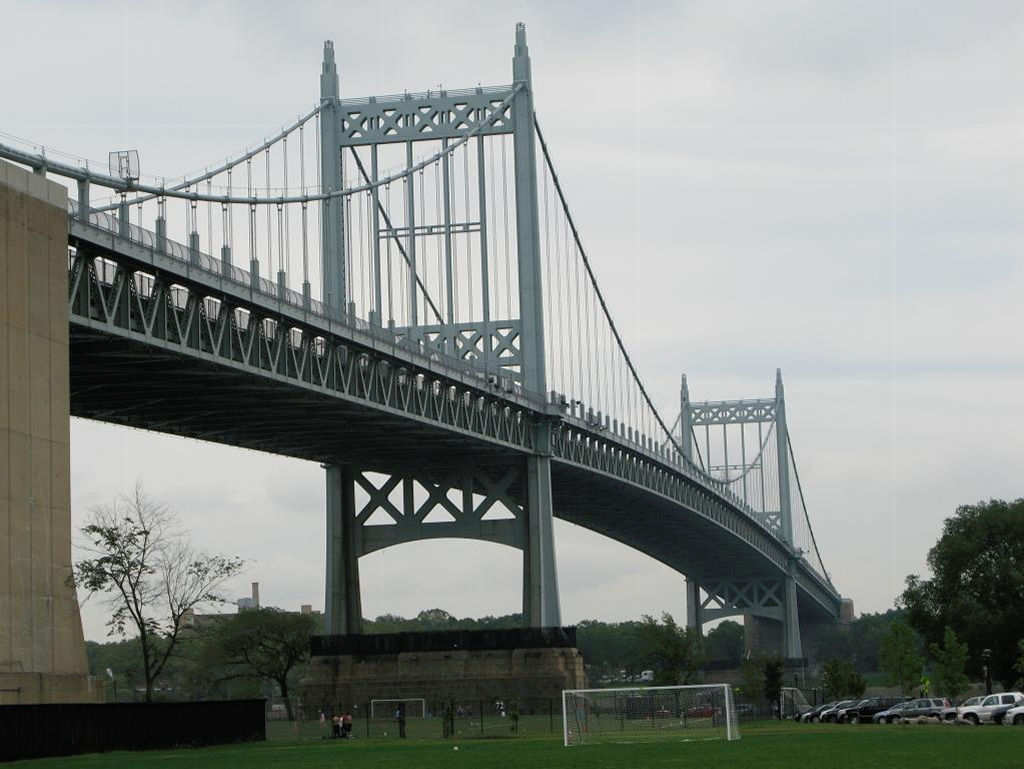
The Triborough or RFK Bridge that links The Bronx, Queens and Manhattan. The cycleway is a critical link.
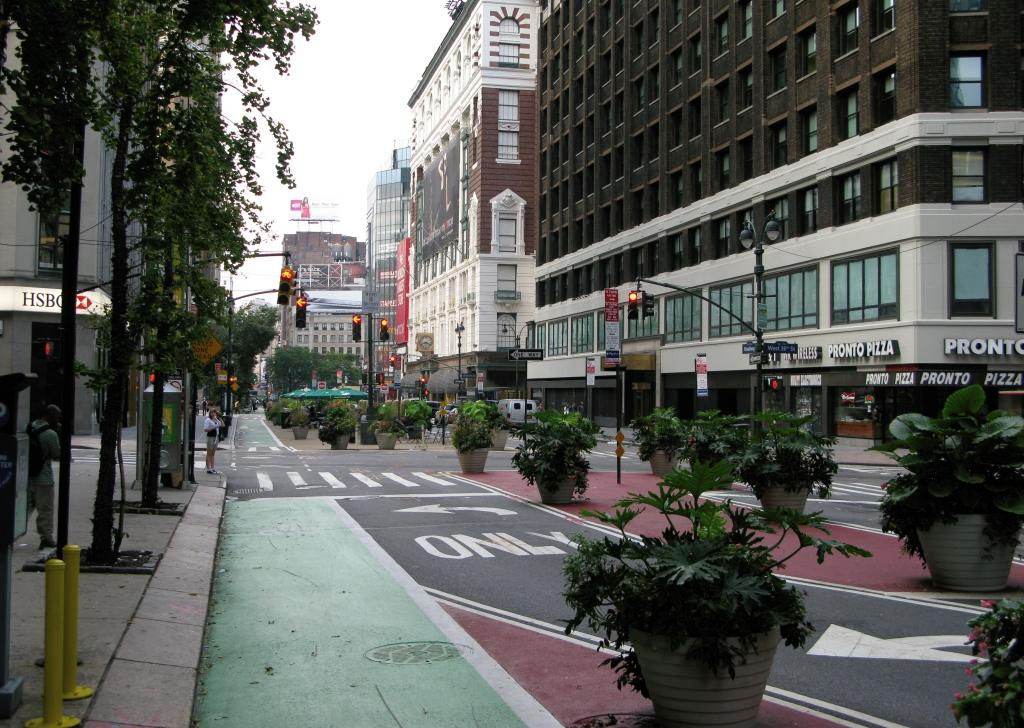
Downtown (Lower Manhattan) in 2011 is years away from the major bike developments that are to come. But there is already quite a bit of roadspace being allocated to cycling.
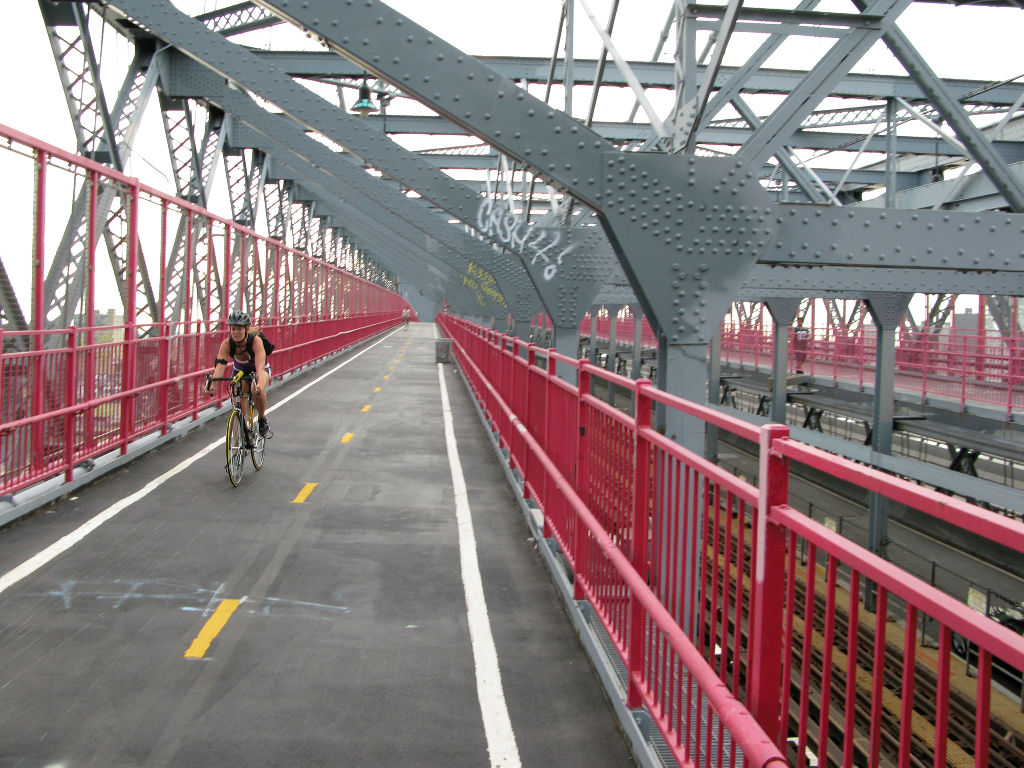
The bridges over the East River have great cycleways connecting Manhattan to Queens and Brooklyn. Brooklyn Bridge gets quite crowded.
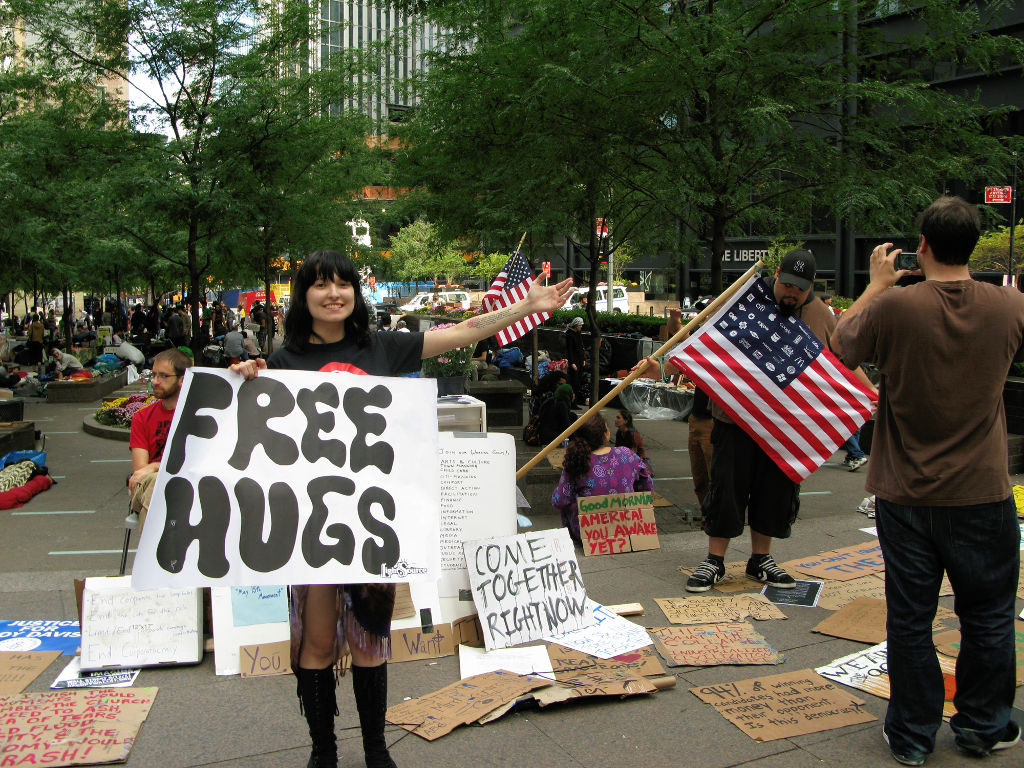
In a downtown park the Occupy Movement is being born. If you are able to cycle tour the world you can’t help but notice that systems that pit people against each other also leave people behind.
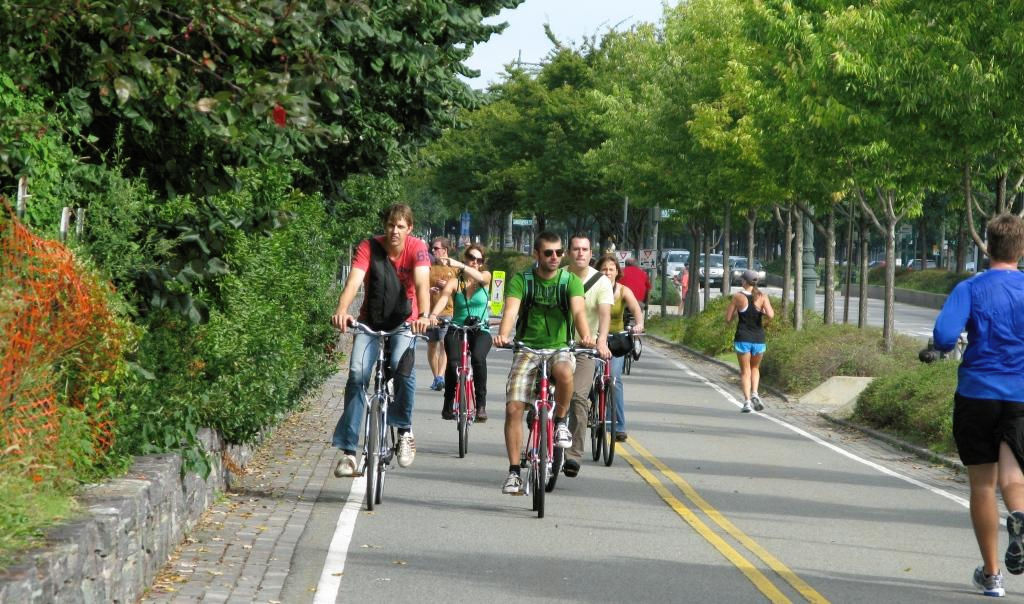
Manhattan runs for over 200 blocks and on its western side lies the Hudson River. There is a cycleway the whole length.
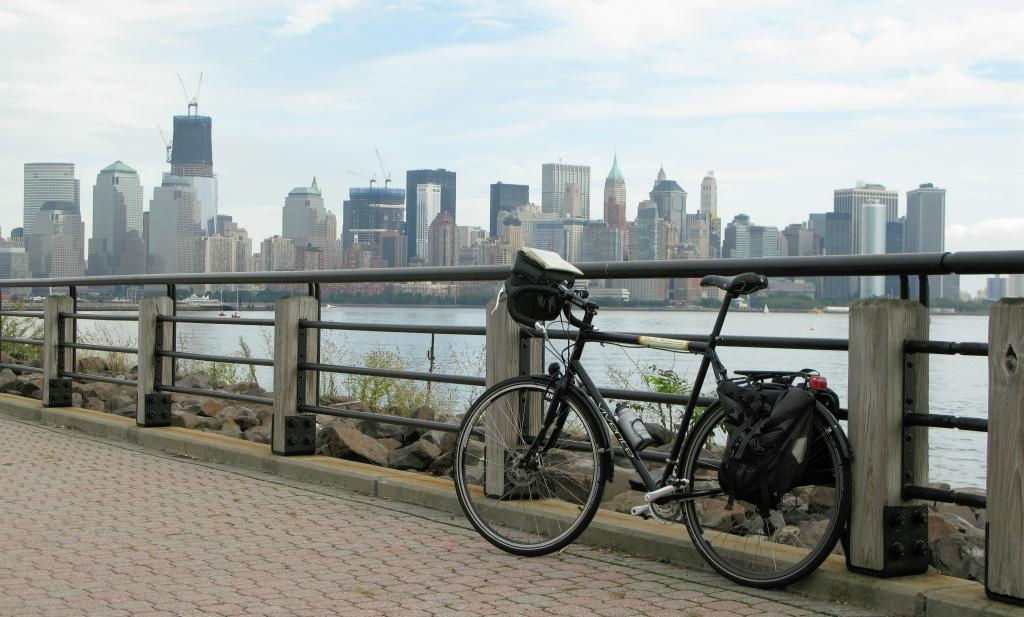
There are ferries crossing the Hudson to New Jersey, along with the George Washington Bridge. In NJ I am immediately aware that cycling is less catered for than it is back in NYC. This is my last day. The next day I take my bike on the train to JFK where I am able to buy a bike carton from Qantas for my flight back to Sydney.
Tour of Gujarat state. Landing in Bhavnagar three of us head clockwise around this big NW state. Not on the coast road. Visiting Gir lion sanctuary, Porbandar, and the birthplace of Gandhi, Bapu, the father of India. Then Jamnagar, turning east through Ahmedabad, to Godhra, Vadodara, through the Dangs and west to Surat.
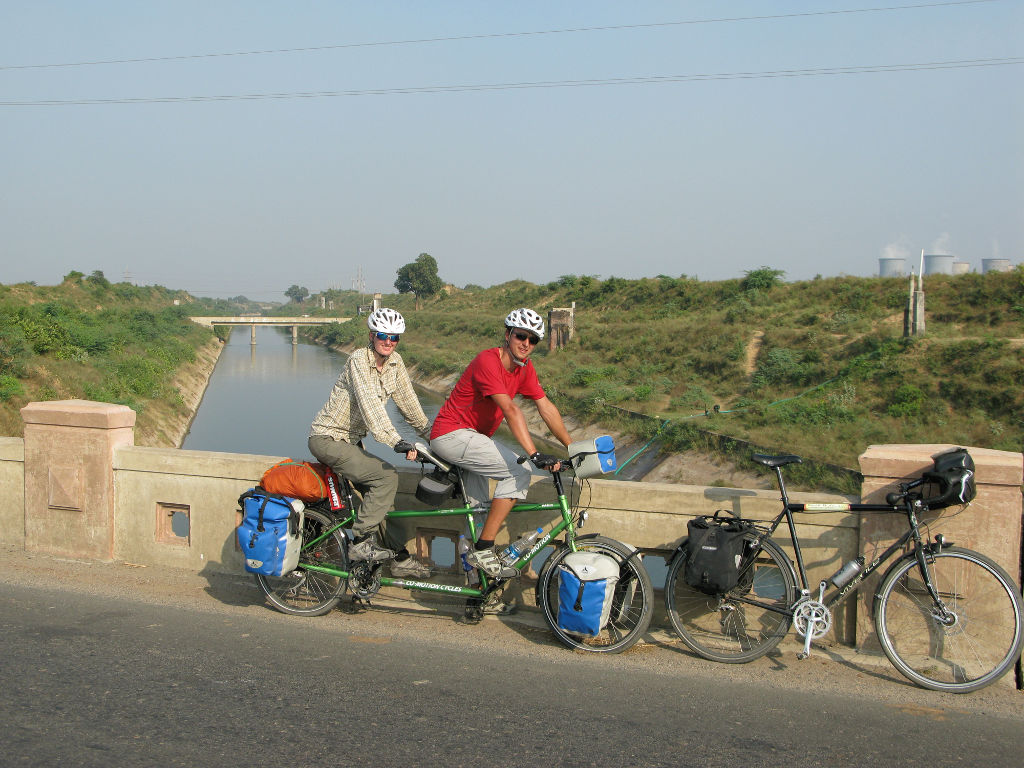
Our entourage is a 26” Co-Motion tandem with Avid BB7 cable discs and a Vivente with barend levers. The 2011 version has front Shimano disc and rear cantilever brakes. The interesting thing about the tandem was that the energy of two riders going through the one 9-speed chain cause premature wearing of the drive train. Similarly, the tandem ripped through disc brake pads.
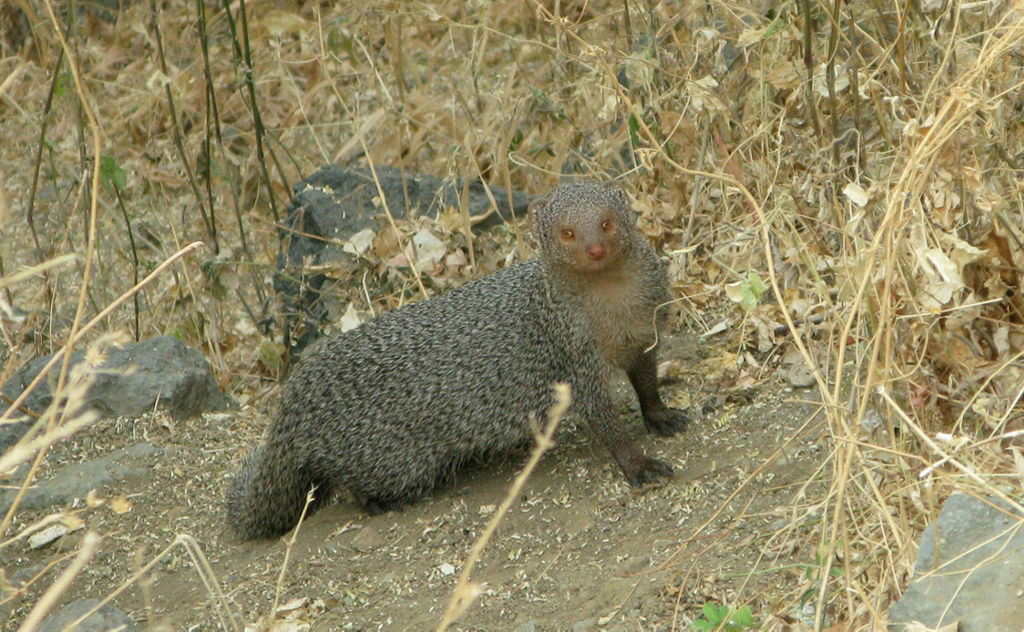
A mongoose. It’s hard to find one still for a moment.
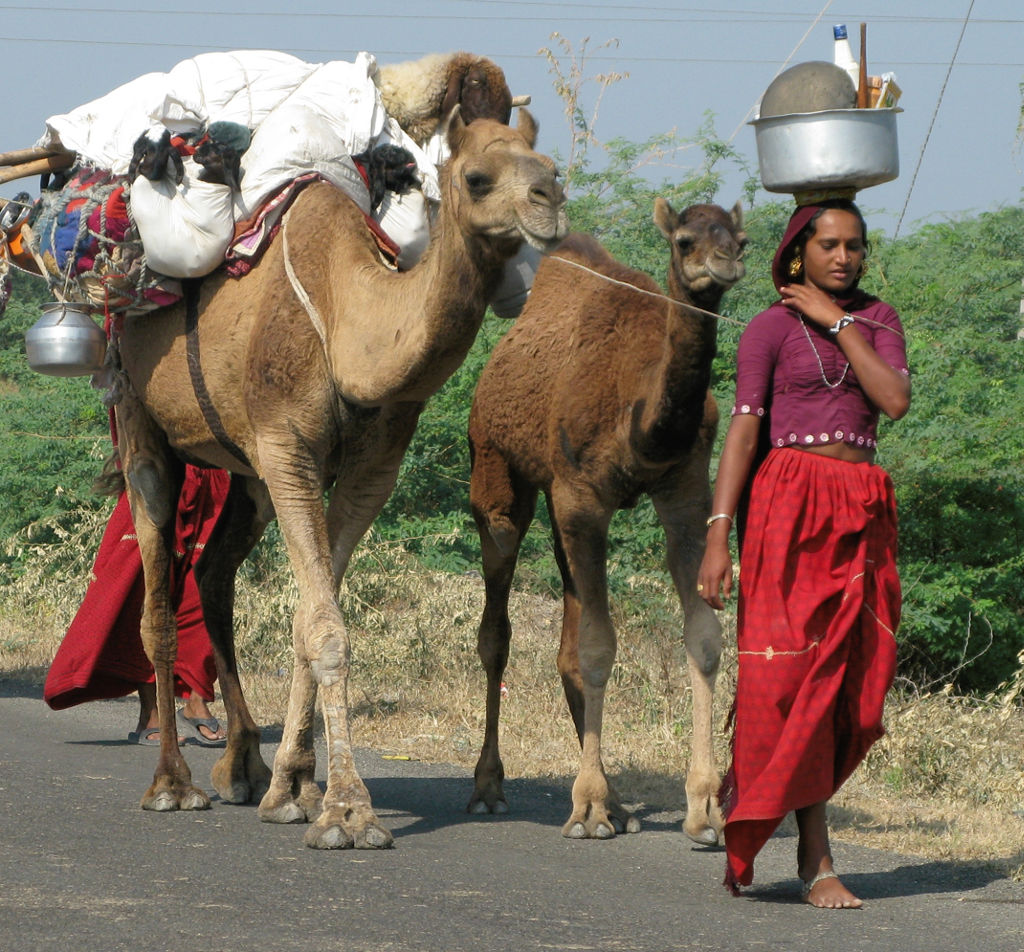
Barefoot woman with camels. Note the baby goats in the side-saddle of the camel on the left. The mother it just visible behind the camel’s head.
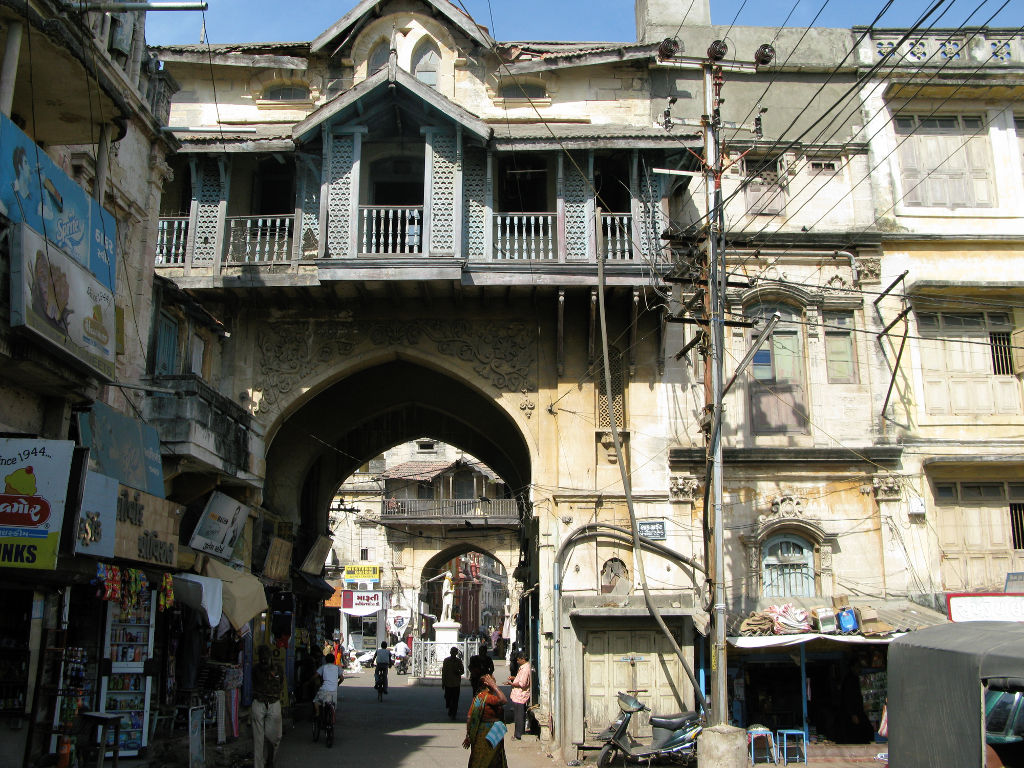
Scene in the centre of Porbandar. A statue of Gandhi through the archway.
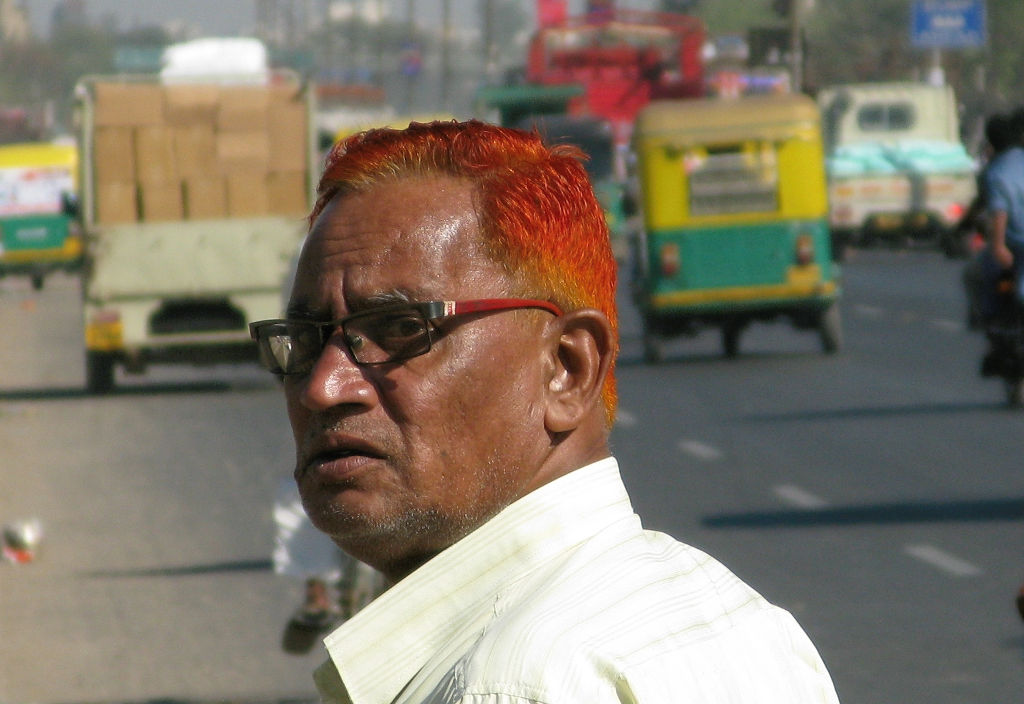
Quite a few Guajarati men have red-orange hair. It is a bit intrusive to photograph it but I can’t resist.
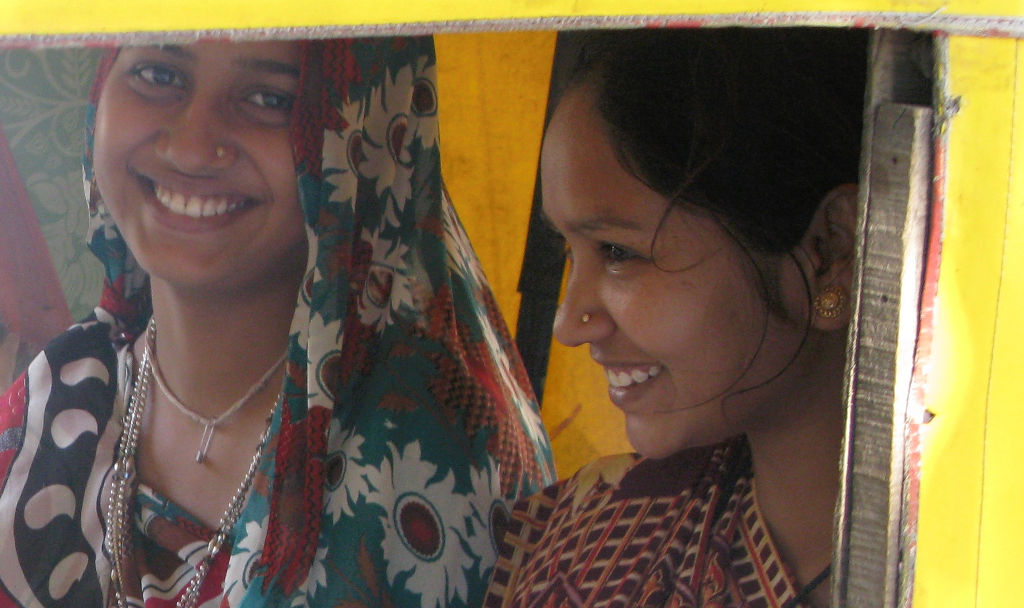
Two women in an autorickshaw in Ahmadabad. It is unusual to be allowed to photograph women in India.
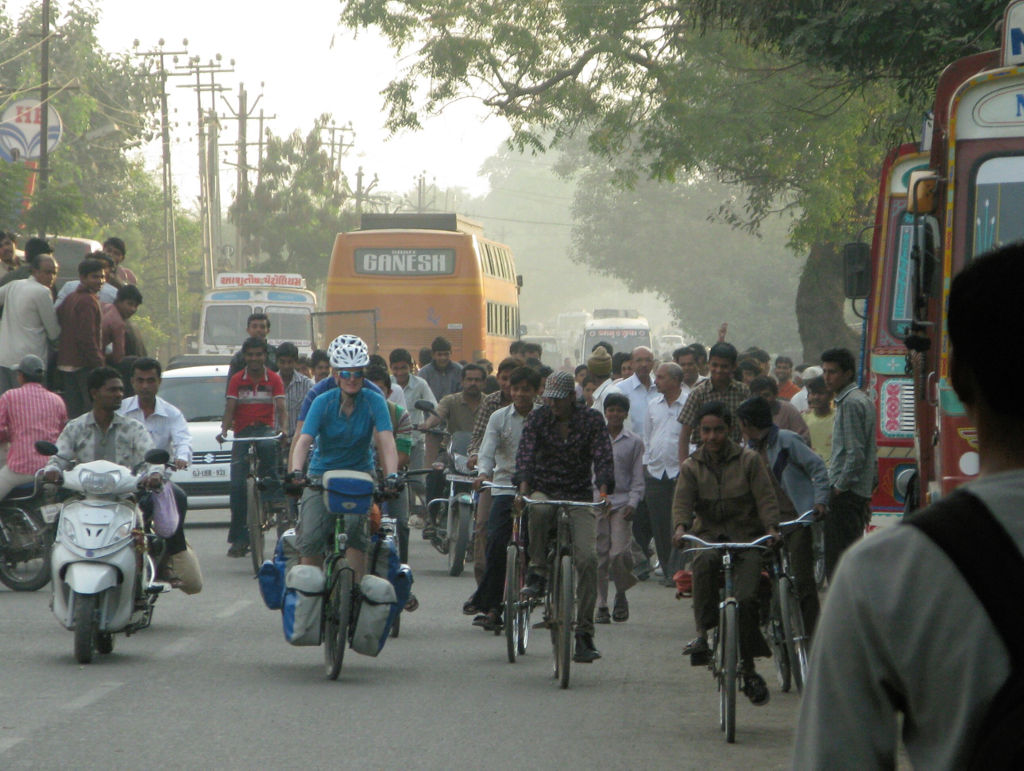
The tandem is creating a great stir. After years of being the main attraction myself I am now being ignored, which is rather nice.
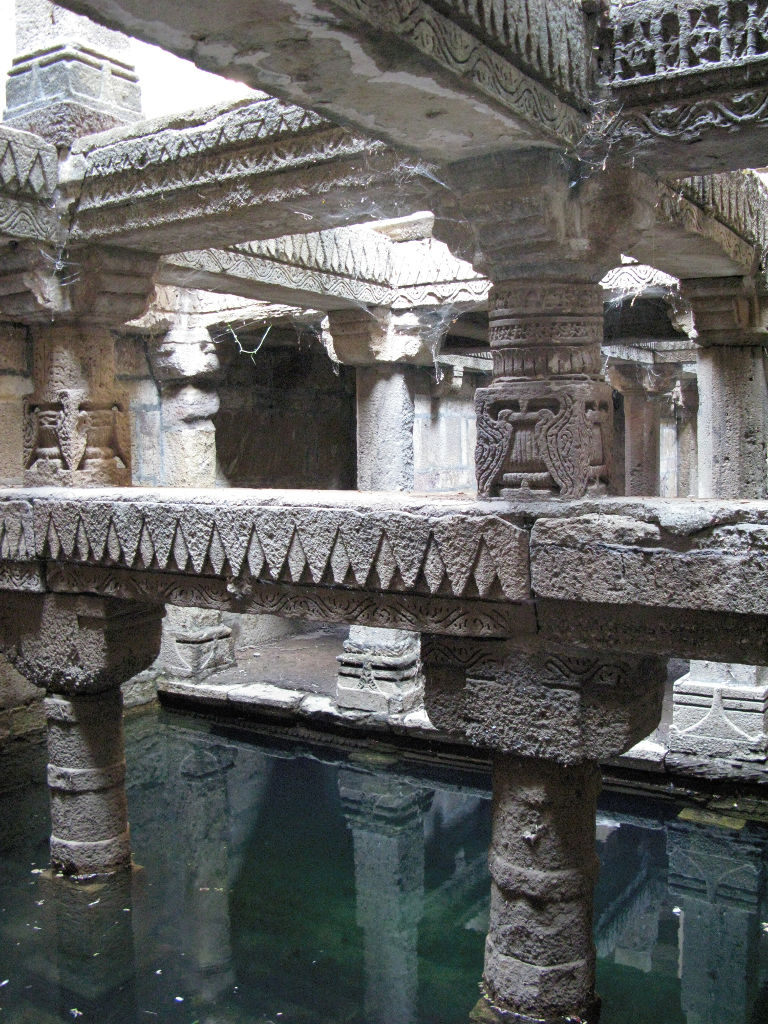
A Gujarat step well. These deep wells are constructed as buildings made of granite and below ground to cater for fluctuation in water table level. Rather than rope and buckets, you walk down into them.
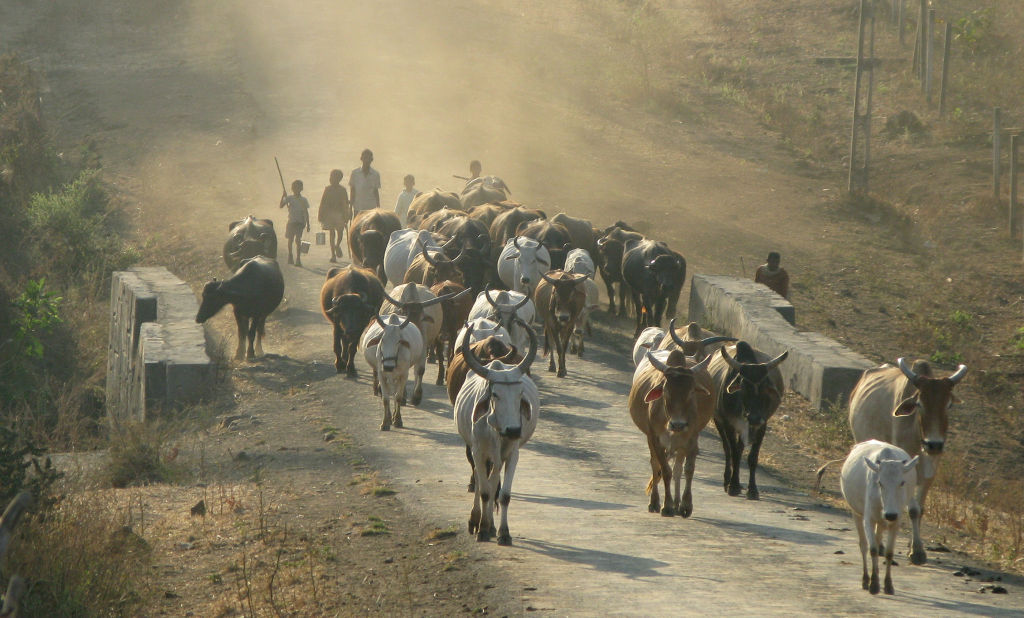
At the end of the day the animals that have been working in the fields and grazing are brought back to village compounds.
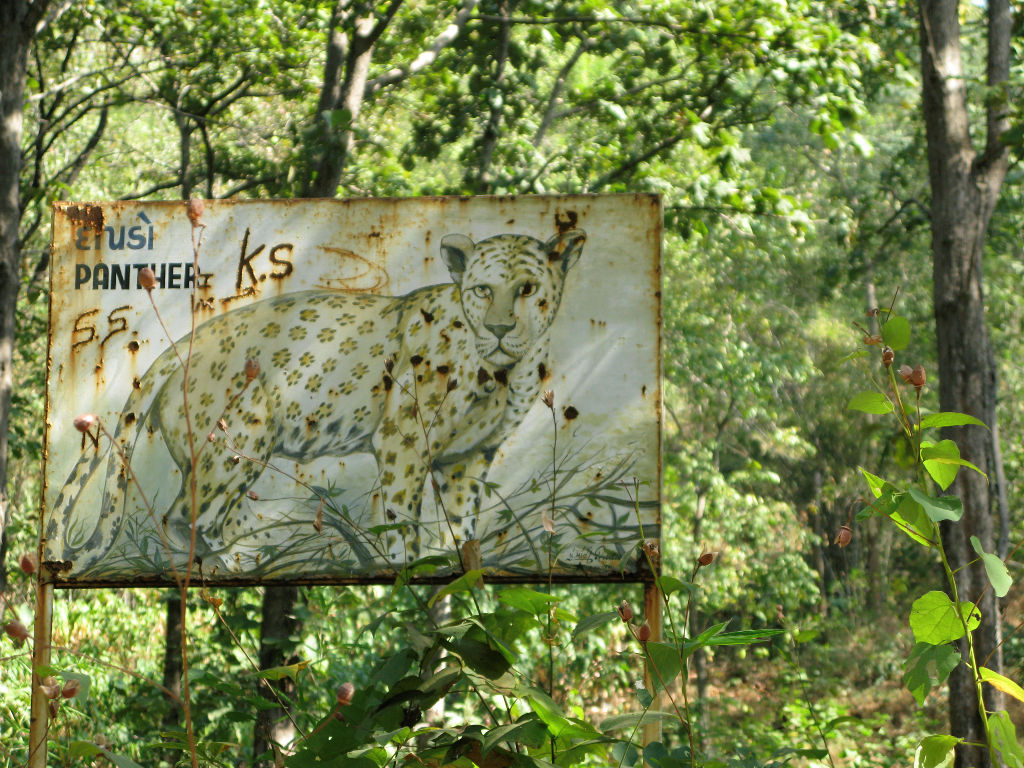
We love the excitement of these wild places. Unfortunately, any panthers hid from our view.
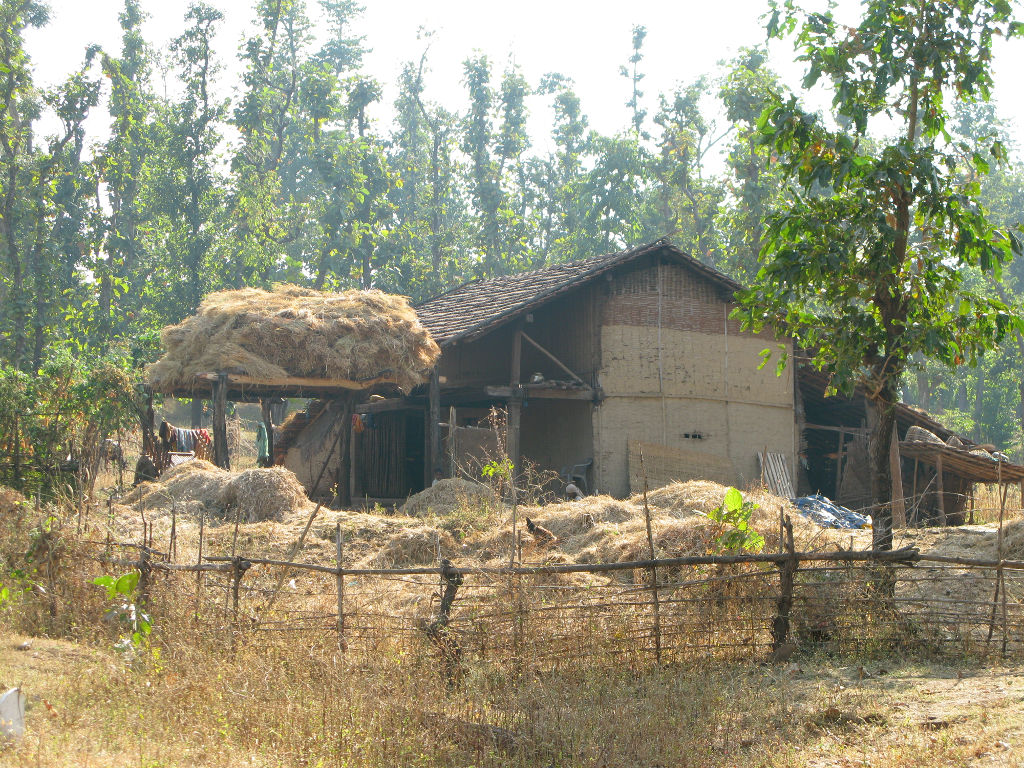
The Dangs is a remote and poor district. The raised haystacks are characteristic.
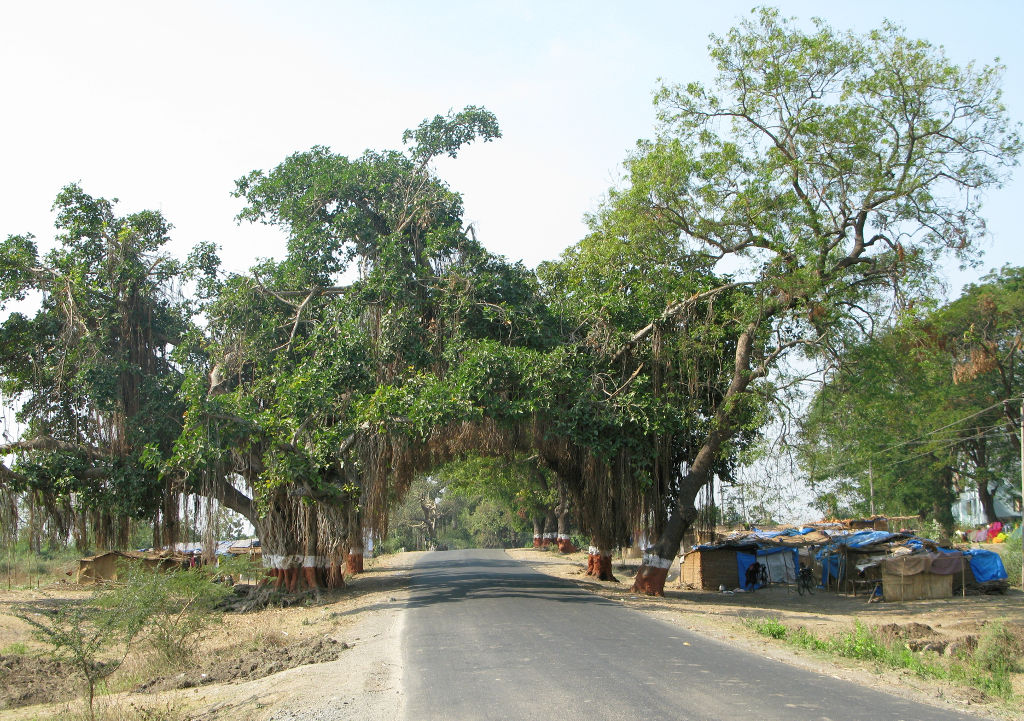
Classic peaceful road scene as we head west to the port city of Surat and the end of this 1,800km tour of Gujarat.
A round trip from Munich to Bodensee and back. I get the train into Munich from the airport with my bike still in the carton. I’ll be away for six days and am fascinated by the possibility of being able to stash my carton under the noses of the crowds around Marienplatz. There is some restoration of an old building going on and I leave my Qantas carton behind a security fence. Guess what? It was there upon my return.
The photos begin at the return ride. It is a few hundred KMs each way.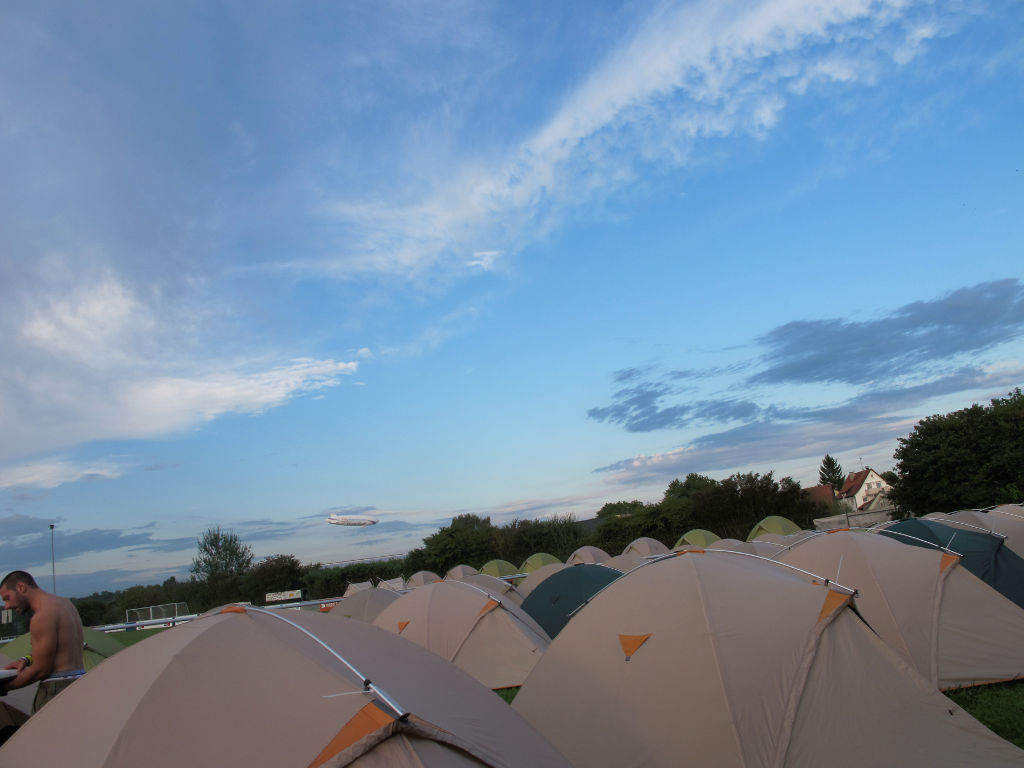
The Eurobike campsite. This is at the very south of Germany.
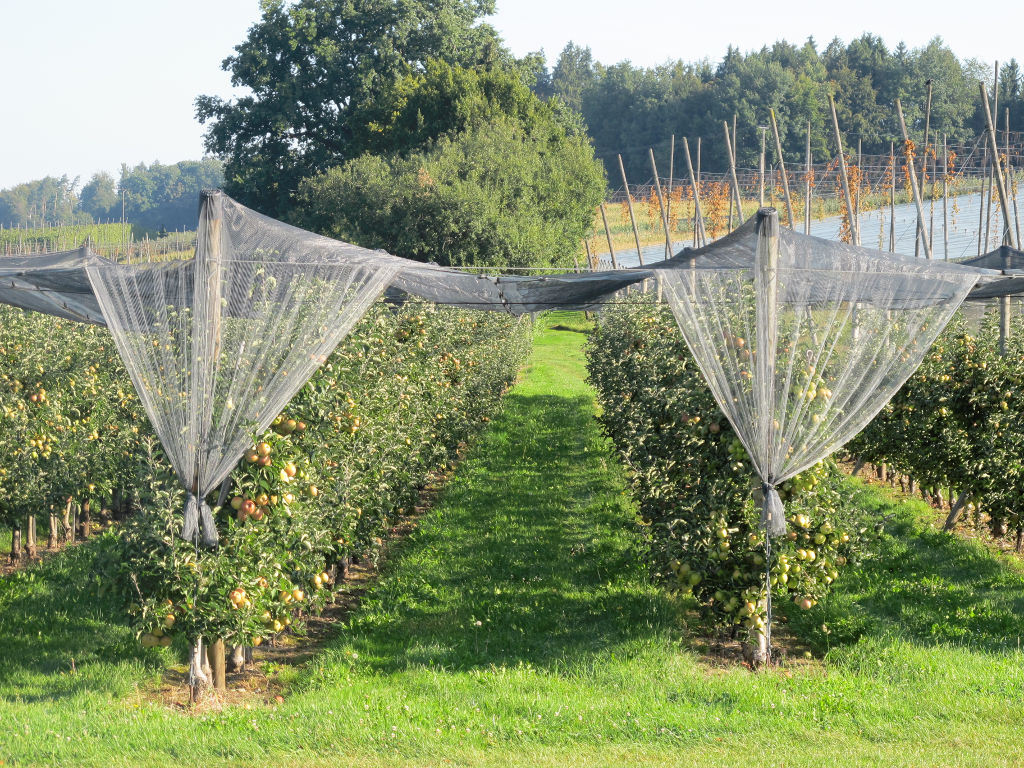
Climbing up from the lake, apples with bird nets.
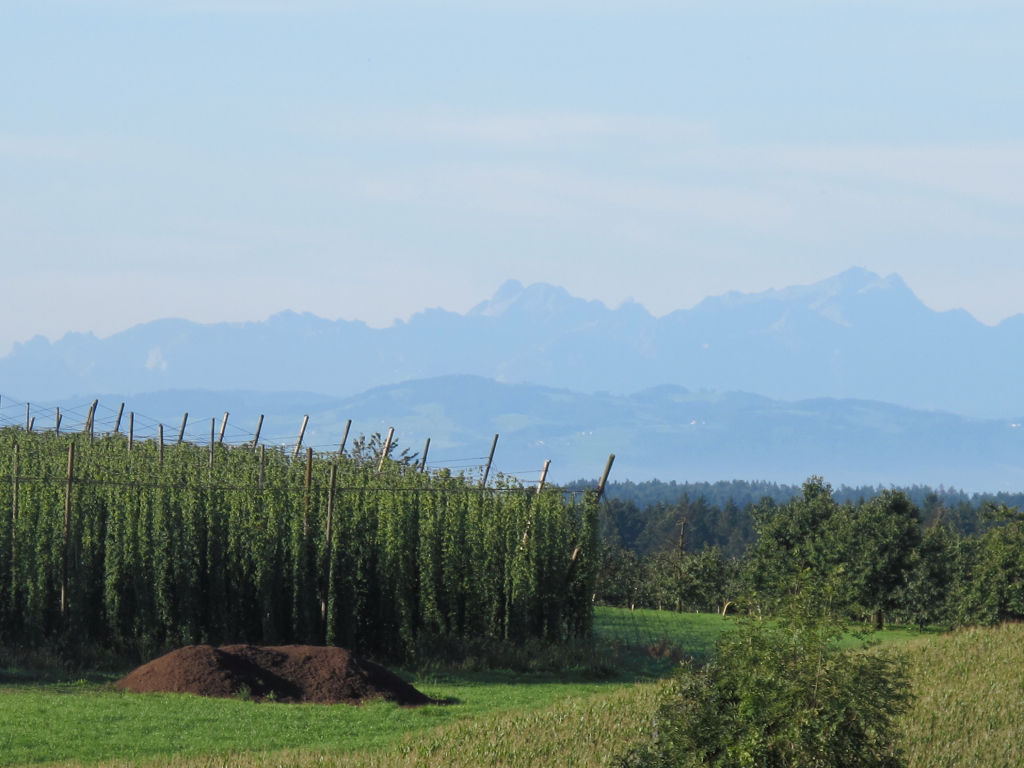
Typically, where apples thrive, so does hops.
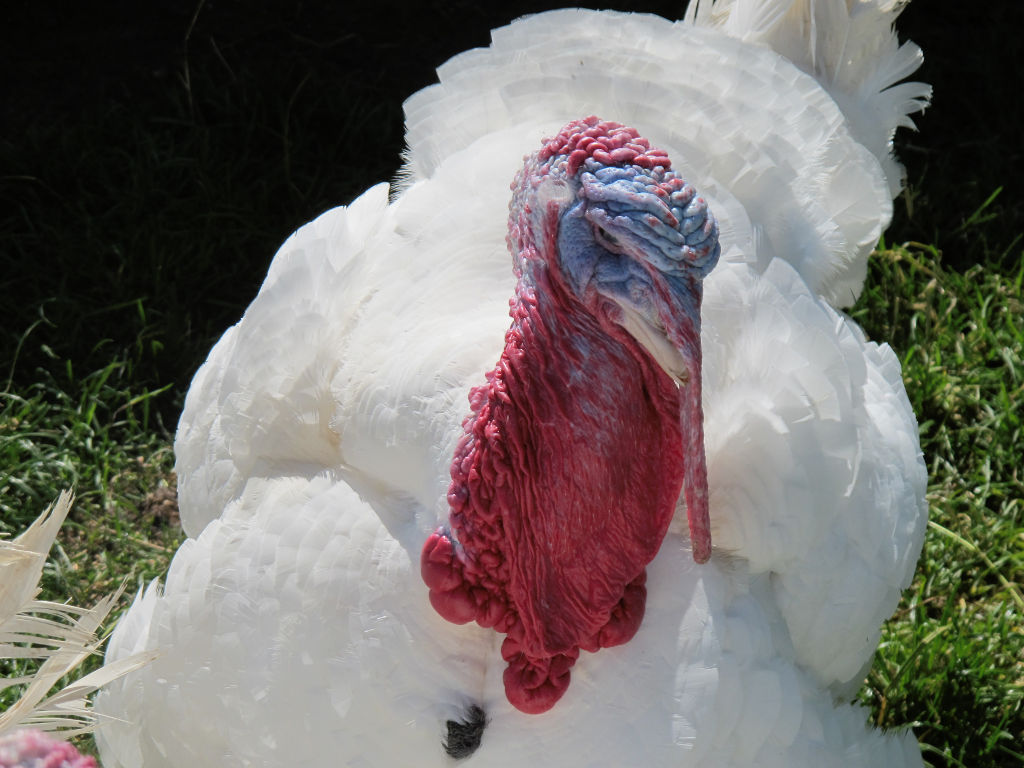
Turkeys are not attractive. Who will argue otherwise.
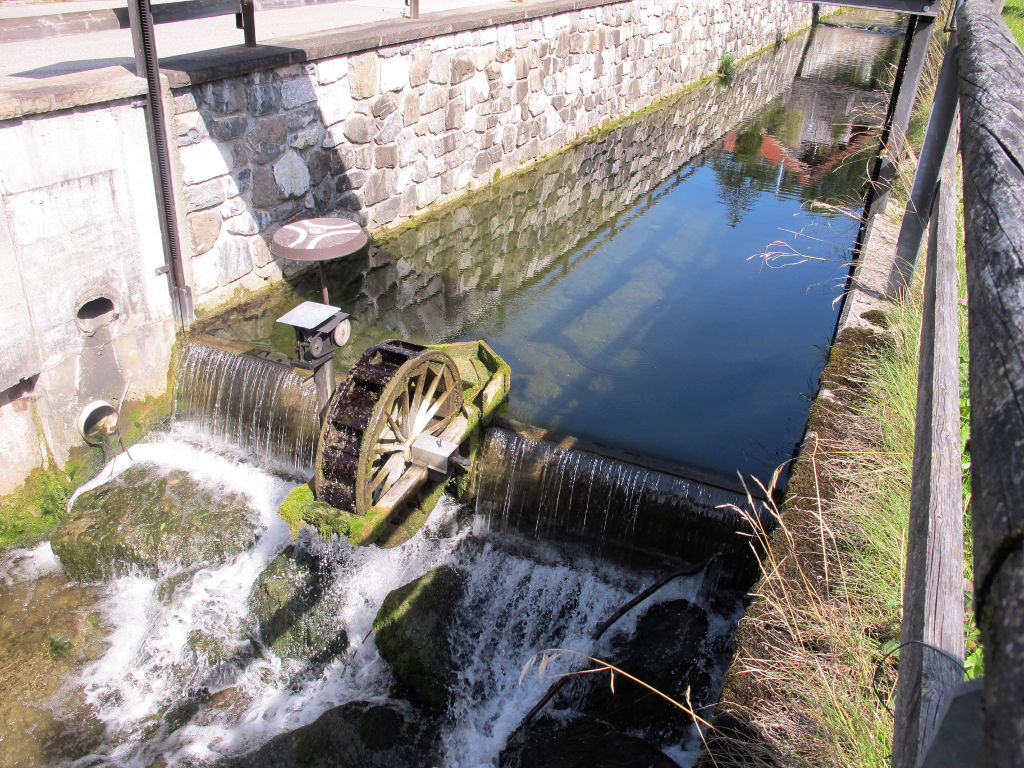
Working water wheel.
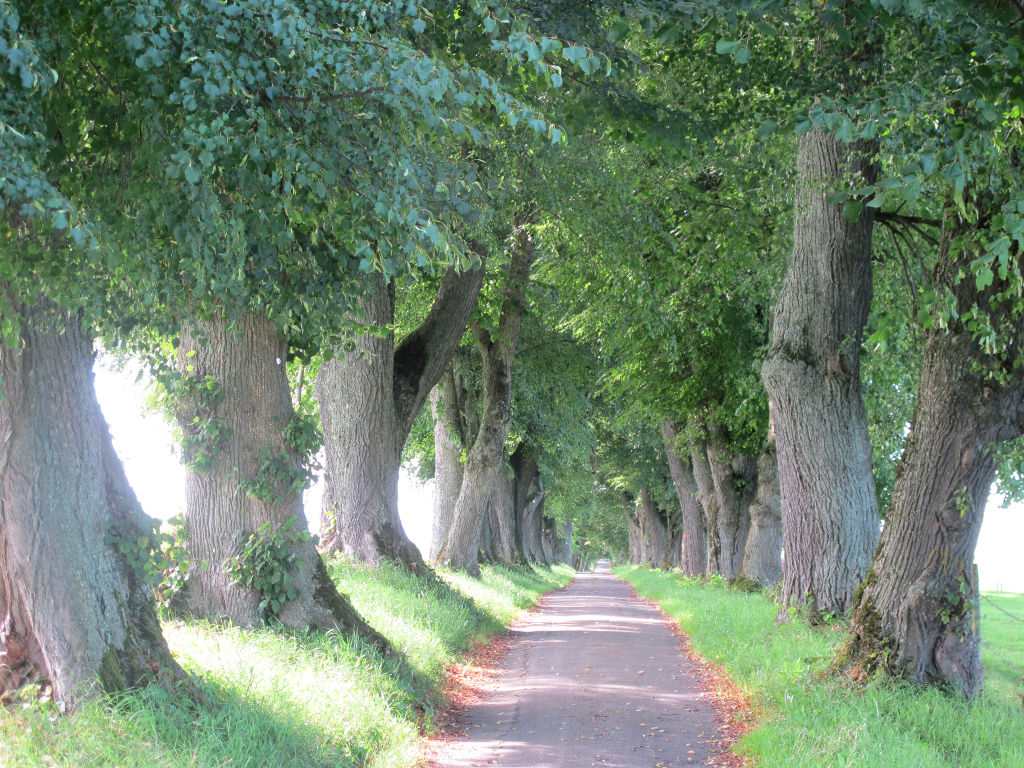
Ancient oaks.
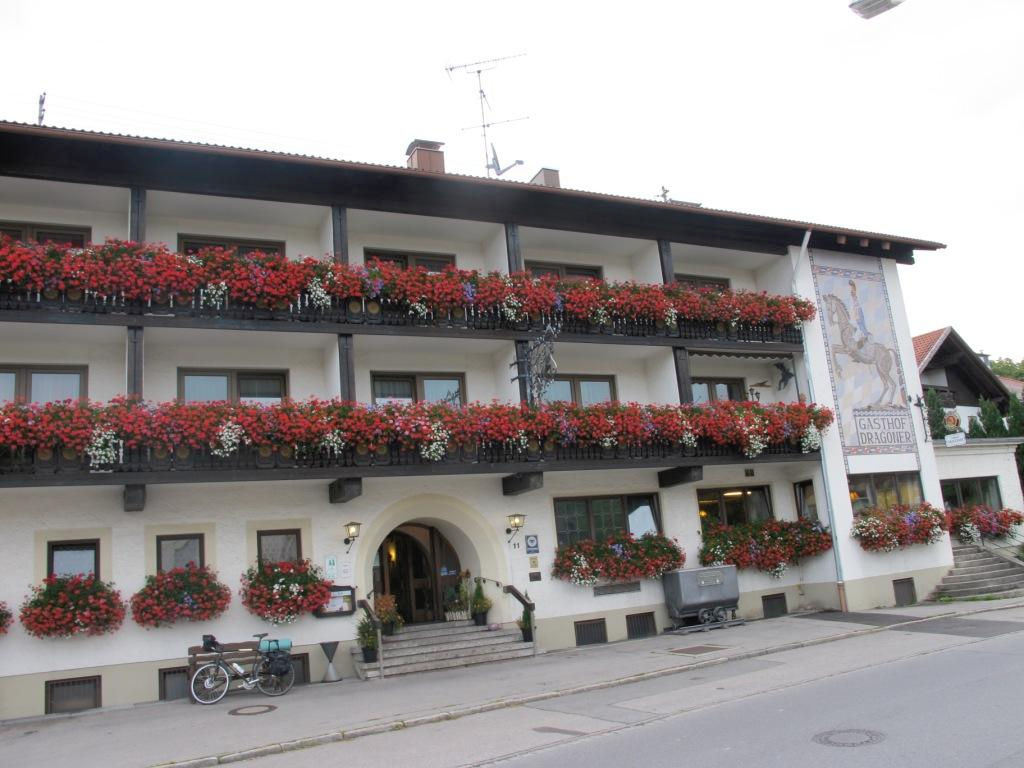
Bike friendly hotel. Unless you are in a real tourist town you can rock up most places and find a room in central Europe in late August.
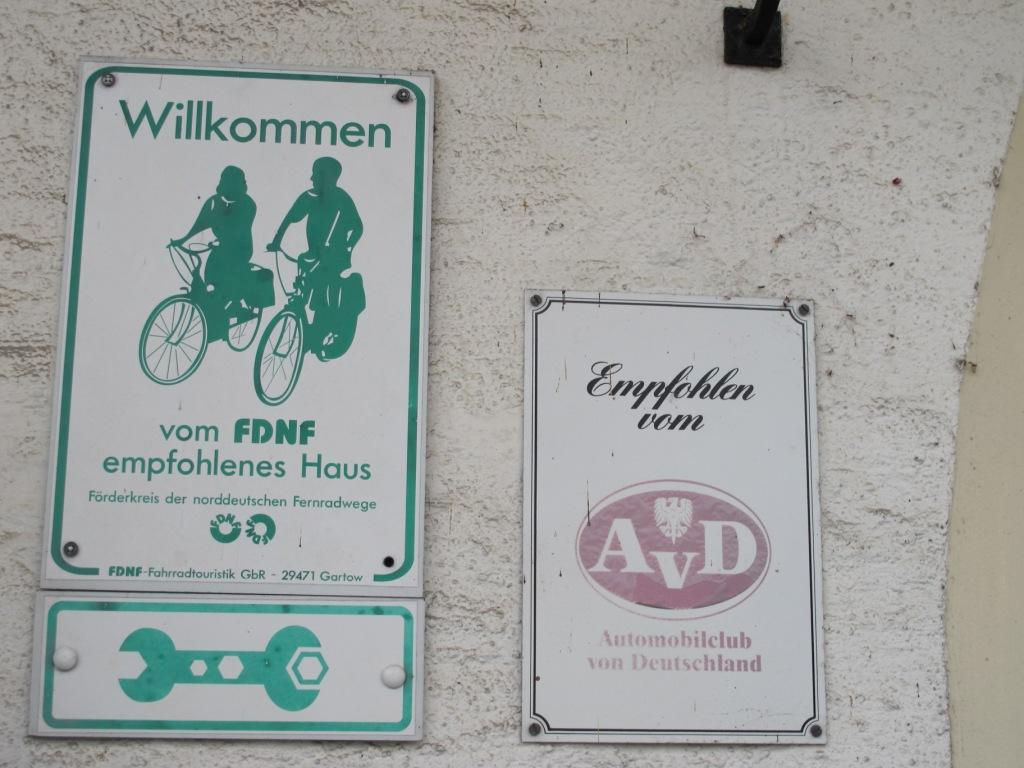
Sign of bike friendliness.
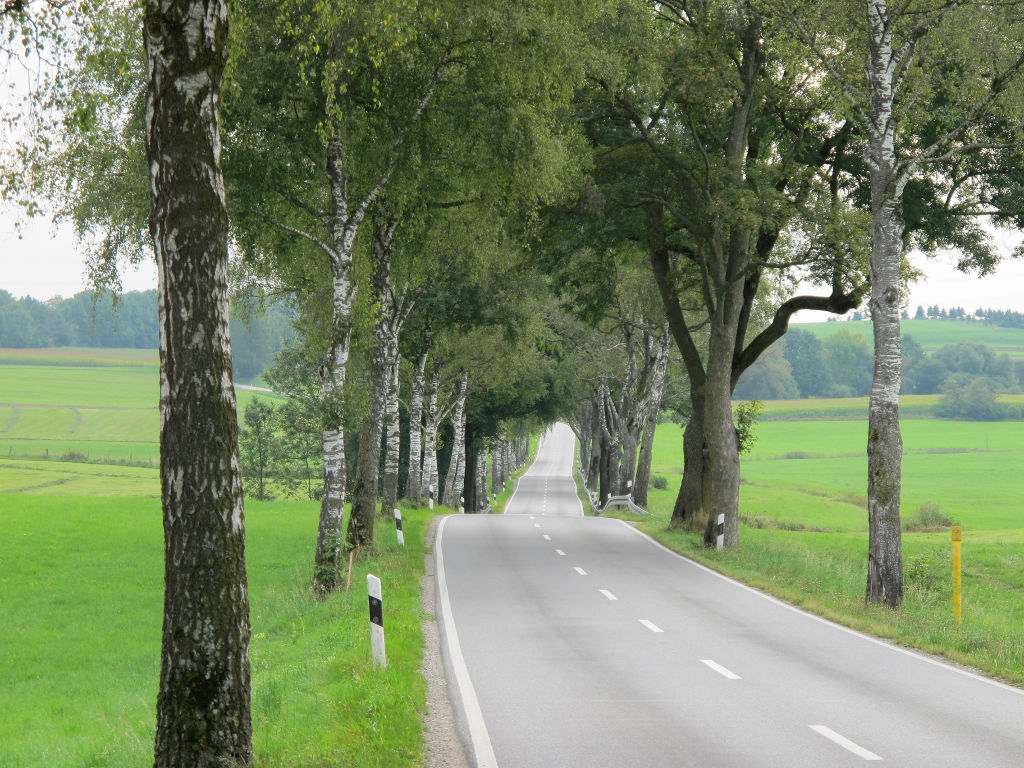
Birch along the way.
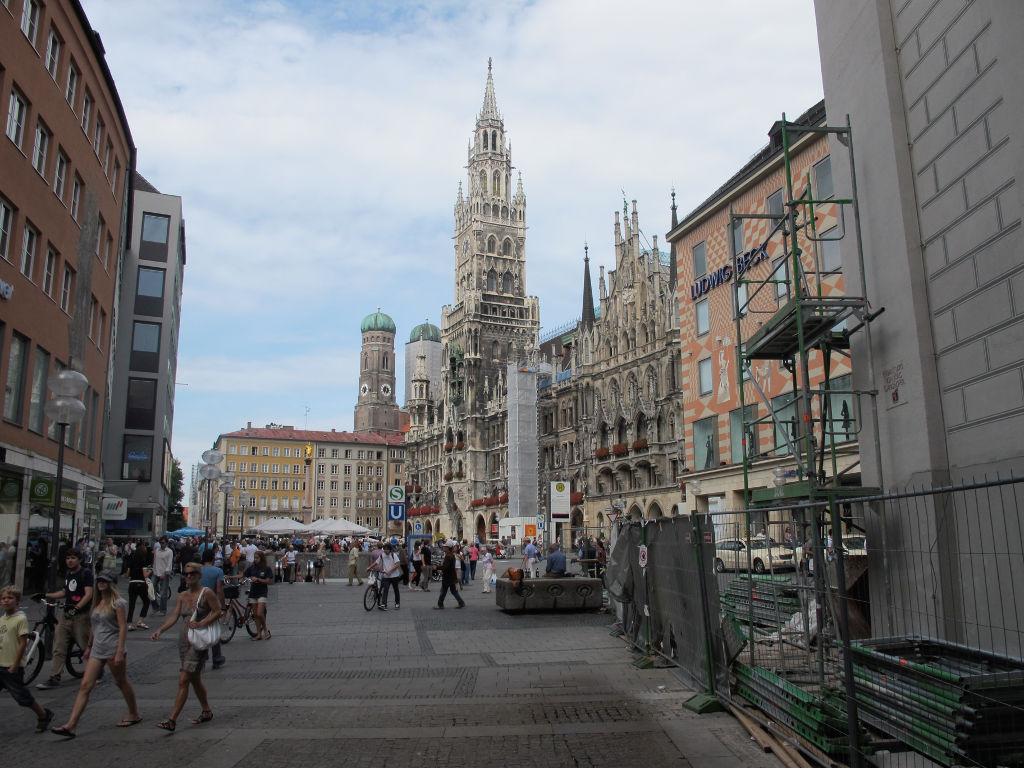
Arriving back at Marienplatz with the construction security fencing on the right.
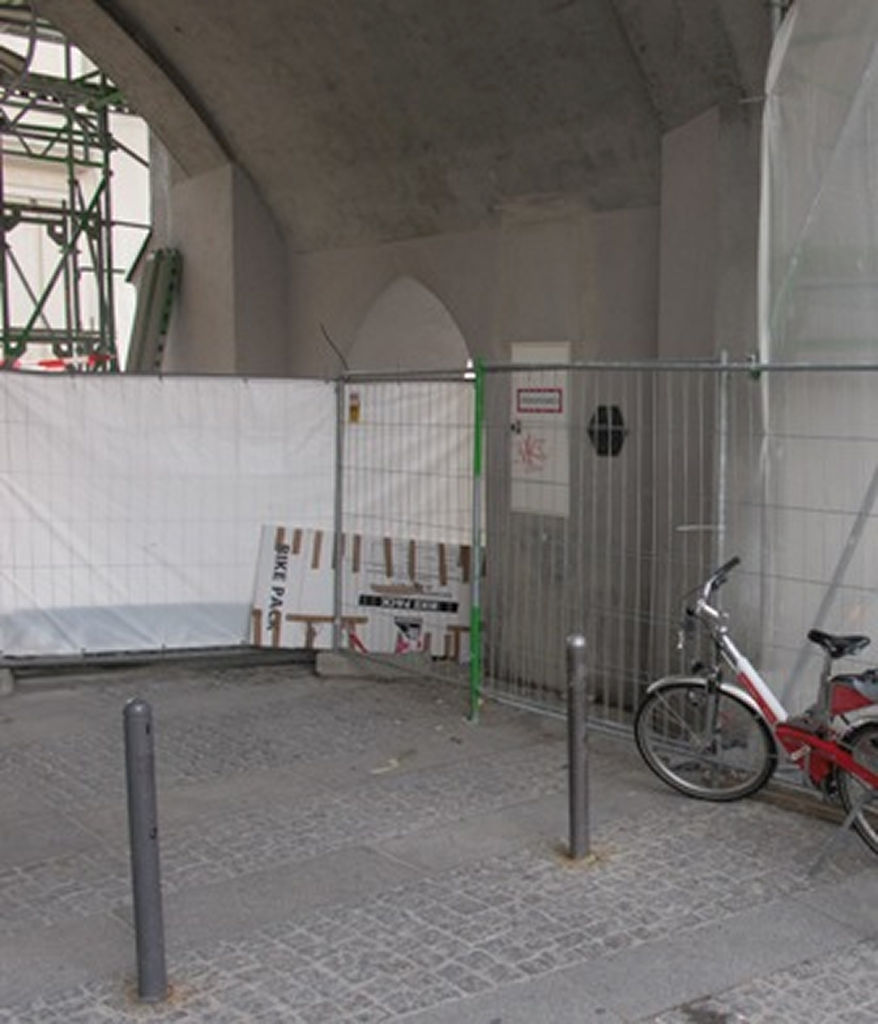
Amazing but true. The carton is there a week later, saving me the hassle of finding a friendly bike shop or risking being able to find a carton at the airport.
We land in Kars in eastern Turkey and set off on a loop ride that takes us east into Iran at the Bazargan crossing, through Marand, Tabriz, then south and around the huge salt lake of Orumiyeh, then back into Turkey at the southern Serow crossing, over a 2,700m pass, into Van. Then we take the train ship across Lake Van to Tatvan and cycle the southern coast back to Van and its airport.
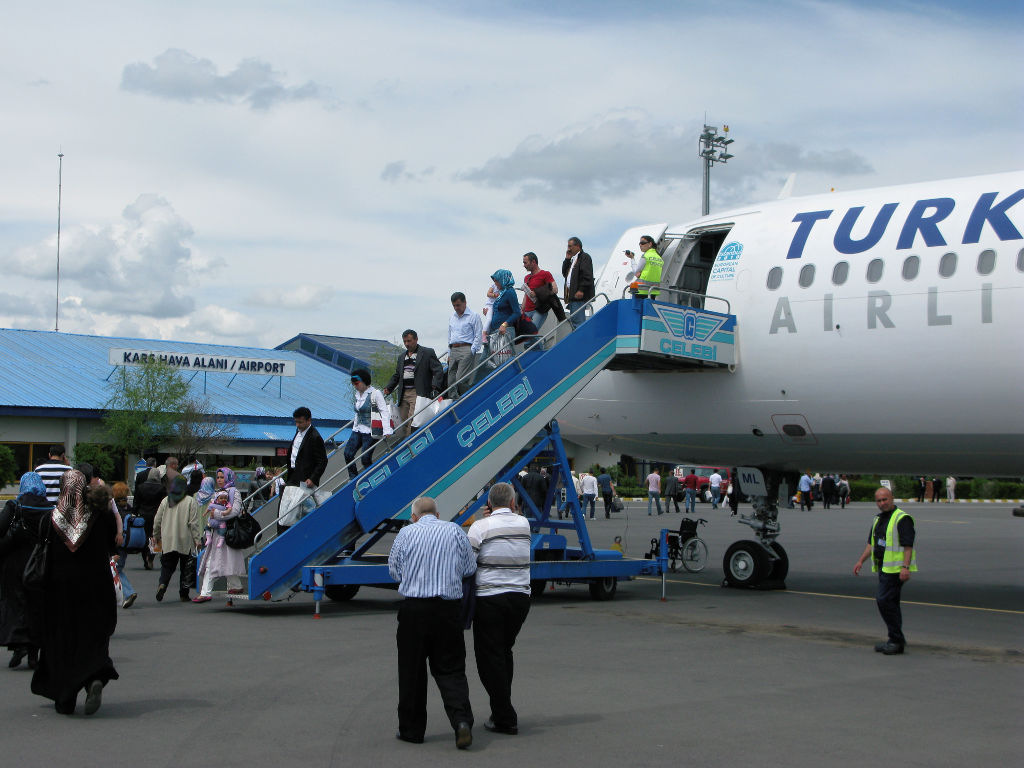
It is always exciting to arrive in a foreign and remote place to begin a bike tour. You don’t know what to expect. You are on your own and depend on your bike reliability, your fitness and your wits. Here we are disembarking at Kars in the far east of Turkey.
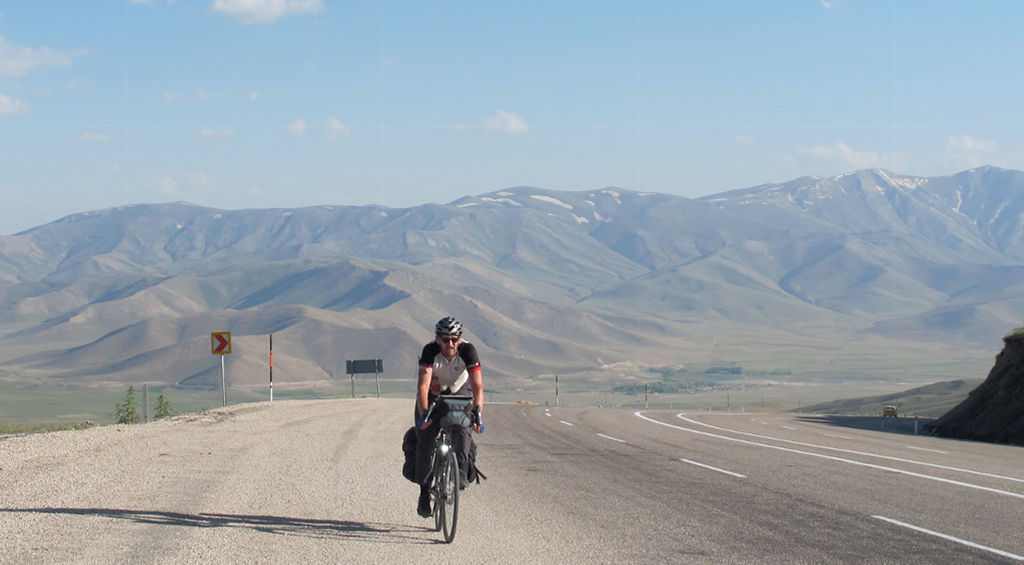
The vastness of the terrain is awesome. Plenty of exercise in traversing it. It is mid-summer but so high up here on the Anatolian plateau that the temperature is pleasant.
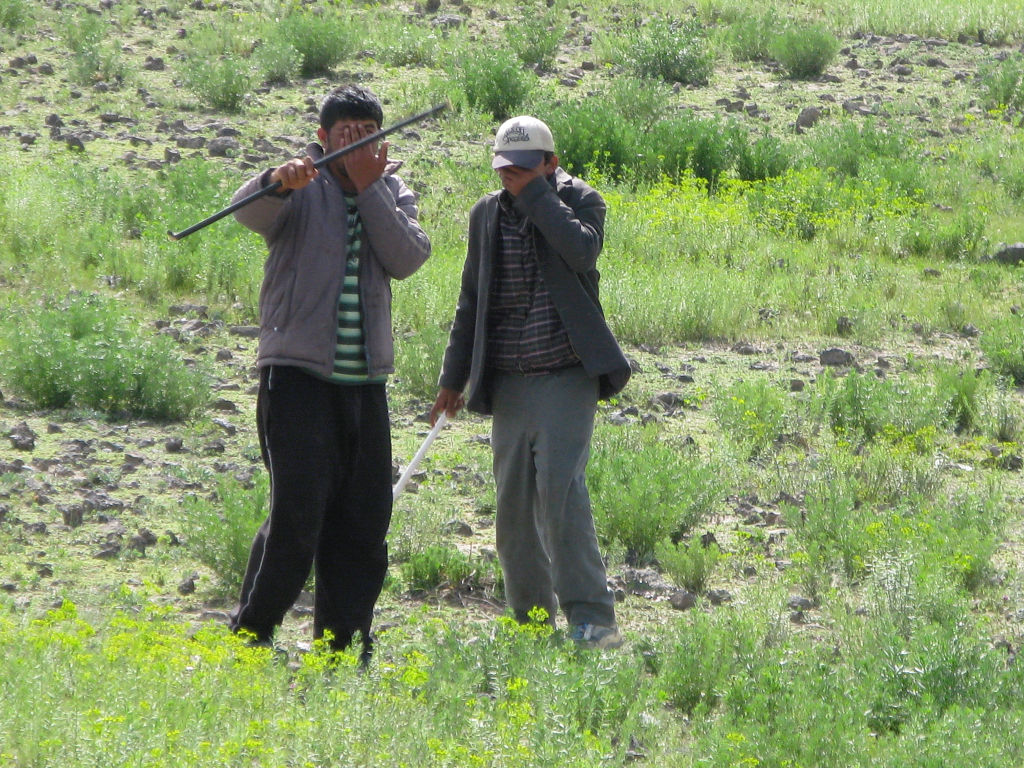
Two naughty shepherd boys. They dangerously grabbed onto one of the bikes as we rode past. So I went to the nearby police base and they rounded them up and brought them in, with their father. I was asked what punishment I required and I said that their father should scold them in front of the commander and me. Basically, they were bored and thirsty. That’s why they did it.
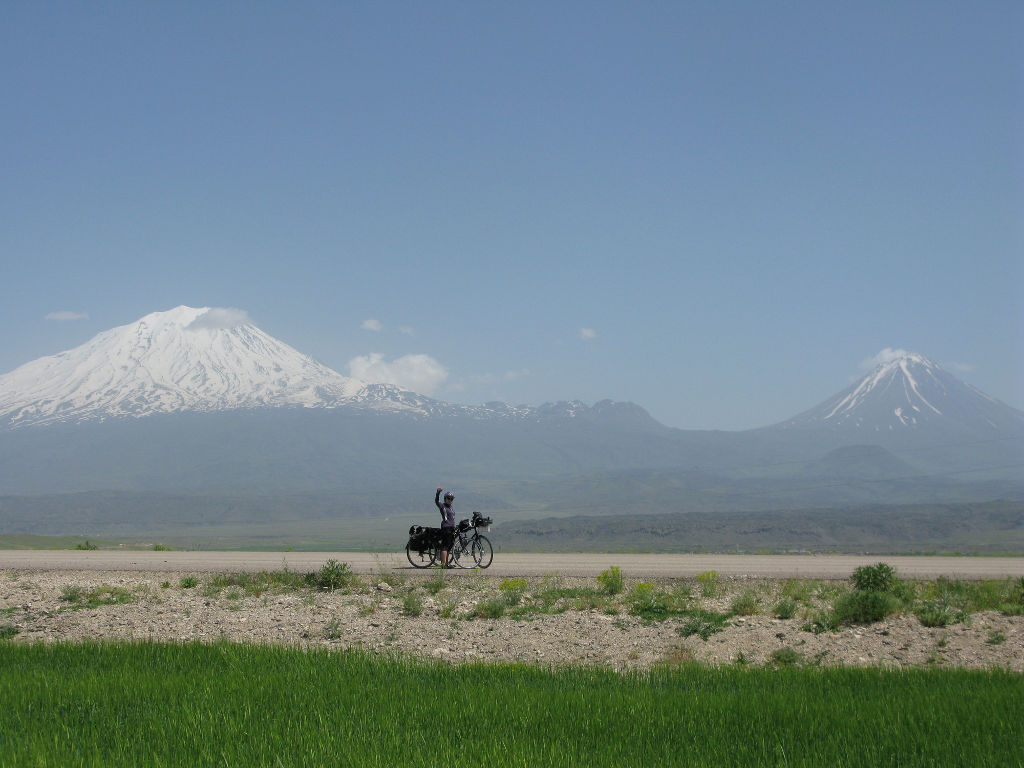
Passing Mt Ararat and approaching the Iranian border. Looking to the NE towards Armenia. The Turks and Armenians have disputed the borders here for centuries.
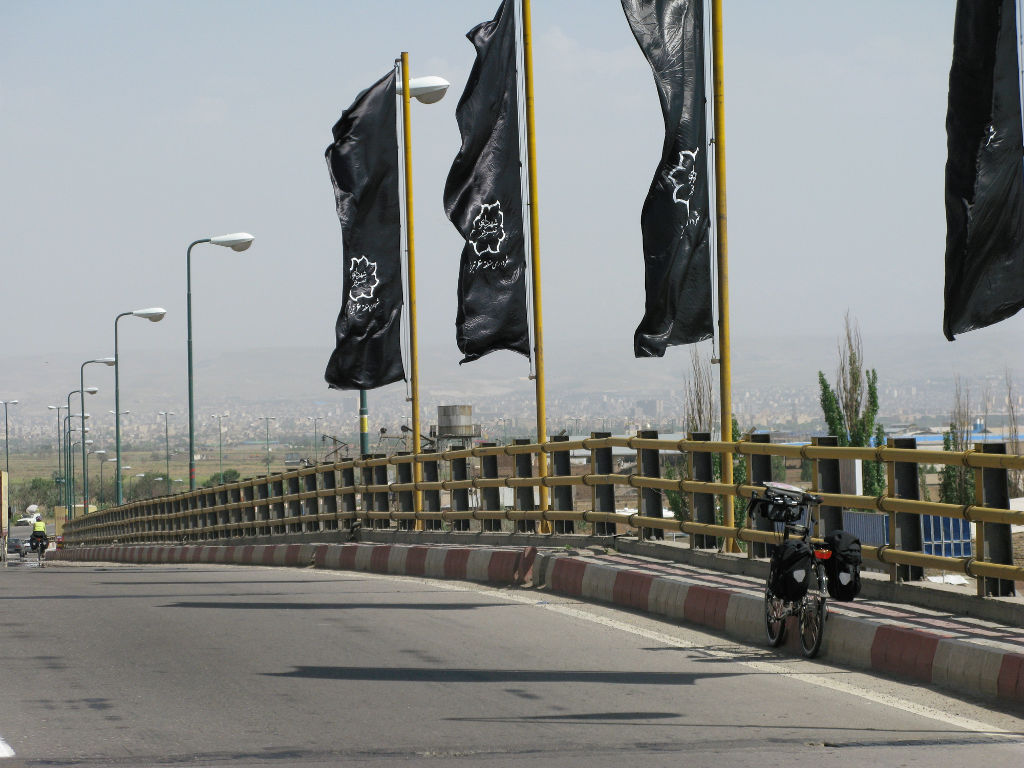
Coming into Tabriz. In all countries there is the regime and there are the people. Here the regime portrays a fearsome side but the people are as kind as you can find anywhere on the planet.
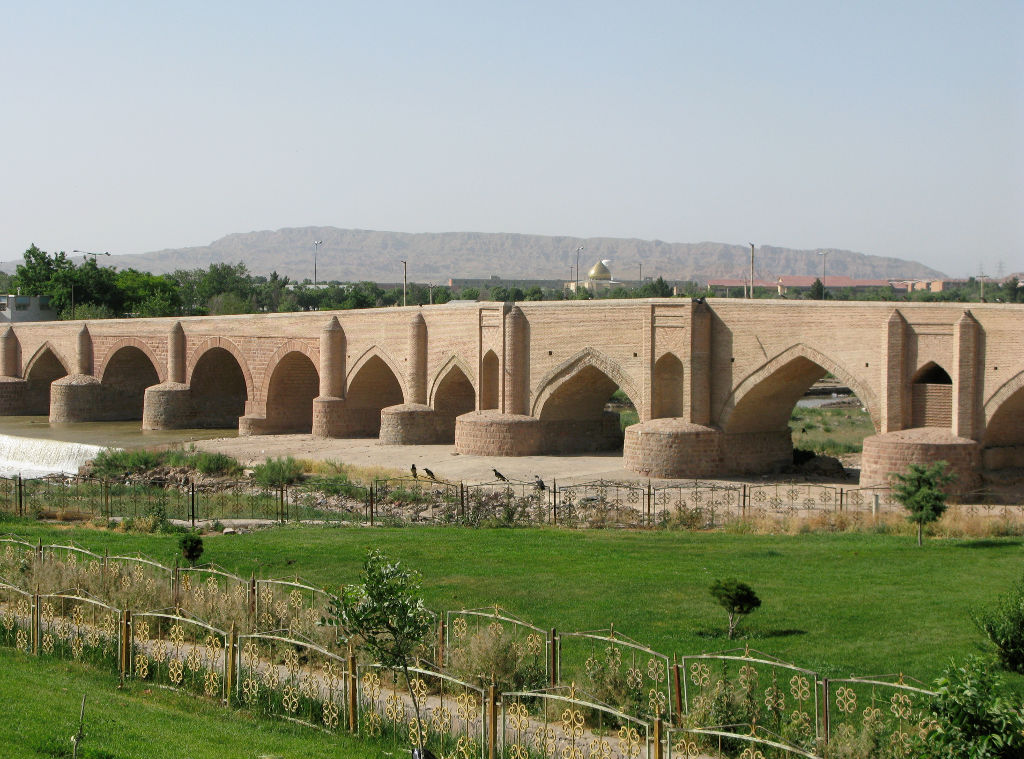
Stunning and gorgeous architecture in Tabriz, Iran. An old bridge entirely made from bricks.
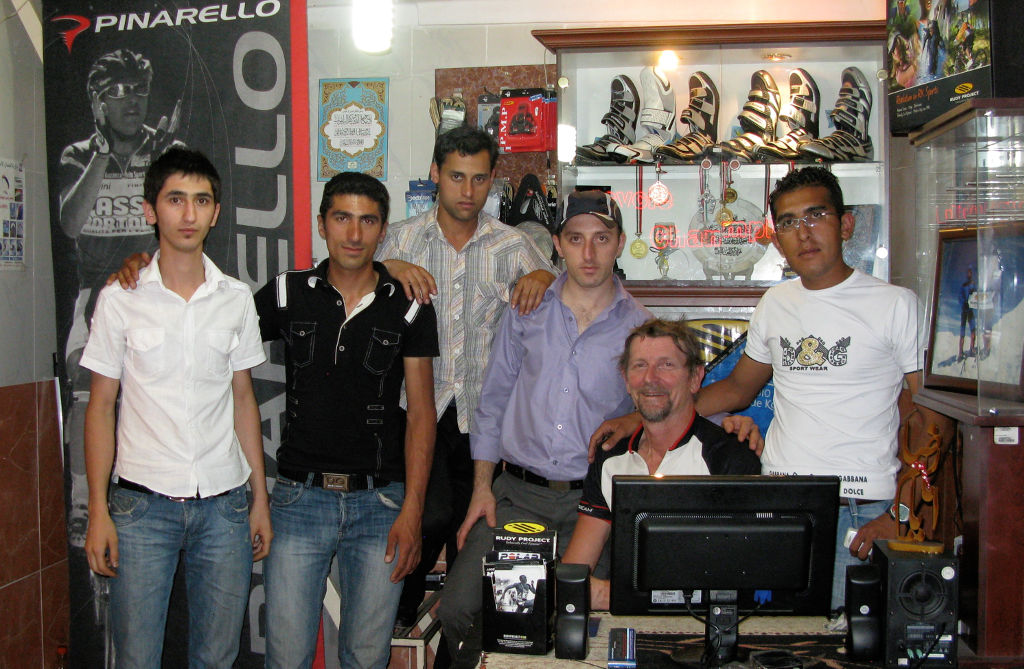
On the road today from Marand to Tabriz we picked up bunches of roadies and in Tabriz are being welcomed at the main road shop, Capital Cycles. Naser Menchov.
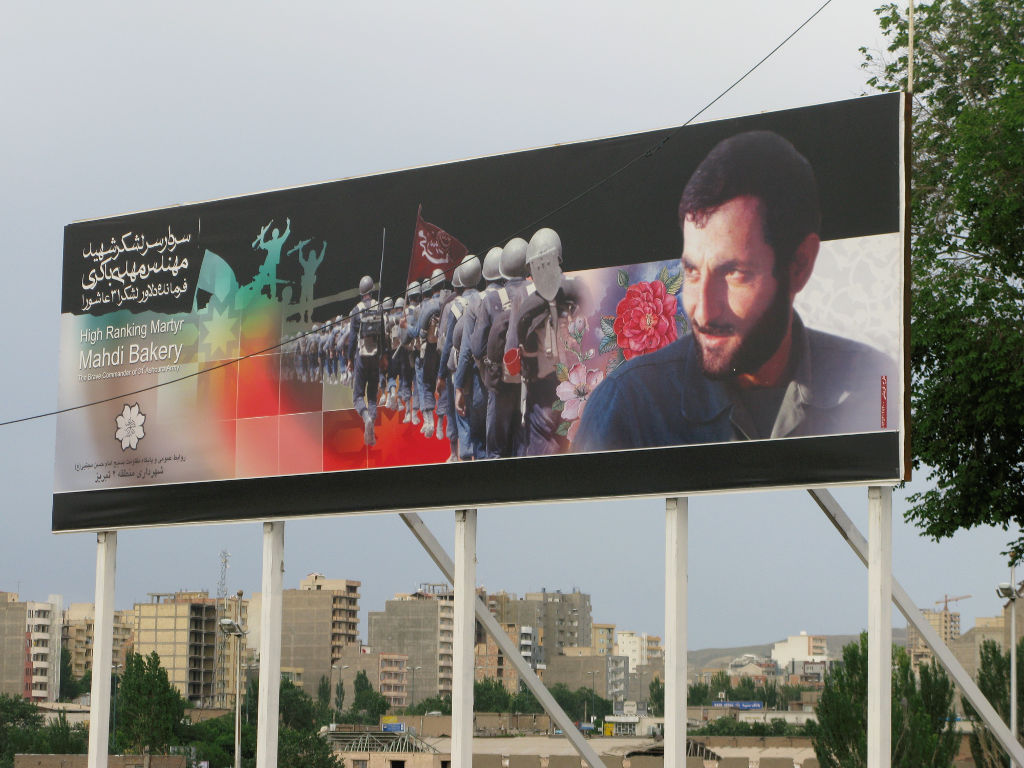
Iran has a unique way of honouring its fallen soldiers. They name sections of highway after them and feature them in huge billboards.
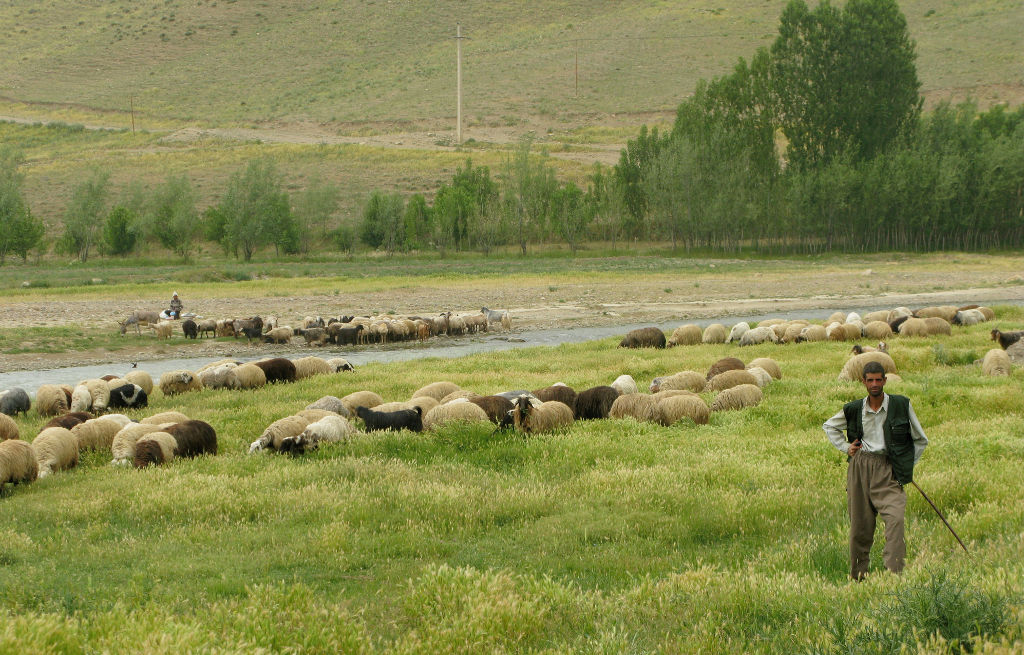
A tourist in a bus or car would not see this. We are able to get close to the farmers and the shepherds.
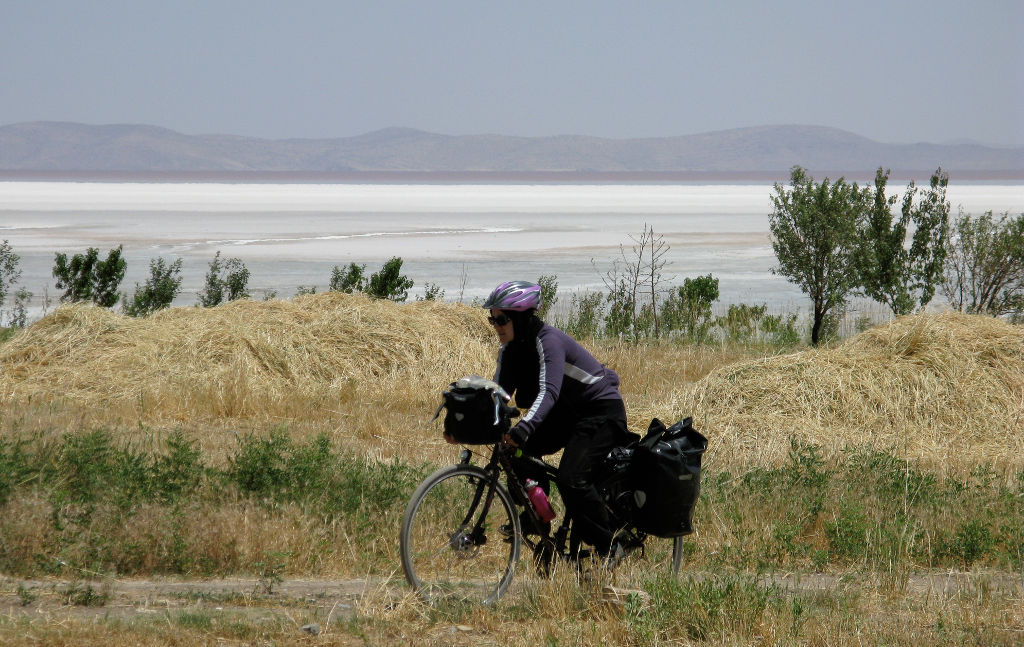
It is about 400km around this salt lake. For 4 days we are beside it, occasionally going right down to marvel at the colossal volume of salt and the weird landscape it forms.
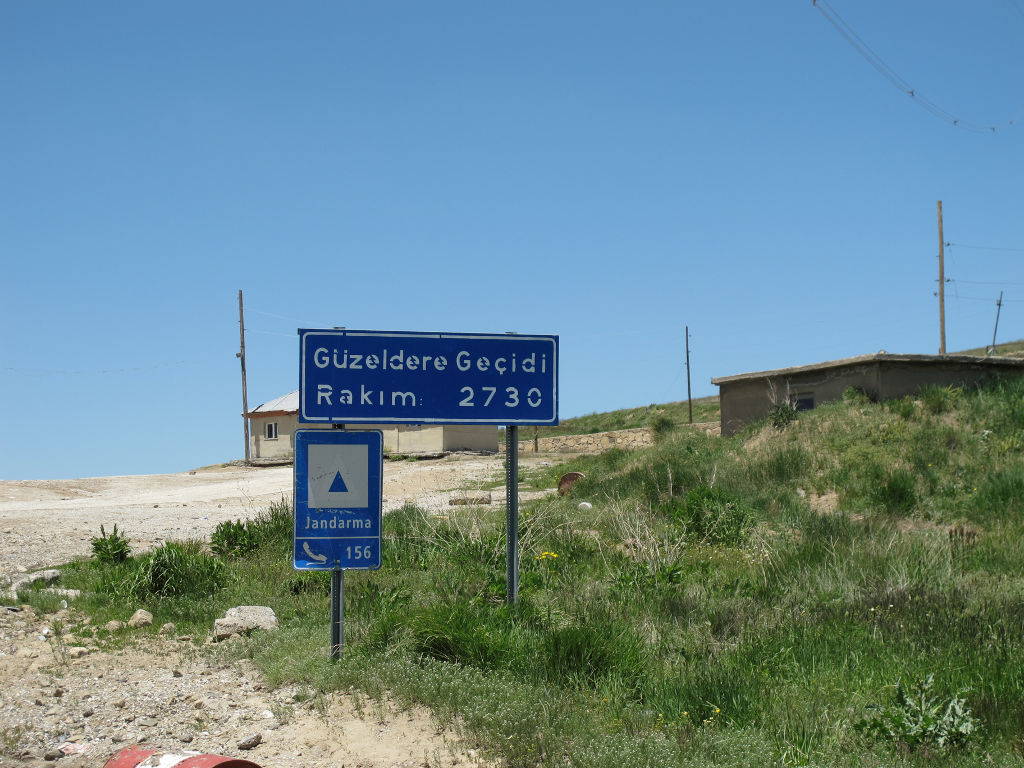
Back in Turkey. Turkey is a land of high passes. At the lookout we meet a pair of Austrians. The four of us joke about how they, upon introducing themselves, have to correct people who mishear and think they are Australian whilst for us we have to correct people who think we are Austrian.
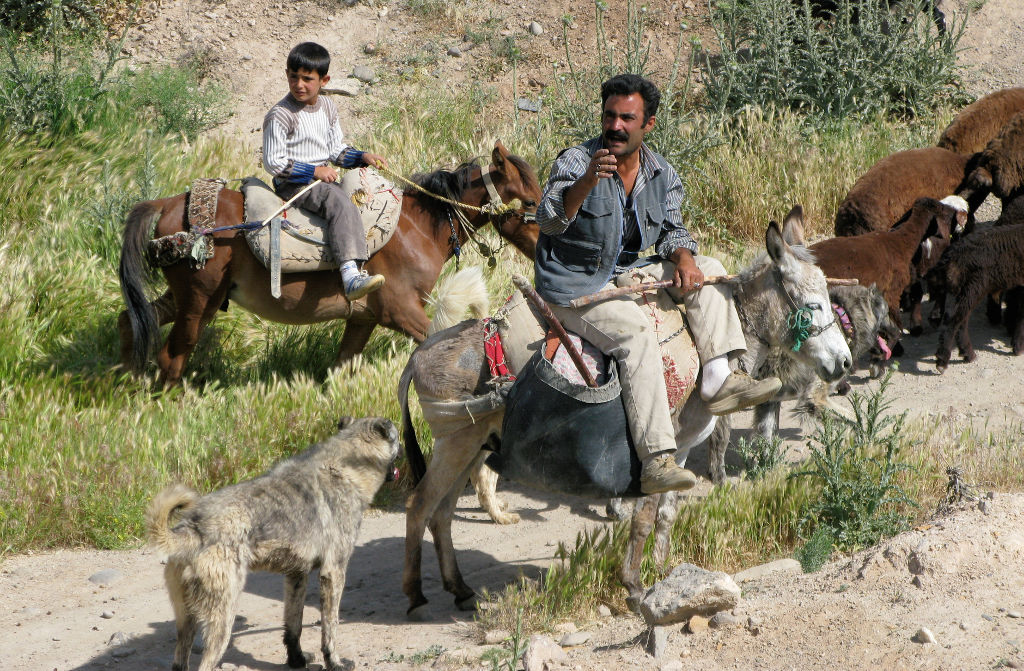
A Kurdish shepherd and his trainee son. Turkish people are so kind that we are frequently stopped for tea. Today even an armoured van stopped and they opened the back and got out the tea.
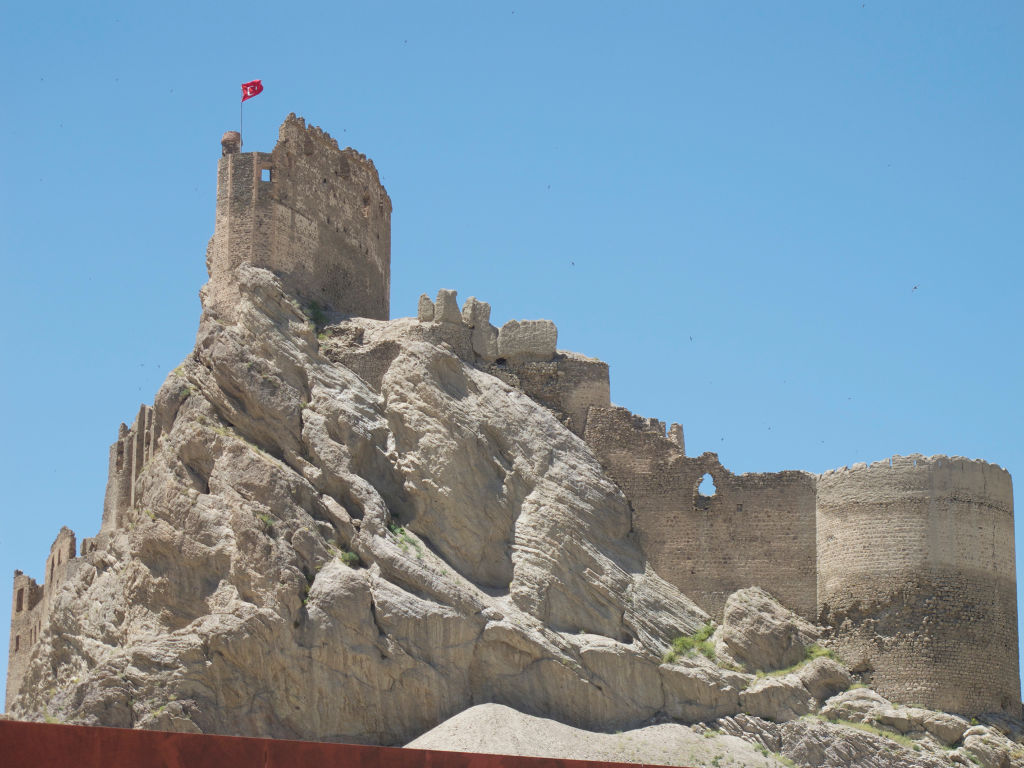
What drove people to build such fortifications and sanctuaries? In this part of the world they aren’t uncommon.
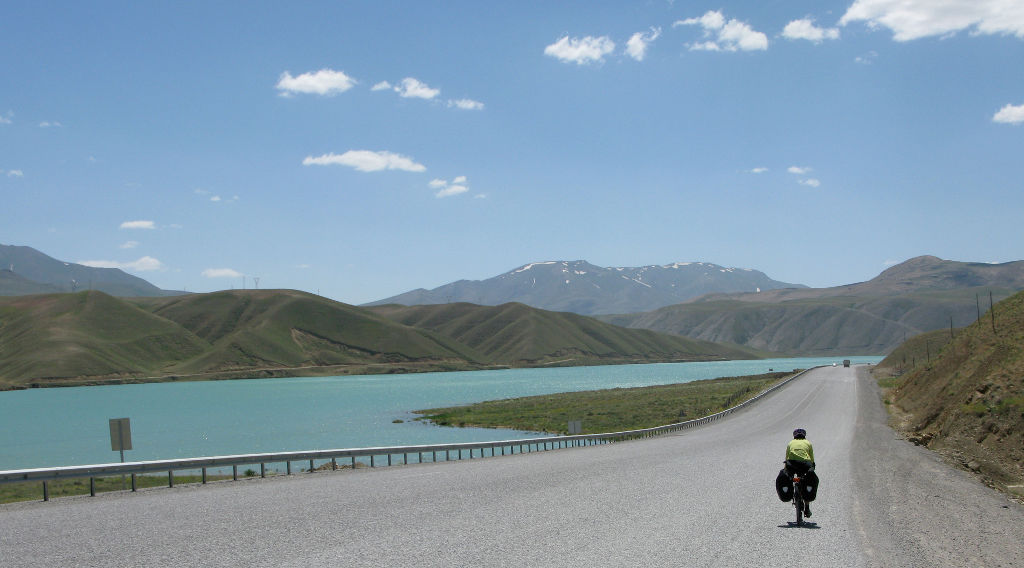
Turkey is a great country to tour in. Sometimes the regime appears unappealing but the people are wonderful, the roads are good and the food is great. I love it.
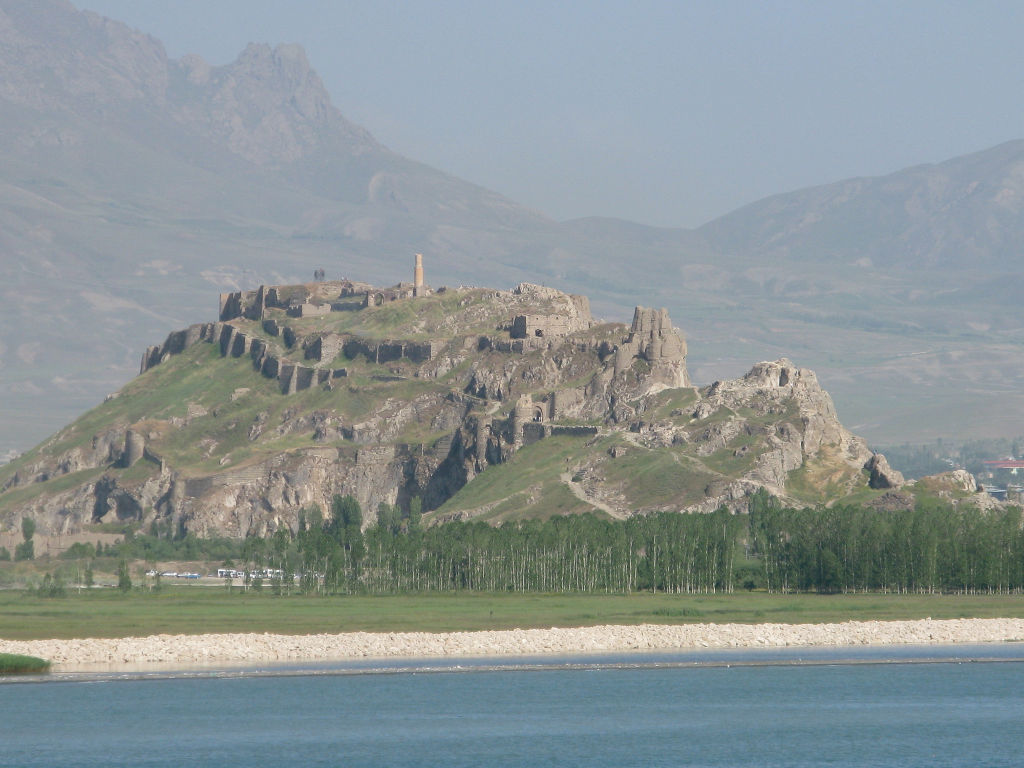
A scene from the trainship out of Van. This ship was built on the lake specifically to carry entire trains with seating for 200 passengers on the route from Istanbul to Tehran. Nowadays the passengers take the bus from Tatvan to Van but trains still go on the ship. We are the only passengers.
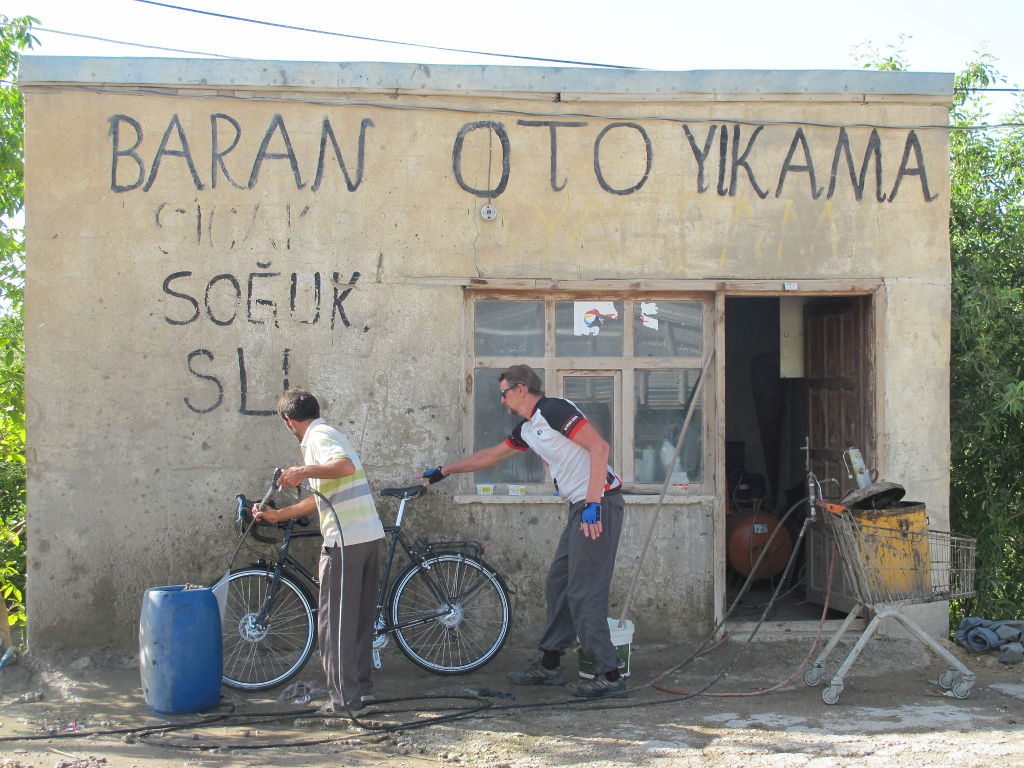
On the last day of a bike tour I always look out for a high pressure water washer. Sure enough this one is perfectly located on the way into Van. The family insists on serving tea. A fitting end to a tour of Eastern Turkey and NW Iran.
A tour of Sri Lanka, leaving the bike cartons at a Negombo Lodge for reuse.
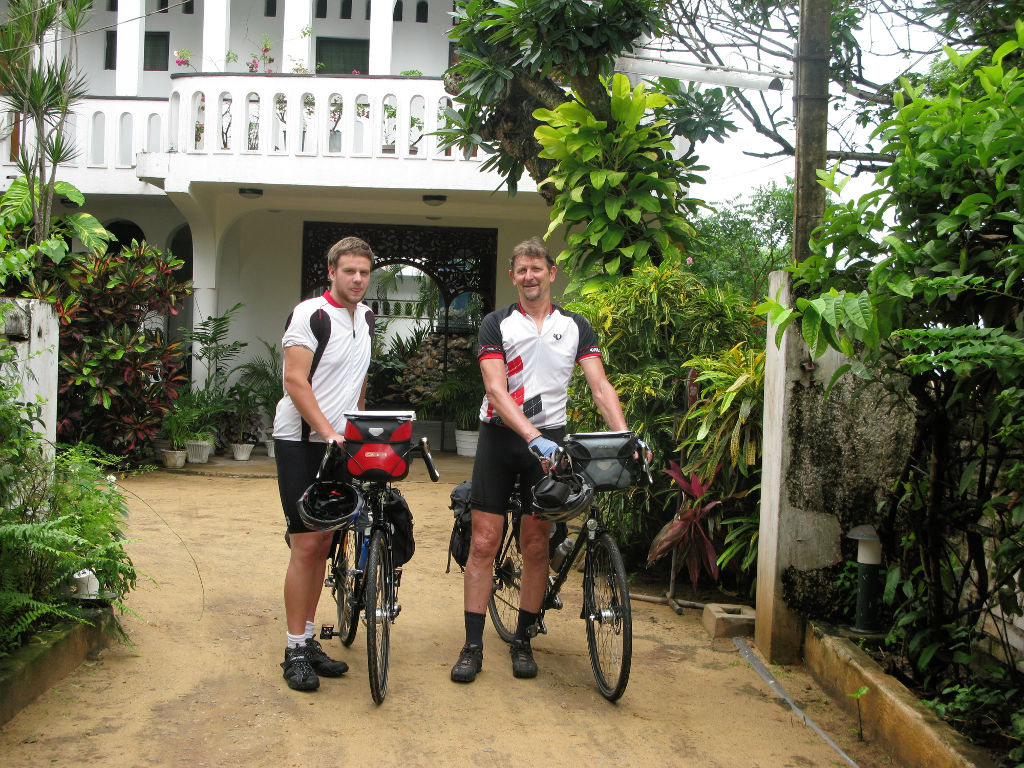
Ready to roll. Both bikes are running 9 speed Tiagra STI shift levers, outboard Shimano bottom brackets (which develop a bit of play), front cable disc and rear cantilever brakes.
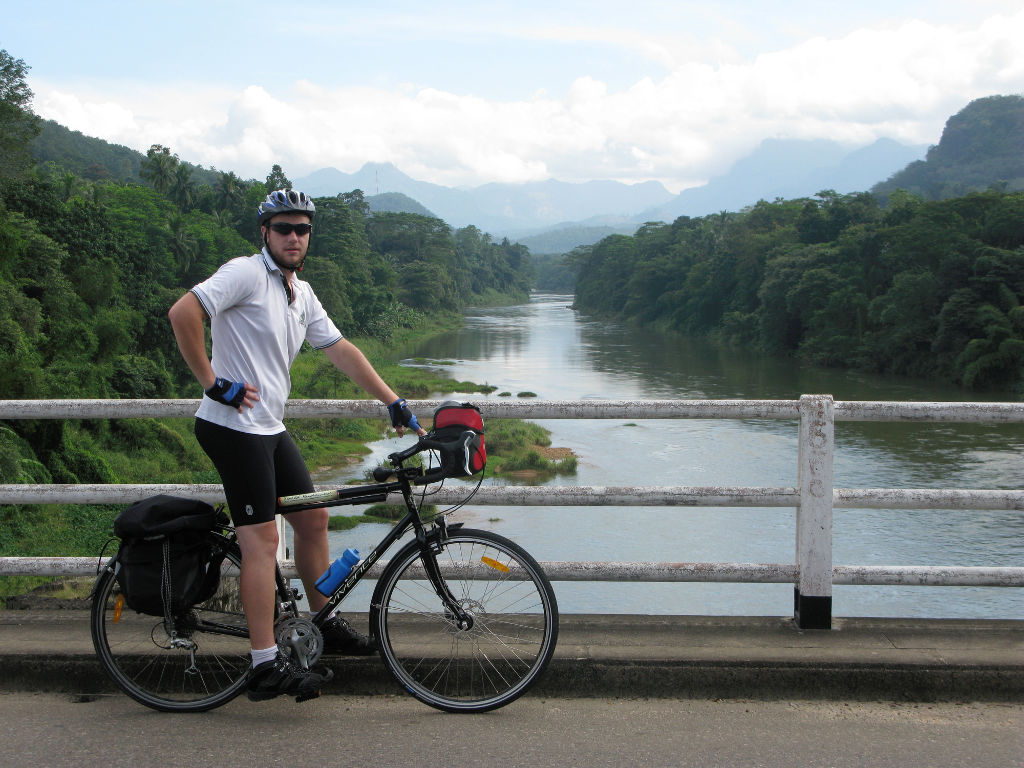
Getting into the landscape. The horns prove indispensable with a lot of animals on the road.
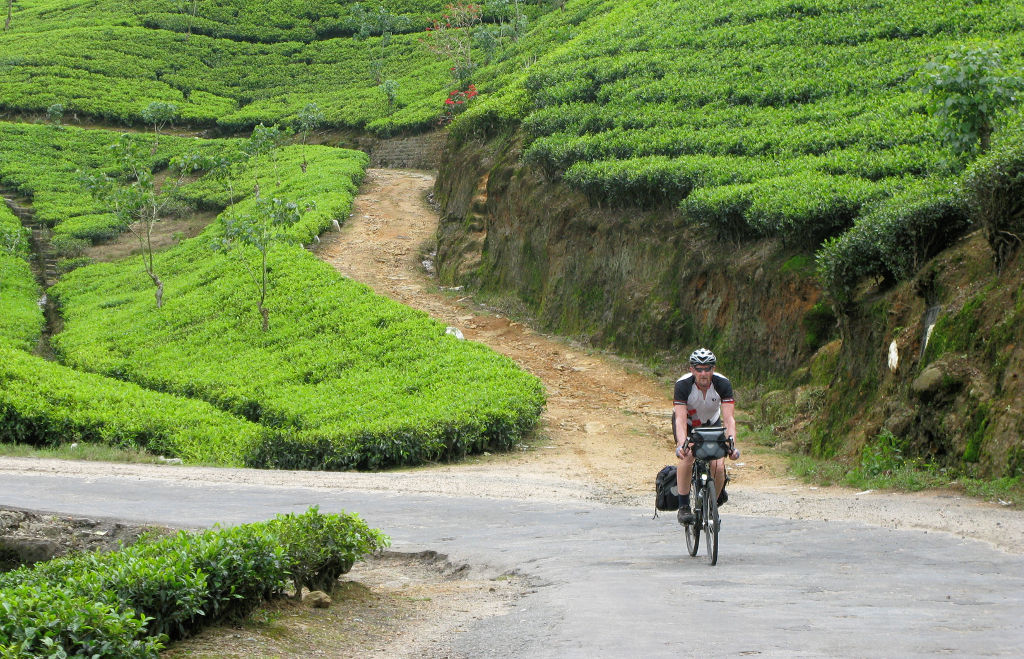
Climbing into the hill country. Tea plantations dominate Sri Lanka’s central highland. There is a distinctly “colonial” feel in the homesteads which these days are often offering accommodation.
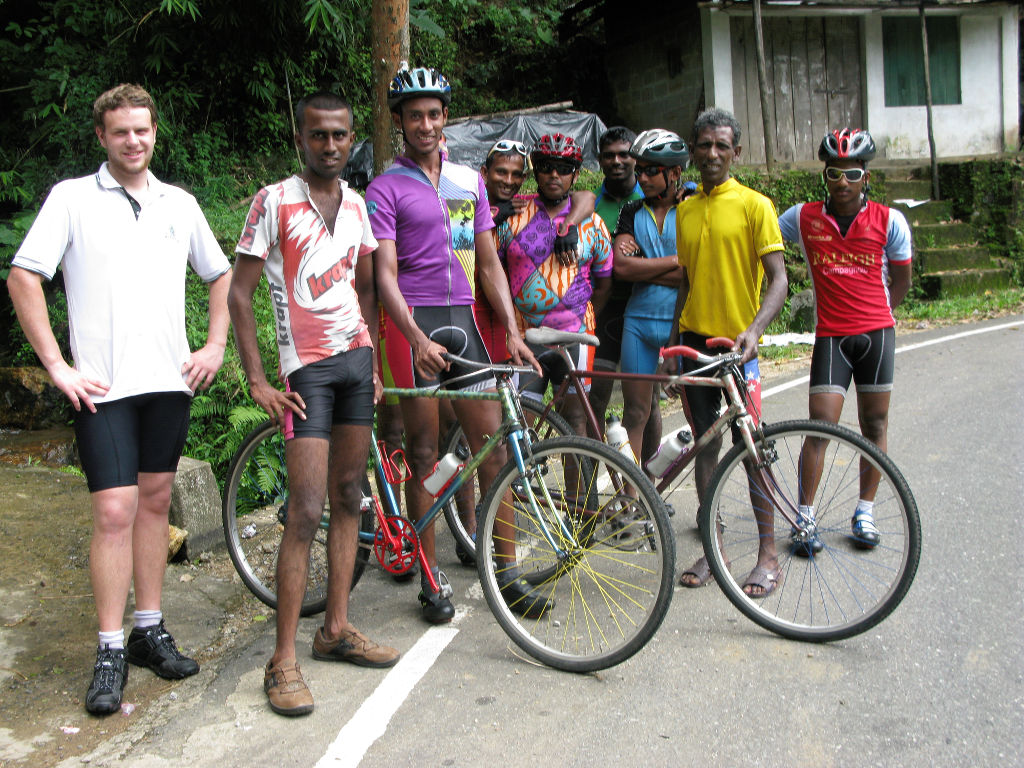
We are overtaken by a bunch of local roadies on their single speeds. They are featherweights and able to scoot up climbs as if they are nothing.
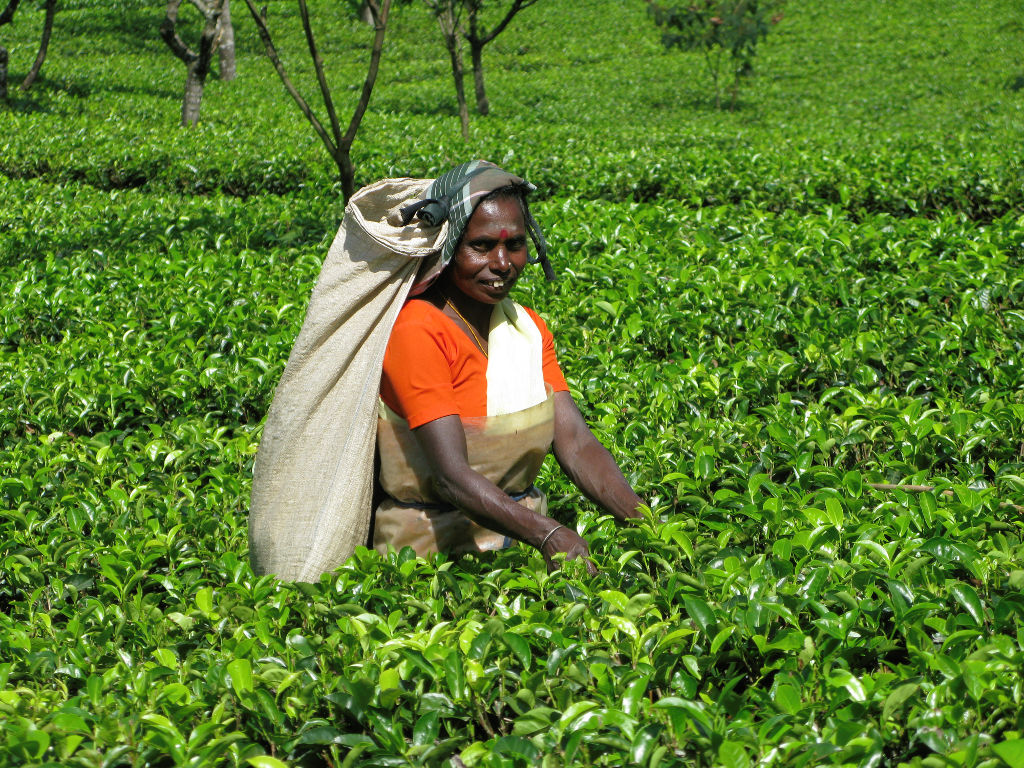
A Tamil tea plucker. The Tamils (from Tamil Nadu) are a minority in Sri Lanka, living mostly in the highlands and the northern Jaffna Peninsular. Historically they have been exploited and sometimes victimised.
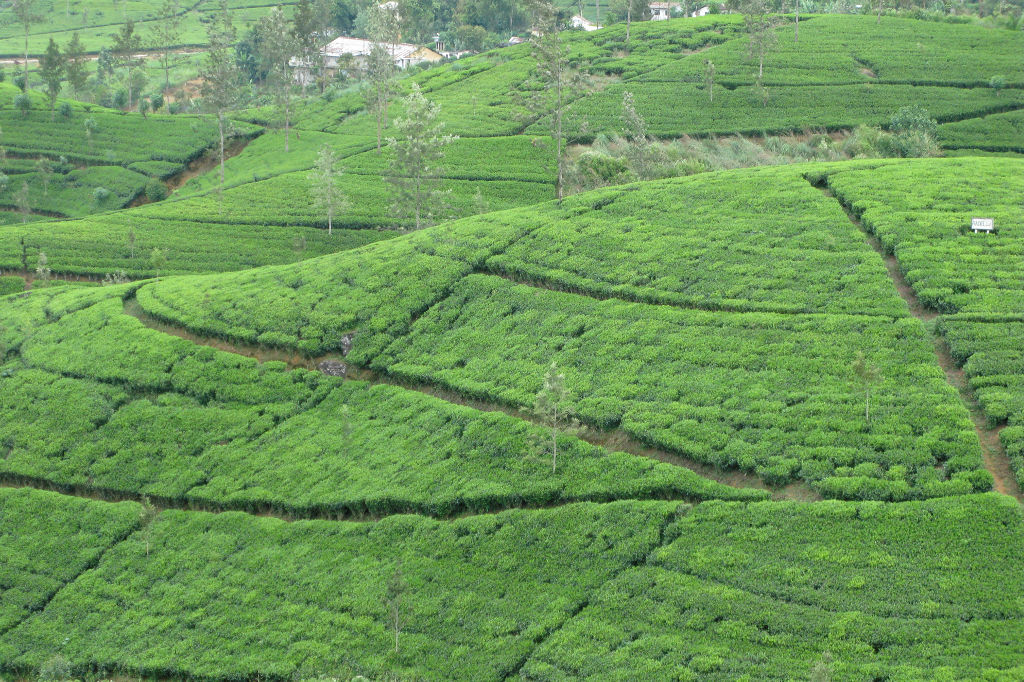
The landscapes in the tea growing regions are some of the most beautiful for cycle touring.
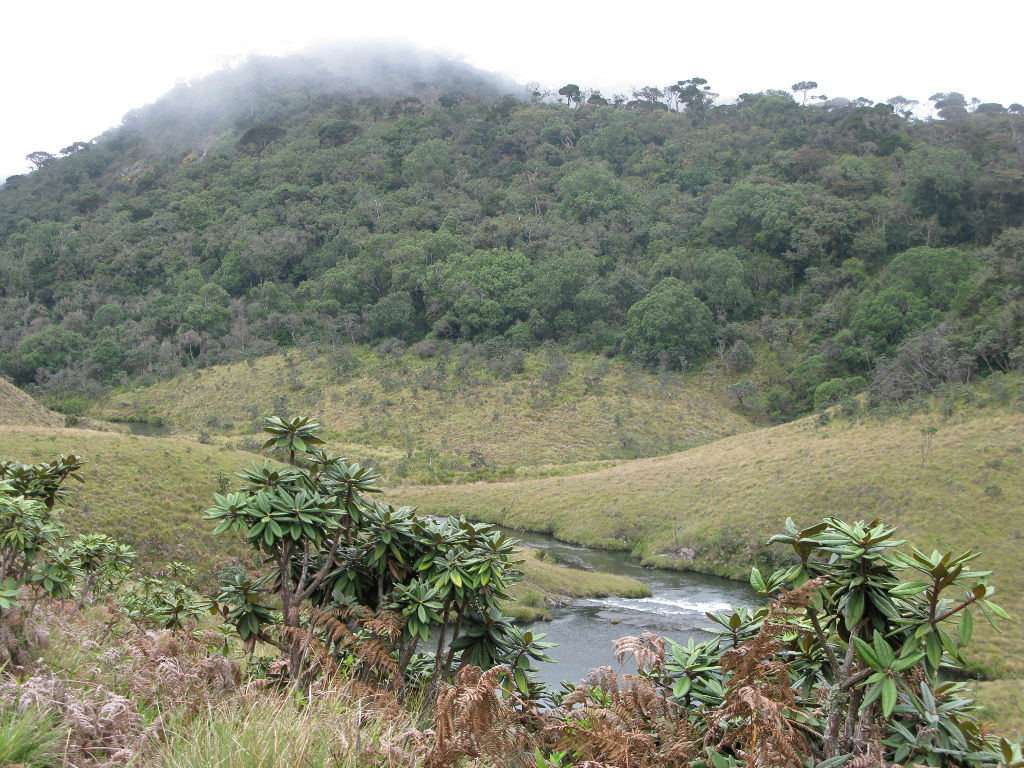
On a rest day at Nuwara Eliya I decide to take the round trip to World’s End, across the Horton Plains National Park. It is not at all flat and there is no road. Over 2,000m high, this landscape is shrouded in mist. There are native rhododendrons.
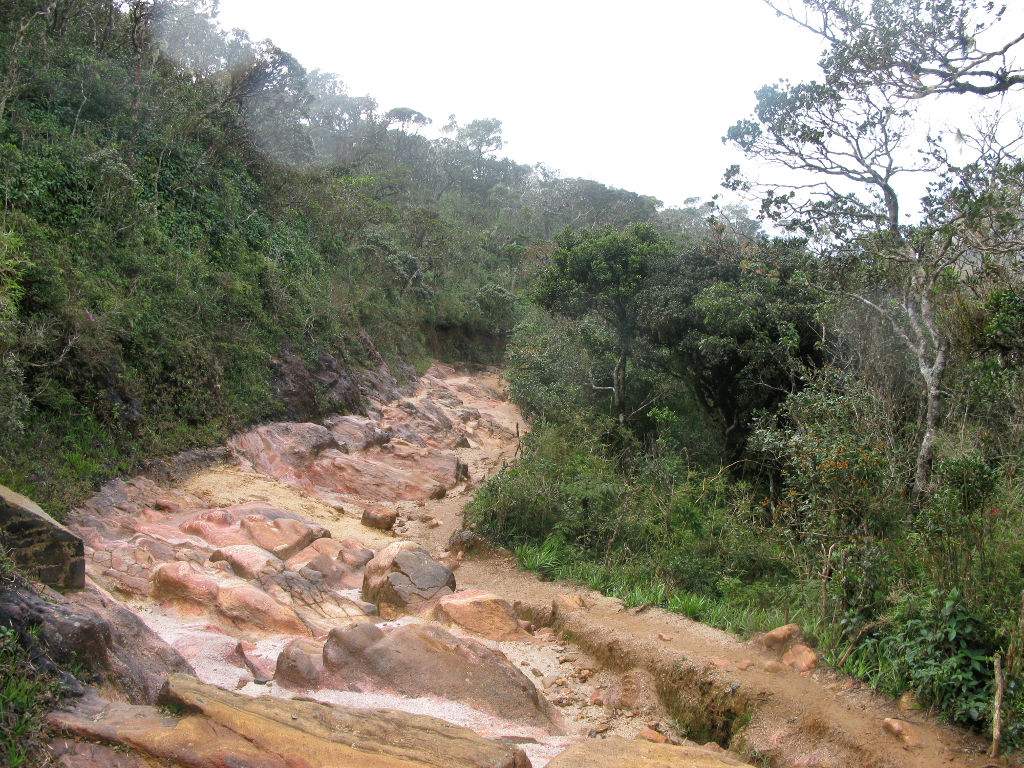
The walking track deteriorates. No fat tyre set-up would have helped and I am on foot for the last few kilometres to the lookout.
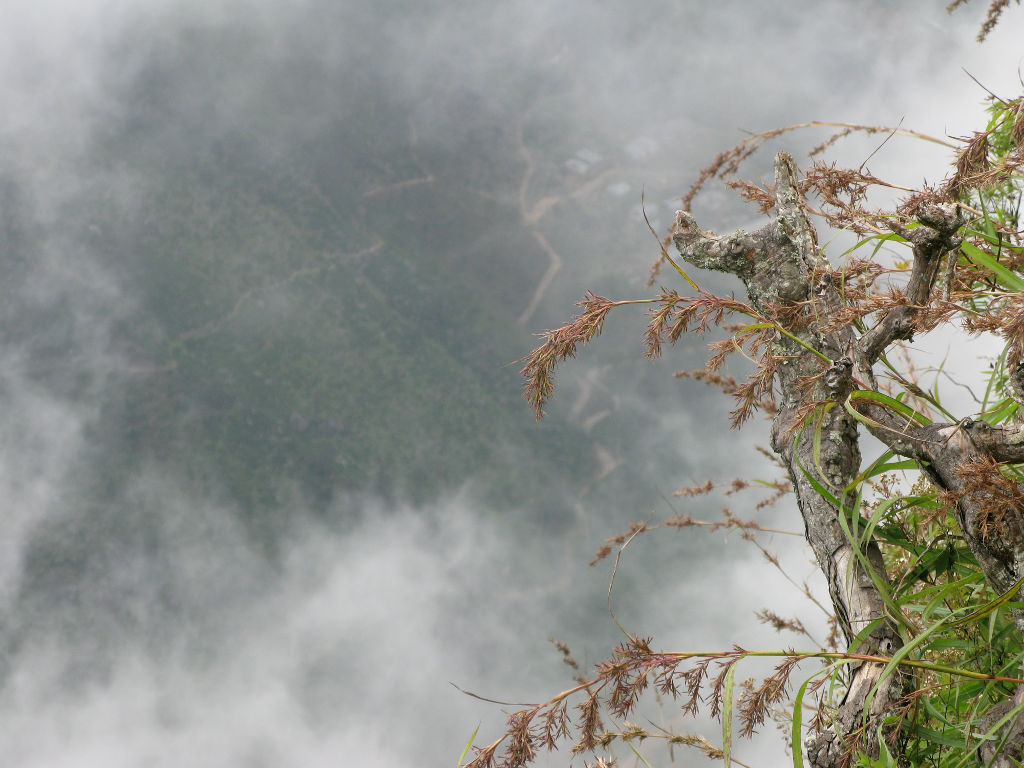
Finally, I reach the point where there is a sheer drop of more than 1,000m looking out over the south of Sri Lanka and the ocean beyond. You need to watch for moments between clouds but it is well worth the wait and the effort.
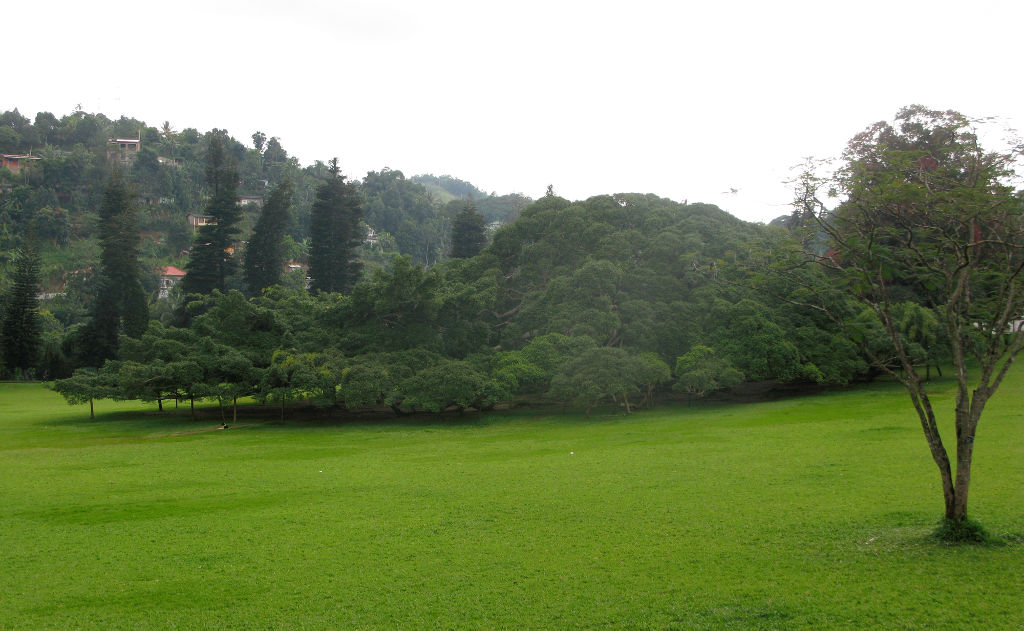
Not far from Kandy are the Peridinyar Gardens. This is one of the greatest botanical exhibits in the world. This shot is of a single tree covering more than an acre.
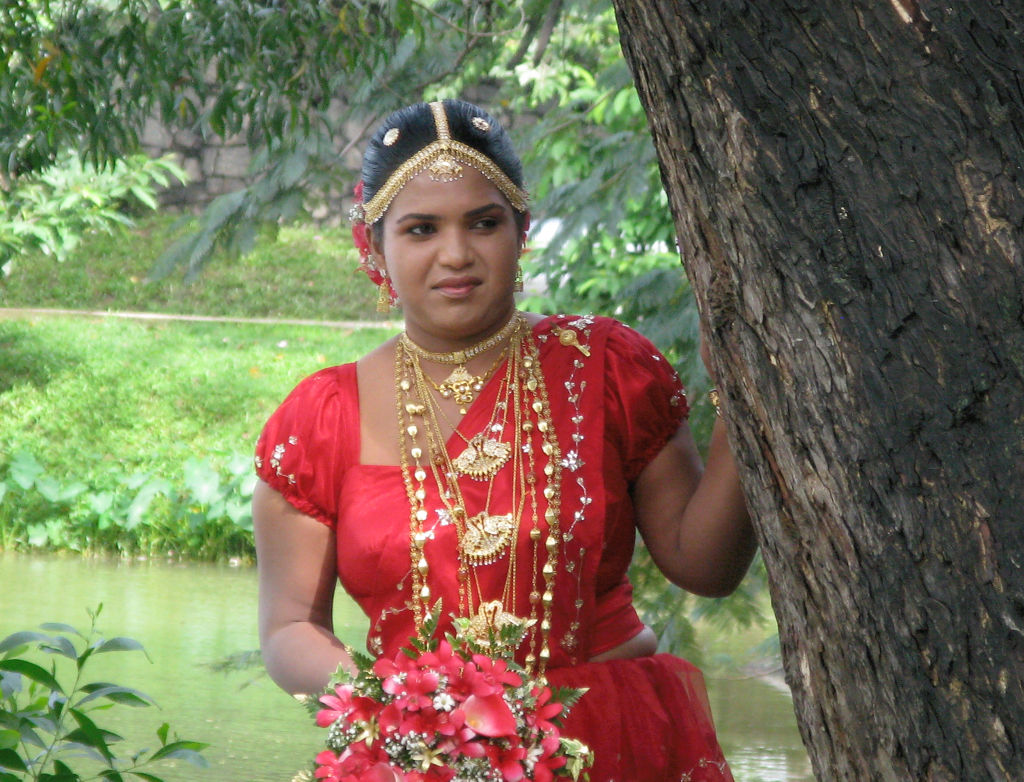
In Kandy, on the lakeside, wedding photography is underway.
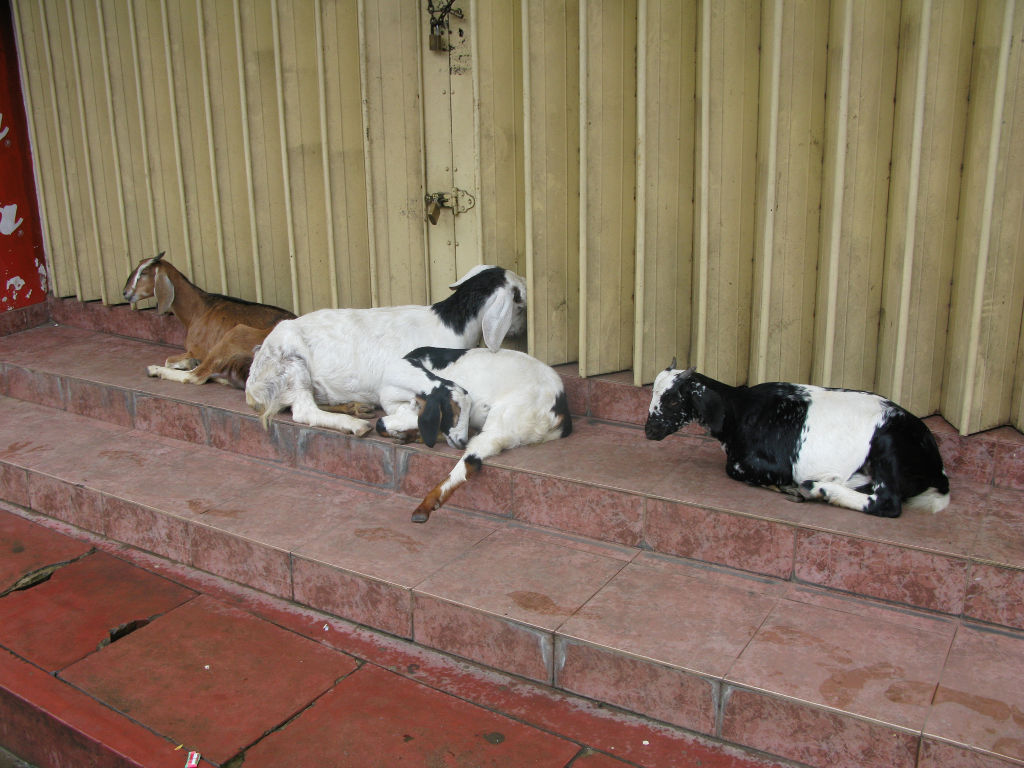
In western countries animals are kept in paddocks and increasingly even in animal “factories”. Here they get to roam about as they please.
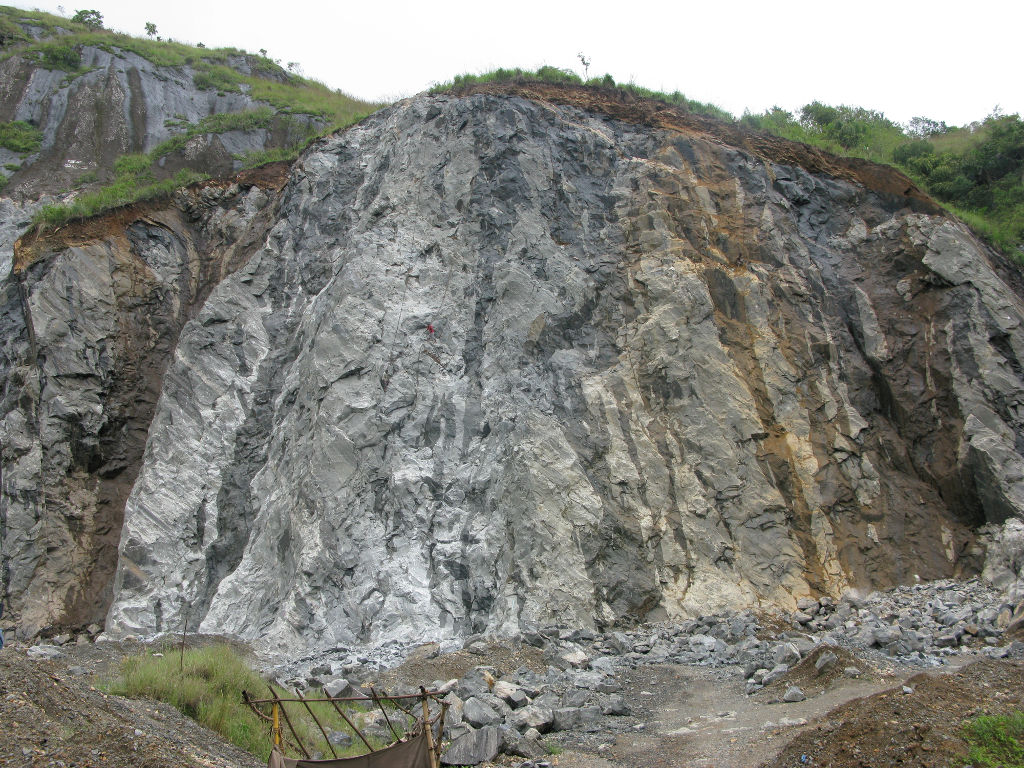
If you look just to the left of centre and up a bit there are men swinging on ropes. They are using crowbars and sledgehammers to break of rocks. What could be more dangerous?
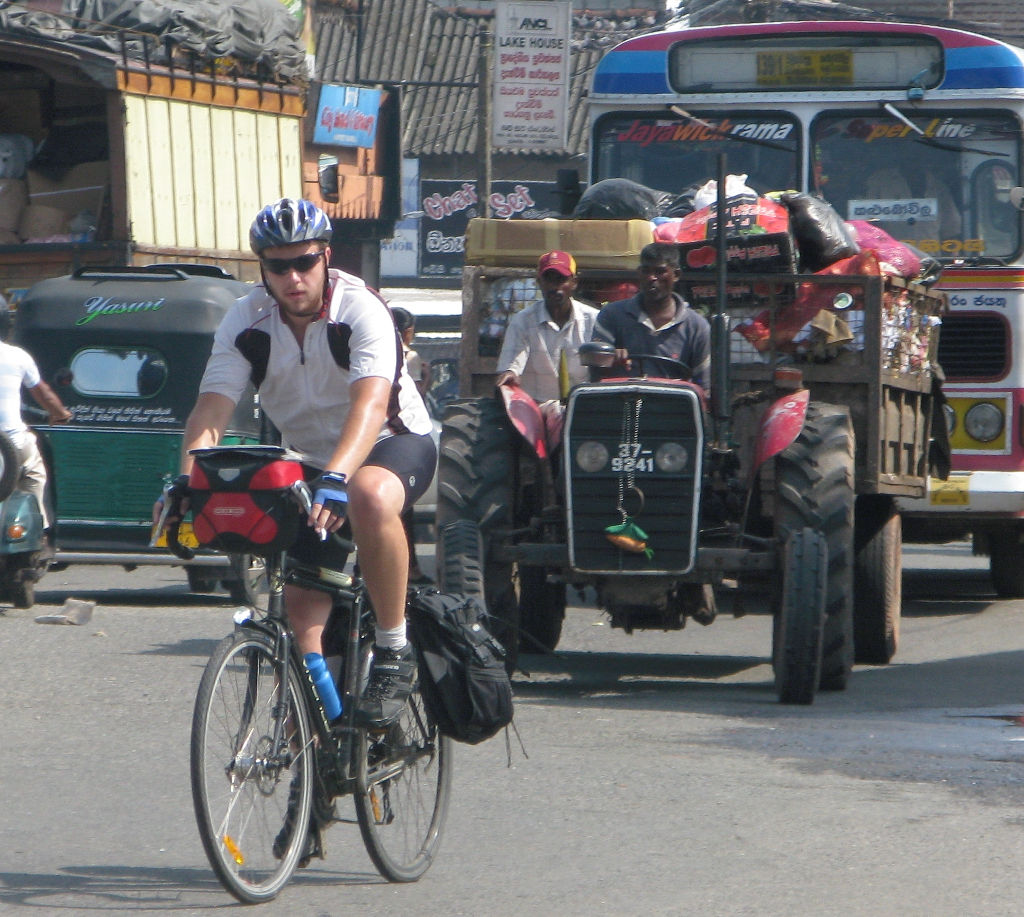
We are on our last day, bypassing Colombo and heading to the airport town of Negombo where our bike cartons are being stored. At the end of the trip, any earlier trepidation is replaced by confidence.
Outside of Heathrow there are busses to many places. I took my bike out of its carton and managed to get it into the luggage hold and soon was in Salisbury. From there I wandered through Dorset, Somerset and the Cotswolds, finally to Bath, catching a train to Heathrow where I was able to buy a bike carton.
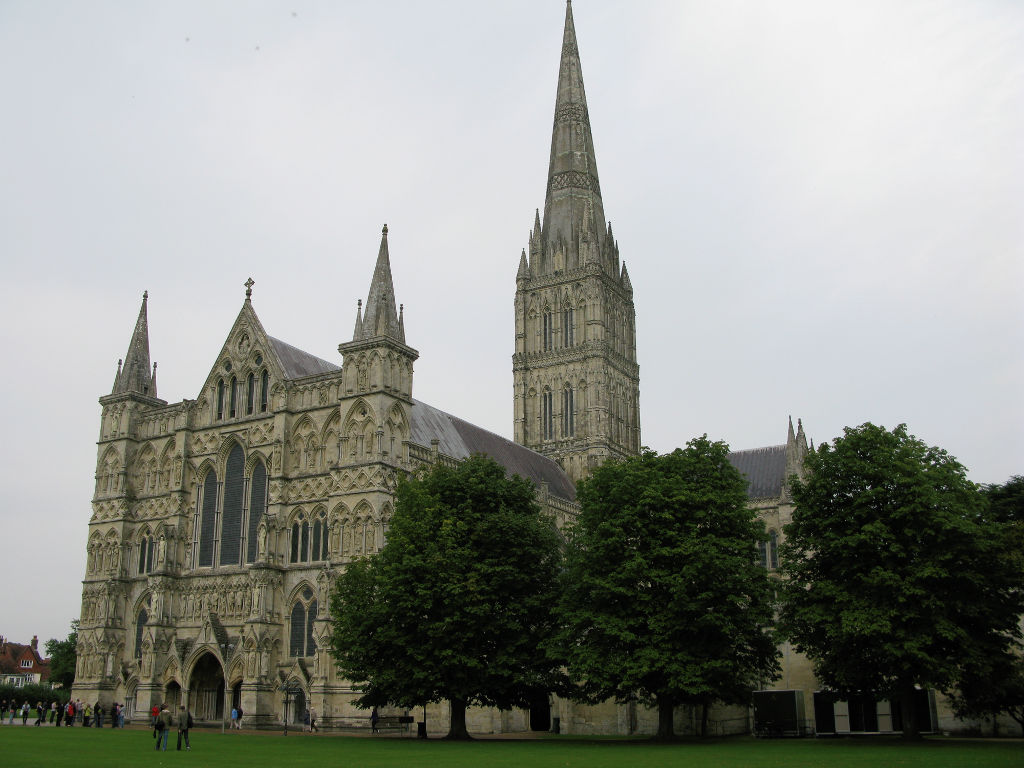
It is amazing to see the commitment of resources to construct a cathedral on the scale of the one at Salisbury. It took generations to build. Today we can’t imagine such an undertaking.
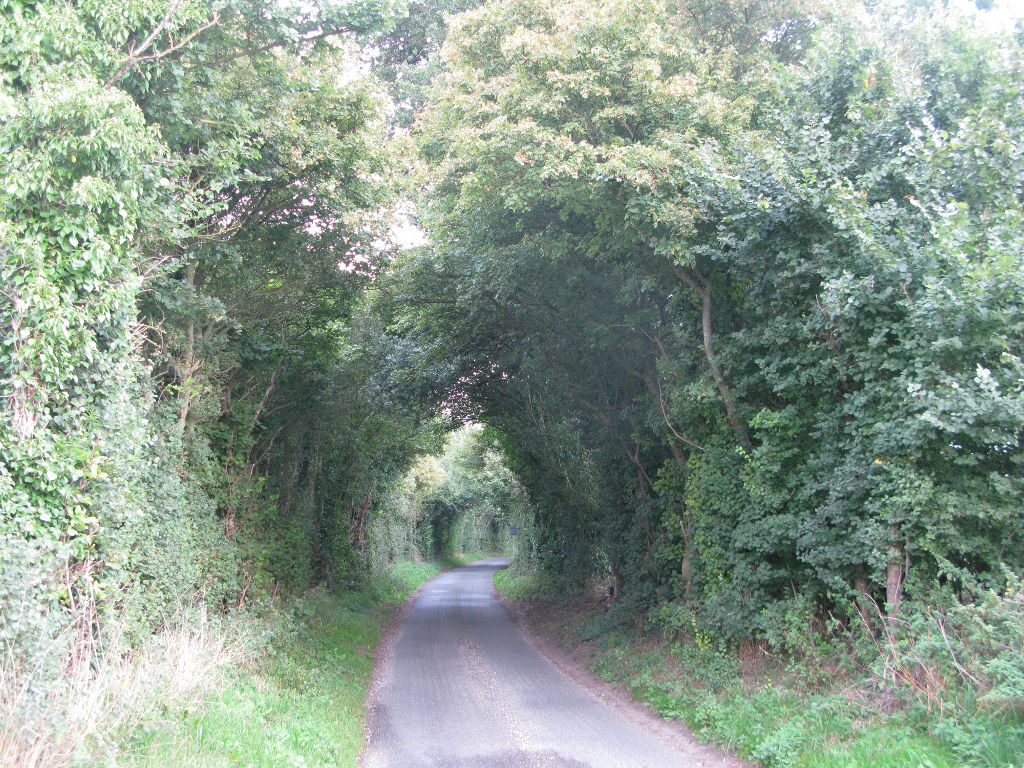
These country lanes are gorgeous to cycle along. There is practically no traffic on a weekday. I don’t even care where it is going as there will always be an Inn further along where I can stay.
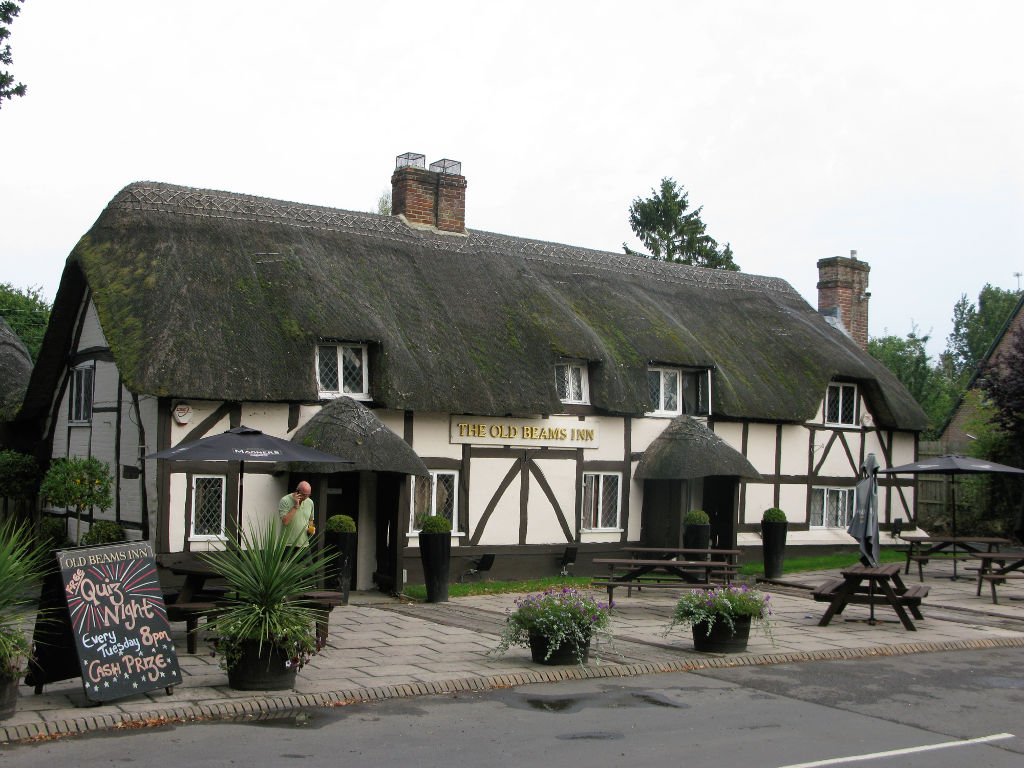
Sure enough, a country Inn with thatched roof and all. The rooms are small, the bed is short, the shower and ceiling too low. There is no wifi. But it is charming and I am not complaining.
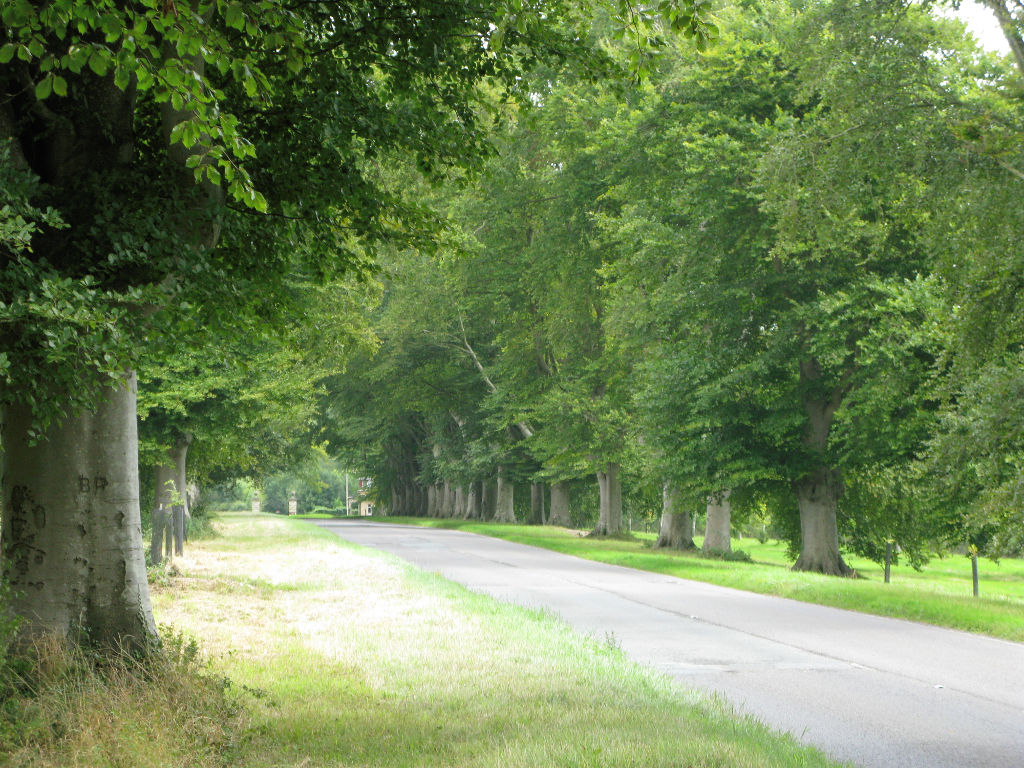
I’ve heard it is cold and rainy here in England but that is not the case for me. It is beautiful weather and the roads are fantastic for cycle touring.
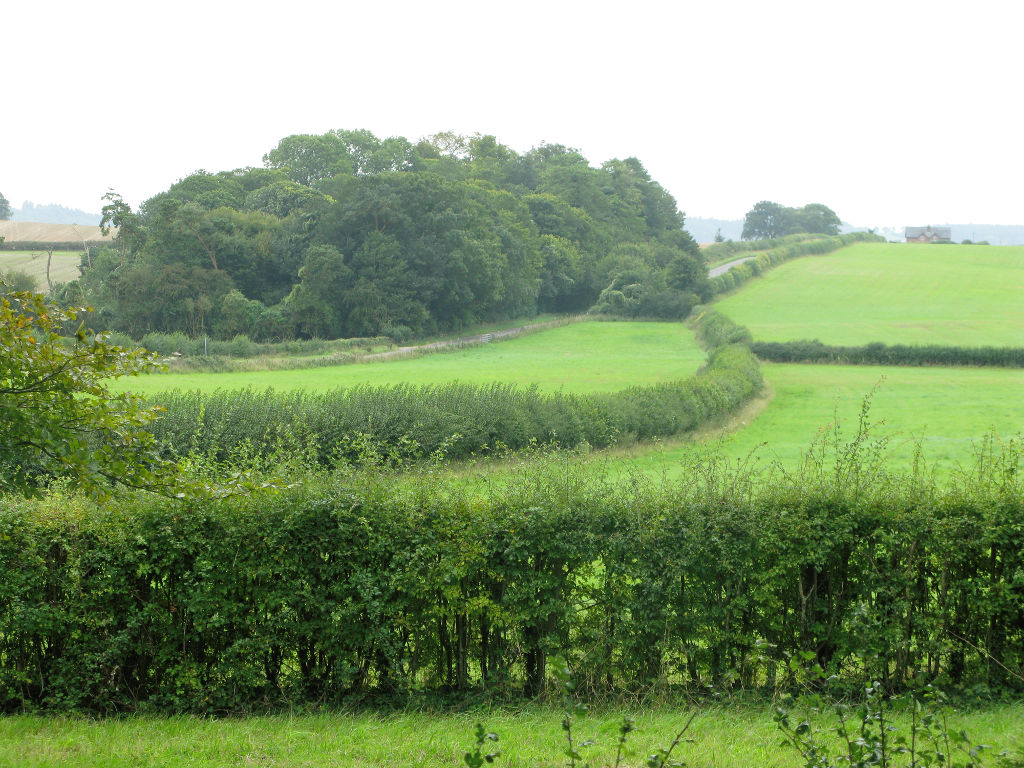
Why bother with fences you have to pay for and maintain when you can have hedges for free. This is hedge central. Second only to New Zealand.
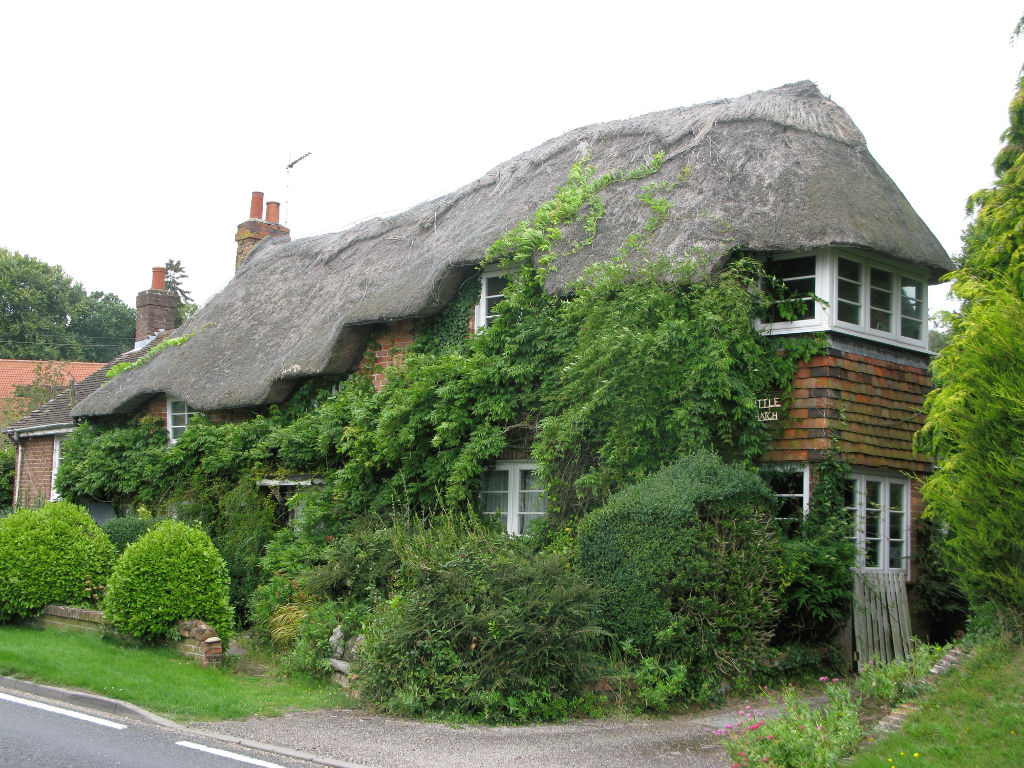
This roofing system is amazing. Perhaps not long lasting as some. Not sure about that. But thatched rooves are beautiful. They are common around here.
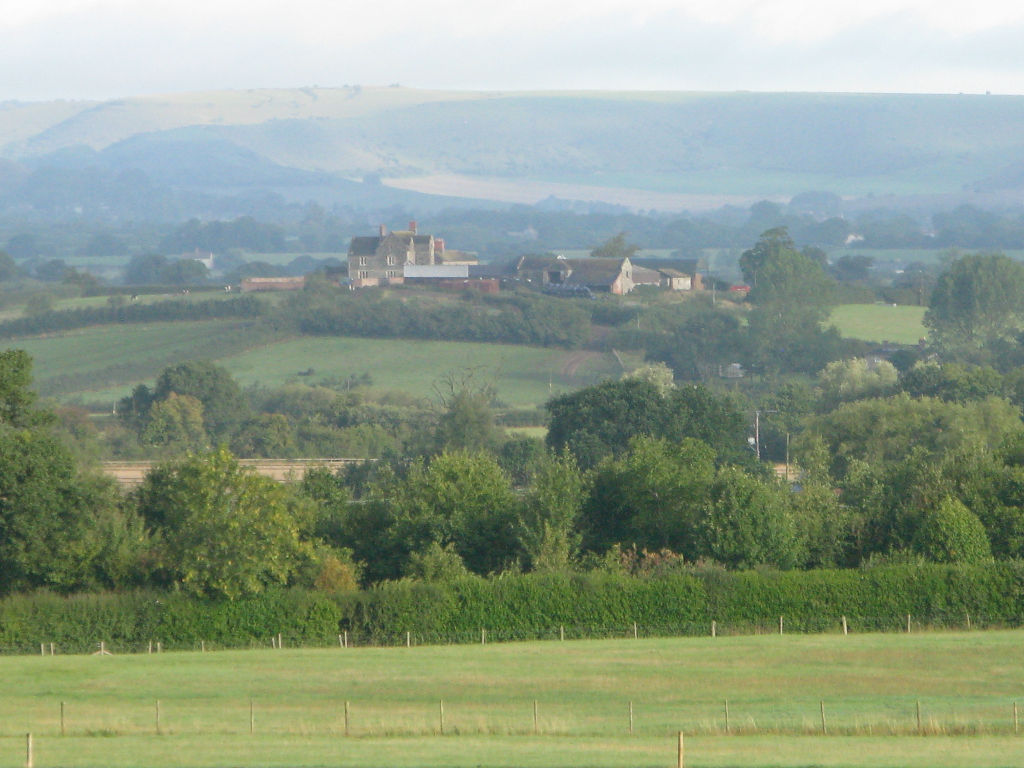
Opps a bit of fencing in the foreground! Every time you climb a hill you know you’ll be treated with gorgeous a vista.
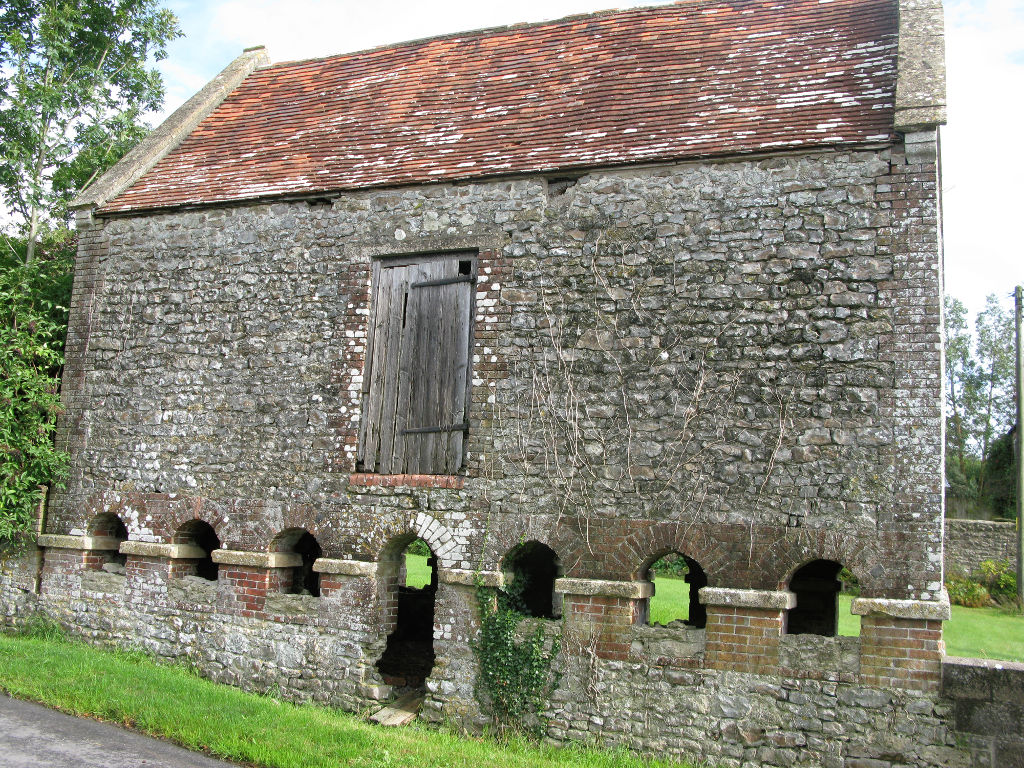
What is it about old stone buildings? The fact that they are made with natural materials and last forever? That you can see the craftsmanship woven into the structure? That they outlast the need for them but remain as reminders of older times?
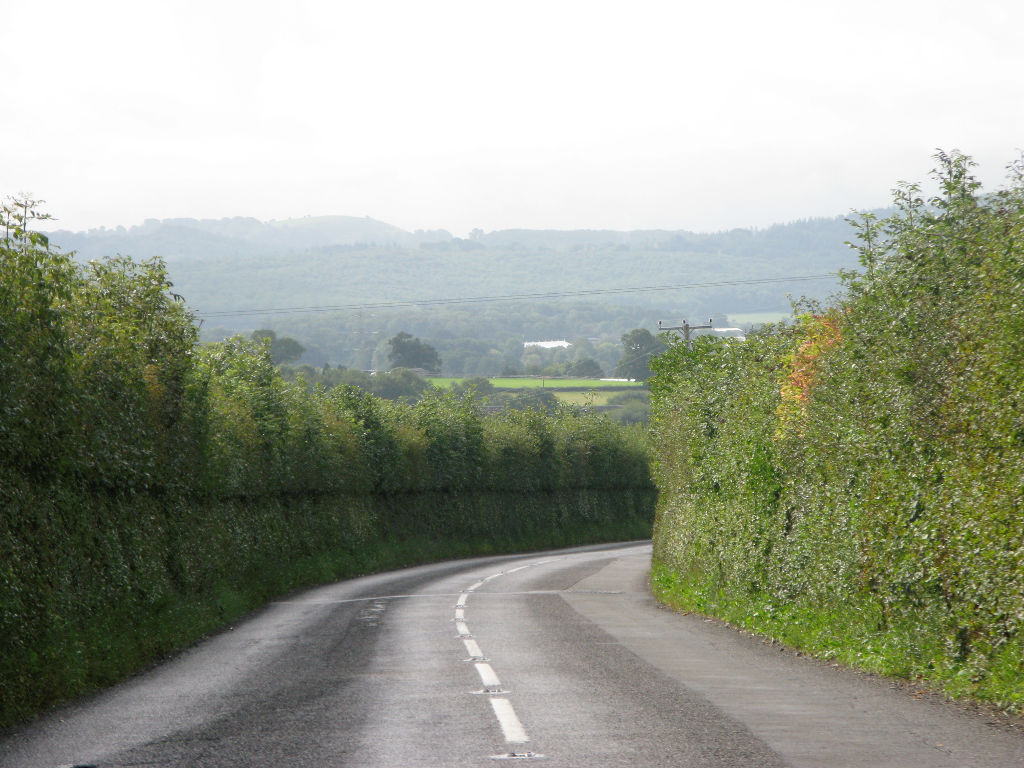
This is a typical country road in the Cotswolds. It would be difficult if there were big trucks or hoons but generally, today at least, there is negligible traffic.
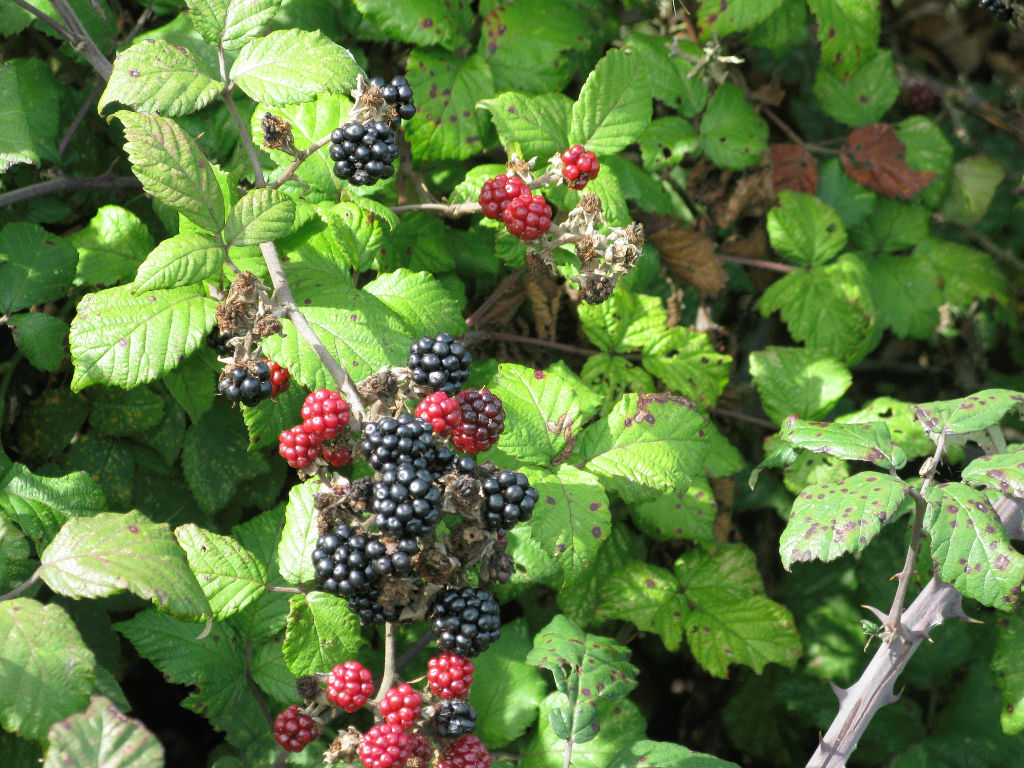
Plenty of roadside fruit for cyclists.
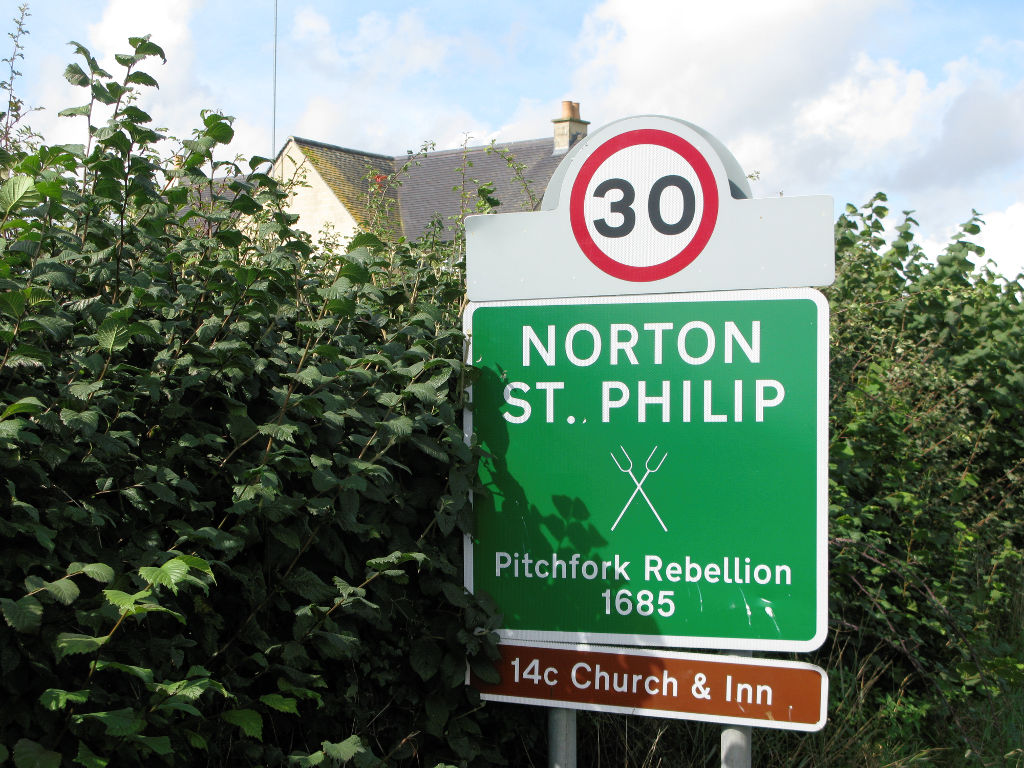
England treats its history with respect. Things we would never know about are signposted and make for interesting reading at night.
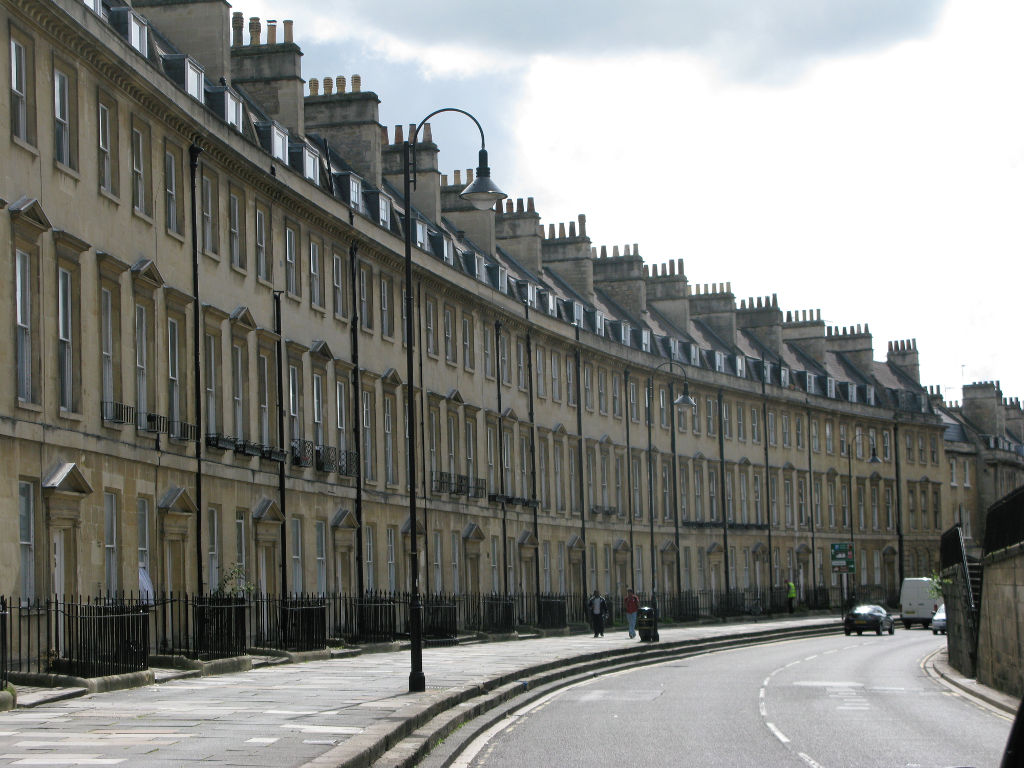
Arriving in Bath. I am amazed by the number of folding bikes being ridden around. The next morning I see why. On the train bound for London several people have folding bikes tucked in beside them while I had to prebook one of the few places available for a full sized bike.
Three of us land in Hyderabad and ride to Bangalore via the west coast. We head west across Gulbaga District to Bijapur, south to Hampi, west and down the ghat to the Malabar coast, south on the coast road to Mangalore, back east up the ghat, through Hassan, and to Bangalore.
Except for the first day this tour is entirely in Karnataka.
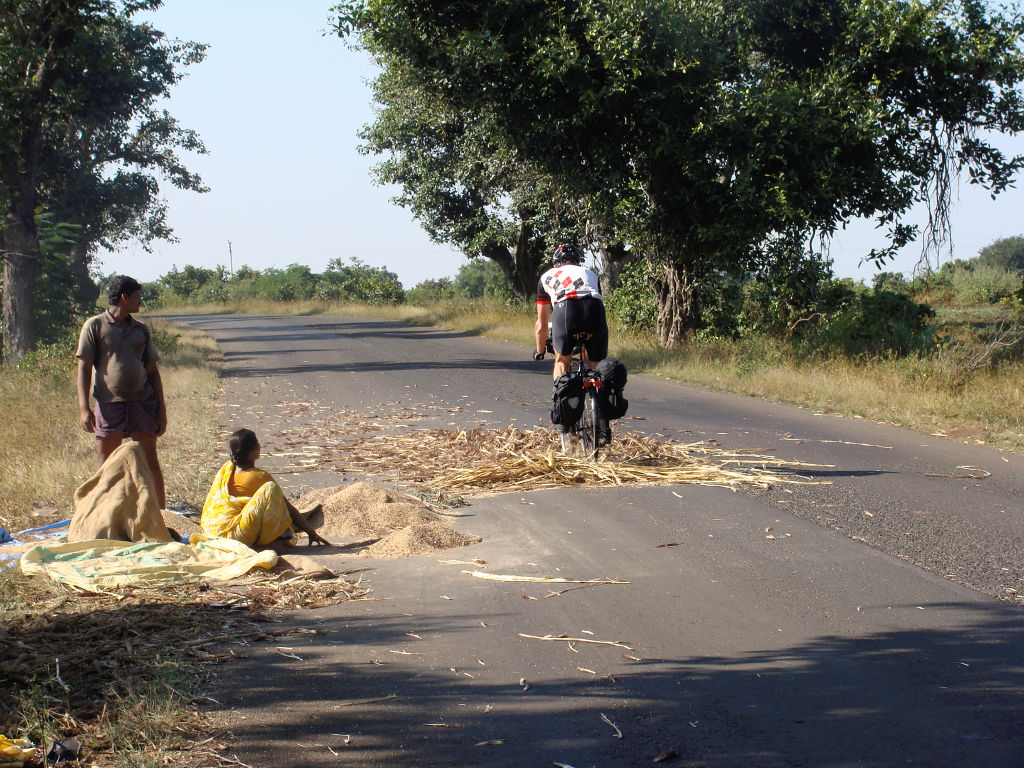
Out in the country in India the farmers scythe the grain crop and then need to thresh it. Some use passing vehicles to do this (to separate the grains from the heads).
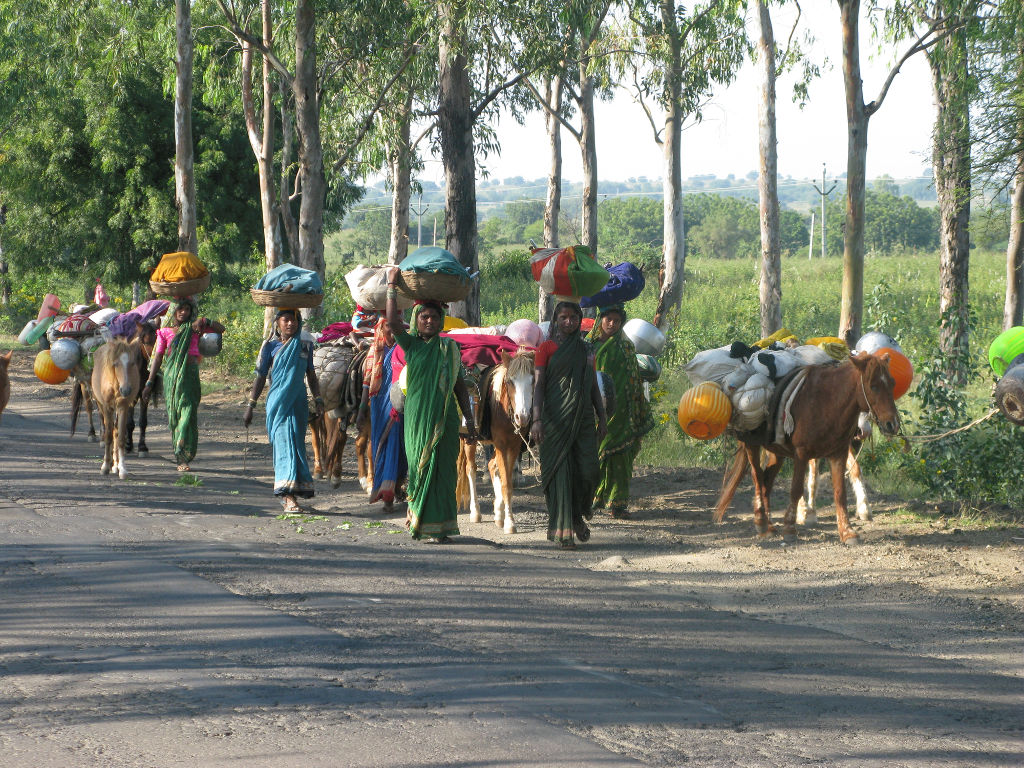
We shared the road with the gypsies today. The men go in front with the goats. They have hooks on long poles to pull down branches. The women follow with donkeys and all their camp equipment and any baby goats.
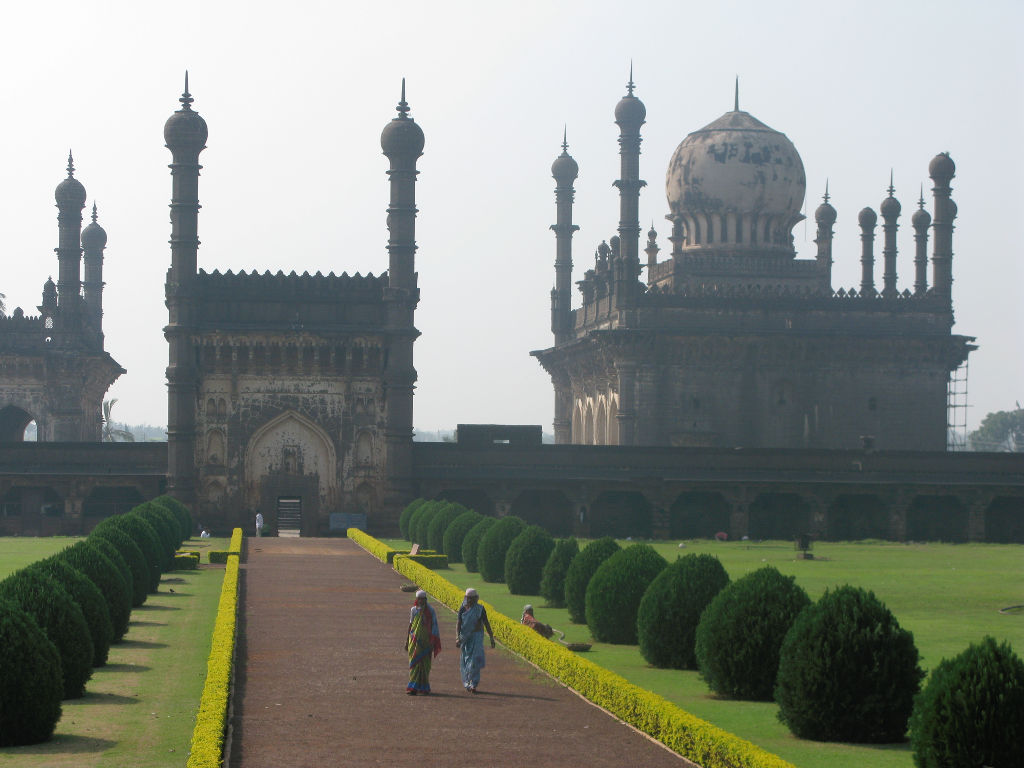
A “must see” in Bijapur is Gol Gumbaz, the tomb that was the inspiration for the Taj Mahal. It was begun in 1626 and took 30 years to build. A 44m wide dome, the biggest in the world at the time and still intact. Its acoustics are so perfect that a whisper on one side can be heard on the other.
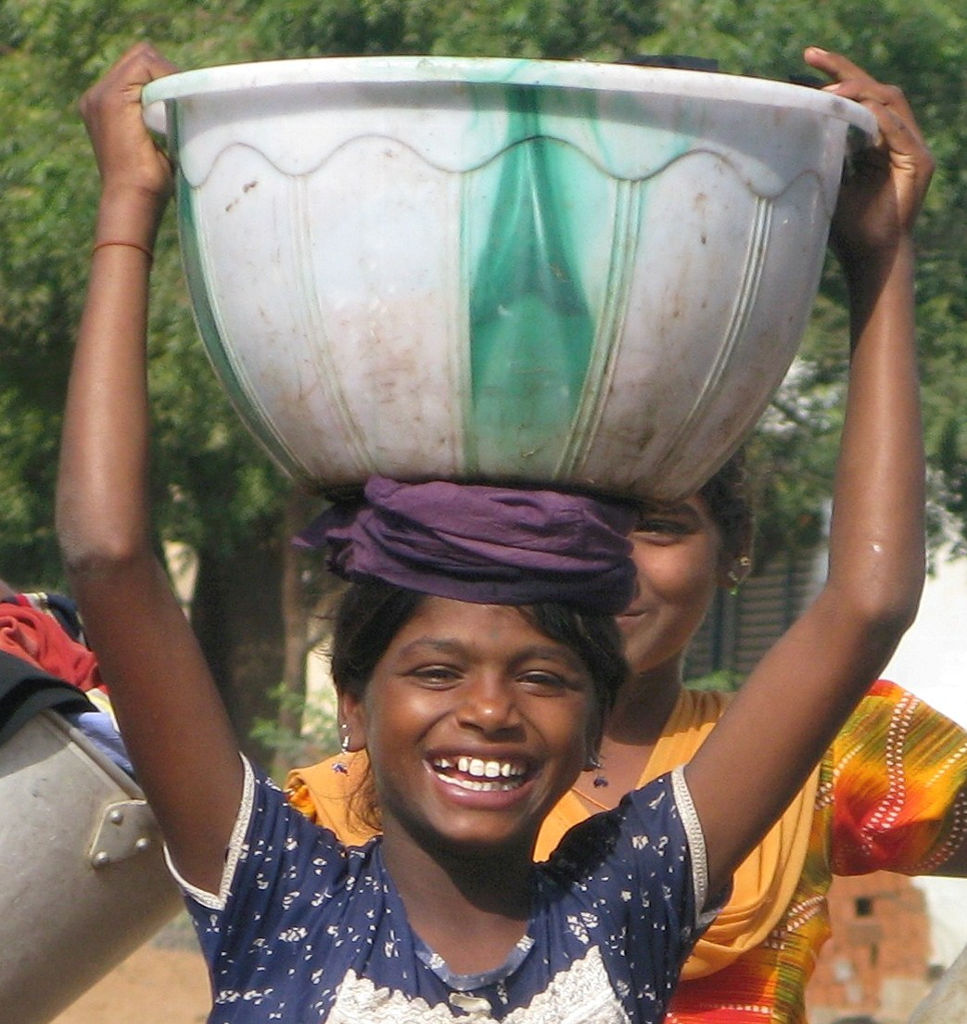
Girl in Kushtagi Karnataka.
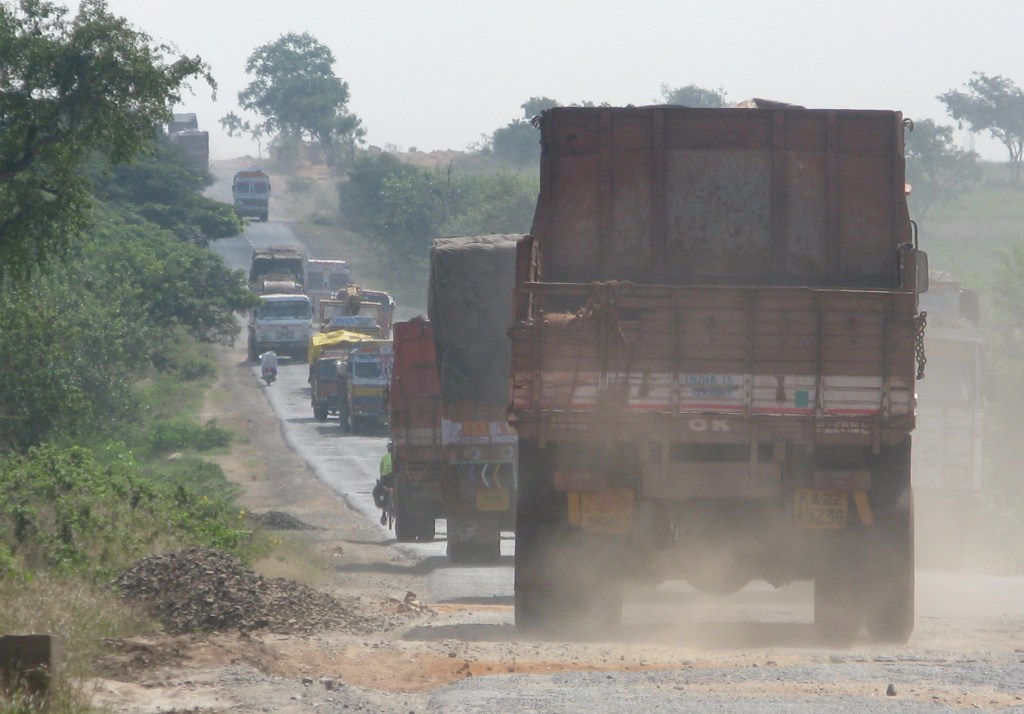
We went down to Hampi today which is a fabulous place. But the particular road was quite toxic around Hospet. You can barely make Kim out in front of the third truck. As scary as this seems, the Indian lorry drivers take care of us and we are not complaining.
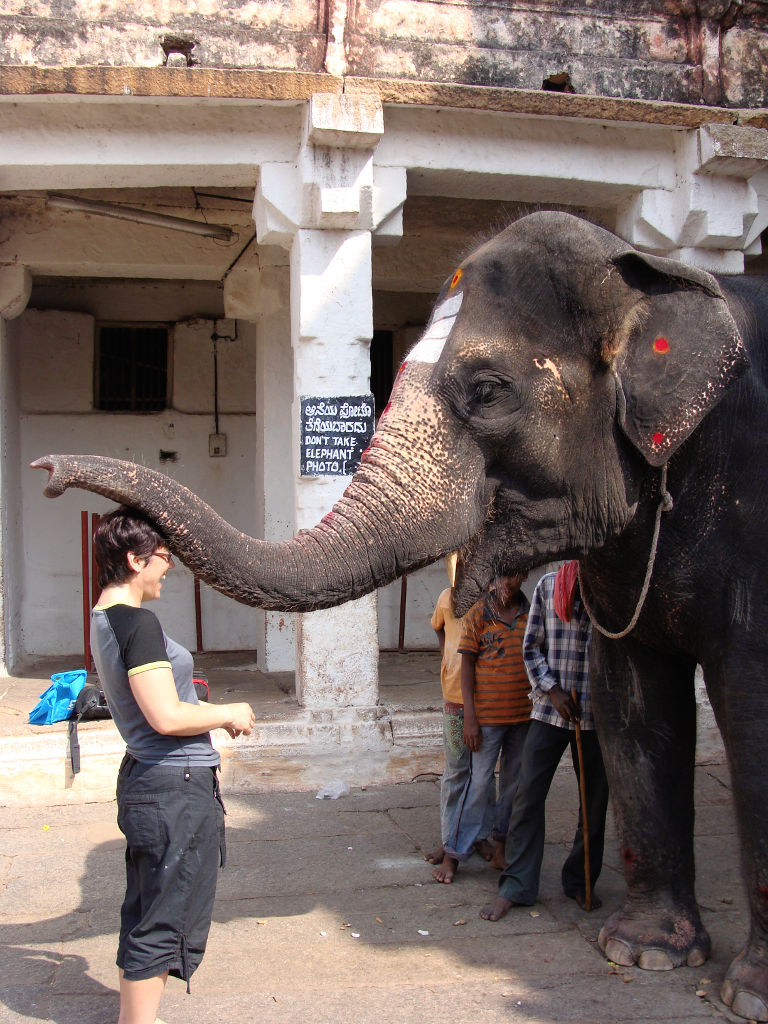
The elephant handlers in Hampi have got it all worked out. Slip them a coin and they give a subtle signal to the elephant and you get a blessing. It is a lot of fun.
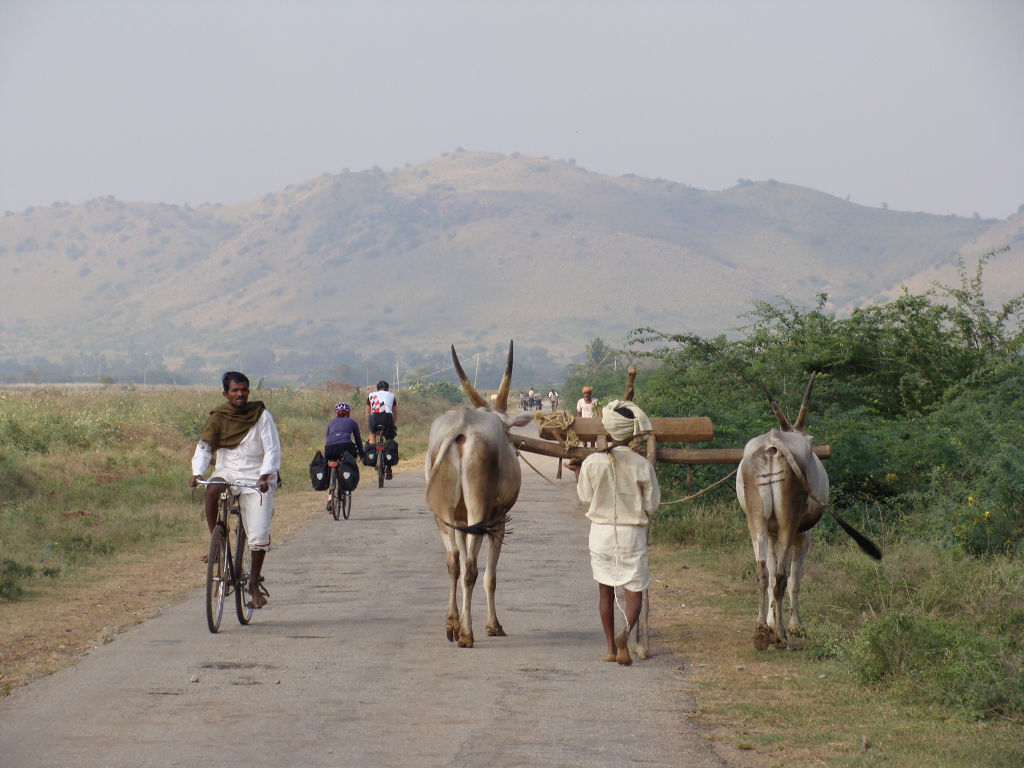
Back on the quite roads again today. The roads are a bit crappy but 35c tyres do well. Punctures are extremely rare in countries where there is a lot of walking and cycling.
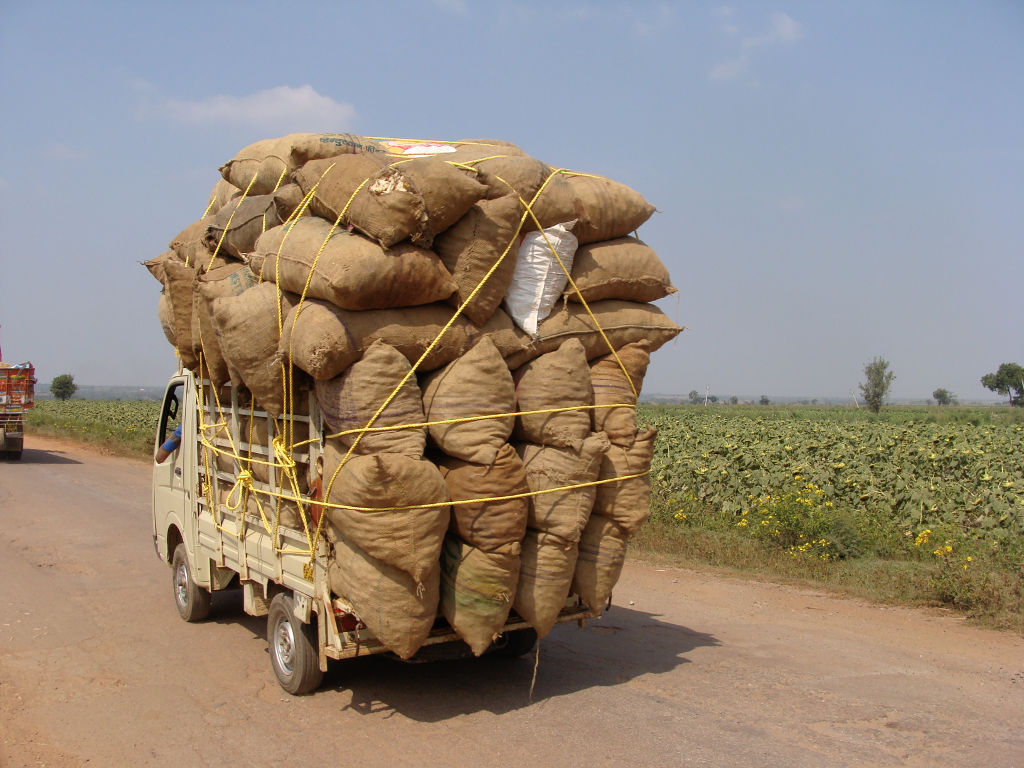
Big load shot. Small vehicle category.
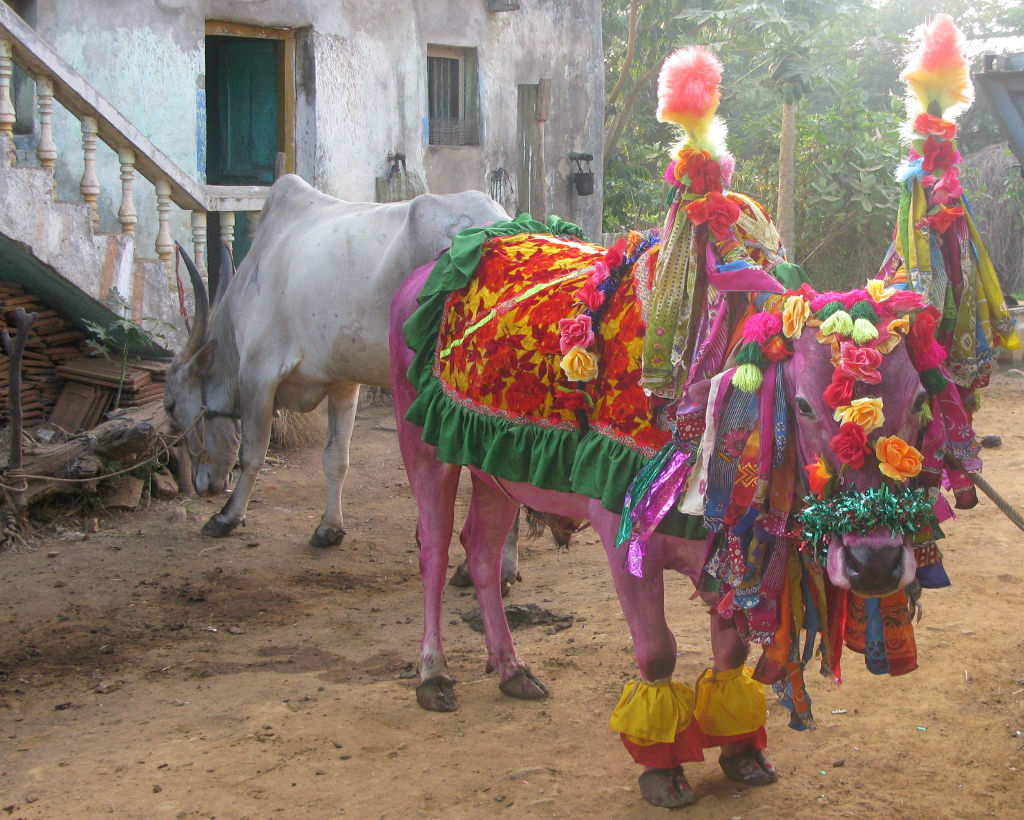
There must be a festival tomorrow. This bull has been prepared for some big procession. They love their cattle. Quite a way to show it!
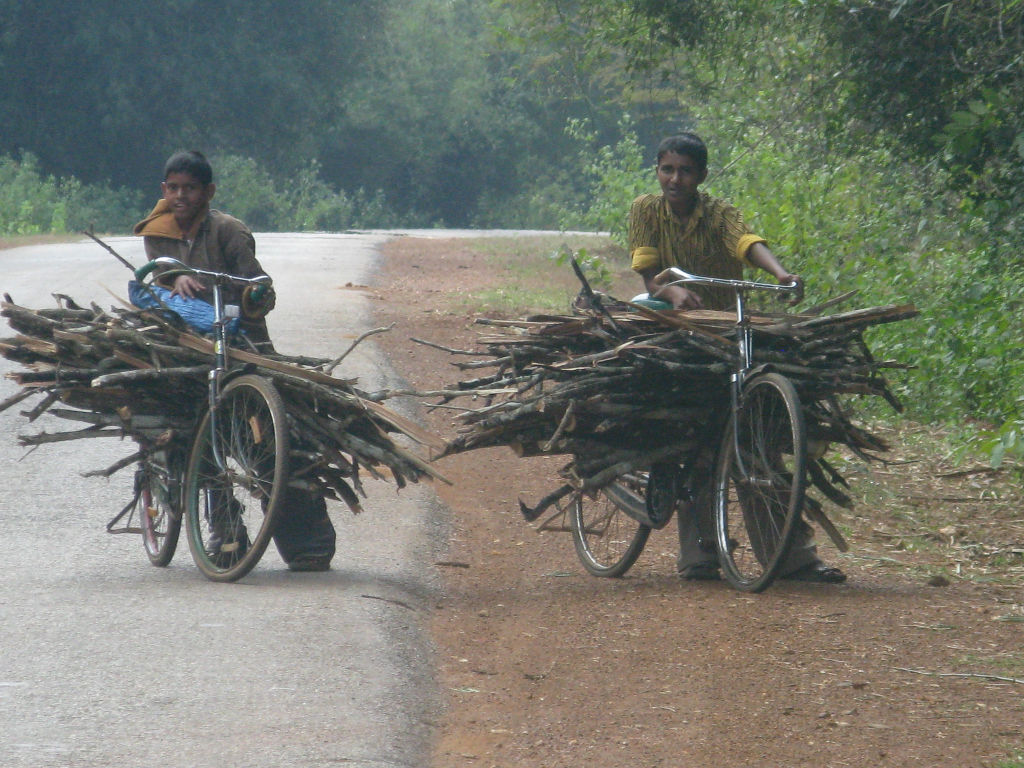
This is a common way of using a bicycle out in the village areas of India. The boys can carry a lot more than they could manage to have on their heads. They just wheel the bikes back to their homes.

Travelling down the west coast, each river bridge has to be inland to allow it to be shorter. So its fresh water and this makes for sand usable in concrete. Boats carry the hand-dredged sand to jetties.
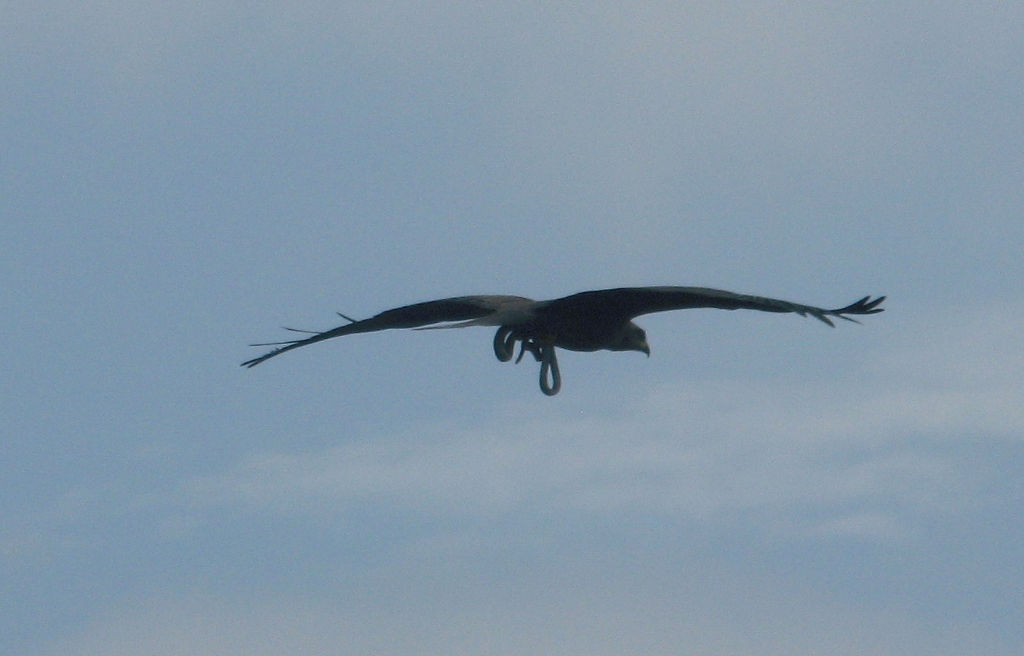
It is always hard to get shots of eagles so I was very lucky today to catch this amazing bird just after I’d seen it swoop down and grab a snake.
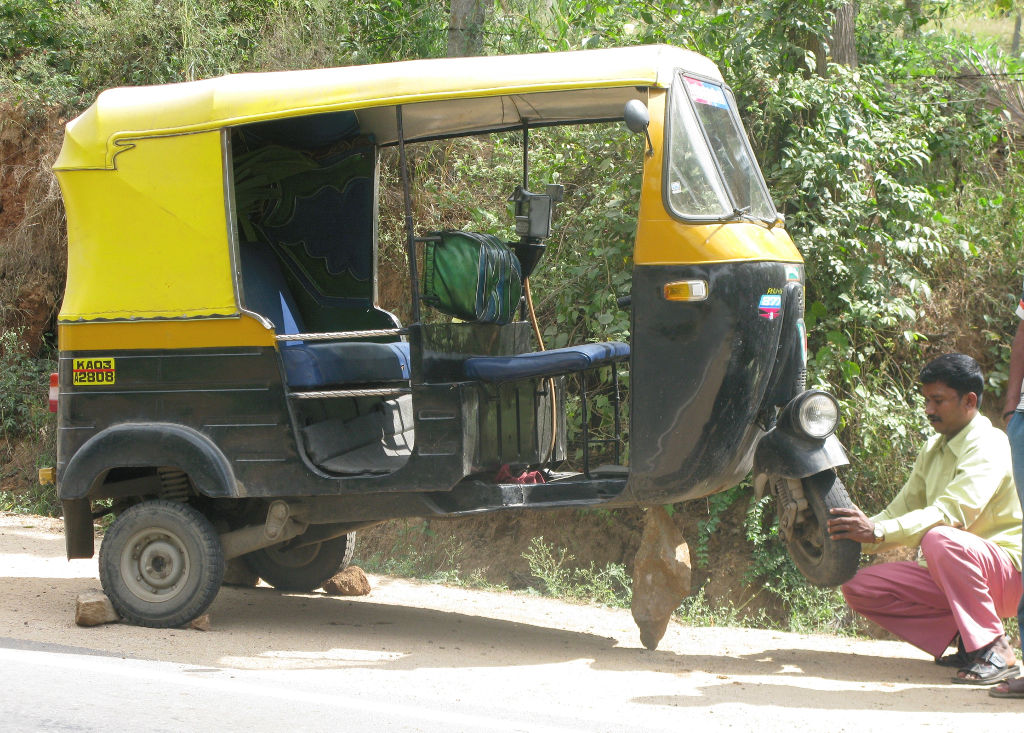
Cycling in India reveals the ingenuity of people as they confront simple daily challenges. We have a common bond with them as we use our own power, we sweat, and we have our daily problems and successes.
A trip to Eurobike in southern Germany, using a return flight to Frankfurt. With my bike still in the carton I bought at Sydney airport, I catch the ICE train to Ulm. 140KM from the bike show, ride to the show, stay at the camping there, then get regional trains to Nuremburg and ride west through Wurzburg to Frankfurt, get a carton at the airport and return to Sydney.
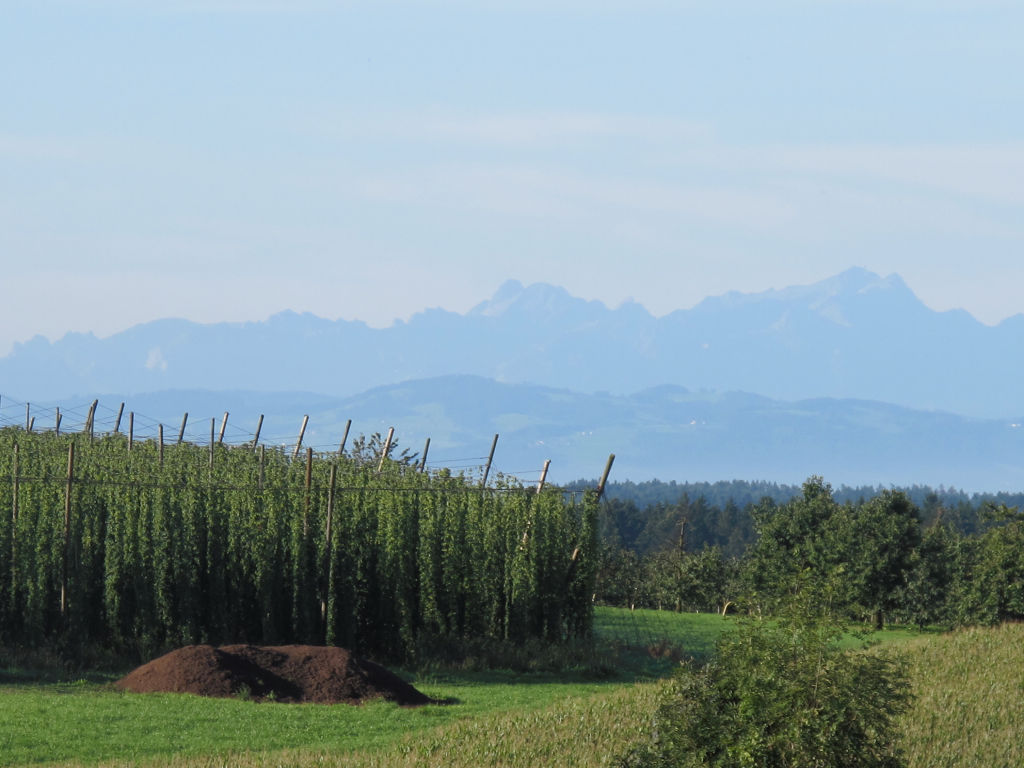
There is nothing like a long bike ride after a long flight to get you into the time zone. Descending down to Bodensee through hops and apple farms I know I am almost there.
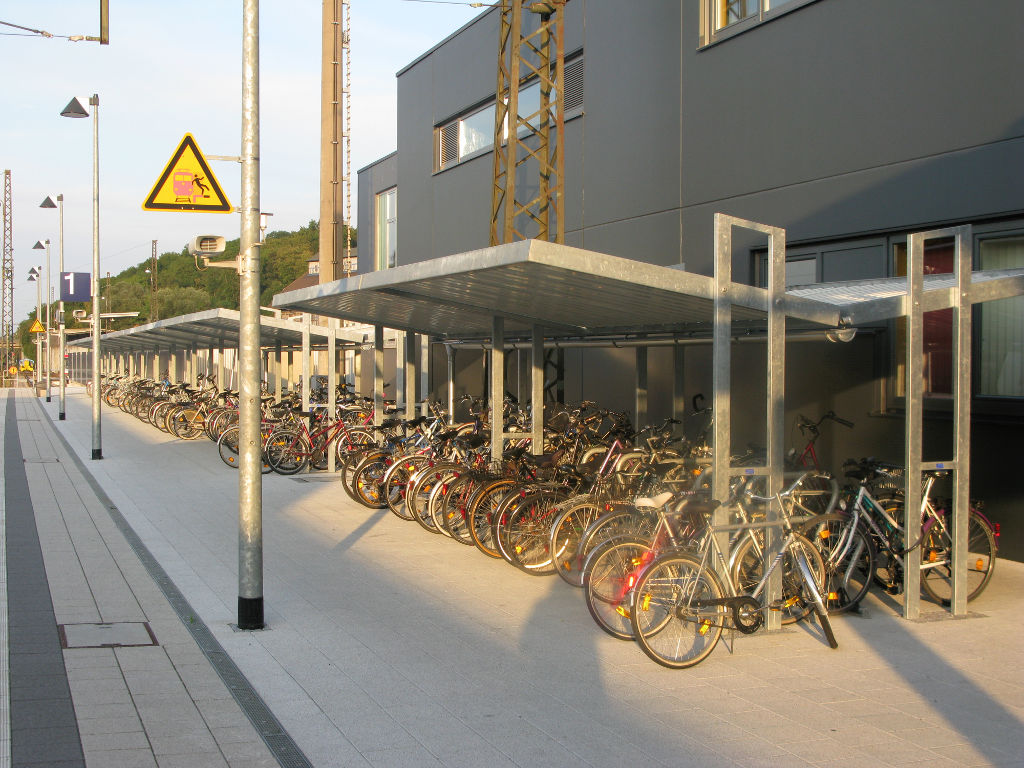
On the train NE to Nuremberg’ stopping at many stations, the number of bikes parked at each one is amazing.
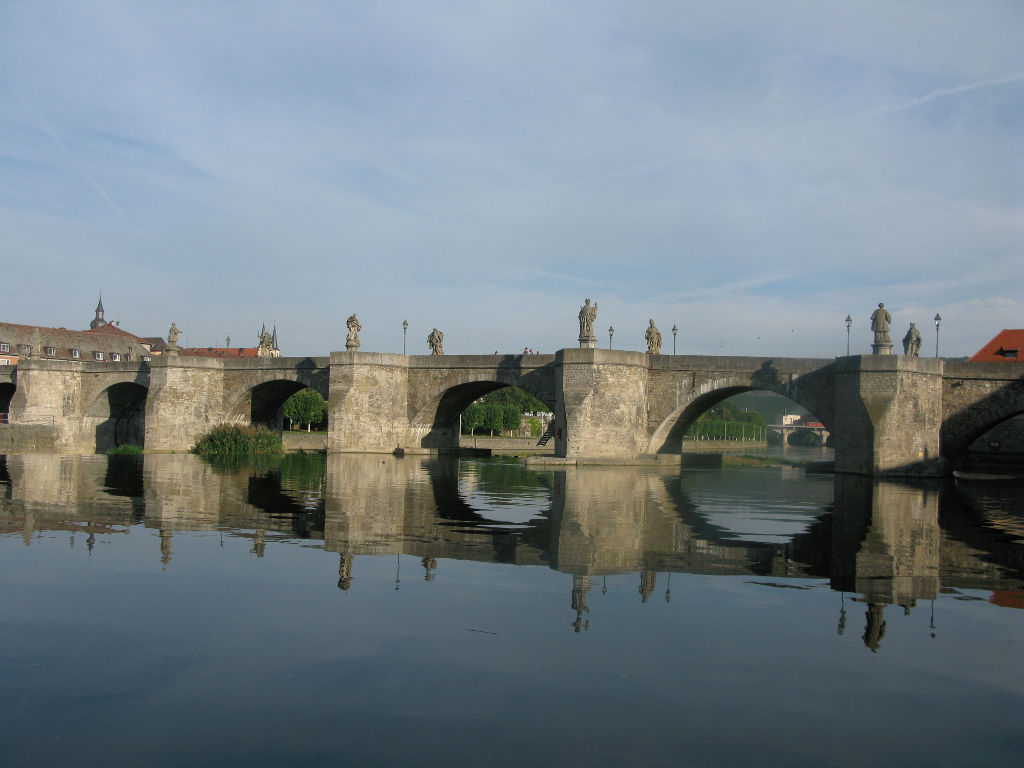
Riding in Germany, indeed in much of Western Europe, one is regularly treated to surprises. Arriving in Wurzburg an example of that is this beautiful old bridge with statues of saints on each side.
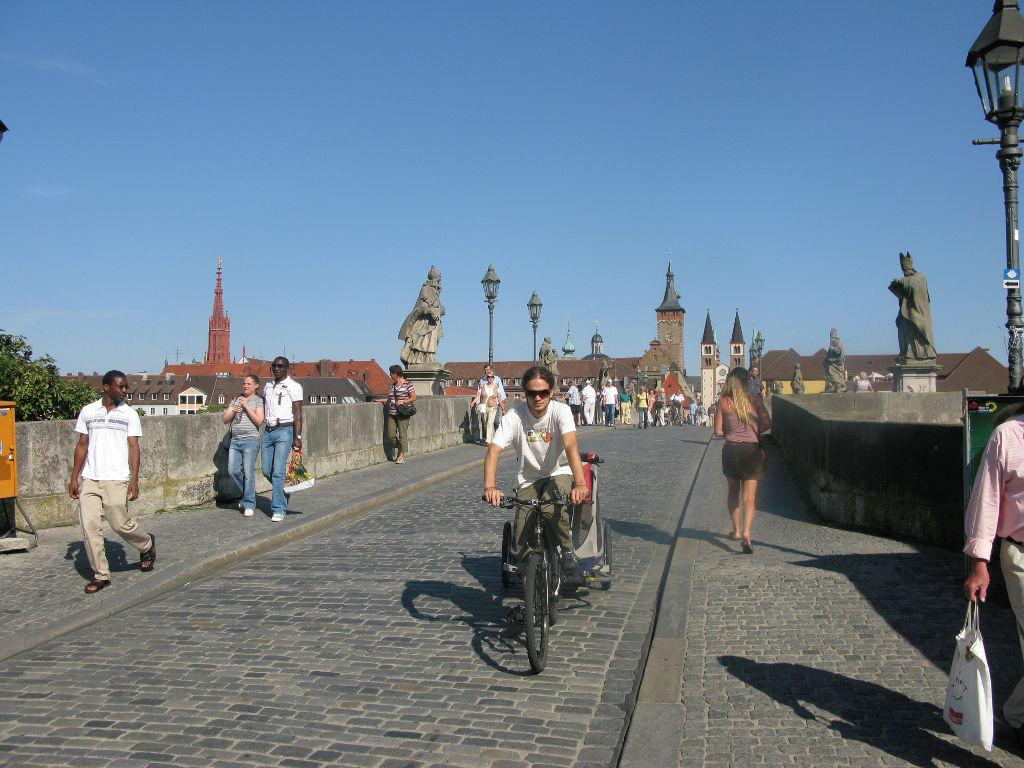
The bridge was destroyed in WW2 and completely rebuilt. Now it is just for pedestrians and cyclists.
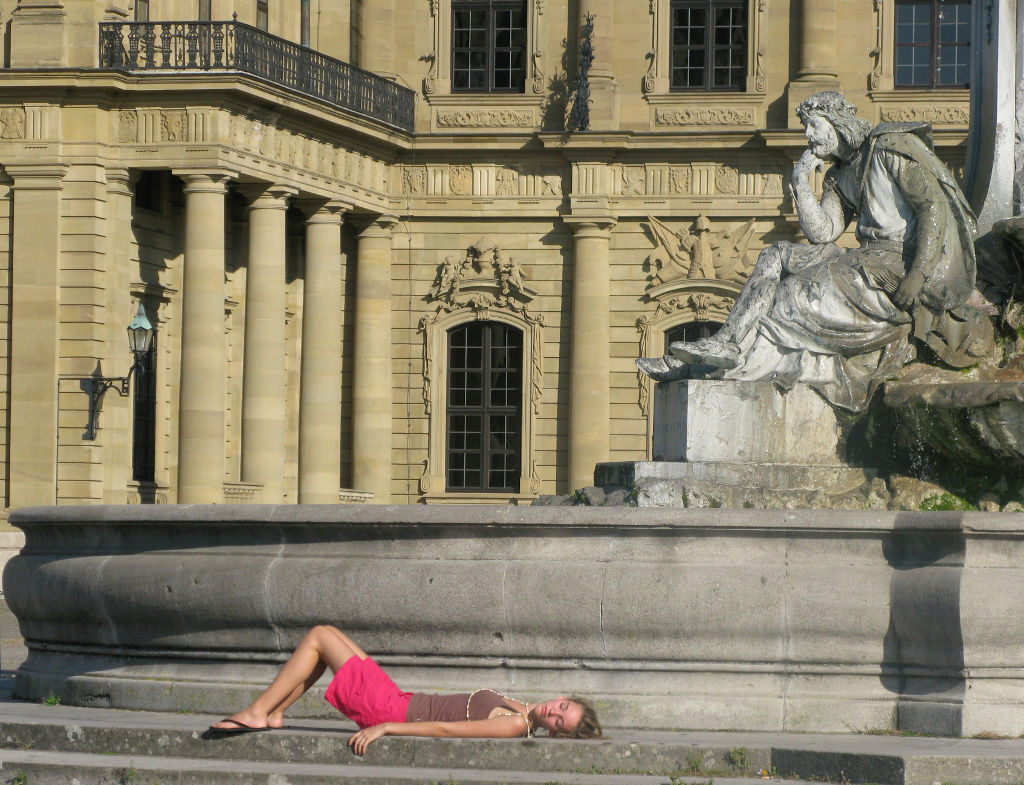
In the town square a woman basks in the sun.
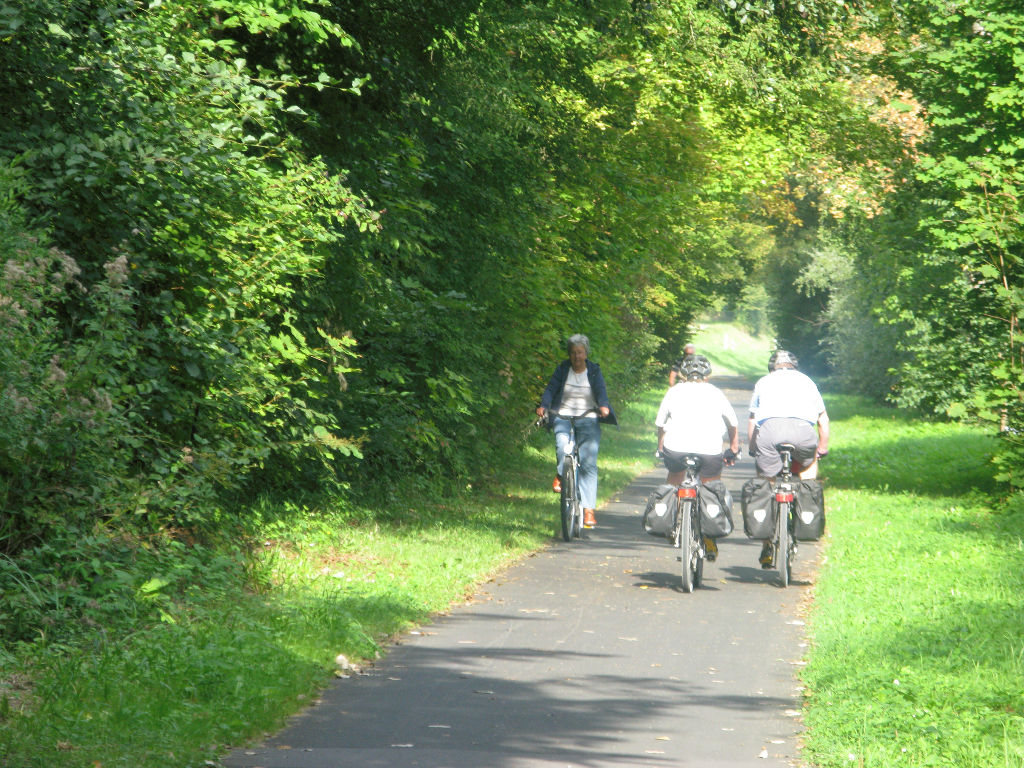
Leaving Wurzburg. It is always nice to see other touring cyclists.
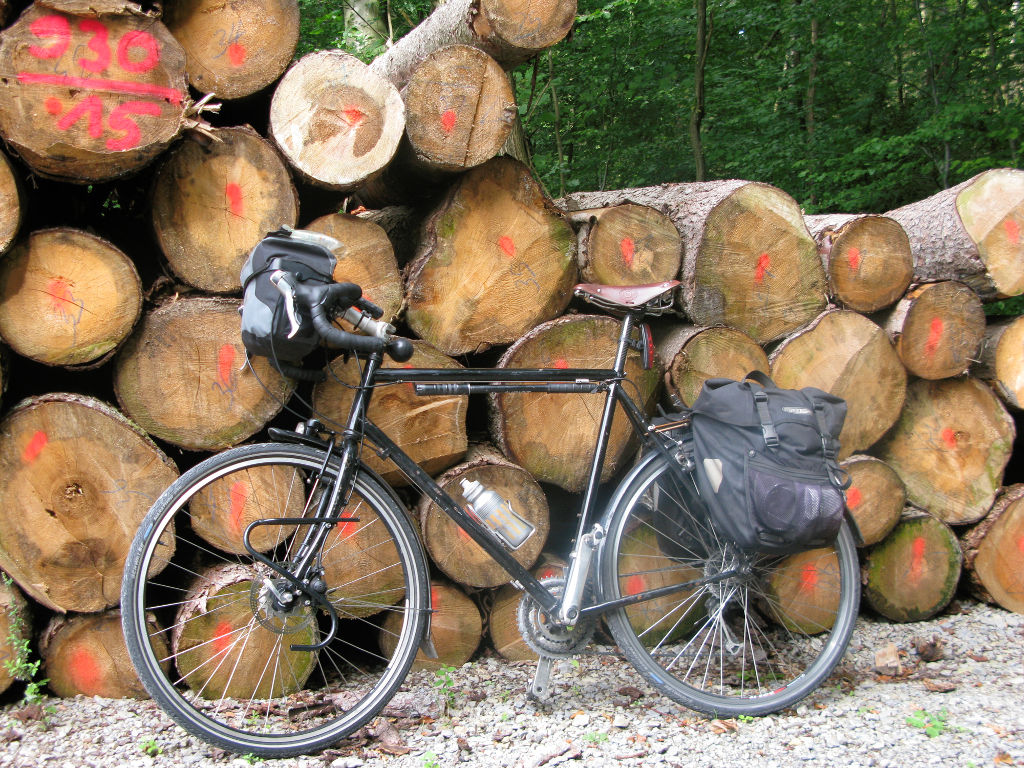
Crossing through forests to another valley. My frame is a test version of the Ritchey coupling system, rear cantilever brake, Tiagra shifters, Taiwan leather saddle. This is the first of three of these saddles I try and they all broke.
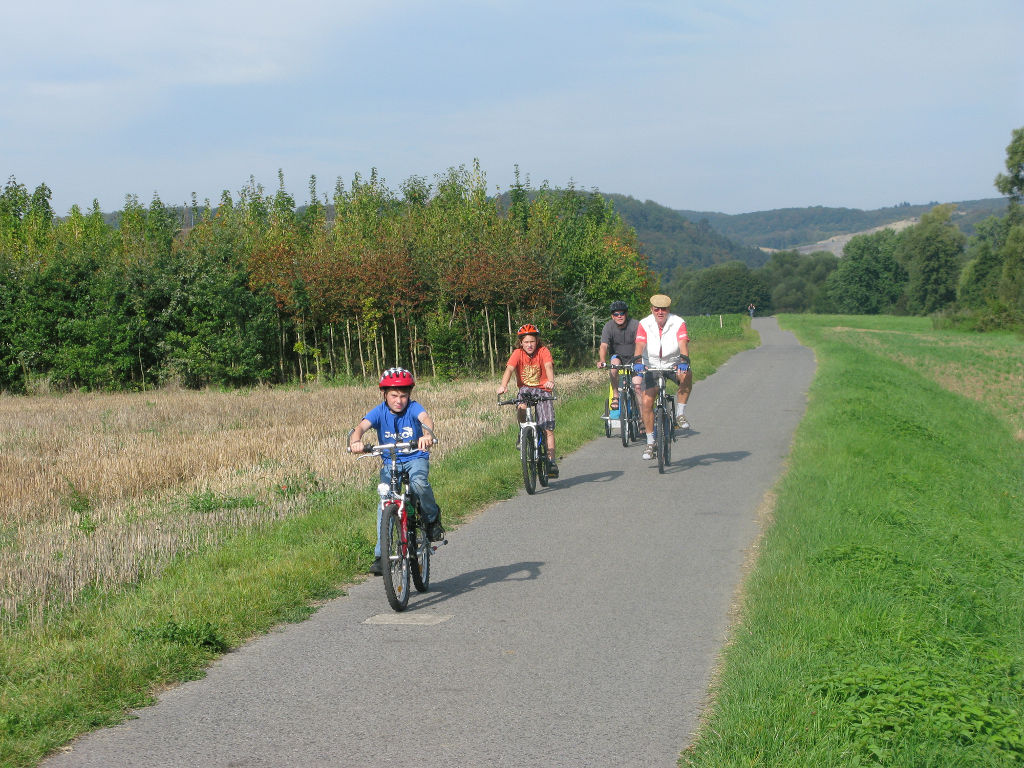
Heading west on bike paths past families doing what German families do..ride bikes.
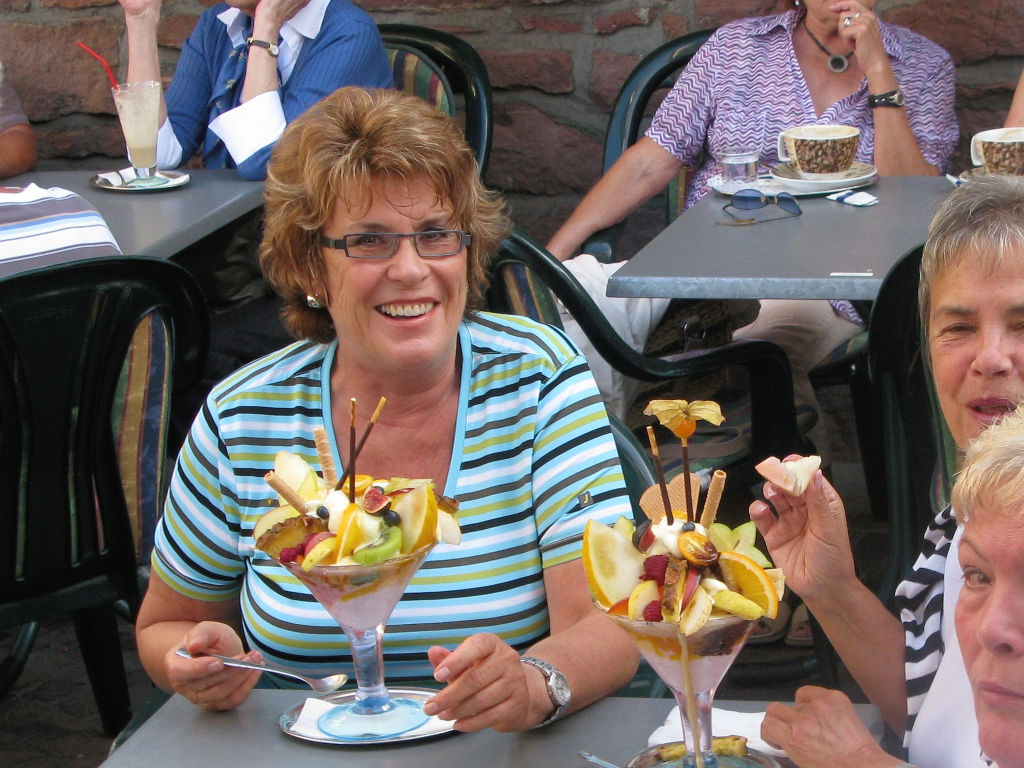
After following a canal for some distance and wanting to get to the other side, there is a lock. While the cruise boats are raised to the new level the tourists eat ice cream sundaes.
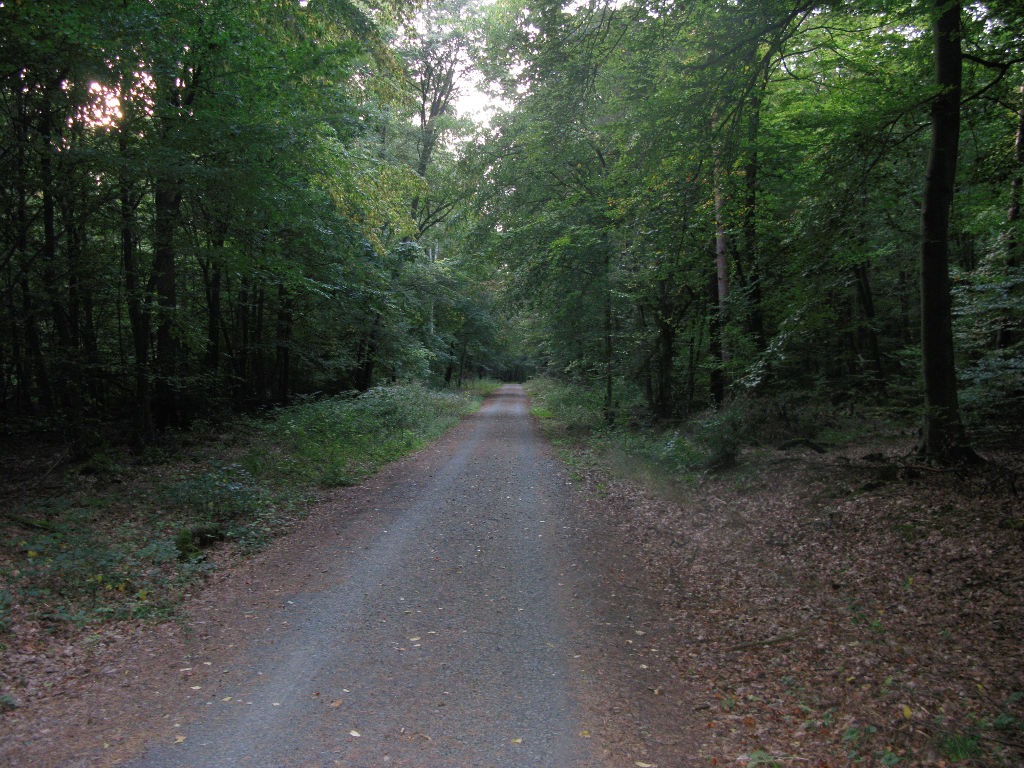
In the forests surrounding Frankfurt airport I can hear the planes. It must be here somewhere.
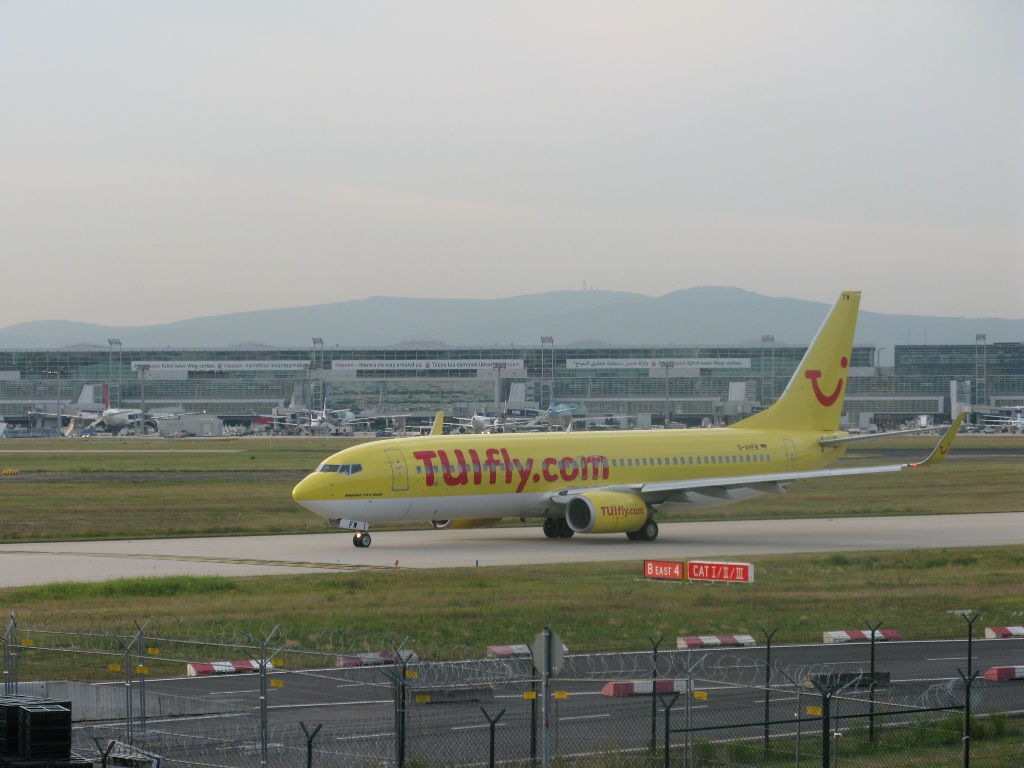
It is the destination, but I have to ride another 15km to find the correct entrance. Mental note…figure out how to use a gps device!
Landing in Istanbul we caught ferries across the Marmara Sea and did a loop from Yalova to Bandimar. South from Yalova, around the east of Iznik, through Simiv and Silihli to Izmir. Then up the Aegean coast as far as Havran then over to Bandimar. I managed to exceed 80km/h on one of the descents. In 14 days of riding the accumulated climb was over 10,000m.
Turkey is Hilly
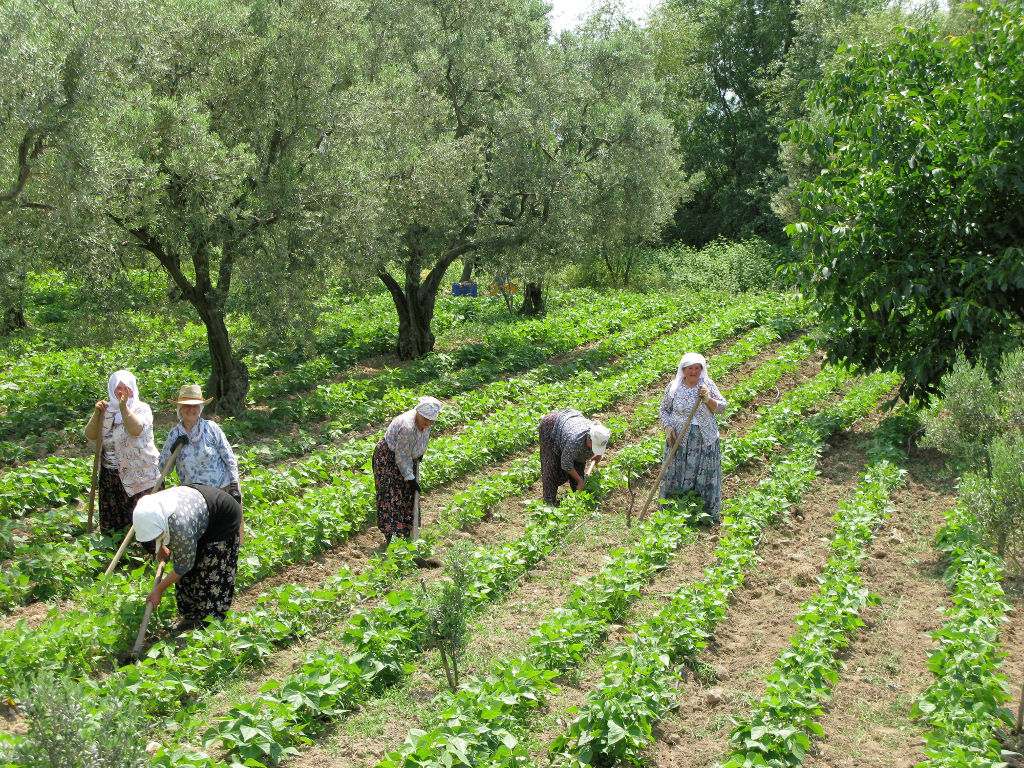
Passing around the north shore of Lake Iznik the farm workers are chipping weeds in the beans.
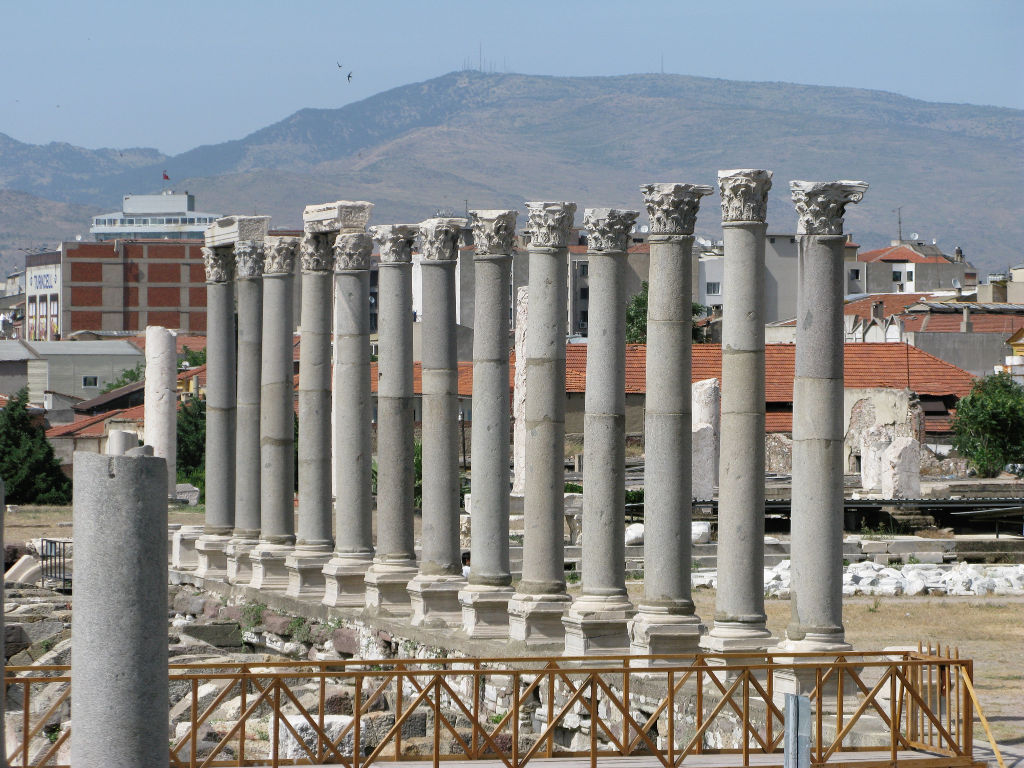
Modern day Izmir is built where the ancient Roman city of Smyrna was. We came through Izmir in the middle of the day not stopping, and not wanting to have to stay in a big city.
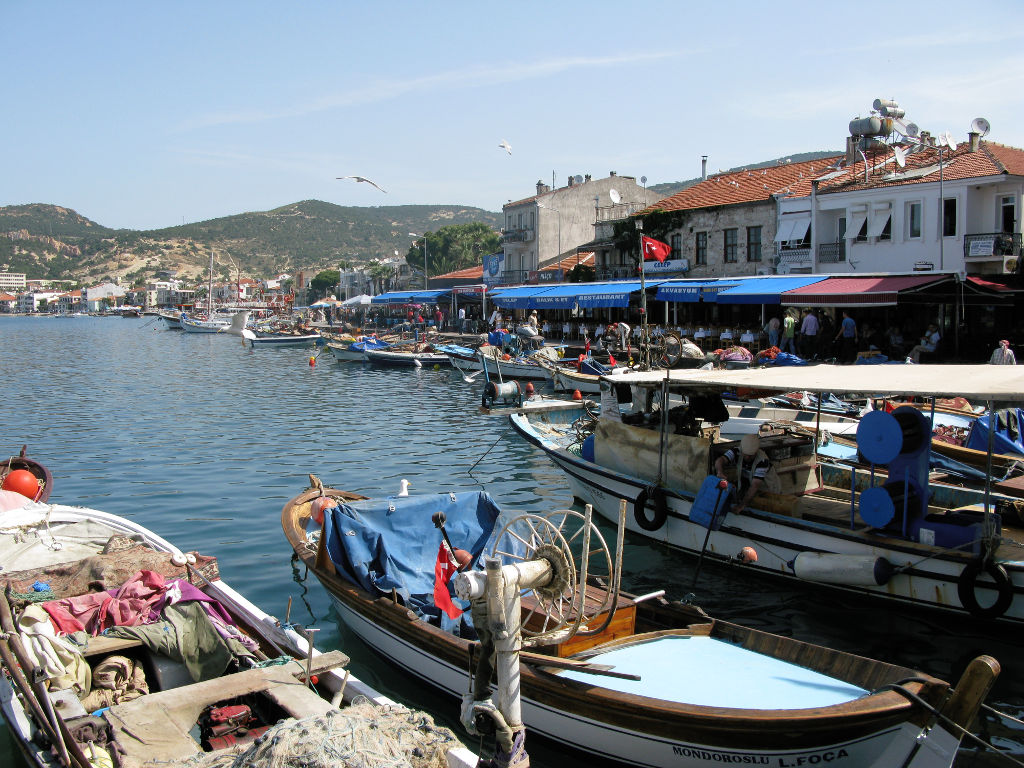
In Foca the next morning. Last night it was getting dark when we arrived. The day was memorable for the worst dog chases I’ve ever experienced. In one case going past a service station, the staff did nothing to stop it. The other was a pack of four big wild dogs racing on the far side of a canal to get to a bridge ahead. We were all going about 20km/h in a headwind. A bus driver realized what was about to happen and intervened.
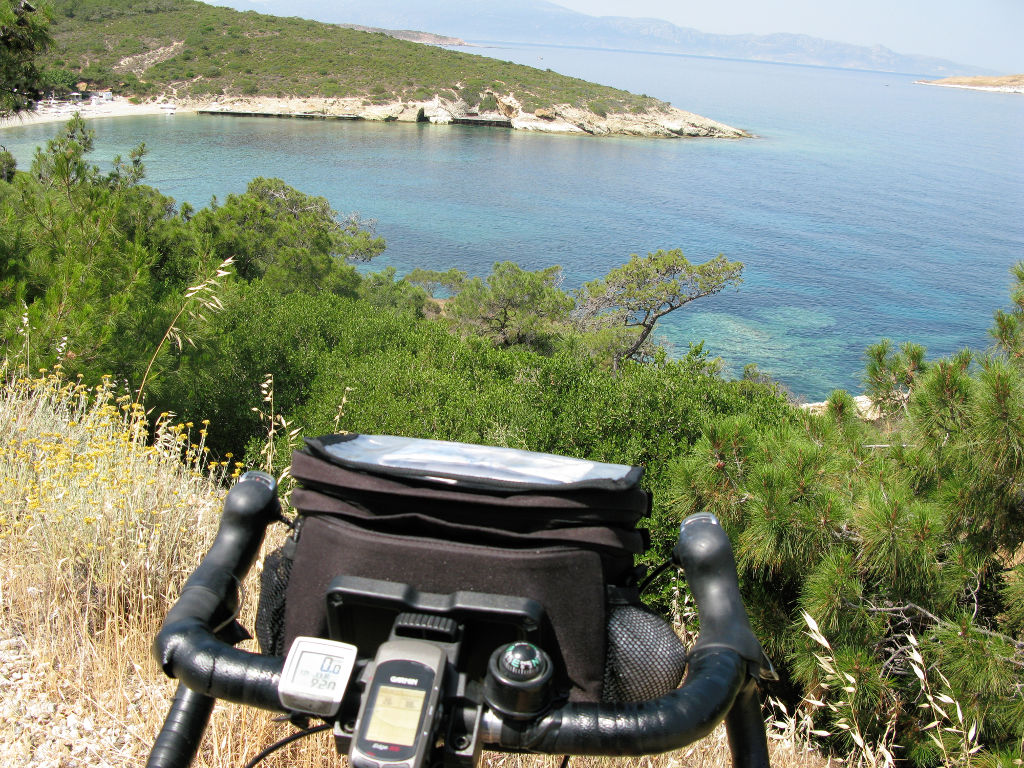
I’ve got a gps on this trip solely to count the climbing. The compass location is not right. Later on I take it off the bars believing it is being interfered with by the metal around there.
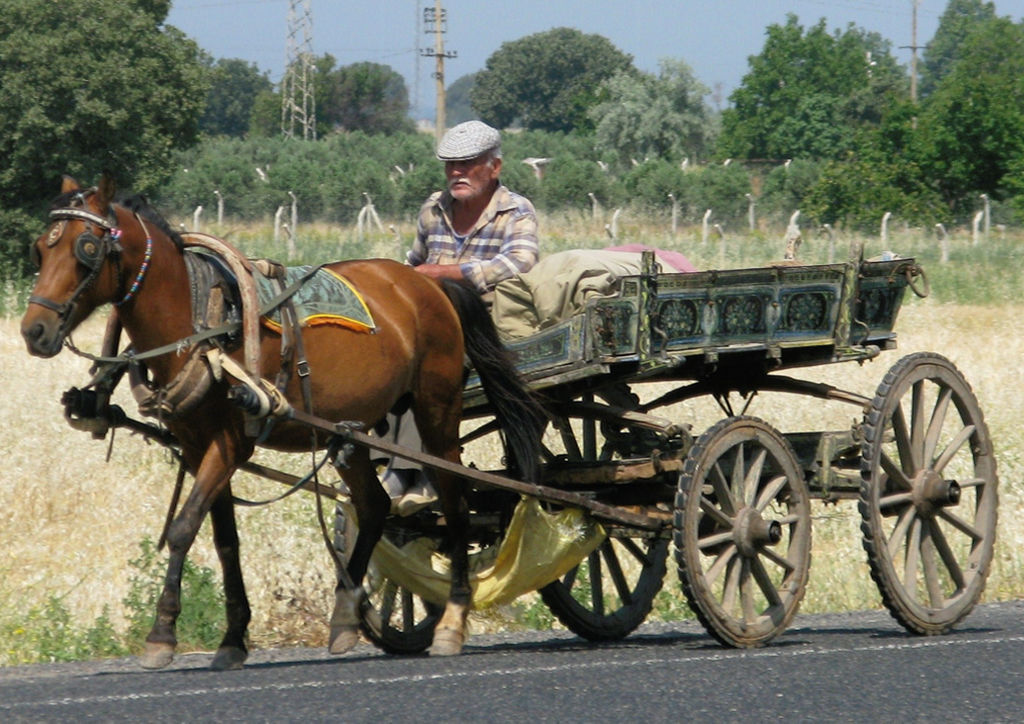
There is no doubt about the charm of the Aegean coastal area. A hint of Greece. It’s the whole Mediterranean basin. Touring through here sure beats being in the pushy, hard, fast modern world.
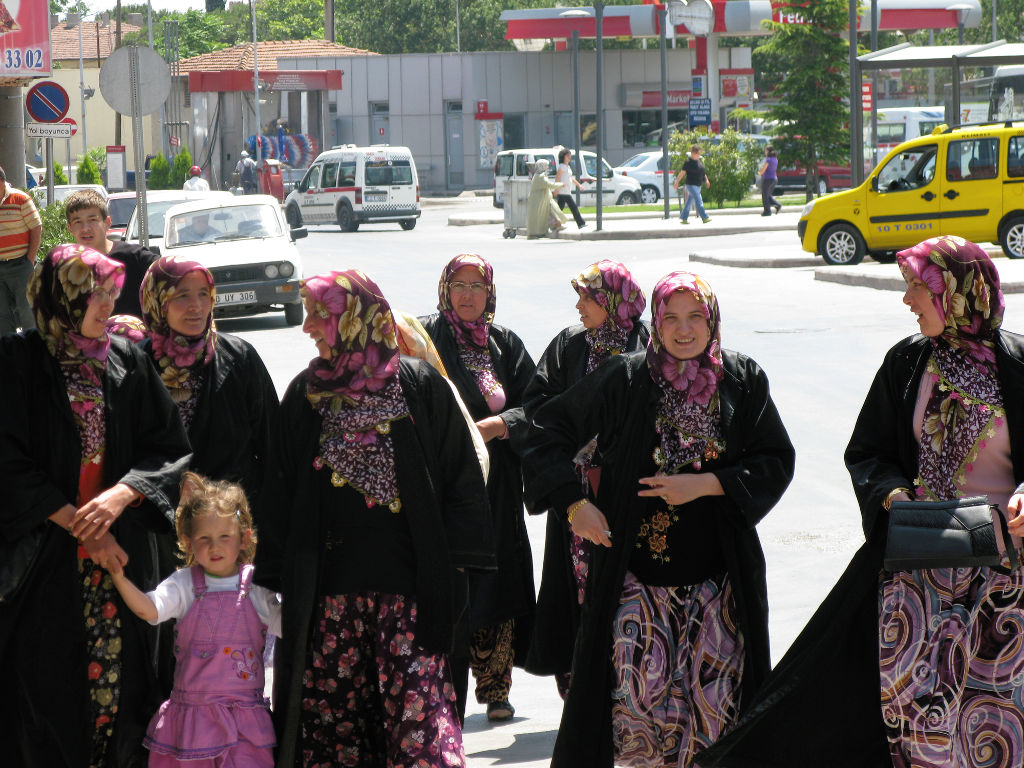
In Balikesir this family of women seem to have bought a bolt of dress material and made their own clothes.
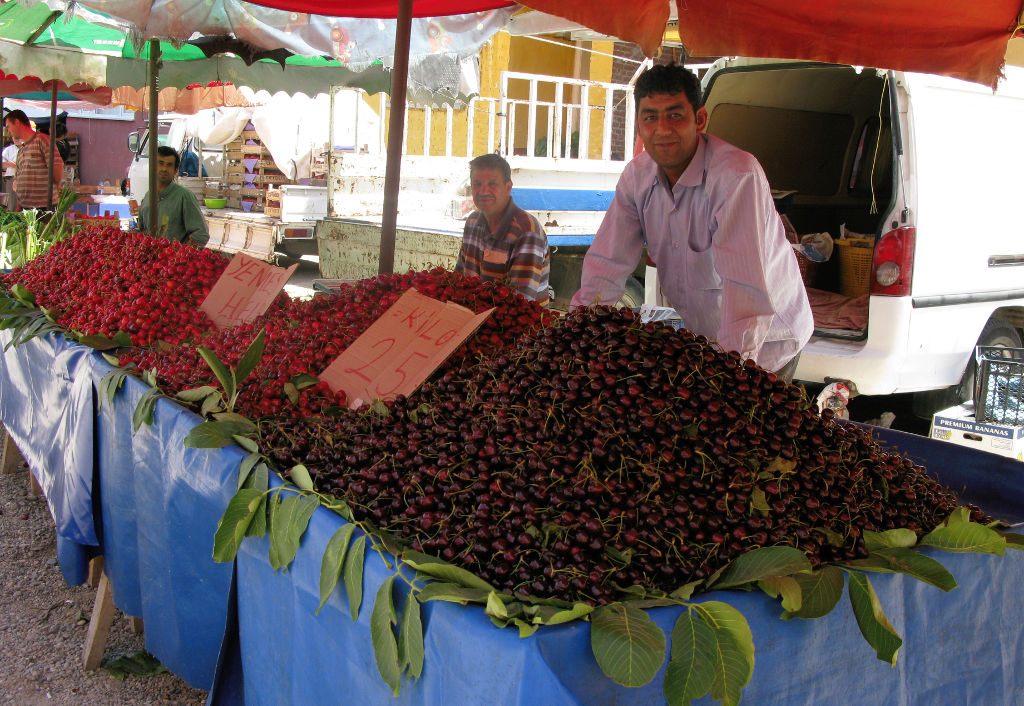
It is late May and the markets are full of cherries, apricots and strawberries. These cherries are AUD2.20 a kilo. We travel light and have the tops of our rear bags ready to take on board fruit.
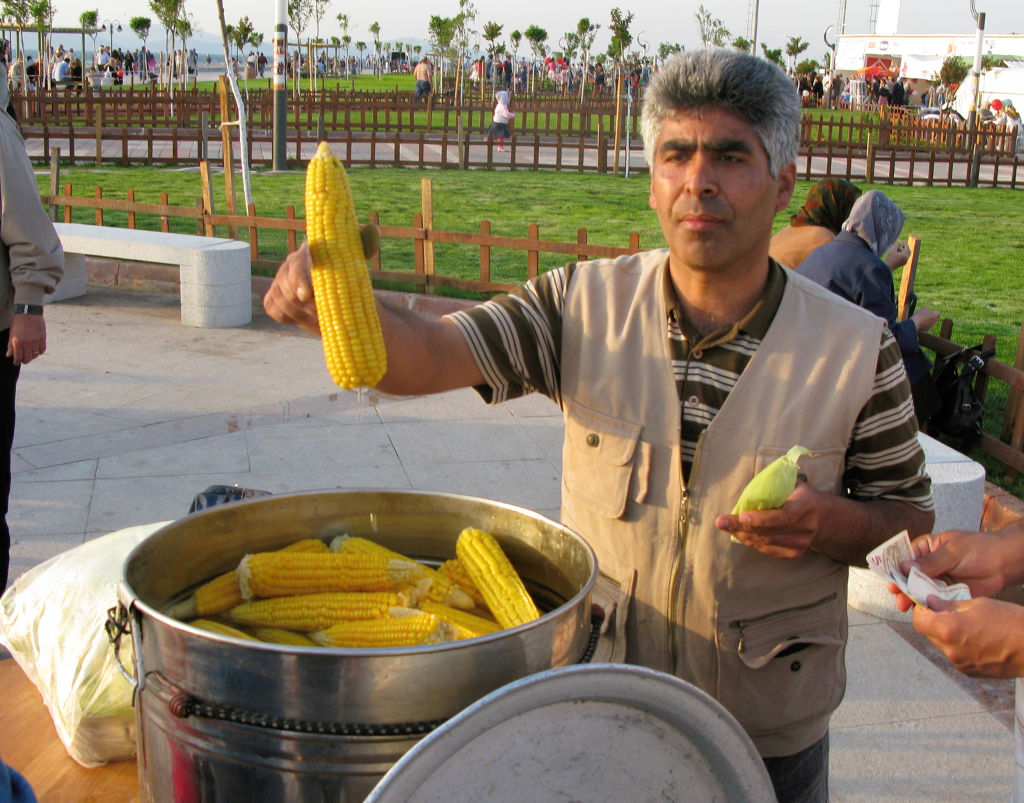
In the evenings in the parks families come out together. The food is so healthy. This piping hot corn is served salted and given to me in some of the leaves to hold.
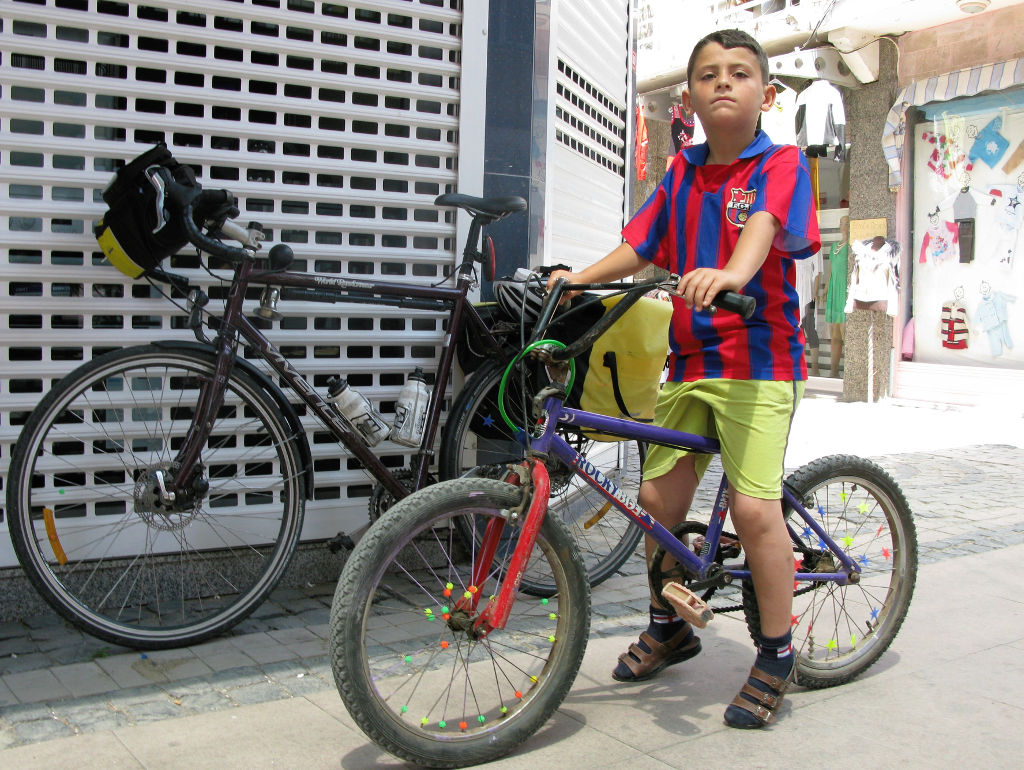
We don’t speak each other’s language but we both get around on bikes. He gave me a few of his spokey dokes. We rode around town together.
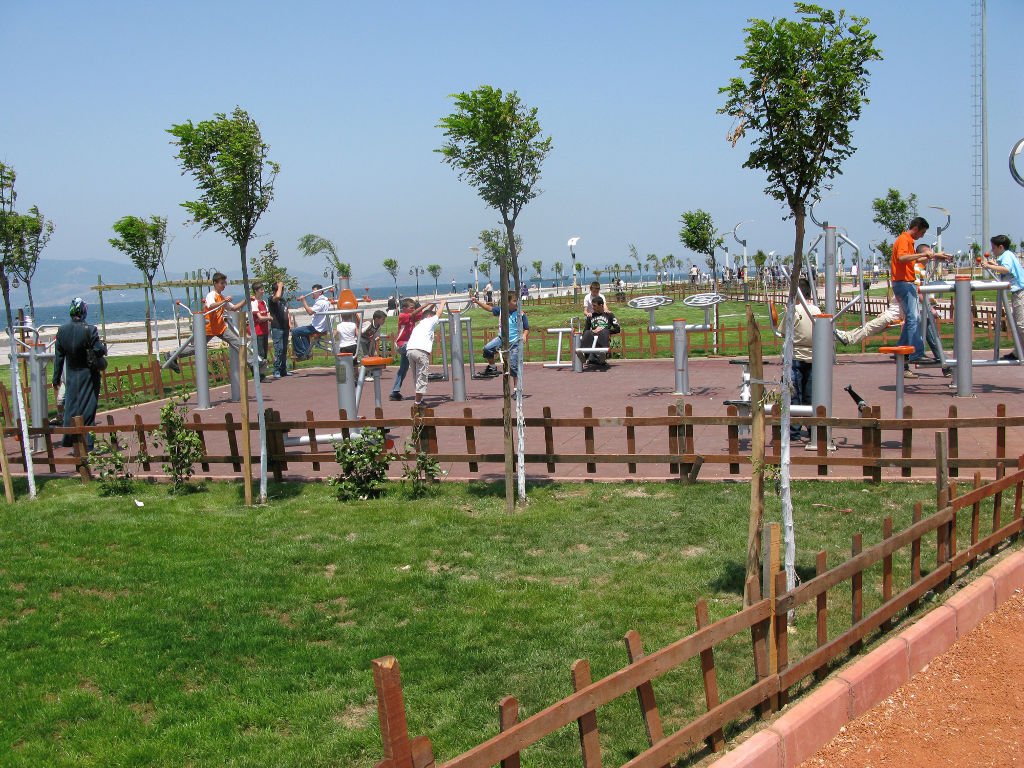
There are dozens of these exercise machines in parks along the Bandimar waterfront. Young and old, male and female alike use them. It is so inspiring. Turkey is the home of public exercise equipment.
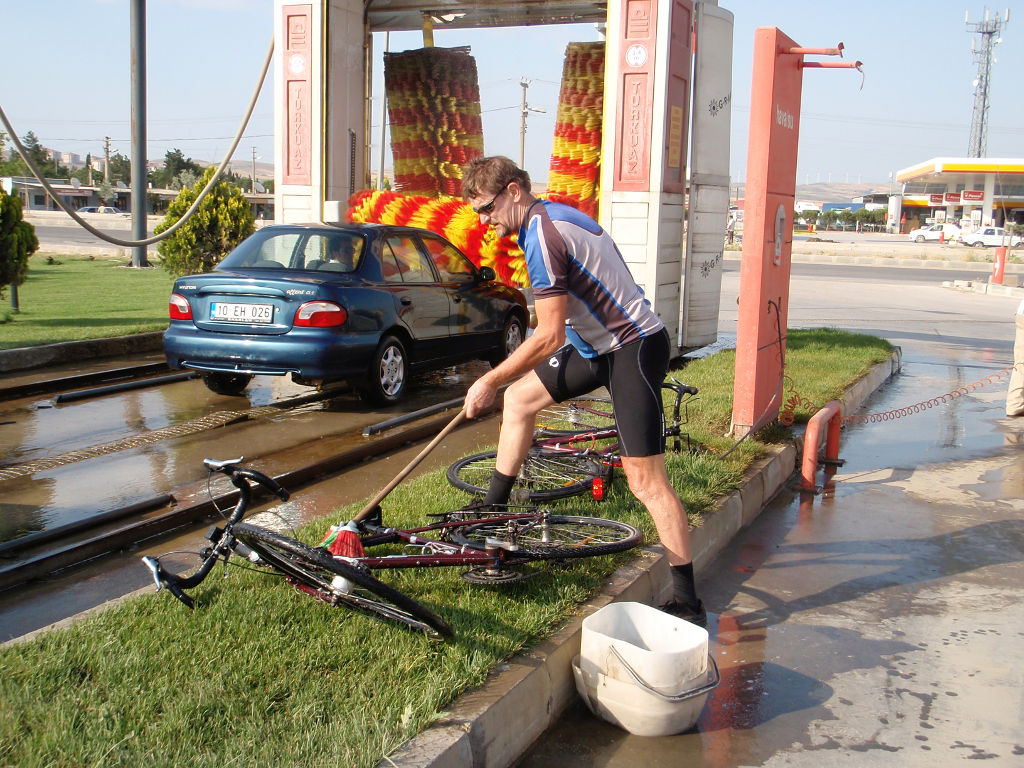
A car wash provides the bucket, water and plastic broom for the end-of-trip bike wash.
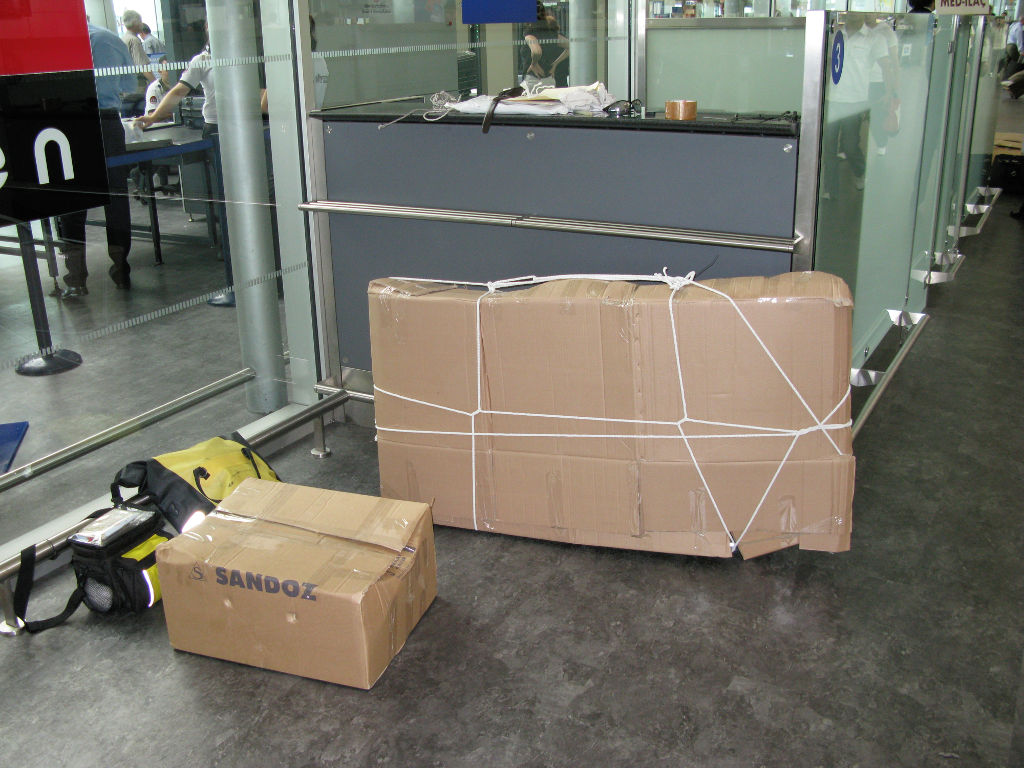
IST (the airport) is a pleasant ride from the city. Faced with the choice of trying to find bike cartons in the city and getting the train to the airport or riding out and trying to find cardboard out there we opt for the latter. We have rope and tape and cable ties.
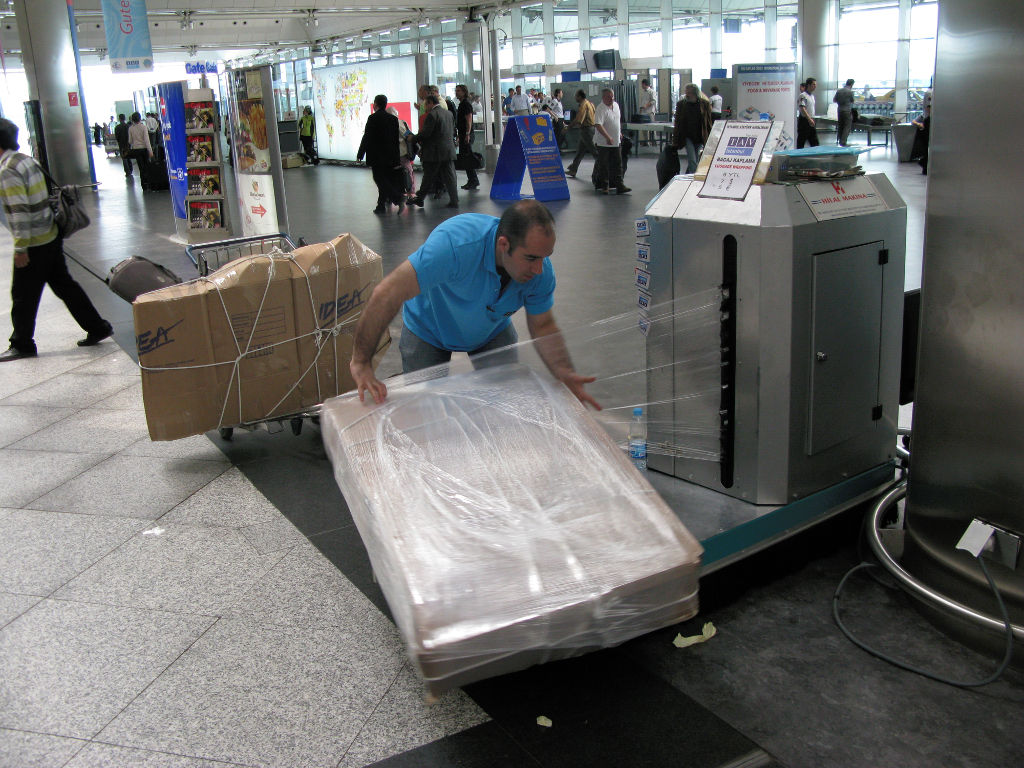
Having allowed 3 hours to be able to find cardboard and produce the packaged bikes it has worked out well. Some discarded computer boxes. Now the plastic wrapping machine is finishing it all off.