Trips
With none of my touring buddies free I take off alone to Chennai. It is late November, the southern Indian “winter” and dry season. I have a coupling-system frame to test but don’t bother to decouple it in either of the flight directions.
With no particular plan and no one to fit in with I just zig-zag my way south, passing through some of the great TN areas. Vellore, Salem, Trichy, Tuticorin, Rameswaram and Kanyakumari before swinging around the south end of the ghat into Kerala and the airport at Trivandrum.
Being alone I ride more than usual and cover 1,750km in 12 days. The cost has been only $250 a week and I’ve stayed in good places every night and eaten very well.
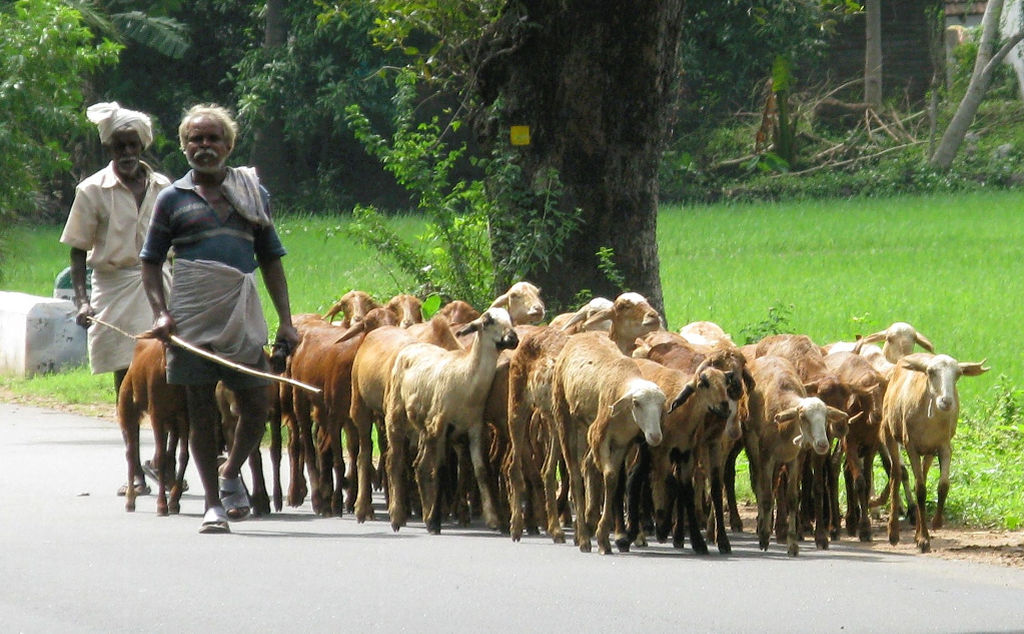
I love the timelessness of the rural parts of South India. This is heartland Tamil Nadu, SE of Vellore. A lot of this coast, and inland for 50km, is a delta having washed down from the western ghats, across the South Deccan.
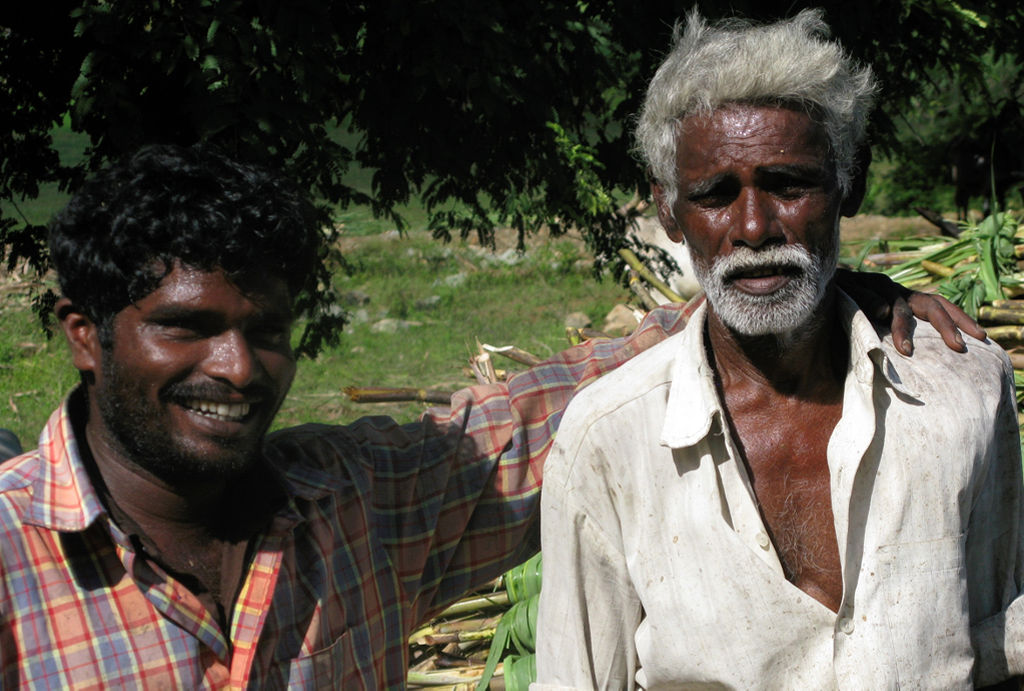
The sugar workers are having a break from loading the cane onto a truck out in the field. Hanging out with me instead. We mutually admire each other’s things. They my bike; me their ropes and cane-knives.
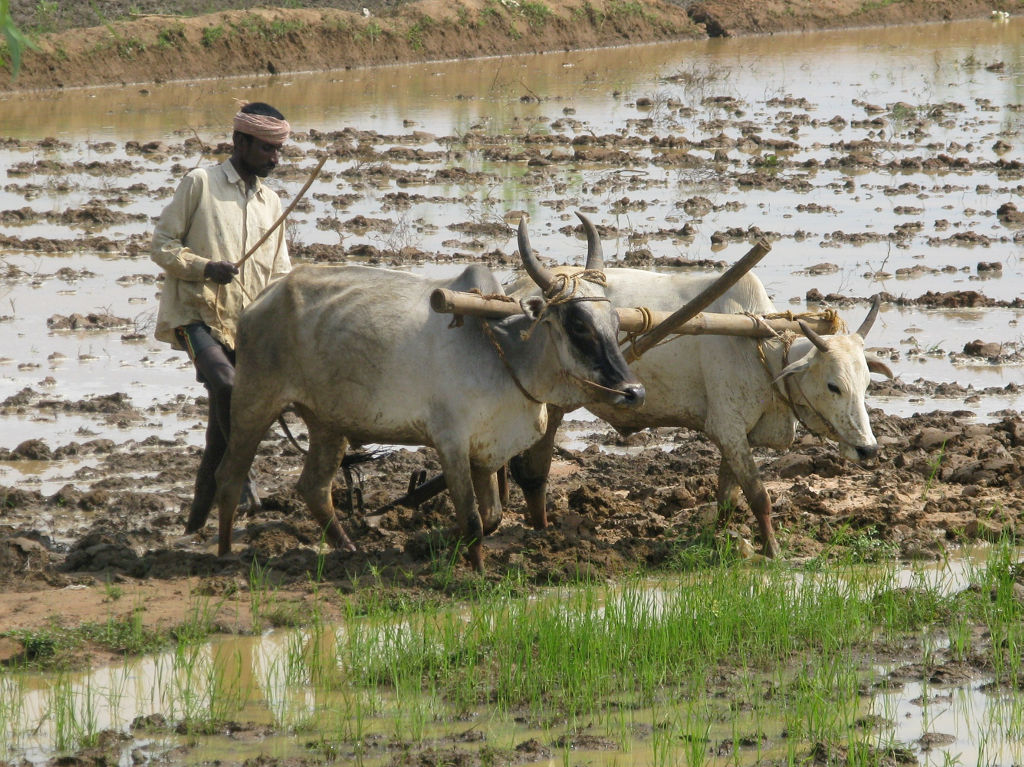
Again, it is the timelessness and sustainability. On a bike we have commonality and a feeling is there on both sides. There is frequent head nodding. Often a group of workers will pause and we acknowledge each other.
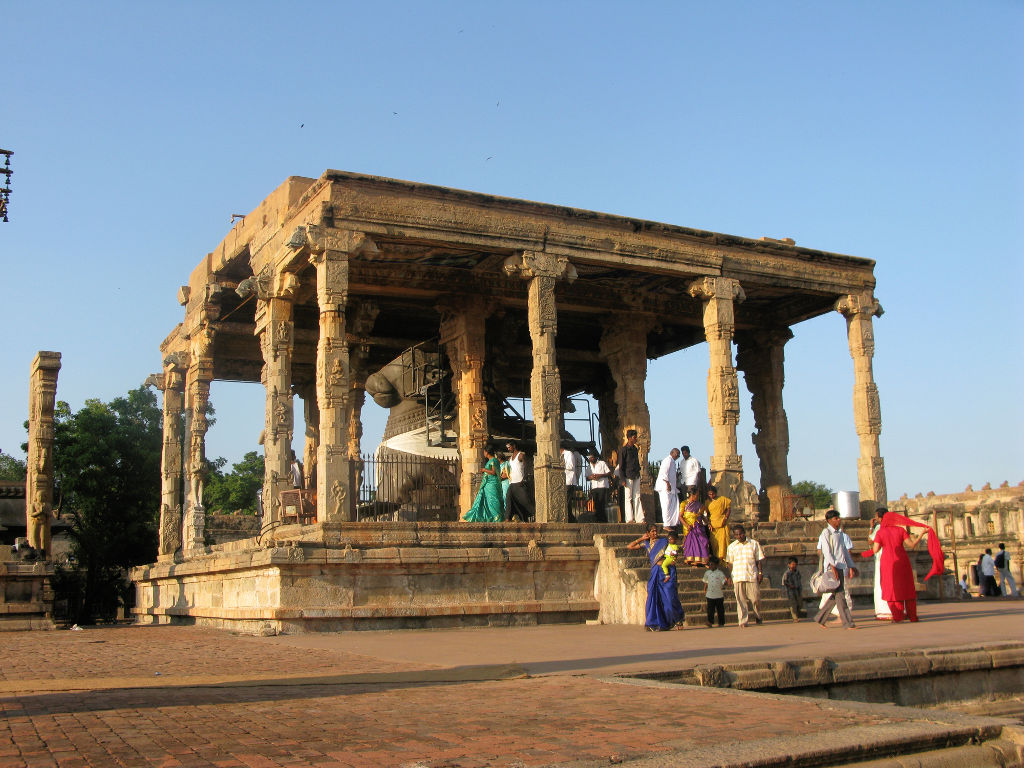
I’m no expert on the temples but I always visit the big ones if I am passing by. Trichy is a major one. This is Rama and he is housed under a massive stone roof. The scale is overwhelming.
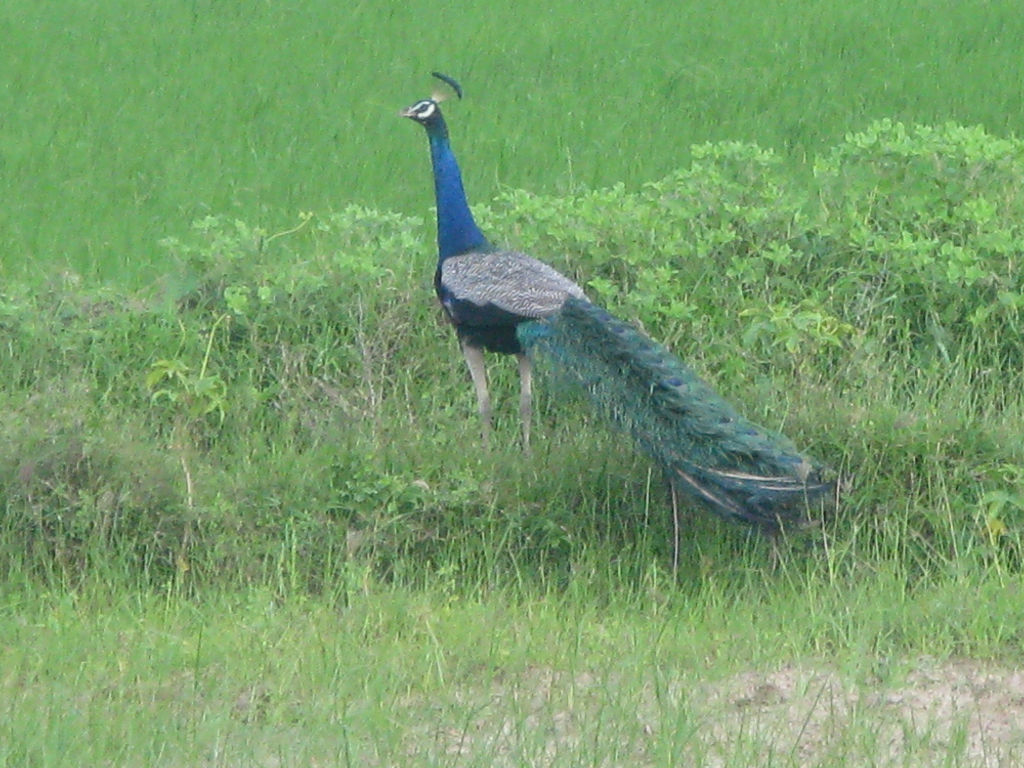
Along this coast, peacocks live in the wild like nowhere else I have seen. It is common to pass 6 or 8 sitting up on rock outcrops. Their calls pervade the environment.
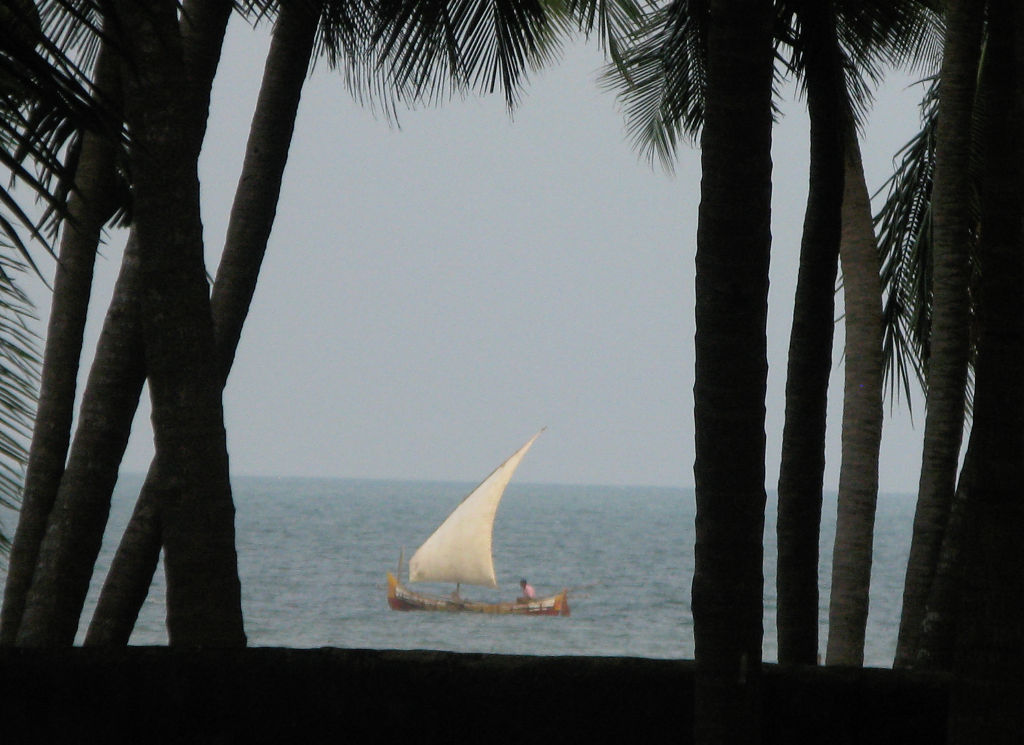
Sri Lanka and India are quite close together around Palk Bay. It is protected water, not damaged for example by the Indonesian tsunami. It’s a peaceful calm area.
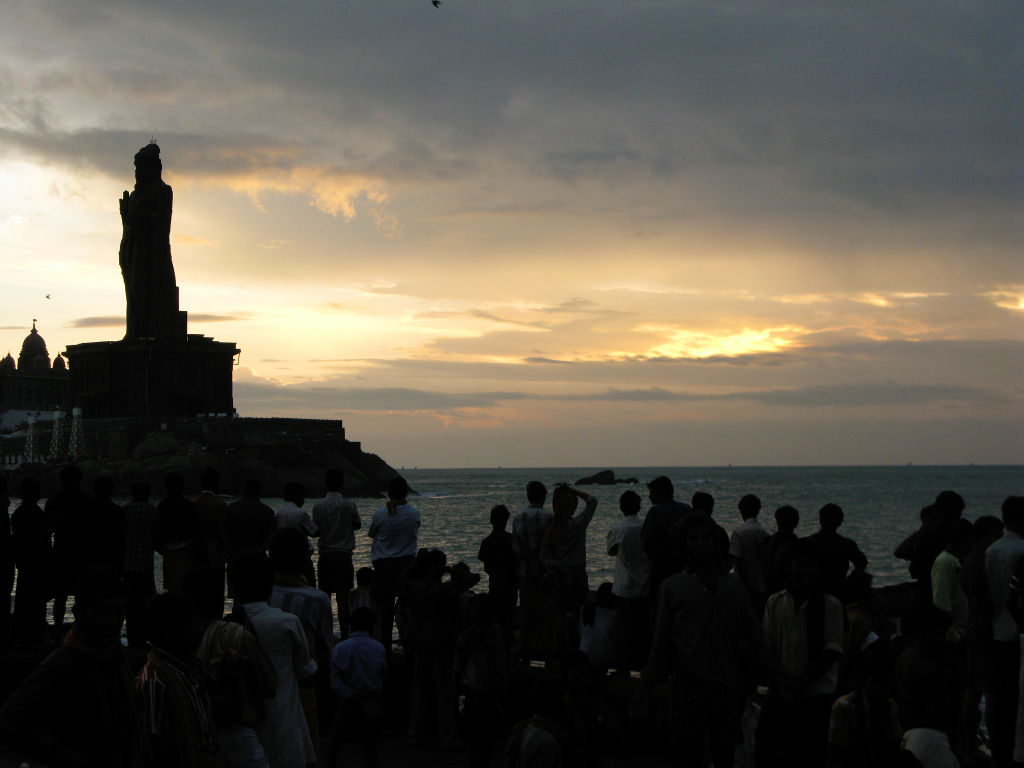
Kanyakumari, at the very tip of India. Quite a fuss is made about the oceans and seas meeting here and religious significance. There is an unavoidable feeling that, one way or another, this is a very significant place. Dawn is the time to be there and I have ridden the 20km from Nagarcoil in the dark.
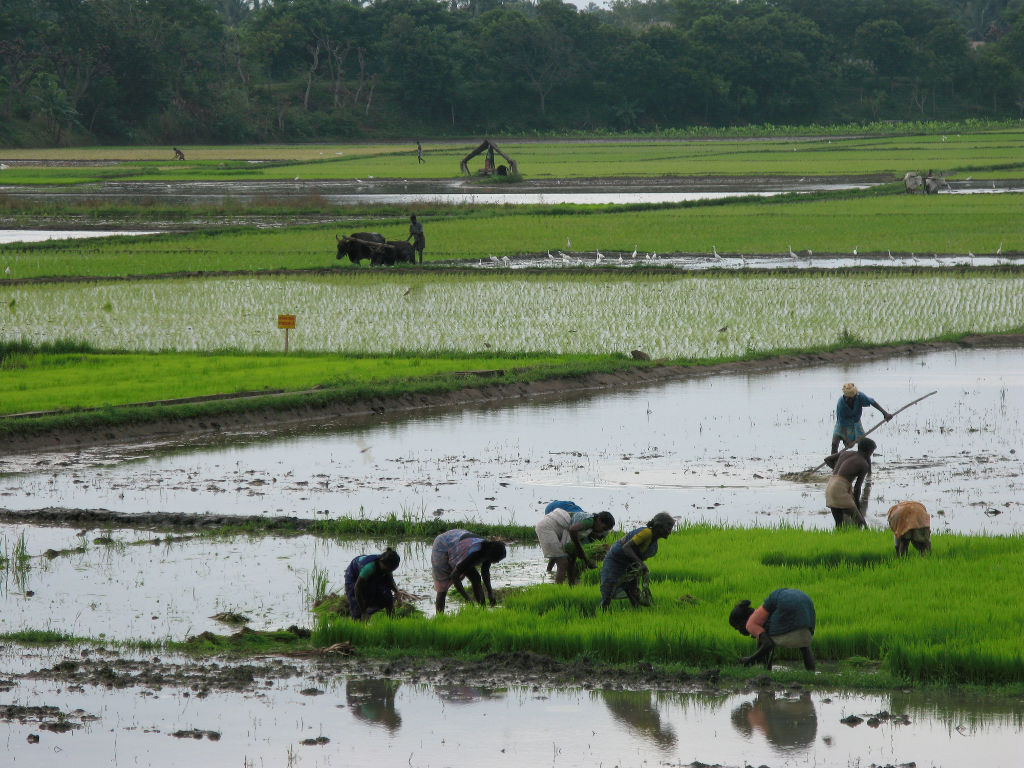
The western ghats come to an abrupt halt. The west and east coastal strips meet in the super rich farmland around Nagarcoil. The women in the foreground are making small bundles of rice seedlings for transplanting.
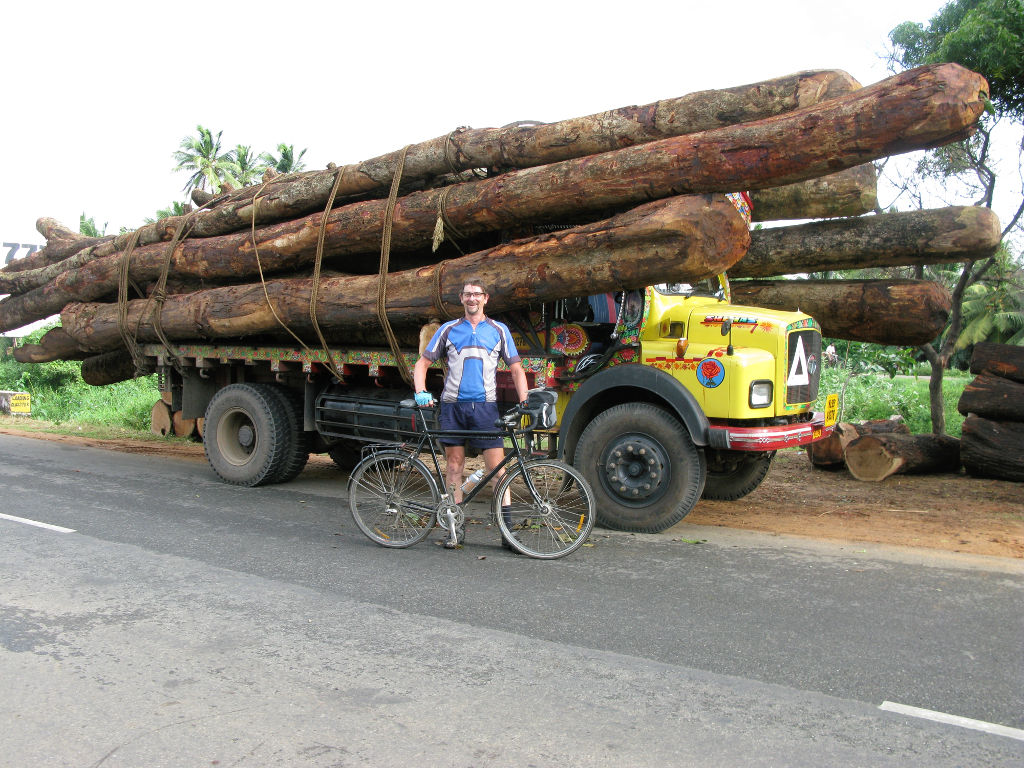
The big-load shot of the trip. The driver would have zero rear-view mirror access. This is plantation teak. Teak is a major rural industry in Kerala, Karnataka and Tamil Nadu.
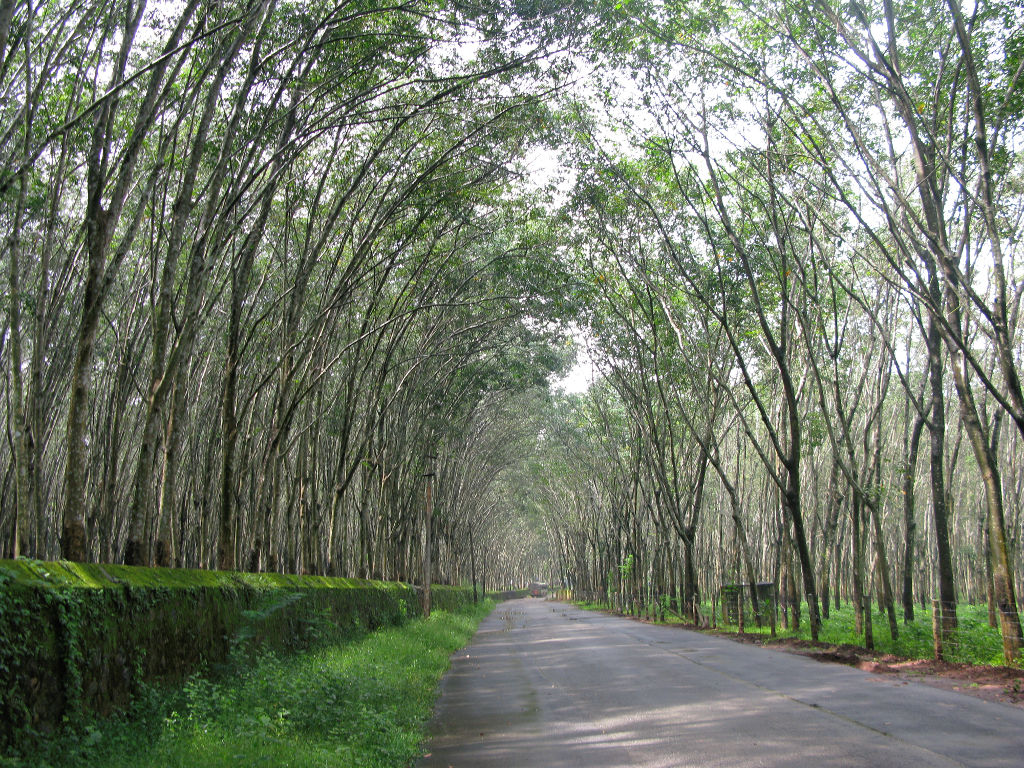
The last day has seen a big change as I’ve turned around to start going up on the west coast in Kerala. The western slopes of the massive mountain range, just inland, (they call them “hills”) has one zone of elevation in which rubber is the exclusive crop.
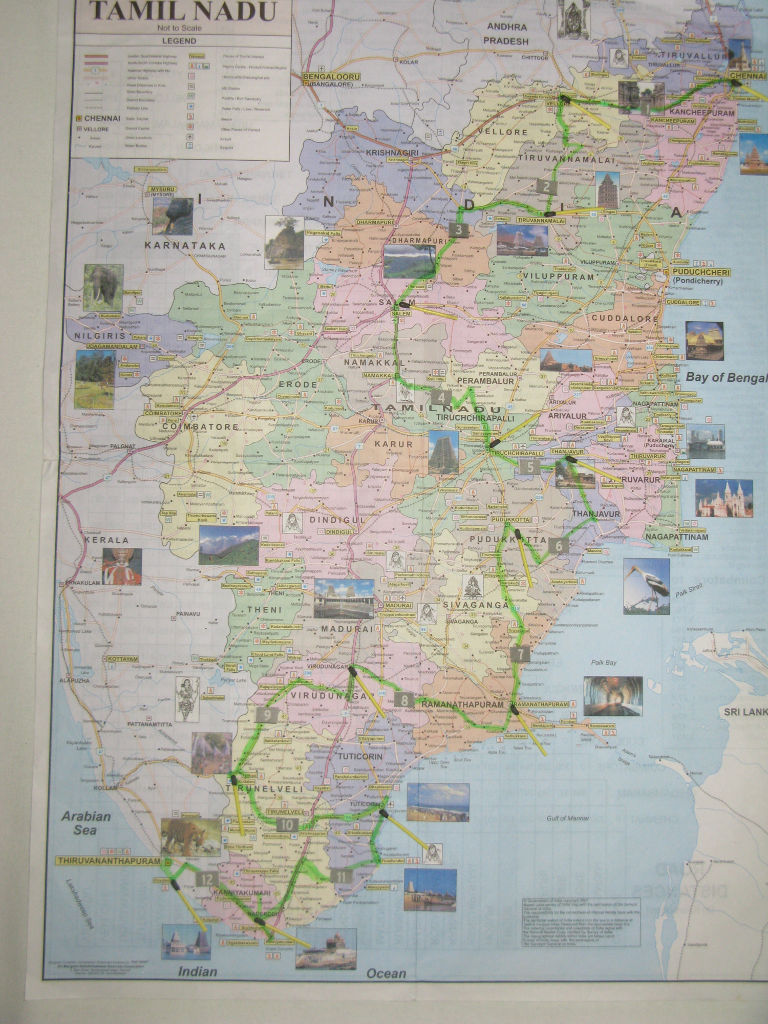
This is a map marked up with a matchhead at each overnight stop. The Chennai airport is SW of the city so I stayed near the airport and didn’t go into the city rather I headed to Vellore the first day.
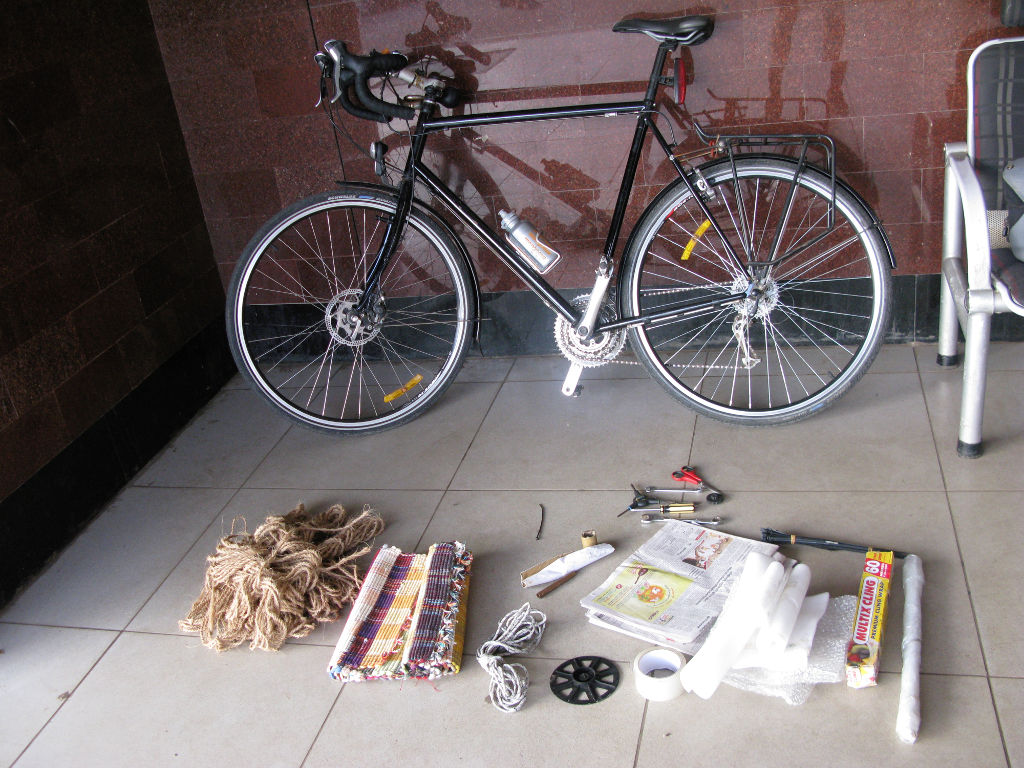
It is much easier to (a) ride to the airport, along the way buying coir rope, a few bathmats and 10 newspapers; rather than (b) scrounge for cardboard in the city near the lodging, packing in the confines of the room and arranging and paying for vehicular transport to the airport. In preparation I am already carrying a disc protector, cable ties, tape and a 60m role of cling wrap. In the future I’ll use a locally-bought tarp instead of clingwrap.
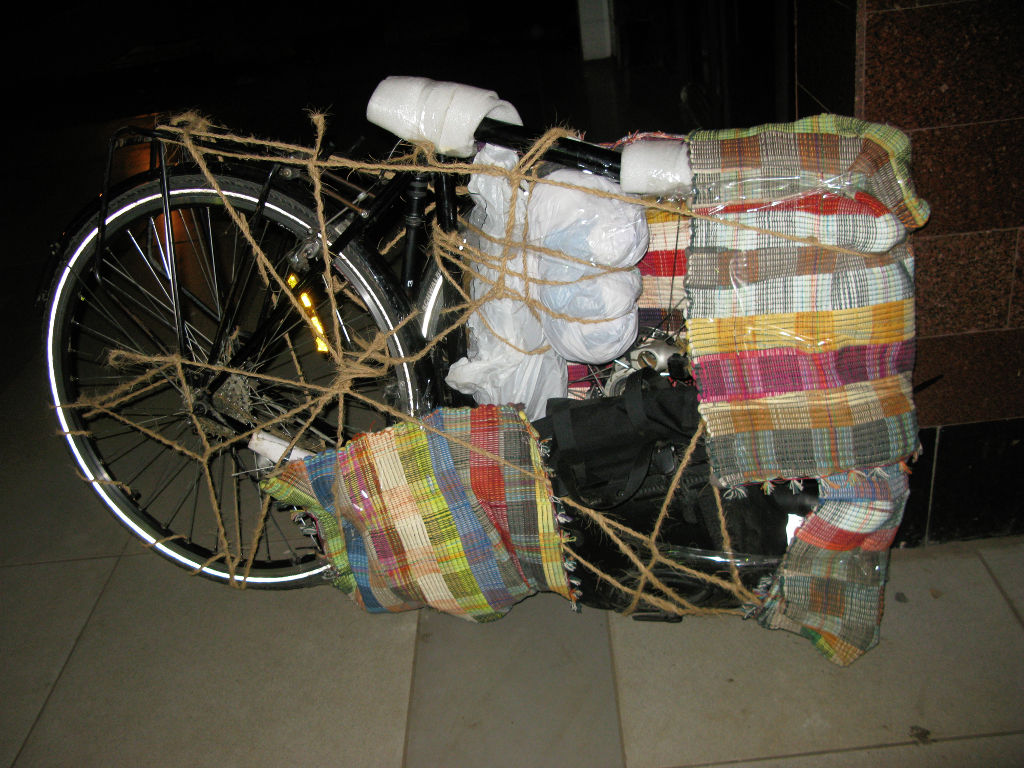
I’m only half deflating the tires to protect the rims. I am trying to only use what I am able to buy on the way to the airport, and comfortably carry on the bike to the airport. For when there are no bike cartons at the airport.
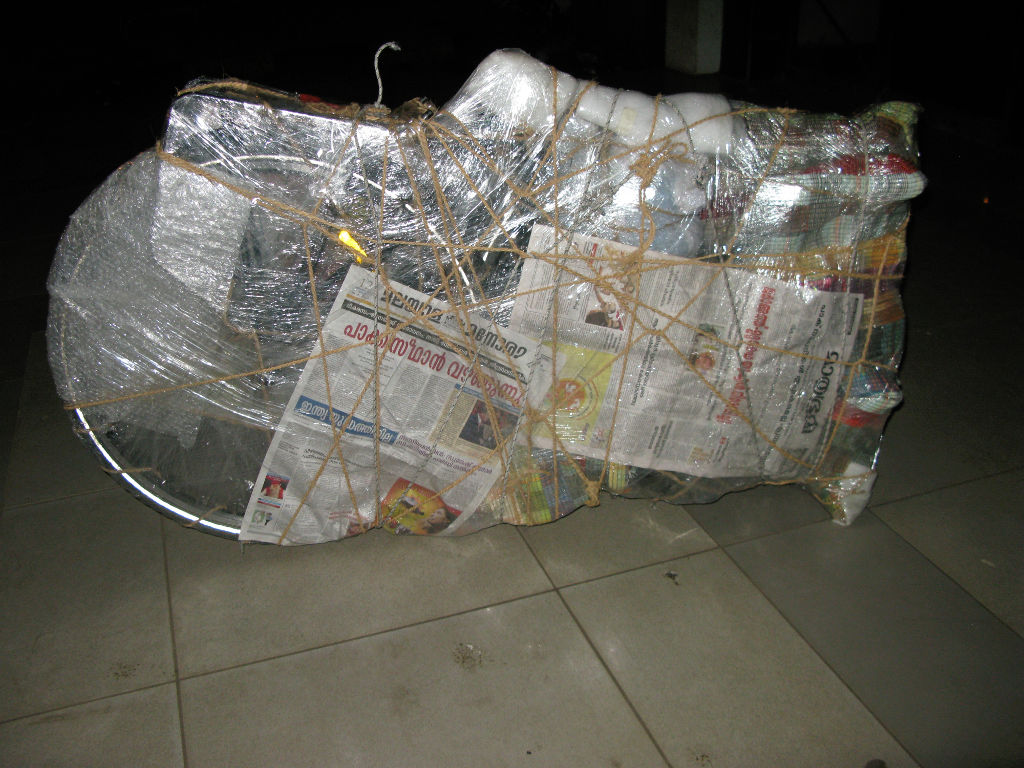
A few good carrying loops in the rope at the top invite handlers to keep the bike upright. It would even be possible to make and take some “This Way Up” stickers for each side.
A work trip to Eurobike landing and departing Frankfurt (FRA). Previously I have tried to save time by taking the train from Frankfurt to Ulm and doing a one-day ride from Ulm to the show and return after the show. This time, for variety, I’ll use the trail+ride-from-Ulm system for getting there but post-show, I’ll ride from Friedrichshafen back to Frankfurt. The return leg should be 350km so I figure, with a bit of getting lost, 4 days will be plenty. Going through Tubingen and Heidelberg. On this trip I am torn between using the roads and taking advantage of their signposting and using the bike paths. The trouble with the bike paths is that their signposts typically mention places only 2-10km away and with the dense settlement and rural villages I need very detailed maps and frequent stopping to figure out where these places are. The trouble with the roads is that they are not bike paths. The local riders are not on the roads so much and Germans seems to think if they make bike paths they don’t need to have shoulders on the roads. This is an orienteering bike ride.
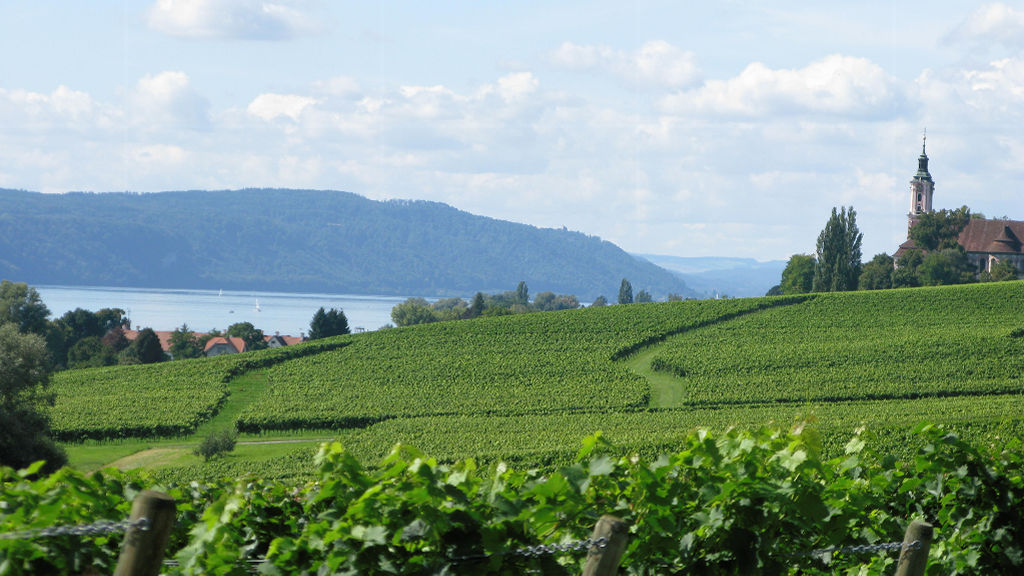
Near the end of the Ulm-Friedrichshafen leg with Bodensee in front. It is a special area for cycling with probably over 100,000 people riding the 200km right around the lake in a year.
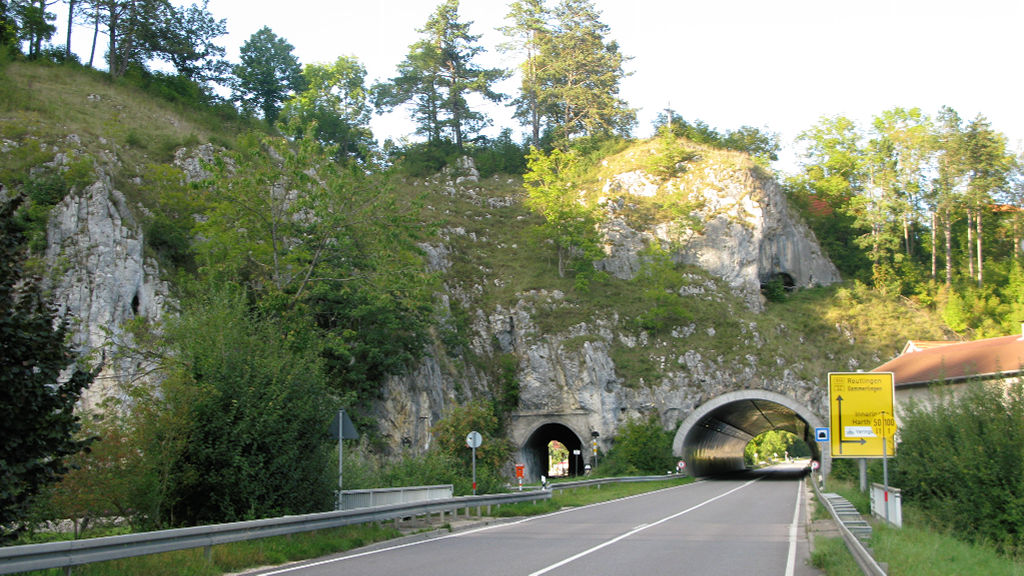
Heading north again after two days at Eurobike. The point of this shot is that I am on the road, merely because of the signs to further-away places that allow me to not stop so often, but I am having to go through this road tunnel when, just to the left of the road, cyclists on a bike path have their own tunnel. So I got that wrong.
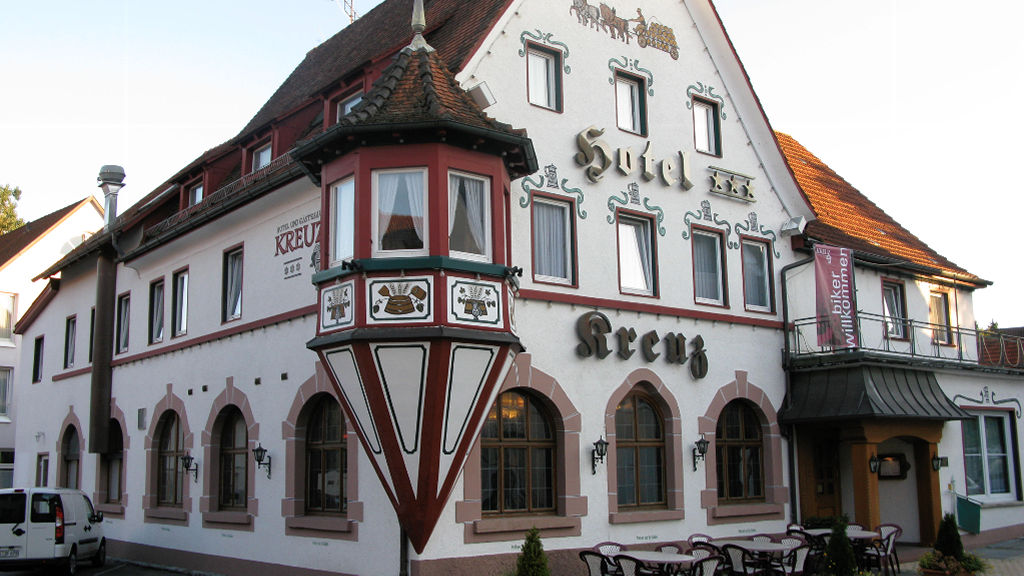
I have not taken the risk of booking ahead as I didn’t know where I’d end up today. It can be risky on a Saturday night, but it worked out tonight.
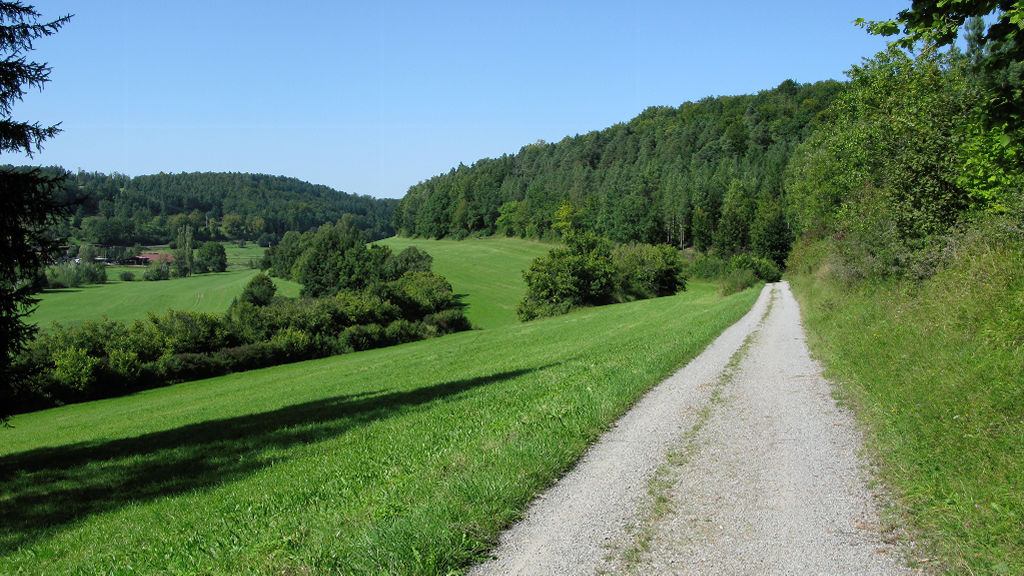
Today my strategy is to use the compass and constantly take N-NW options, trying to stay off-road. This turns out to be a good idea and I see a lot of beautiful peaceful places.
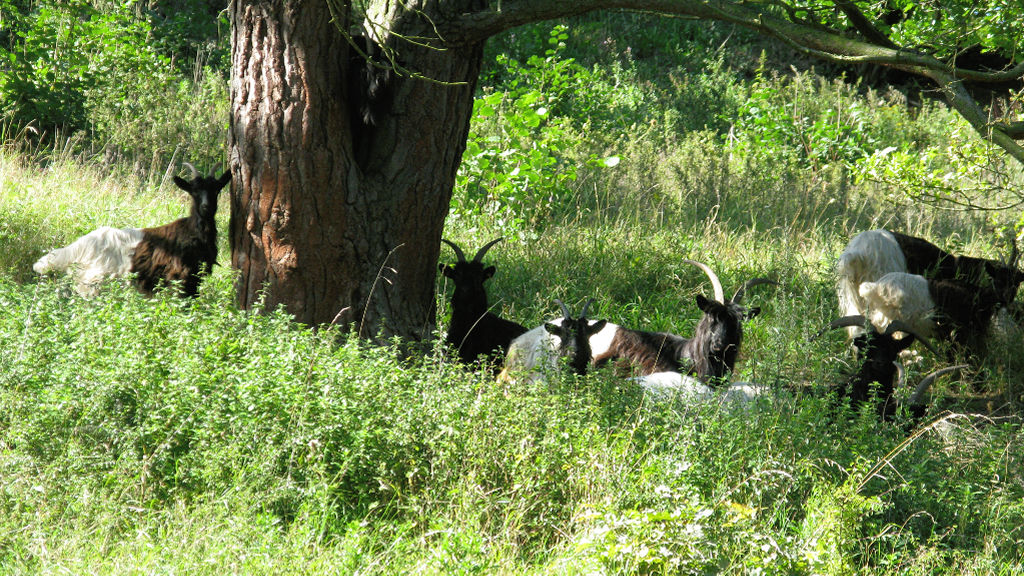
This is getting pleasantly remote from the type of main roads I was on yesterday.
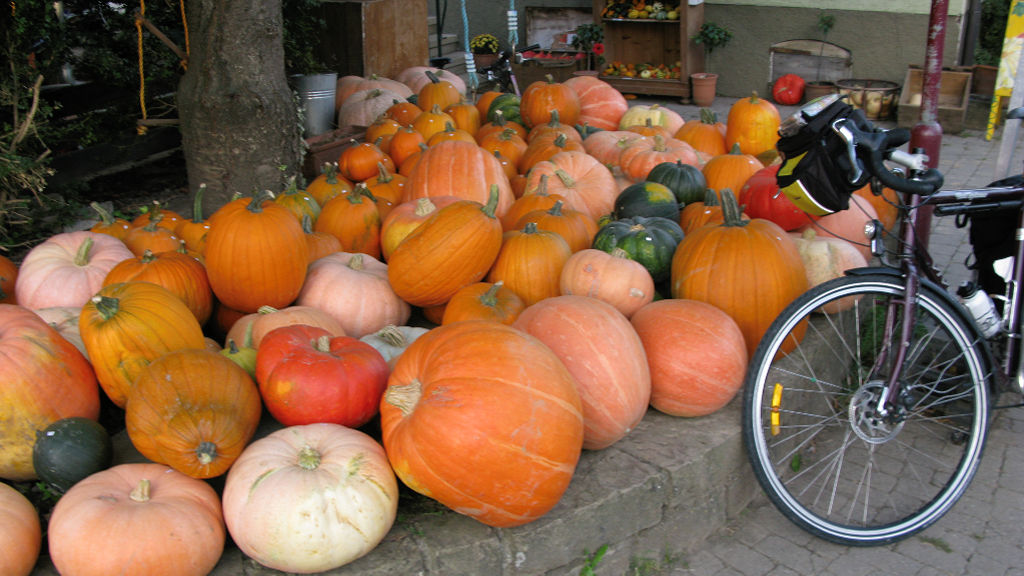
It is pumpkin season, obviously. I never know if people buy them or if they are just there as a visual treat. They sure are that.
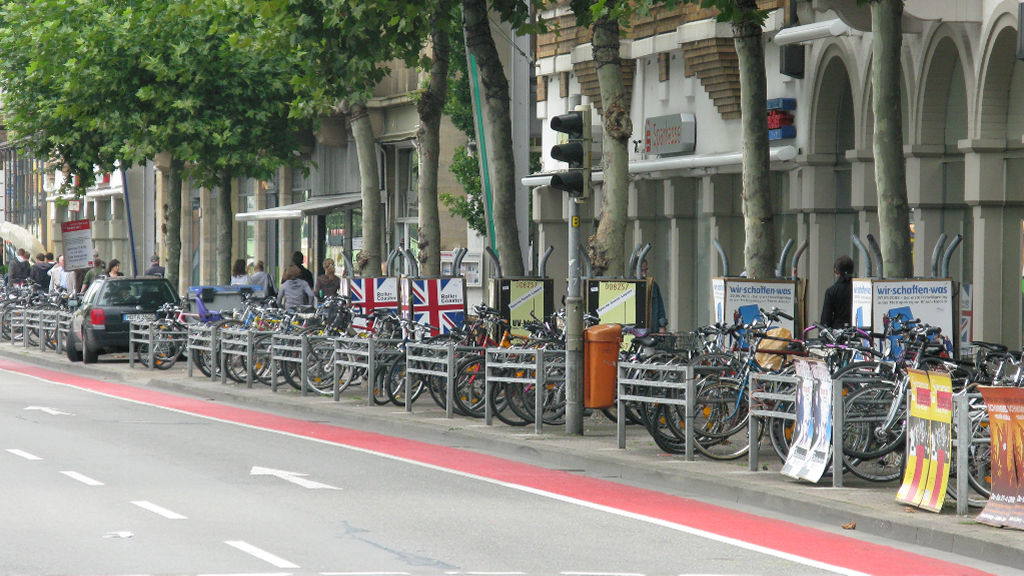
Central Heidelberg at midday. With major cities there is the option of using them as overnight stops or, alternatively, of setting up the days so you pass through during the day. The latter allows you to get a sense of the place as a working centre, with everyone going about their business.
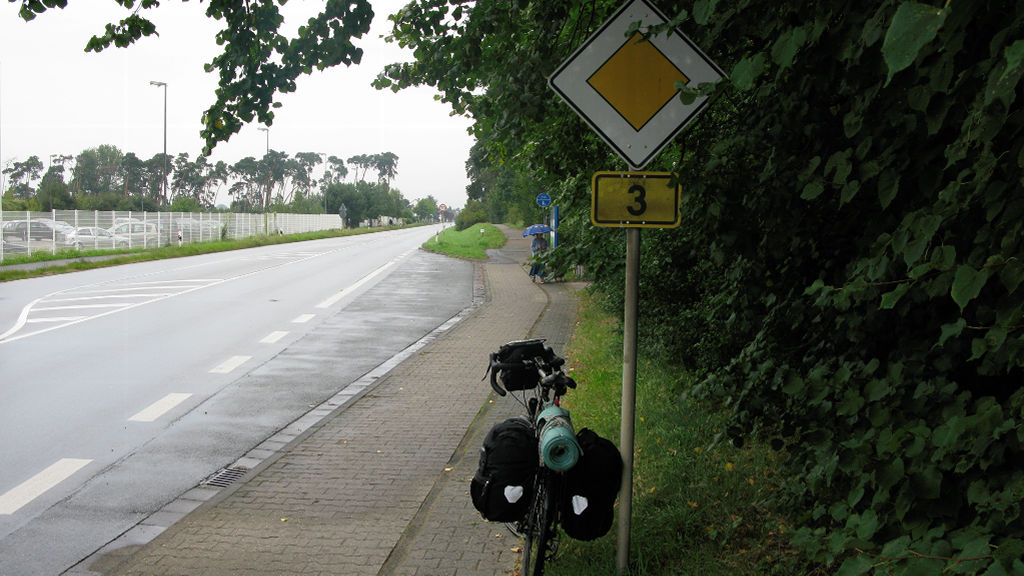
The European roads are marked as either yellow or blue. Yellow means we can ride there. Blue means it is only for motorised vehicles above an engine size, but there are minimum speeds required.
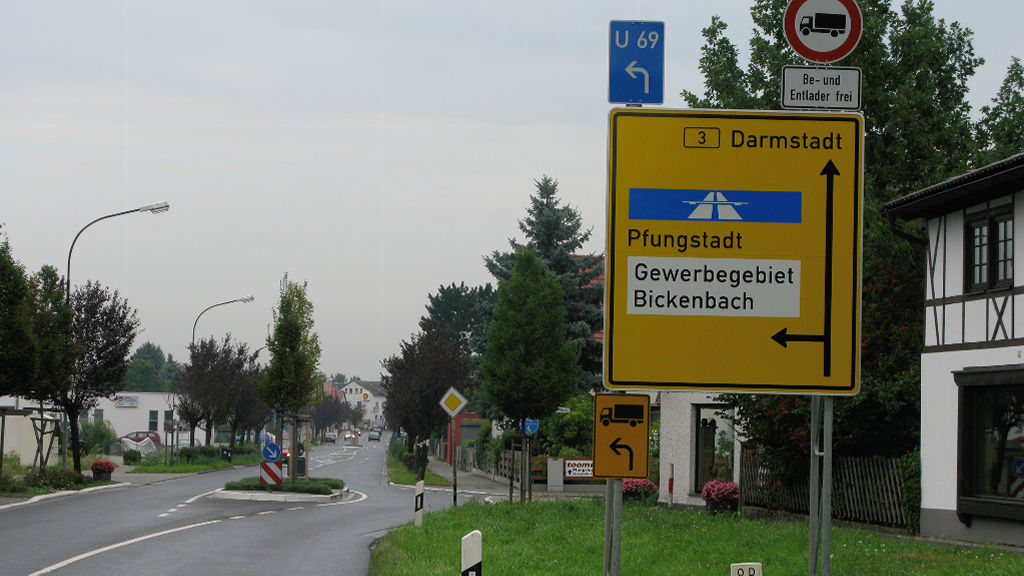
As I ride along I am looking at the compass plus the yellow and blue. A few years ago I accidentally got onto autobahns and the police arrived very fast. The good thing about riding the yellow roads compared to riding the bike paths is you can cover great distances without a lot of stopping.
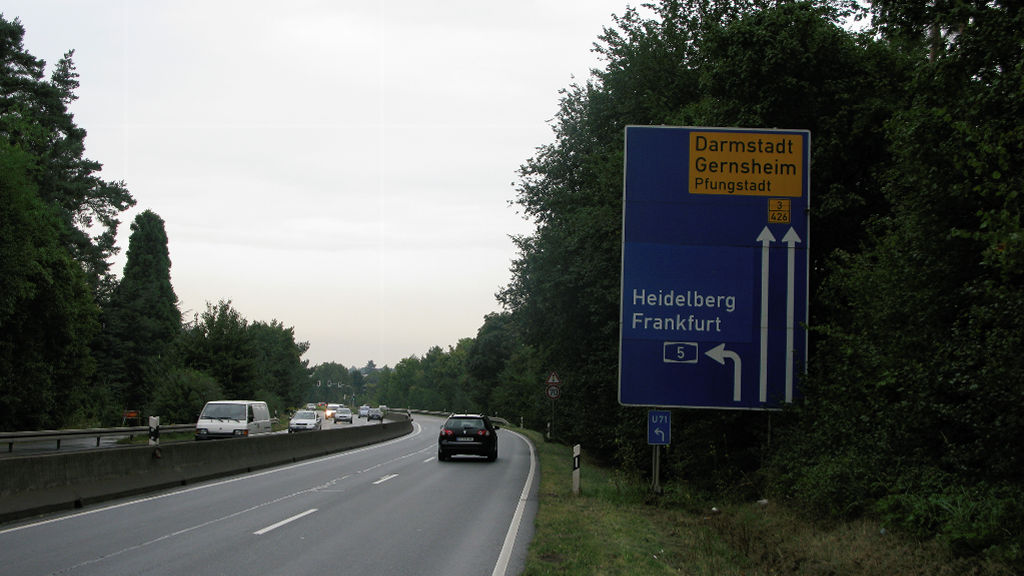
There is a scary amount of blue on this sign but straight ahead is OK on yellow. Notice there is no shoulder and I won’t see any other bikes. However, my right to be here is respected and it is quite safe. A truck will slow to my speed rather than overtake unless it can get fully into the other lane.
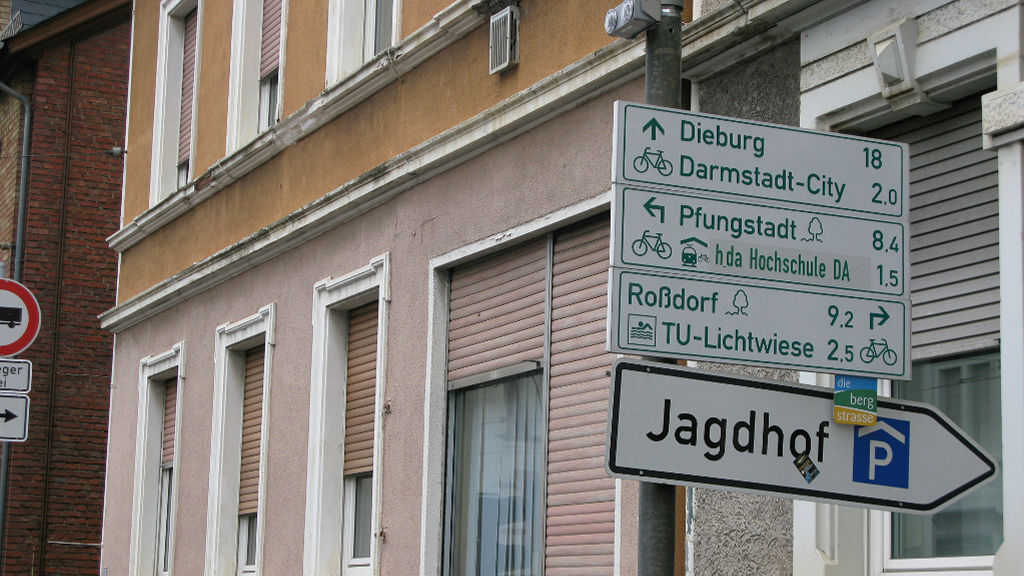
It has to be a very high-resolution map to show all these places. Bike paths along river valleys and canal routes are easy providing that is where you want to go.
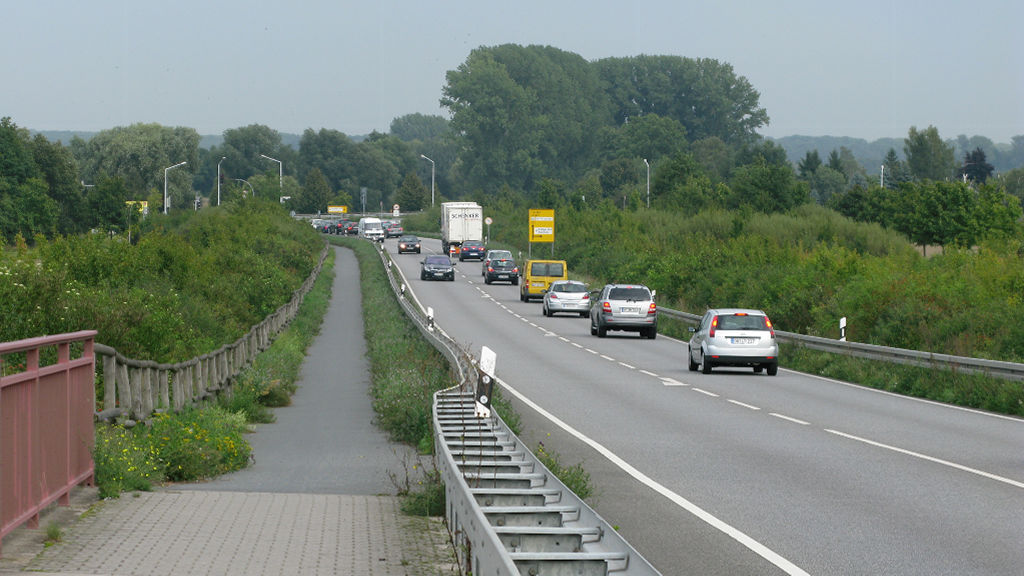
In several cases there is a bike path right beside the road and it would be mean to the drivers for me not to take it. Notice there is even a separate bridge crossing for bikes. That is typical.
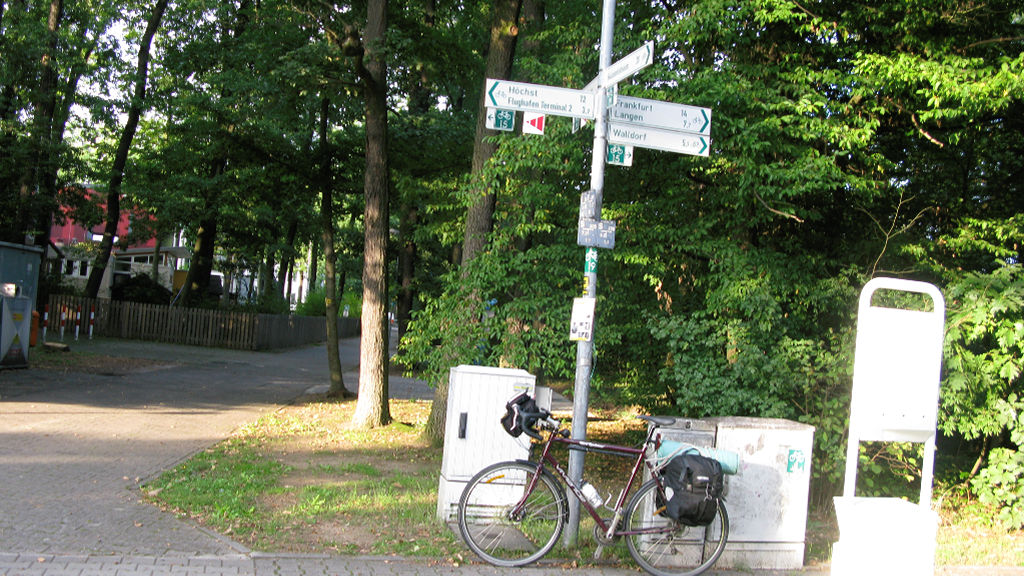
If you are trying to cover 100-150km a day these bike path signs can be puzzling. They are mostly signs to tiny nearby locales and villages. I use my compass but if there is a big river to cross this can take me away from a bridge. It is still fun, just further to go due to route errors.
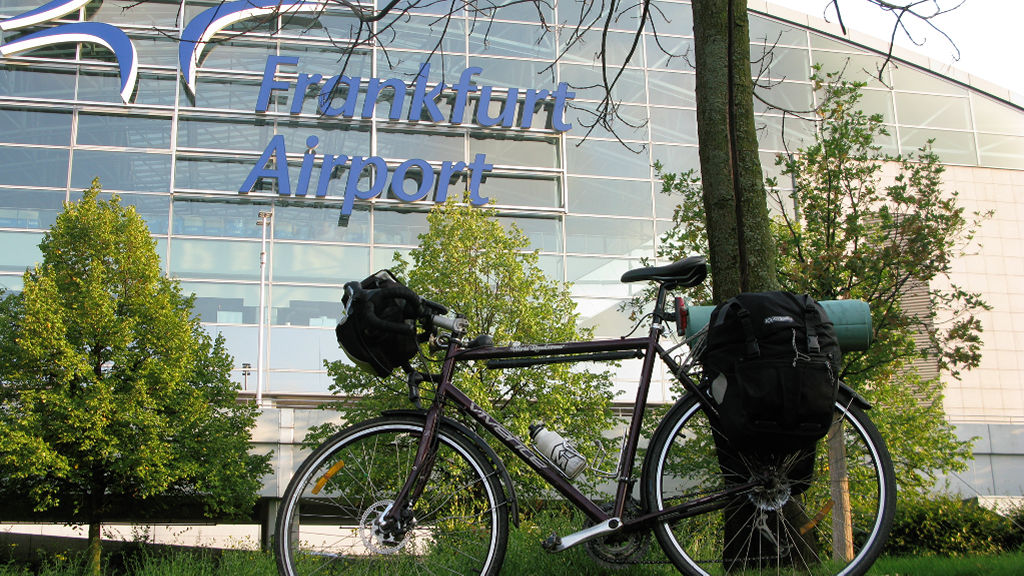
Within 30km of the airport I have been able to watch the planes and make my choices of paths in the forests to the south. Inside I am able to buy a bike carton, have a shower and relax.
Two of us, landing in Calicut and departing Goa. We are not following the coast to the north though. We head South East to Nilambur to call on friends there and then up the ghat to Mysore. Now a Deccan ride up through Karnataka through Hassan, Chikmagalur, Shimoga to Bijapur. Then trough Belgaum, down the ghat to Goa.
We are both on the new maroon coloured Vivente World Randonneurs, me with a BOB trailer in tow.
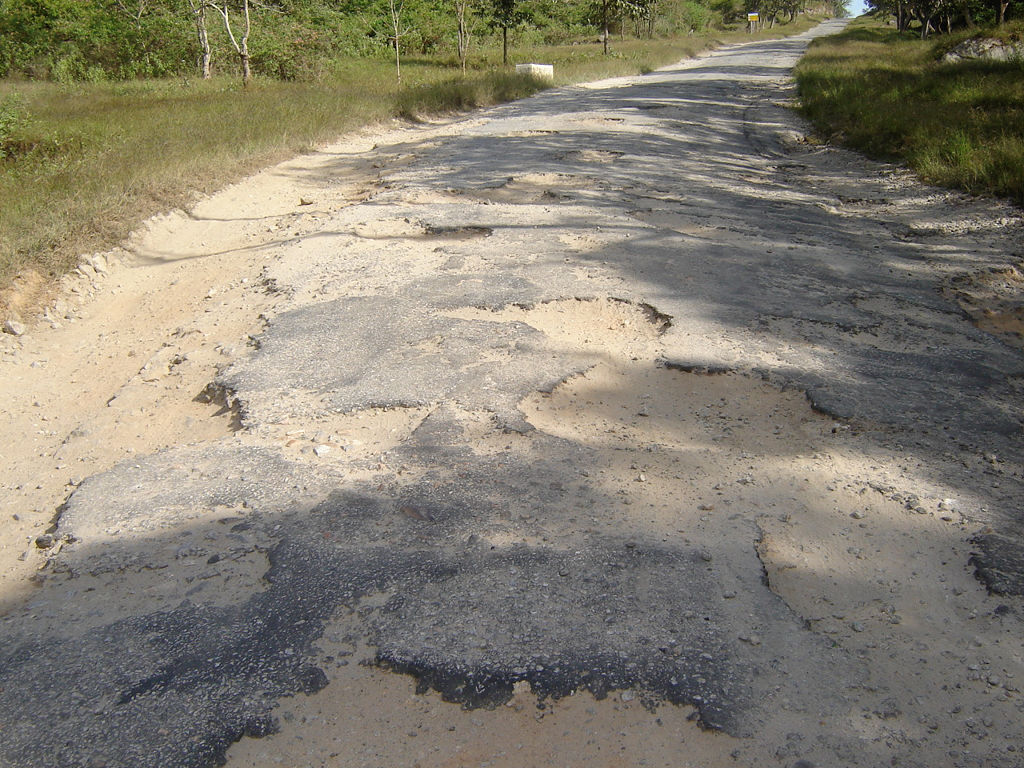
In the border area between Kerala, Tamil Nadu and Karnataka it is a no-man’s-land when it comes to taking responsibility for the roads. The good thing is that, due to isolation, this is where you see wildlife.
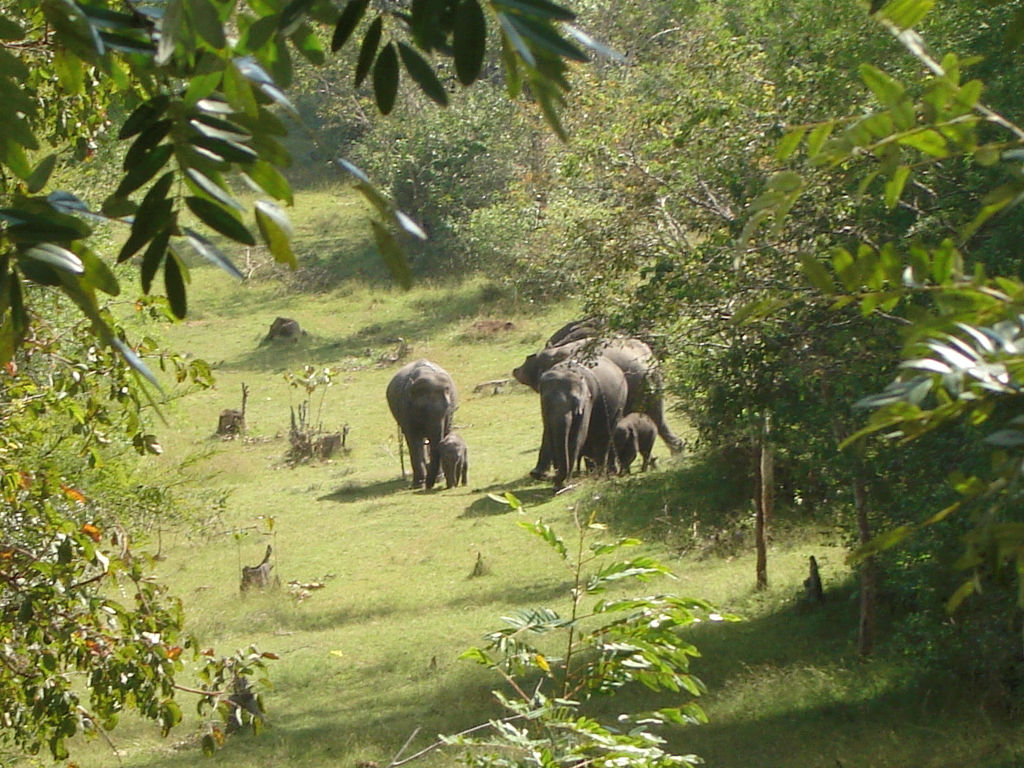
In Bandipur we regularly see elephants. There are signs warning about tigers but they are scaredy cats and off in the forest. We think so anyway.
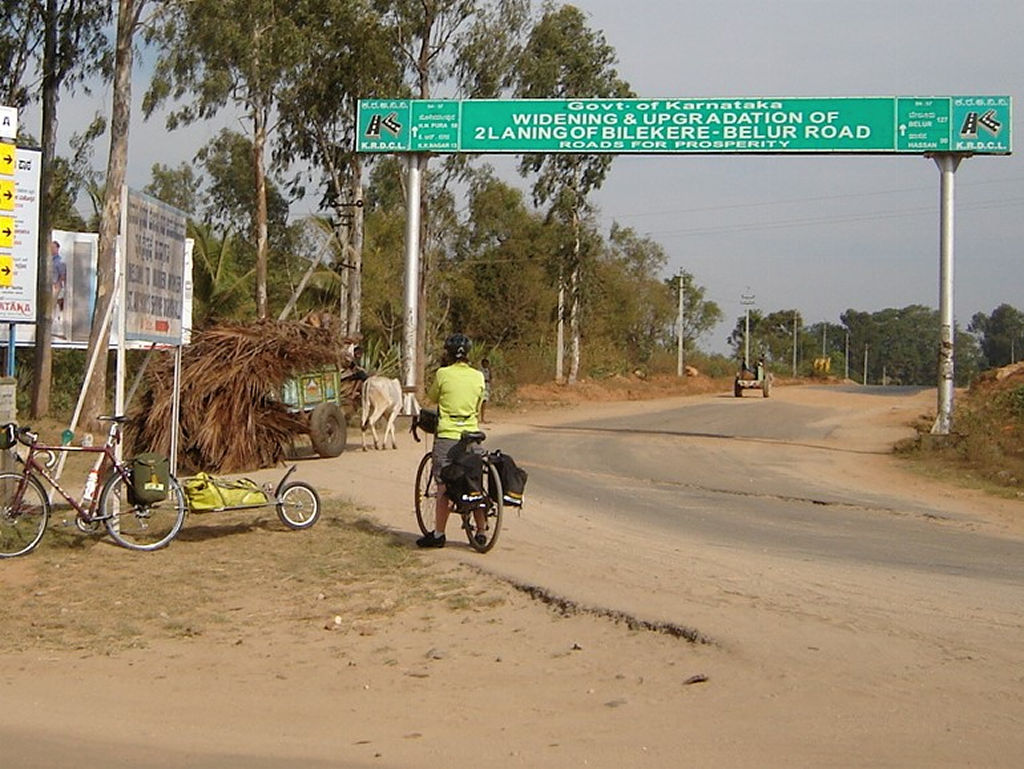
Sign announcing “upgradation” and “2 laning”. Sometimes the signs warn of “4 laning”.
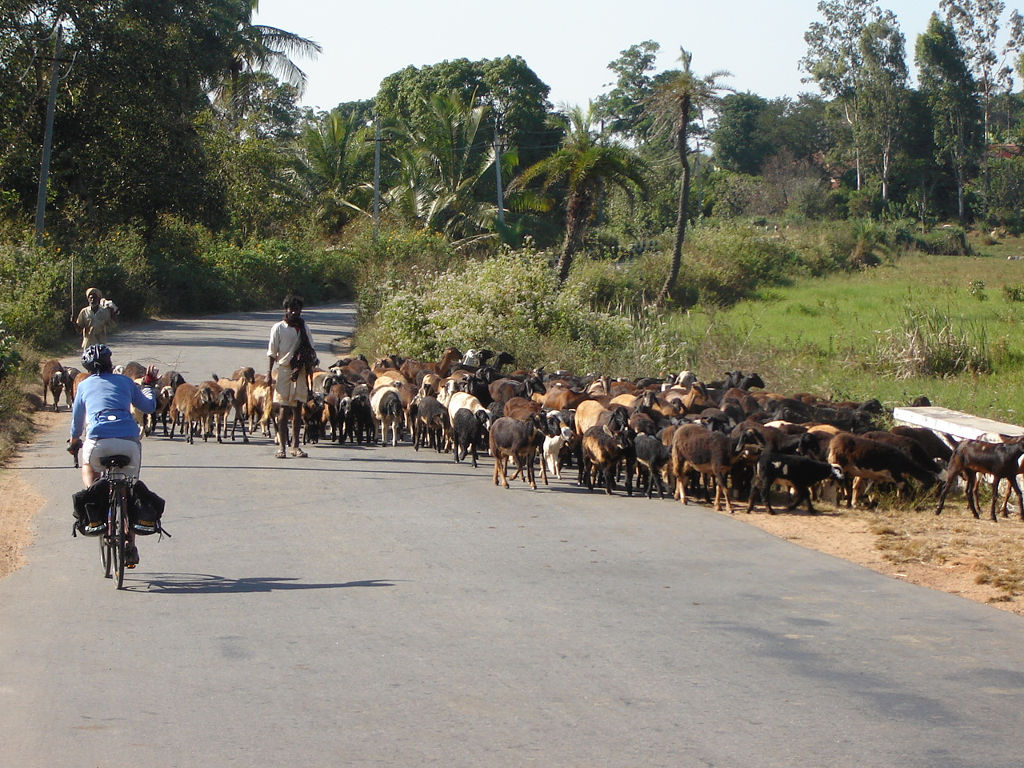
Very pleasant country south of Chikmagalur. The number of animals on the road suggest a horn would be a good accessory. In Mysore a few days ago I managed to buy an autorickshaw horn which is really doing the trick.
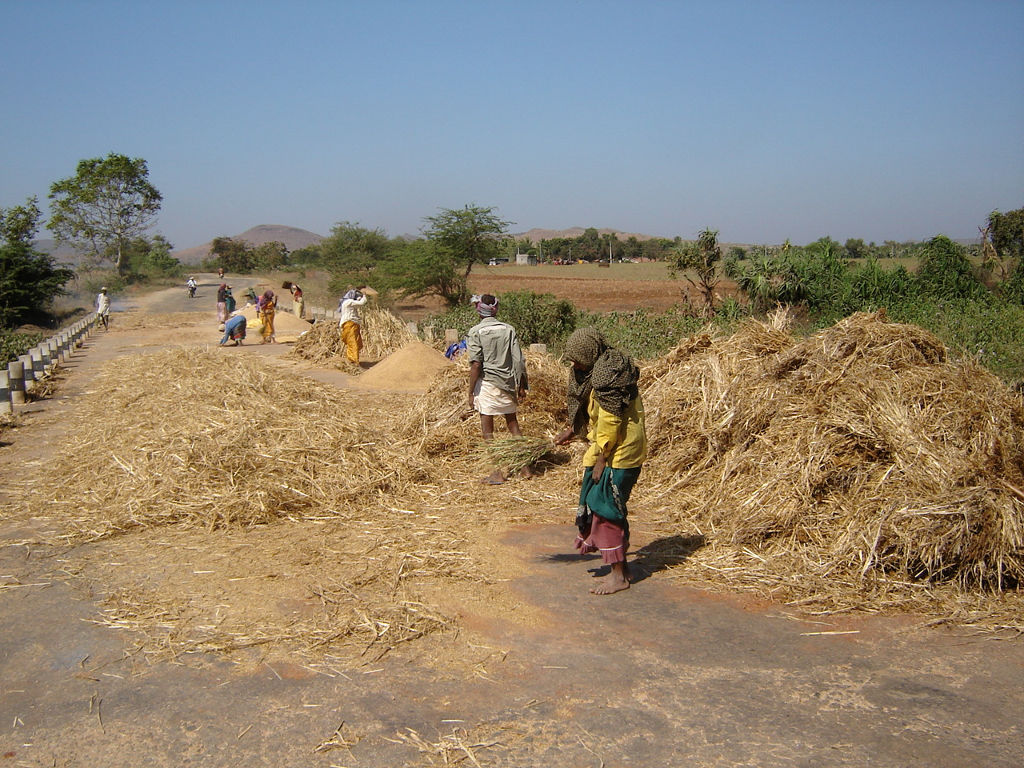
The farmers are getting their grain crop threshed by spreading it on the road and have passing vehicles run over it. I help out.
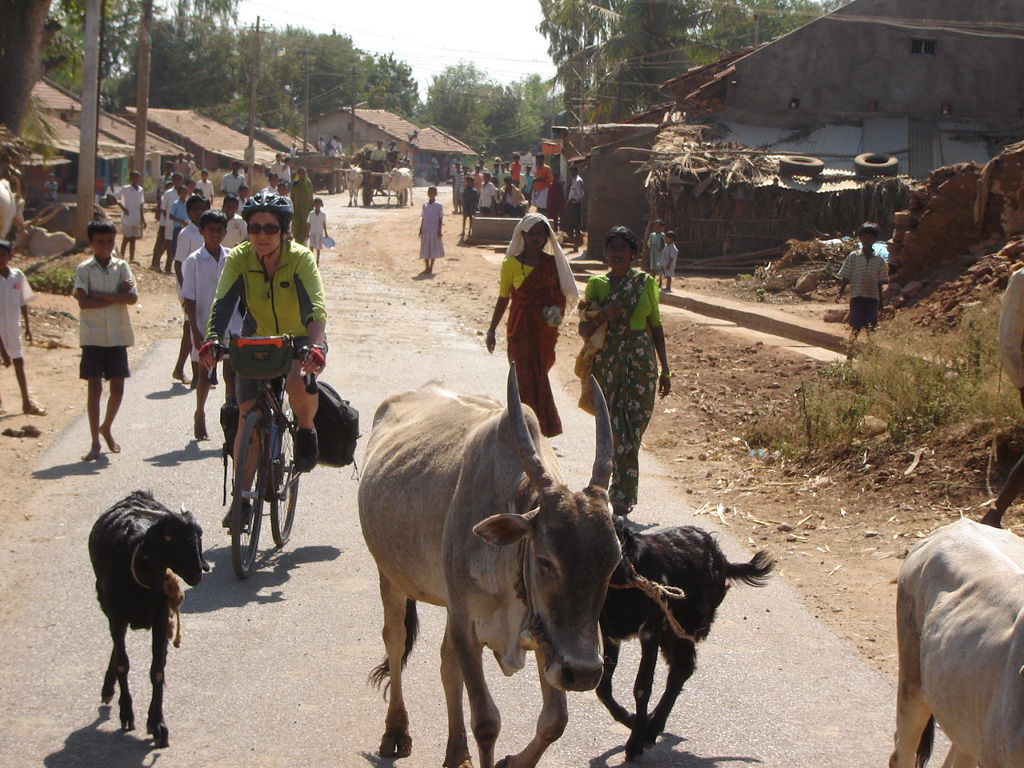
You never know which way animals will go. A horn works but a bell does not seem to.
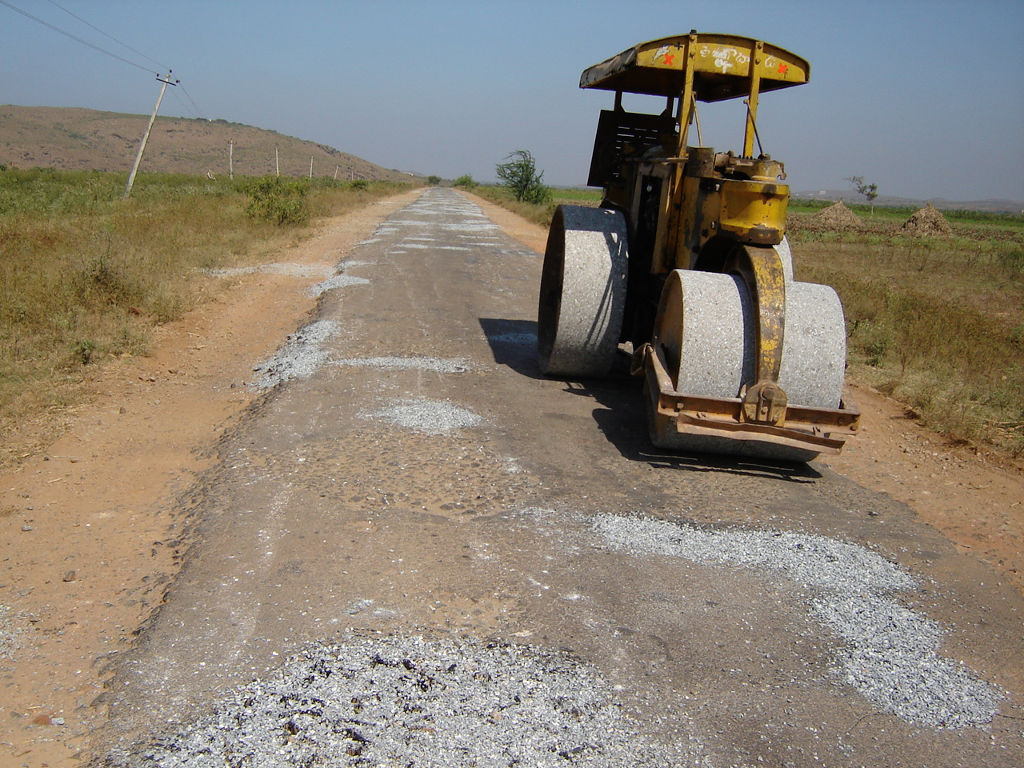
Many of the roads are poor but there is occasional patching up. The steamrollers are also used just to flatten out existing roads that have developed bumps.
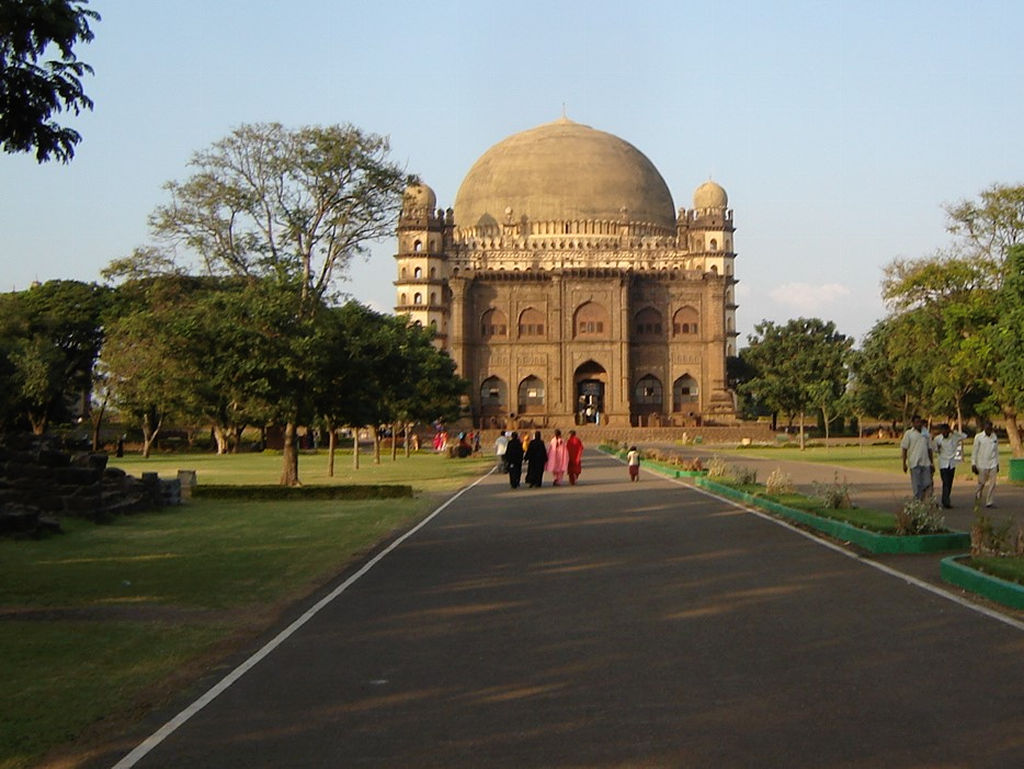
Gol Bumbaz in Bijapur. It was the inspiration for the Taj Mahal. But you can visit this site and not be swamped by tourists.
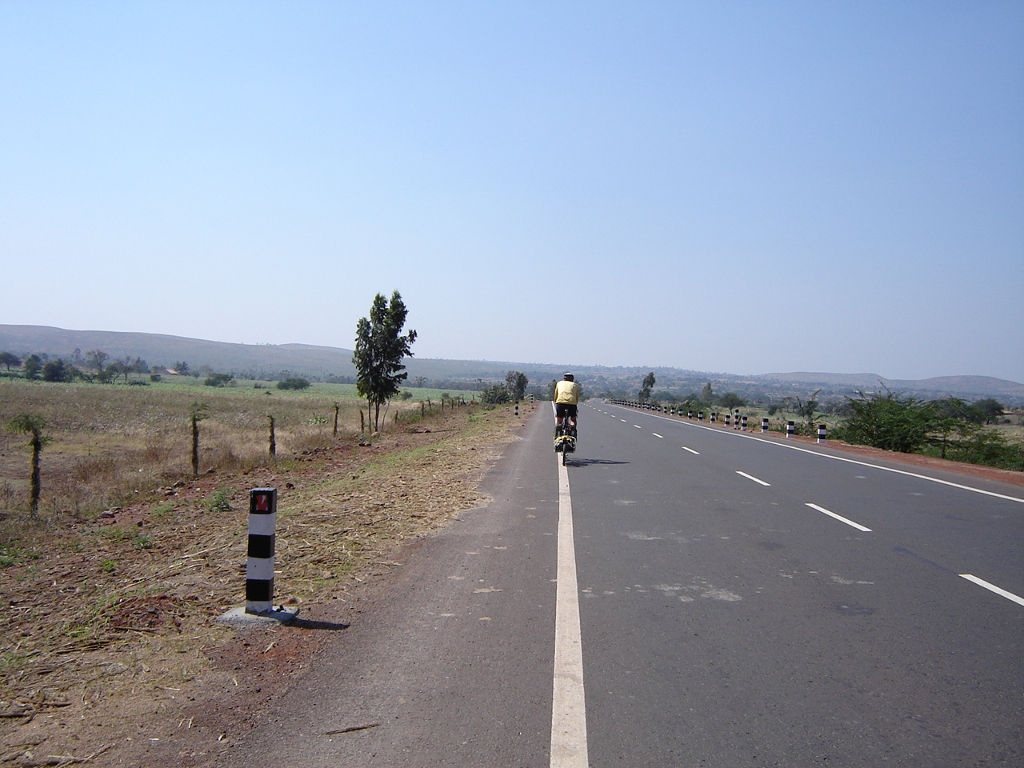
Heading SE to Belgaum we are on superbroads.
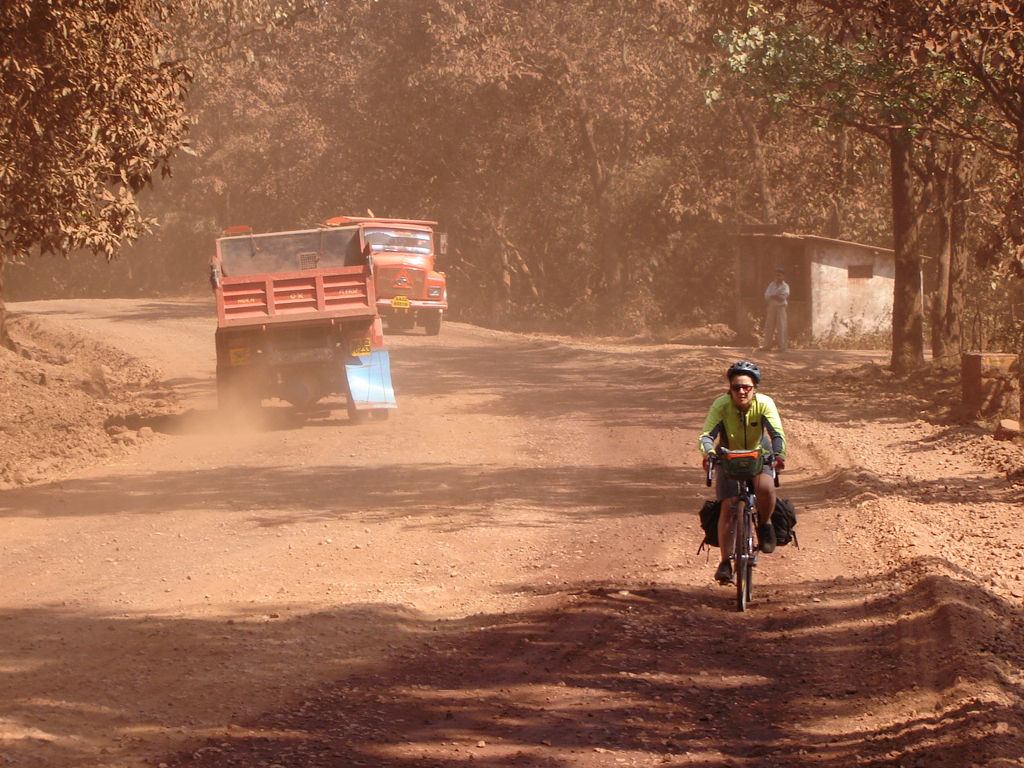
The road changes up in the range. There isa 20km stretch between a mine and a rail-head where the mining output (ironore) is all transported by lorry. The road is terrible.
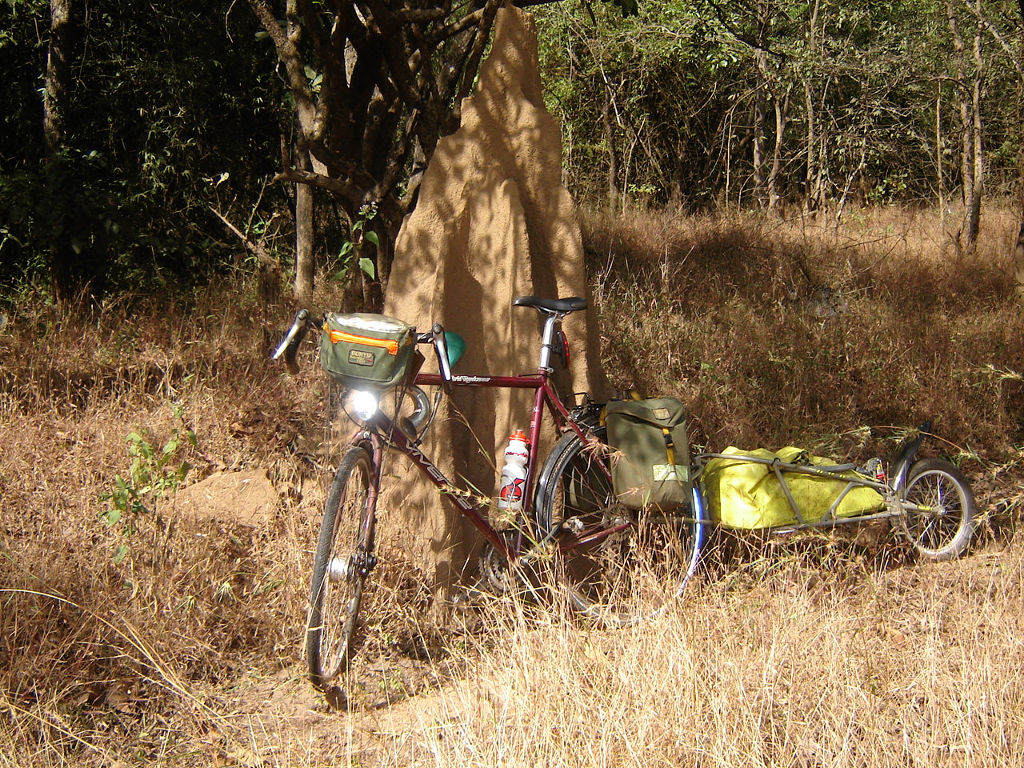
The rear carrier is Taiwanese alloy and I think I might try the German Cr-mo Tubus one. I should also get a rear light to run off the dynamo. The trailer is good but it is more difficult to fly if you have both a touring bike and a trailer.
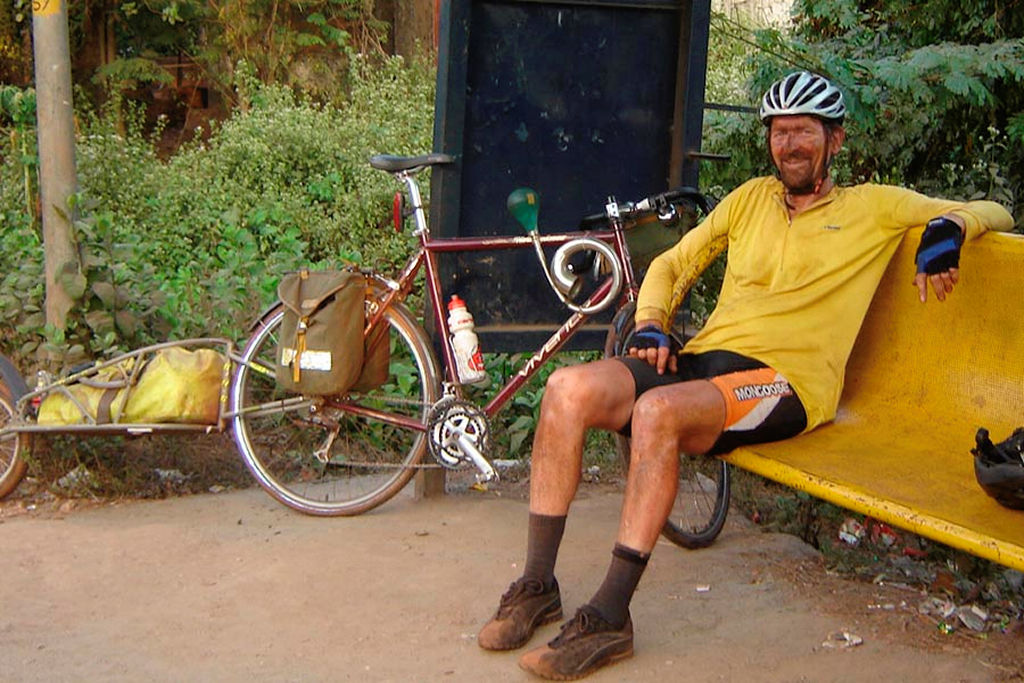
I’m including this shot to show the autorickshaw horn. As you can see that 20 km of road was pretty dusty.
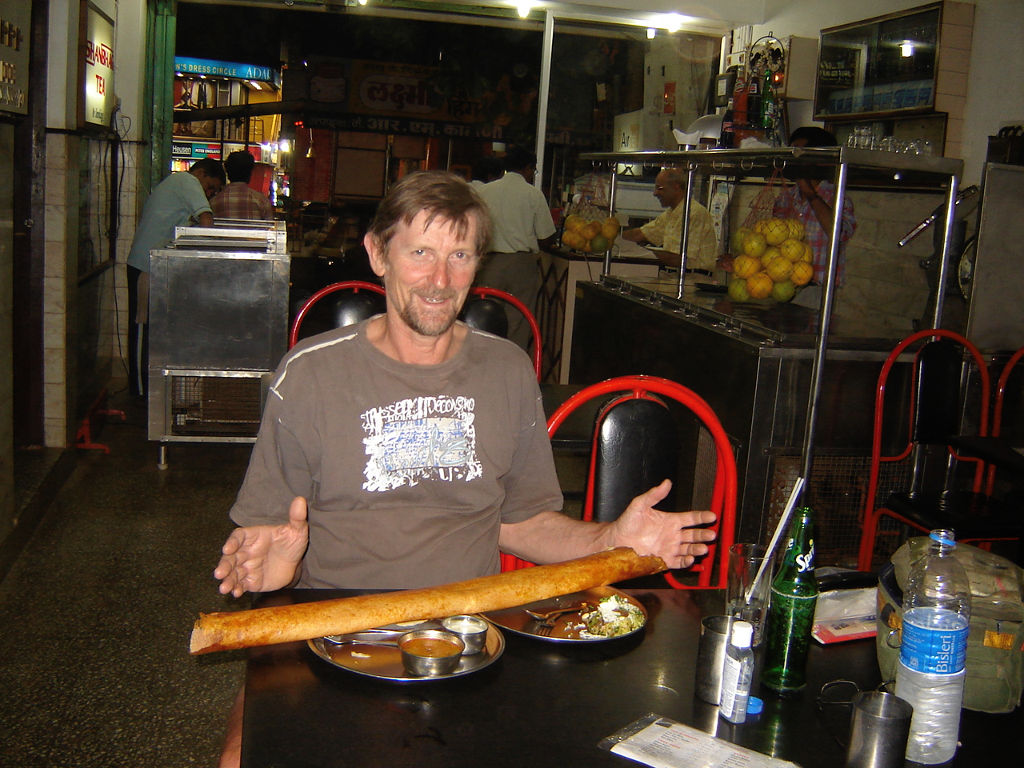
A very big paper dosa. India takes the prize for bike tourer’s food quality and its availability.
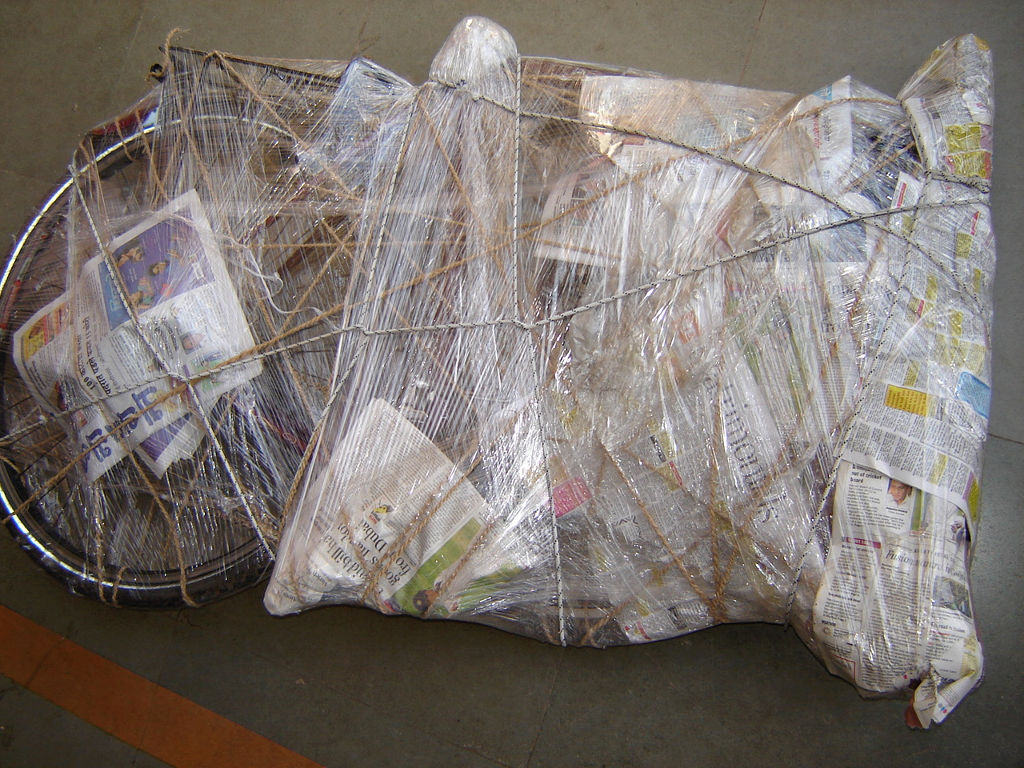
In Goa we adopt a new system of packing. Apart from some pallet-wrapping plastic that I have brought wrapped around a bit of doweling, the packing is done with things bought on the ride to the airport. Coir rope, bathmats, newspapers.
A ride from Istanbul to Sofia (Bulgaria) via Greece. We are both on the alloy frame Mongoose version of the Randonneur bike series from Gemini. I’m towing a BOB trailer.
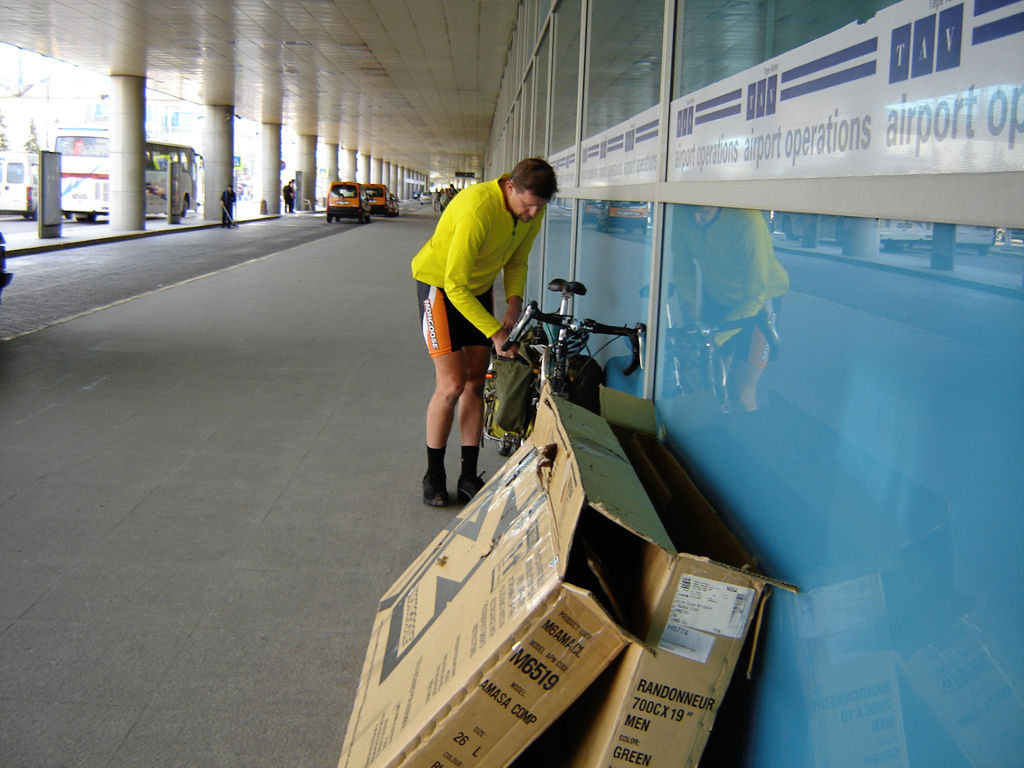
Outside IST (Istanbul airport) making sure everything is secure and safe.
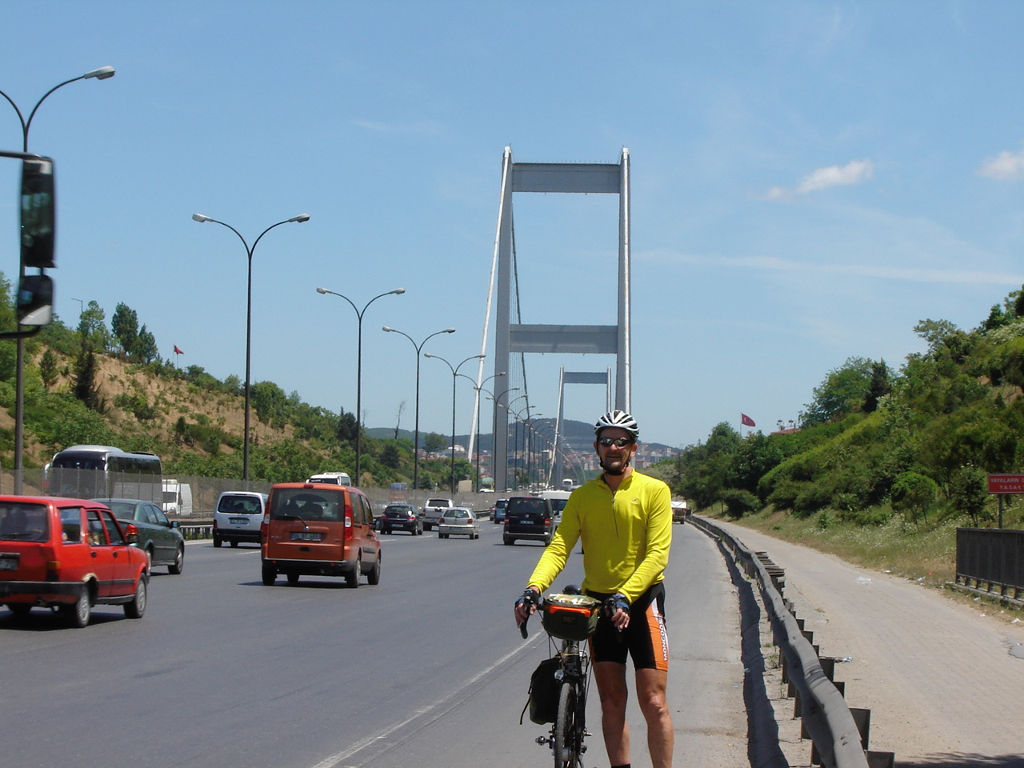
I’ve just been turned around by the guards as I tried to ride over the Bosphorus Bridge. It’s not fair.
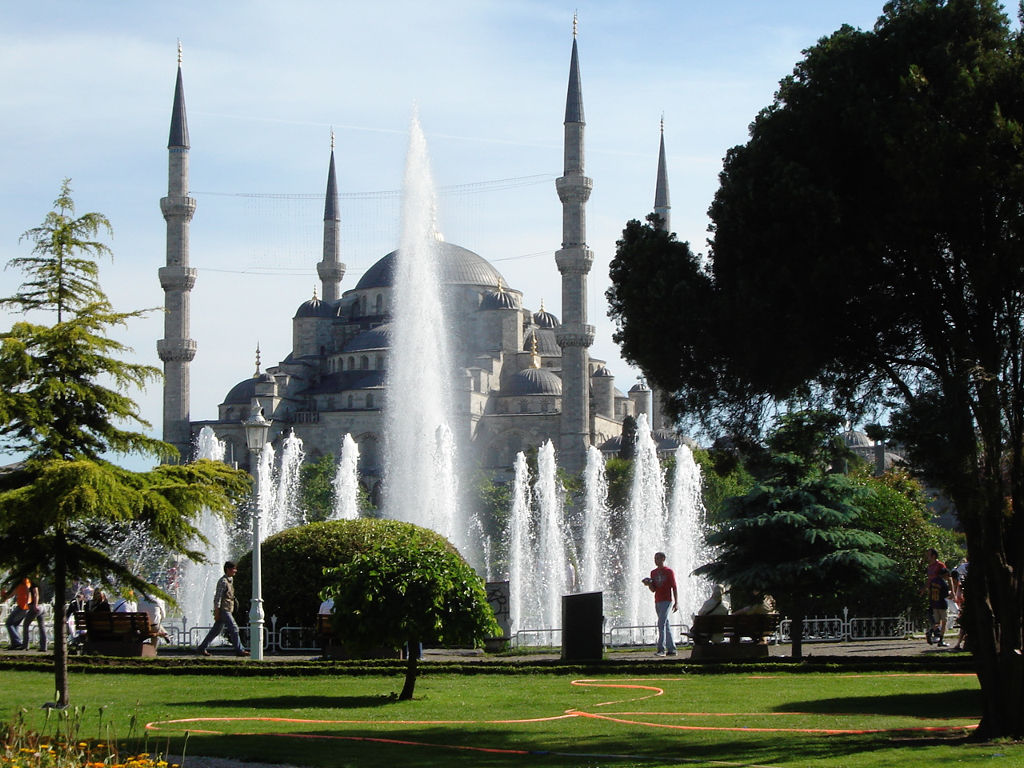
The Blue Mosque in Istanbul. The blue is on the inside.
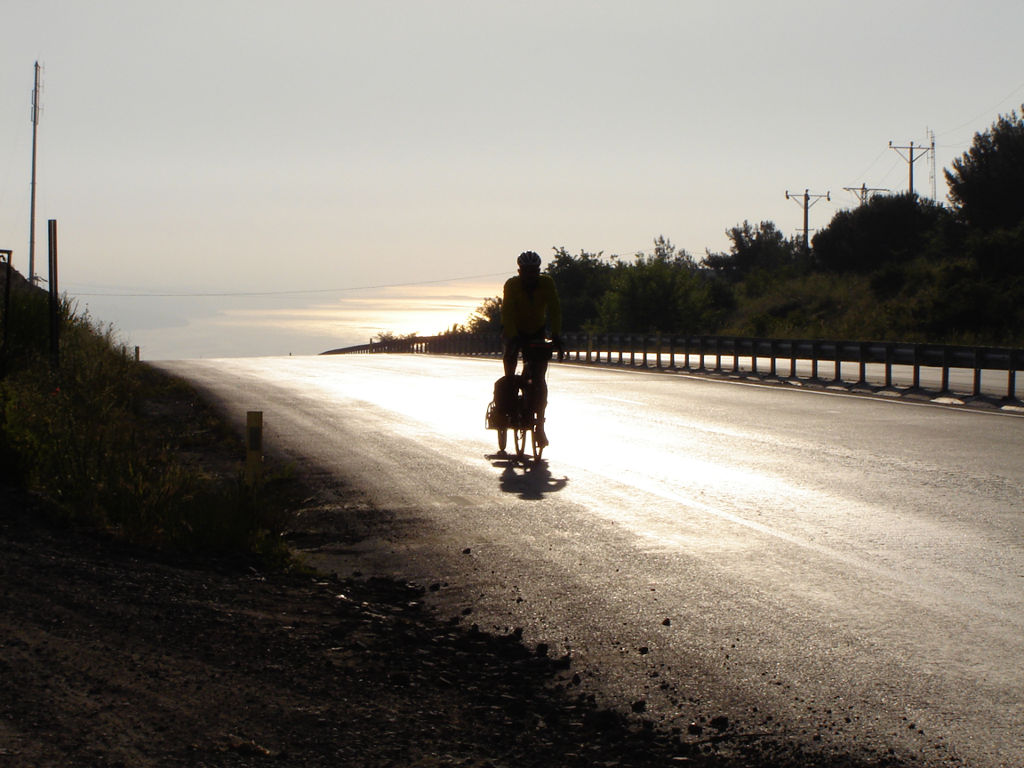
Climbing up and away from the Mamara Sea, moving west.
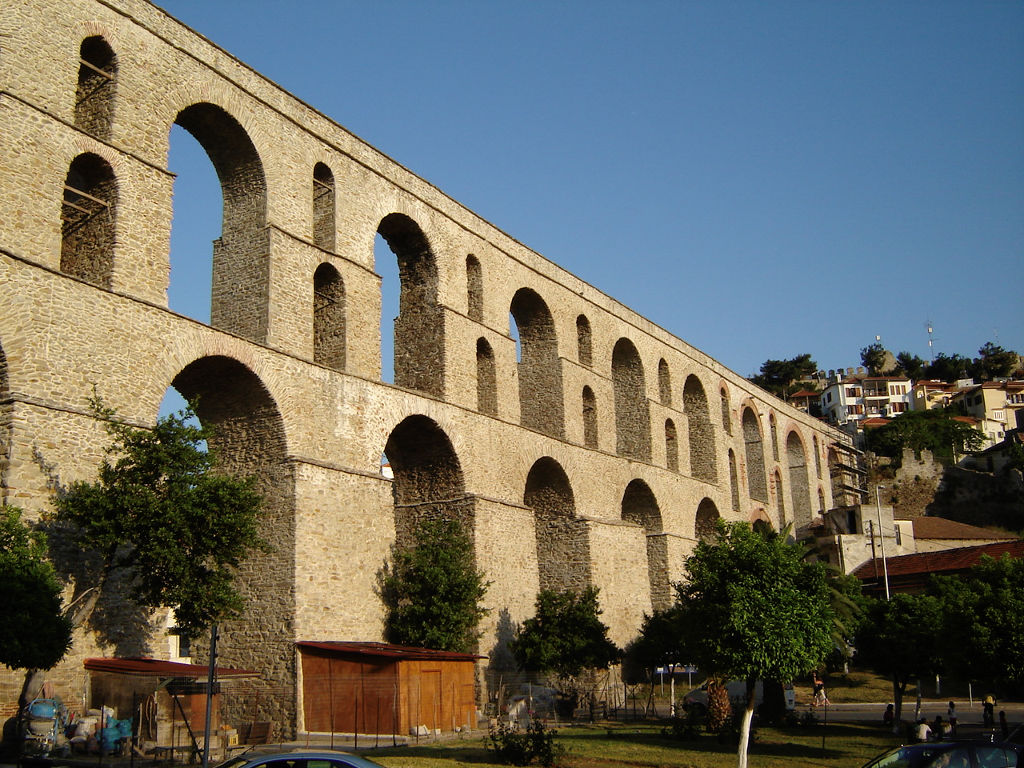
In Kavala, Greece, on the coast. This aqueduct is probably of Roman origin and was used up till 1911.
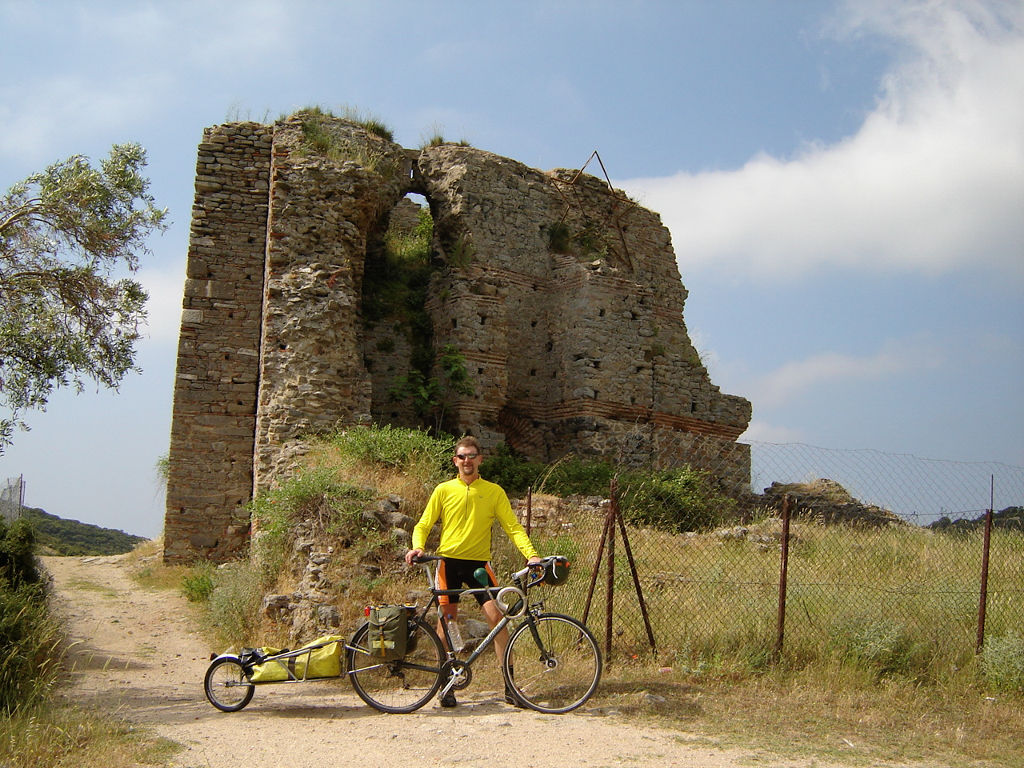
In northern Greece. The trailer is going well. It is great being able to put anything (eg a big watermelon) in.
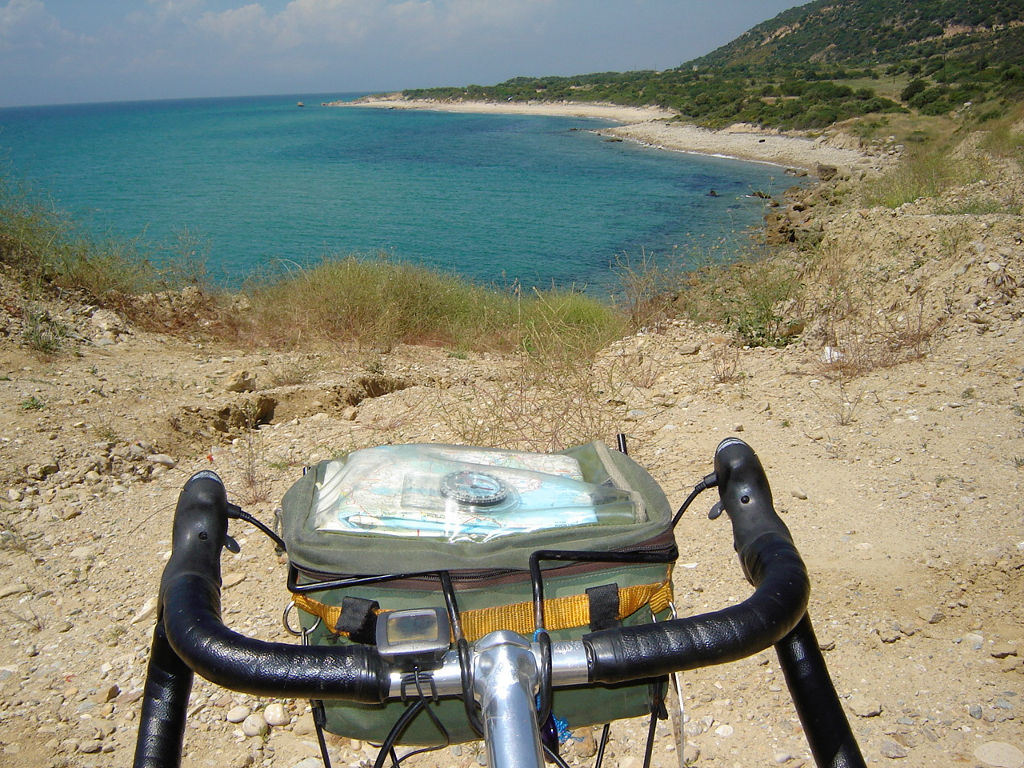
Probably the last trip for this old Bunyip handlebar bag. Time to try the Ortlieb clip on. More secure over bumps.
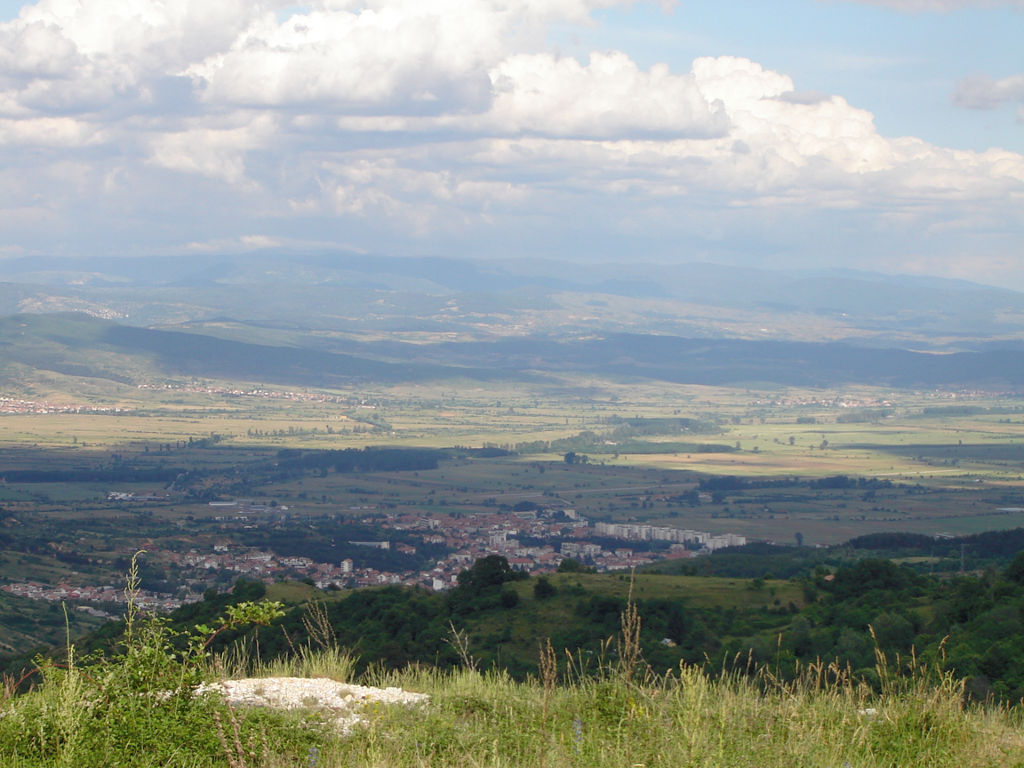
In northern Greece. Some big ranges with vistas. This one is looking SE.
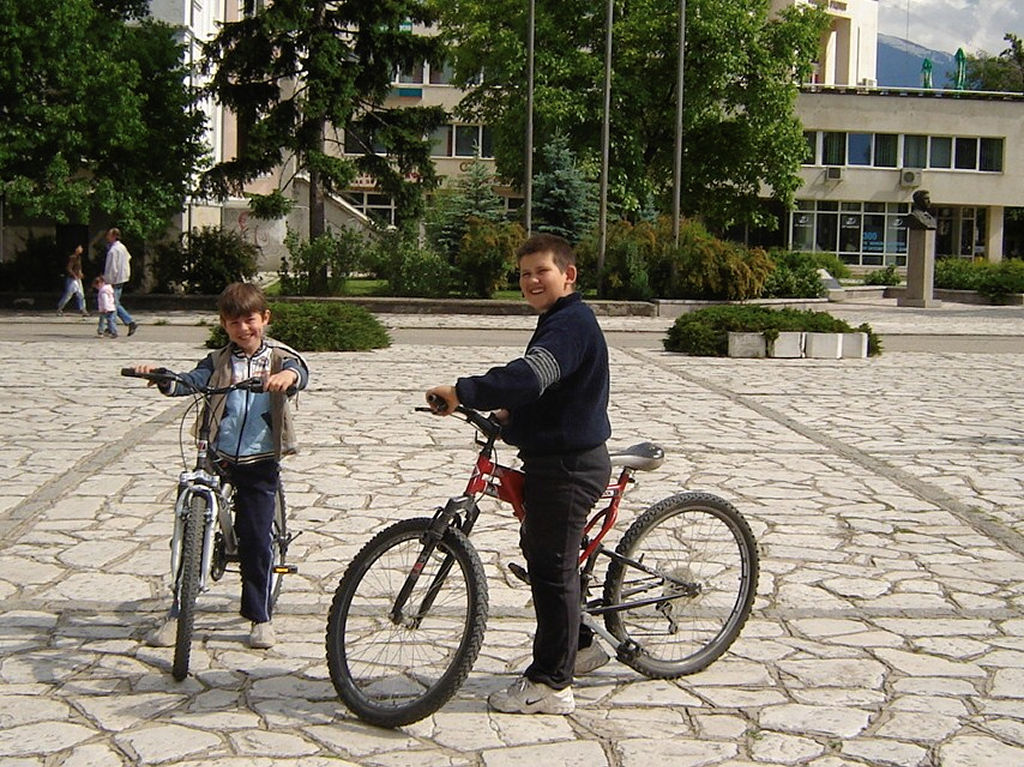
Boys on bikes. In Razlog Bulgaria. They followed us around on a rest day and when we finally got back to our hotel they parked outside. Kids on bikes often befriend bike tourers.
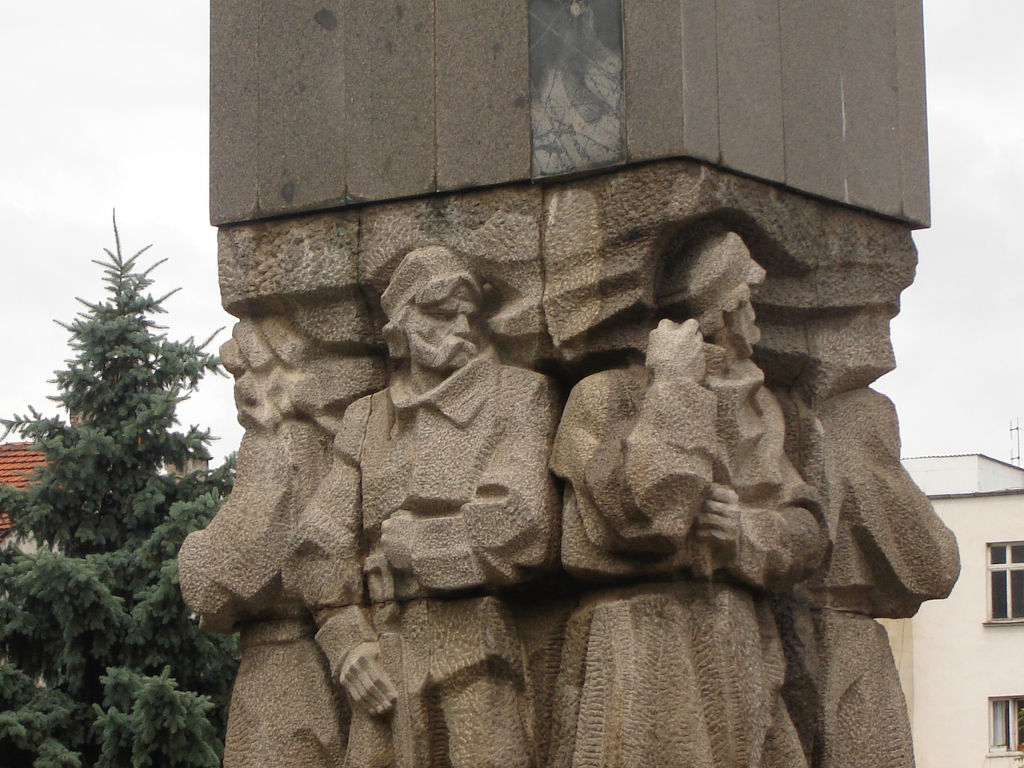
This is a good example of the local Bulgarian style of rock carving. Very chunky and lots of it.
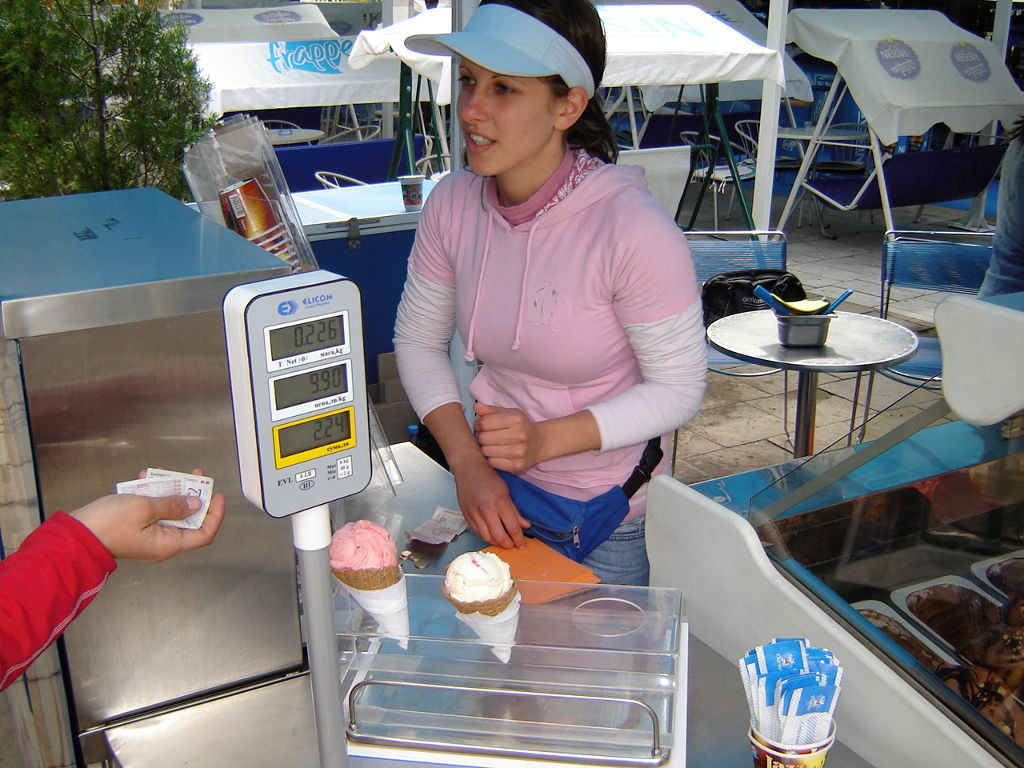
The icreams here are served in cones which are placed on special scales. You pay for what you get.
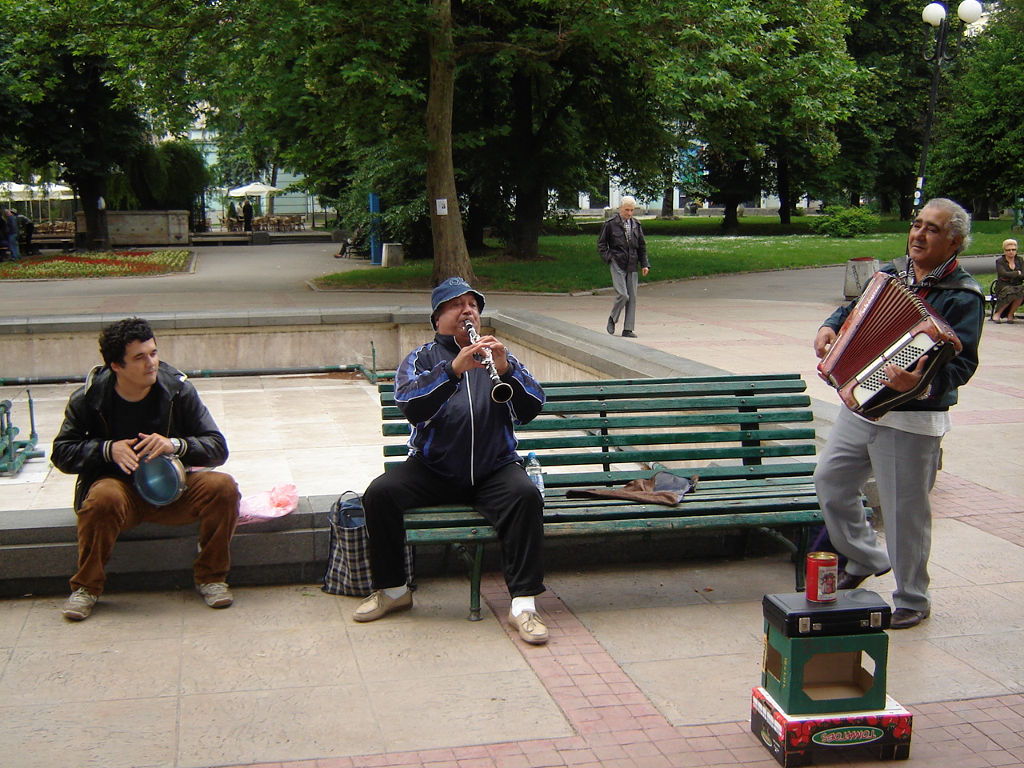
In Sofia the buskers in the central park are playing up a storm.
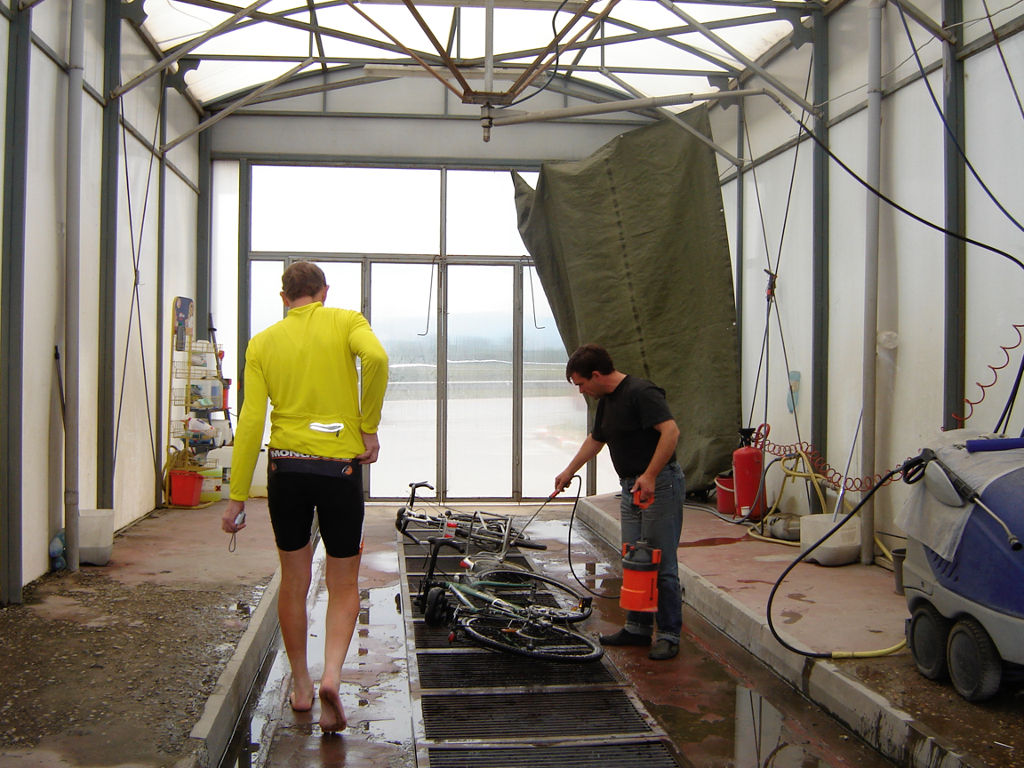
Why didn’t I think of this before? This is such an efficient and easy way to wash the bikes ready for Australian quarantine.
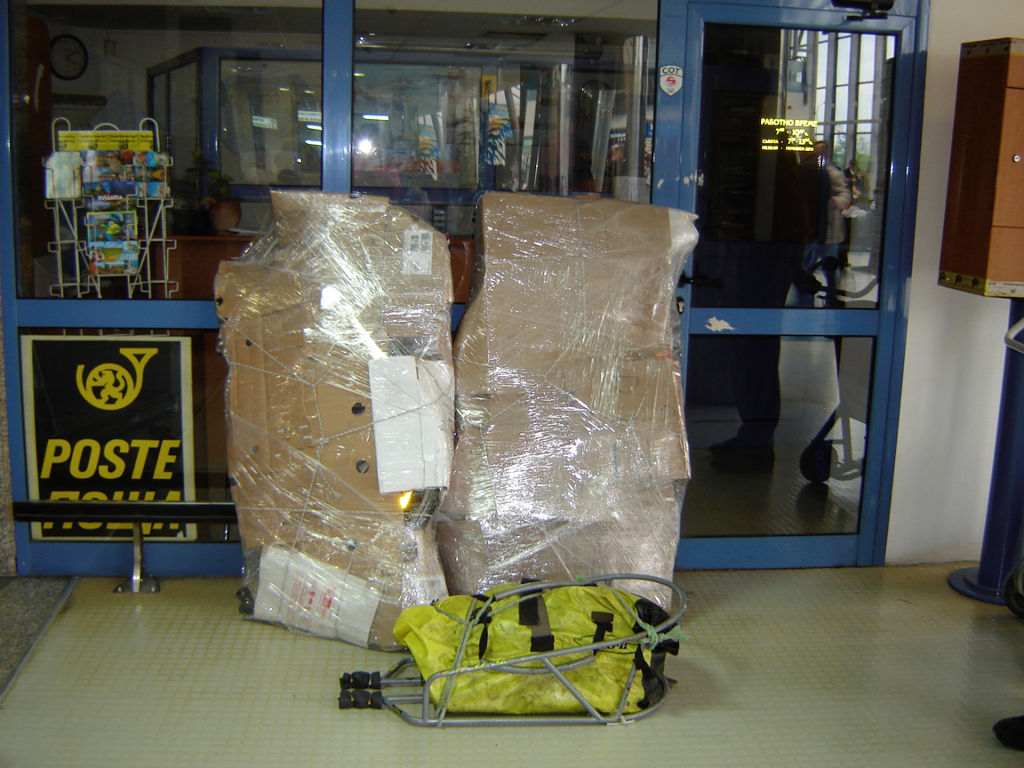
It was hard to find cardboard in Sofia. But the trailer made it quite easy. After packing at the airport with packing tap[e and rope, the plastic wrapping machine finished them off well.
A ride from Zurich airport to Romanshorn, the Swiss port on Bodensee where the ferry departs for the German side and Friedrichshafen where Eurobike is held.
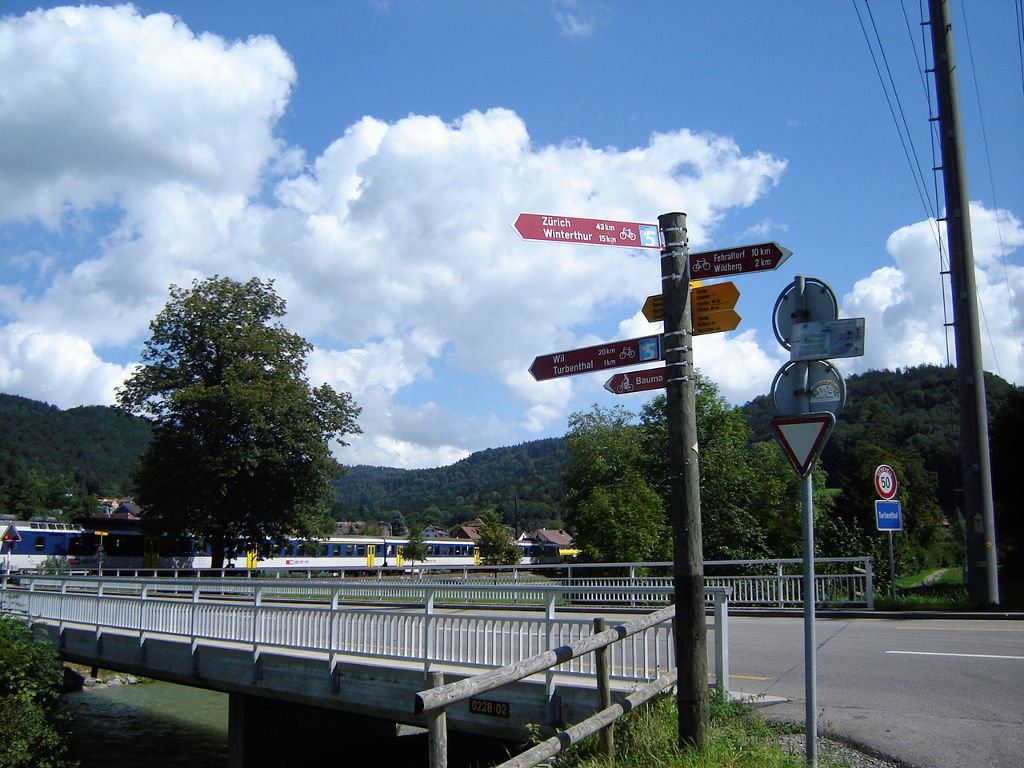
Being from Australia I instinctively use the roads, and the signs on the roads, to work out which way to go. But here there are no cyclists mixing it with the cars and there is a maze of bike routes. Will I go on the car-roads and follow their signs or only follow the bike signs?
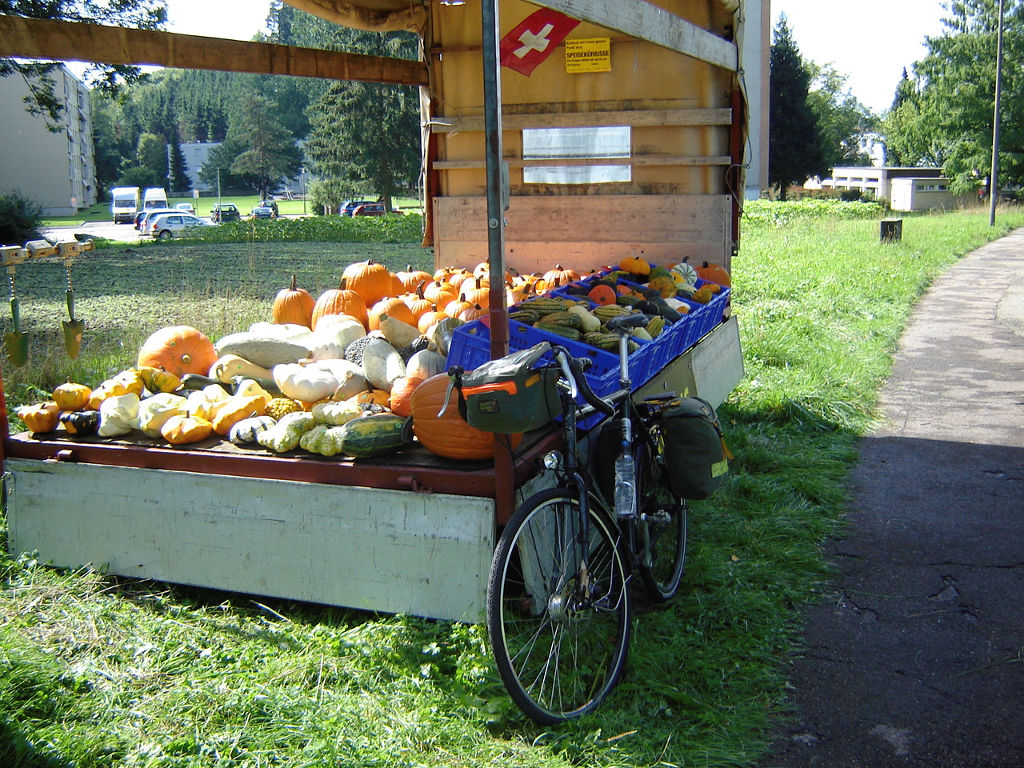
It is all very pretty in Switzerland.
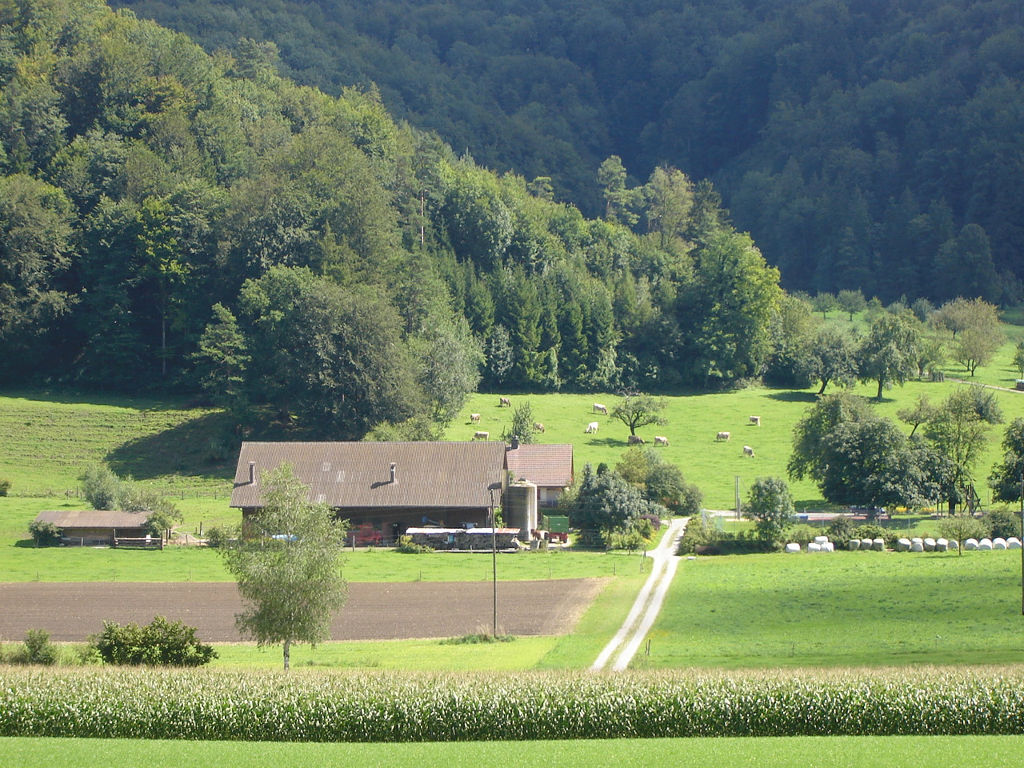
Continuing to be pretty.
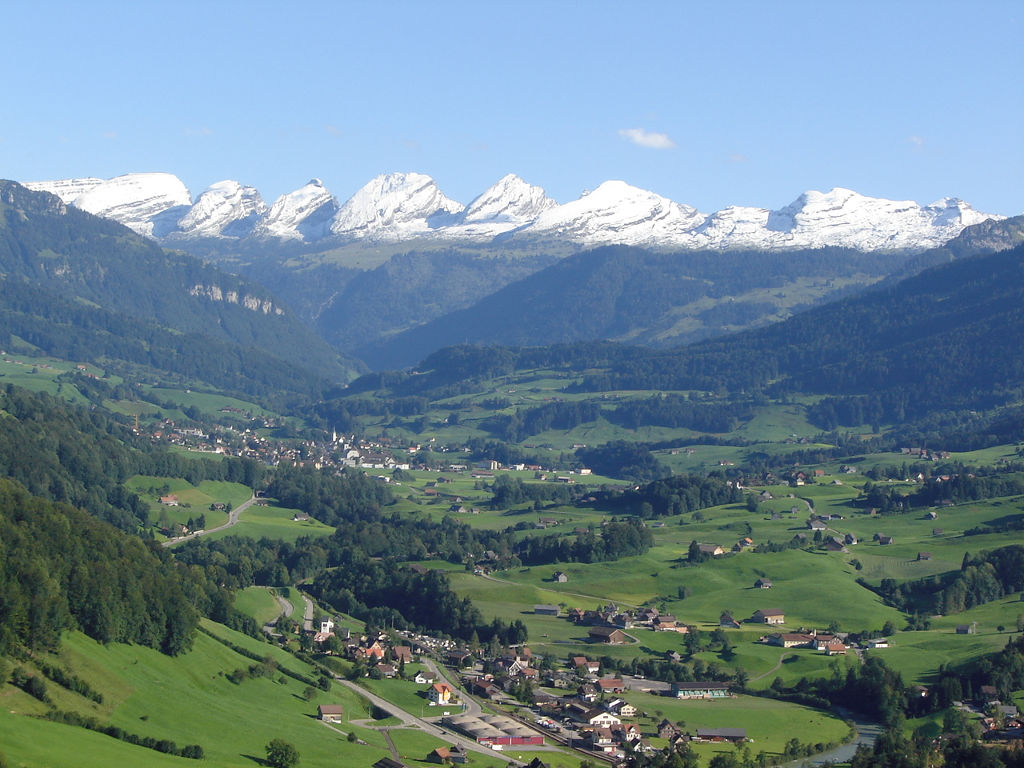
Now it is beyond pretty. Glad I don’t have to climb that!
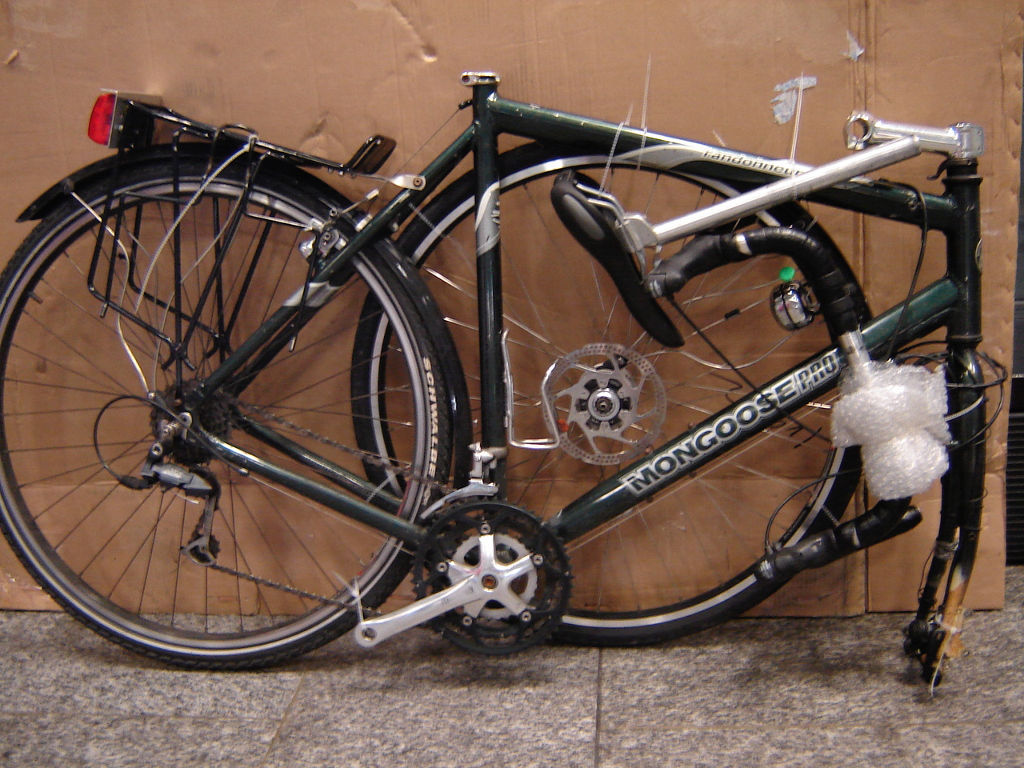
I ride back to Zurich taking a different but also pretty route. It is my last tour on the Mongoose and alloy frame version of the Randonneur that began as a steel Gemini Randonneur in 1981.
A ride up the west coast of New Zealand’s South Island. The airport is at the very south (Invercargill) so we rode across Southland and the Haast Pass to get to the west coast. There had been a record breaking drought. Two days after leaving Greymouth at the end of the ride there were massive floods on the west coast. We just made it. The Invercargill to Greymouth ride is surely one of the best in the world.
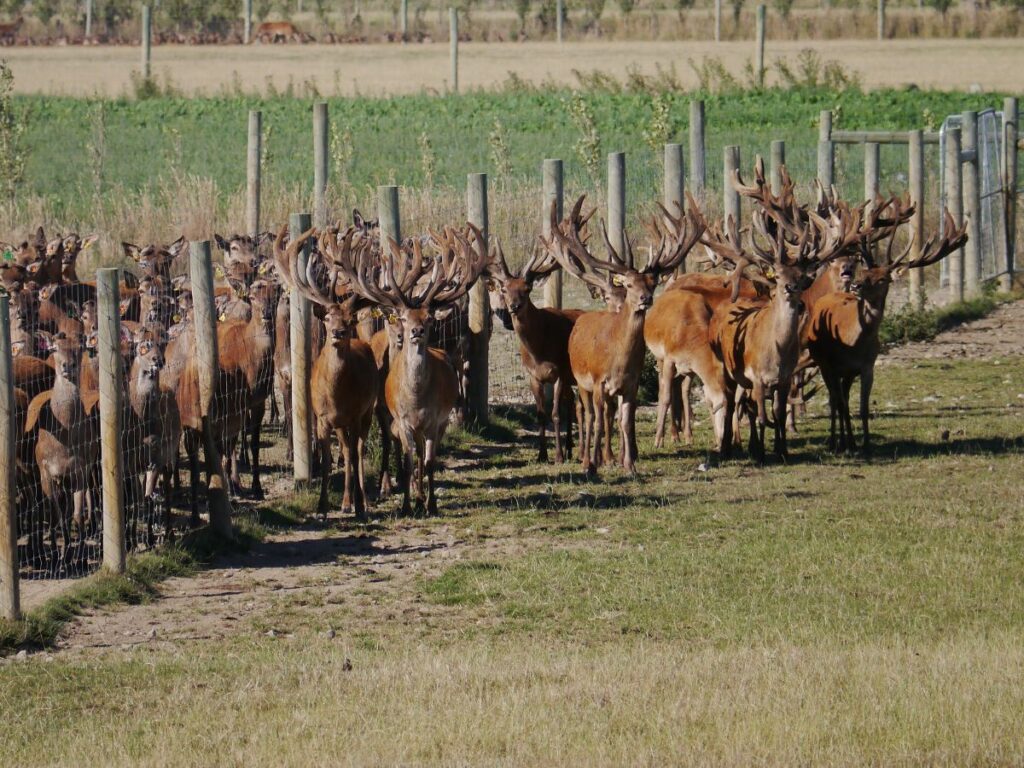
Most of the fences are two metres high and this is the reason why. Deer farming is huge in Southland.
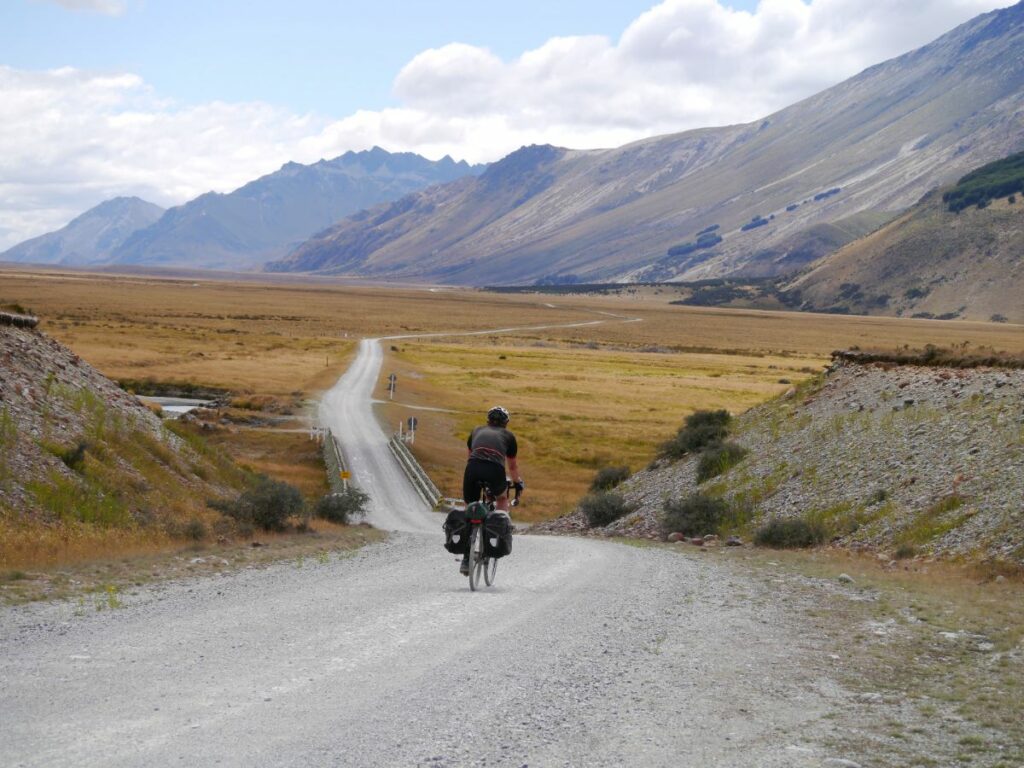
From Mossburn to Mount Nicholas Station (103km). This is a dead end track so no traffic apart from a few bikes.
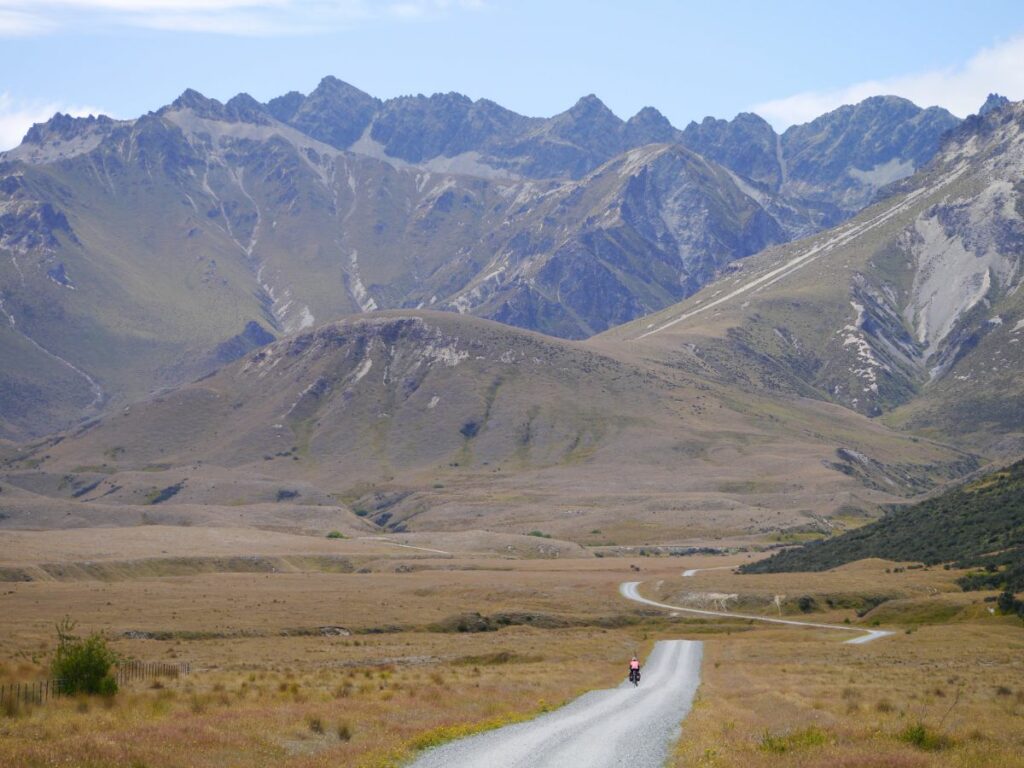
We are on a cycle route called the TA, short for Te Araroa. Stick to the TA and you will see the most amazing landscapes.
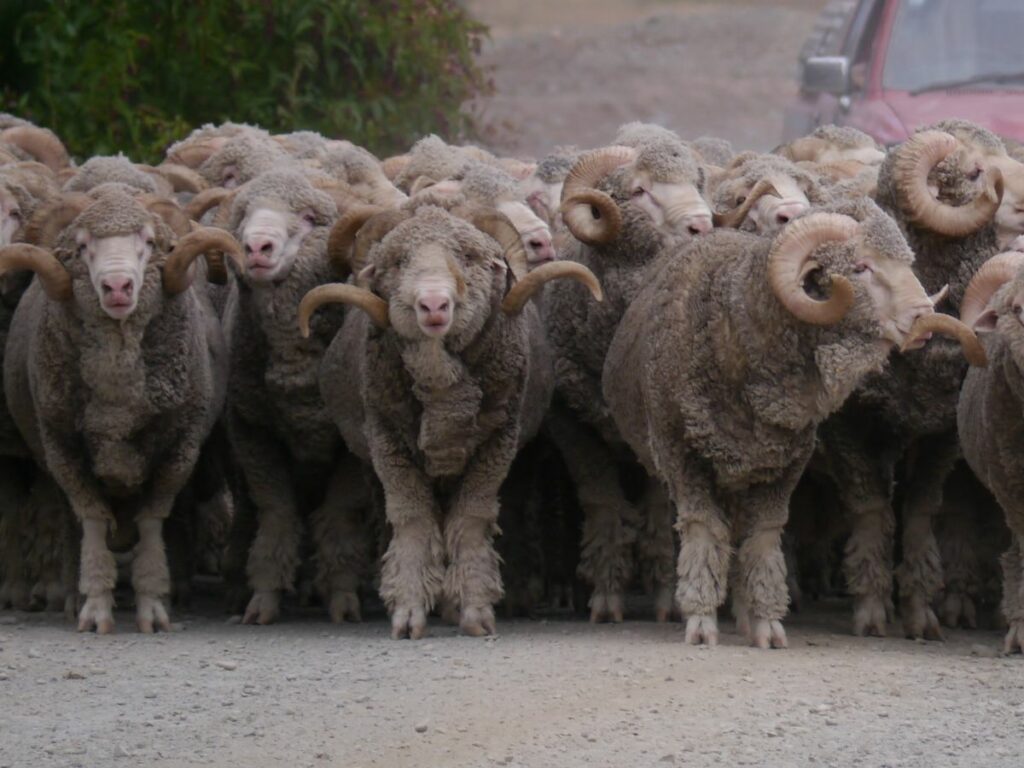
At Mt Nick Station, where they run 31,000 sheep, we are greeted by about 100 merino rams. All on standby.
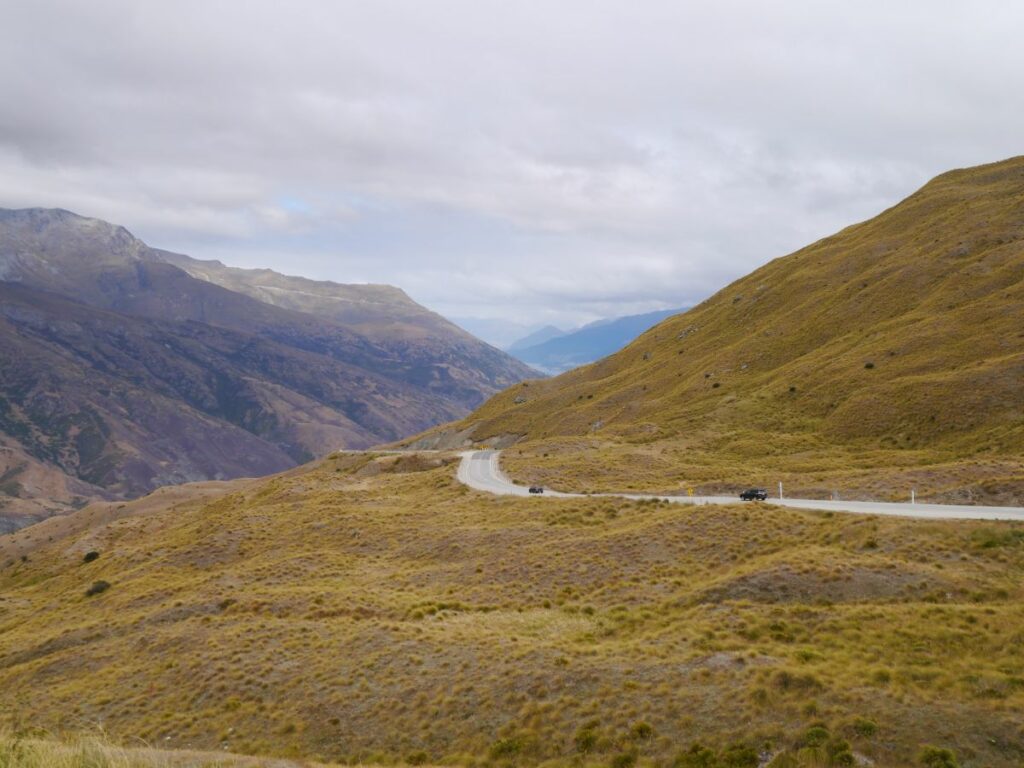
From Queenstown to Wanaka there is a route across the Crown Range, the highest paved road in NZ. The Cardrona Pub is a must-stop on the north side.
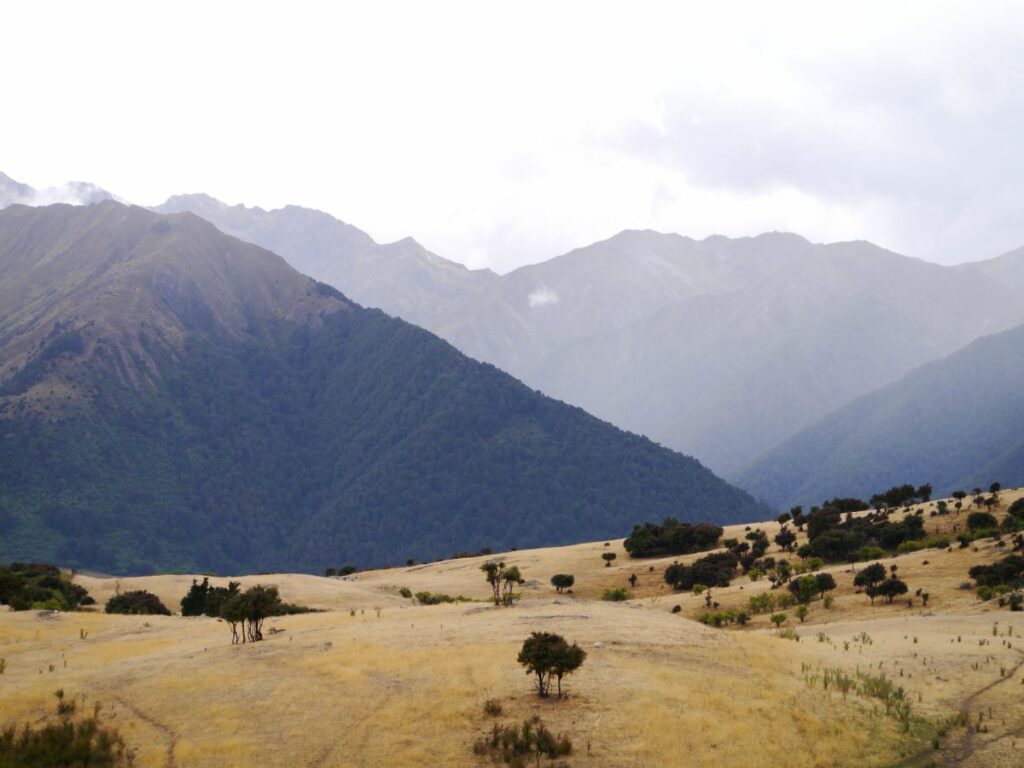
Between Wanaka and Makarora the route passes along some big lakes. This is near The Neck.
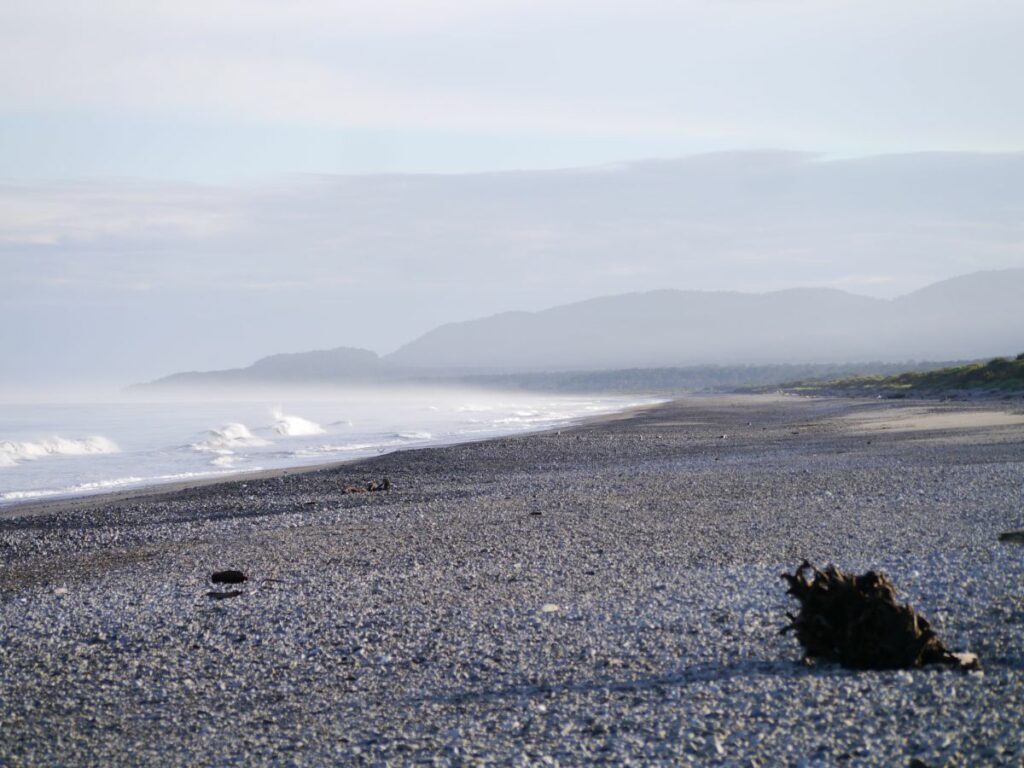
Now we are on the West Coast, in Westland. This is just north of Haast. It is a very wild coastline.
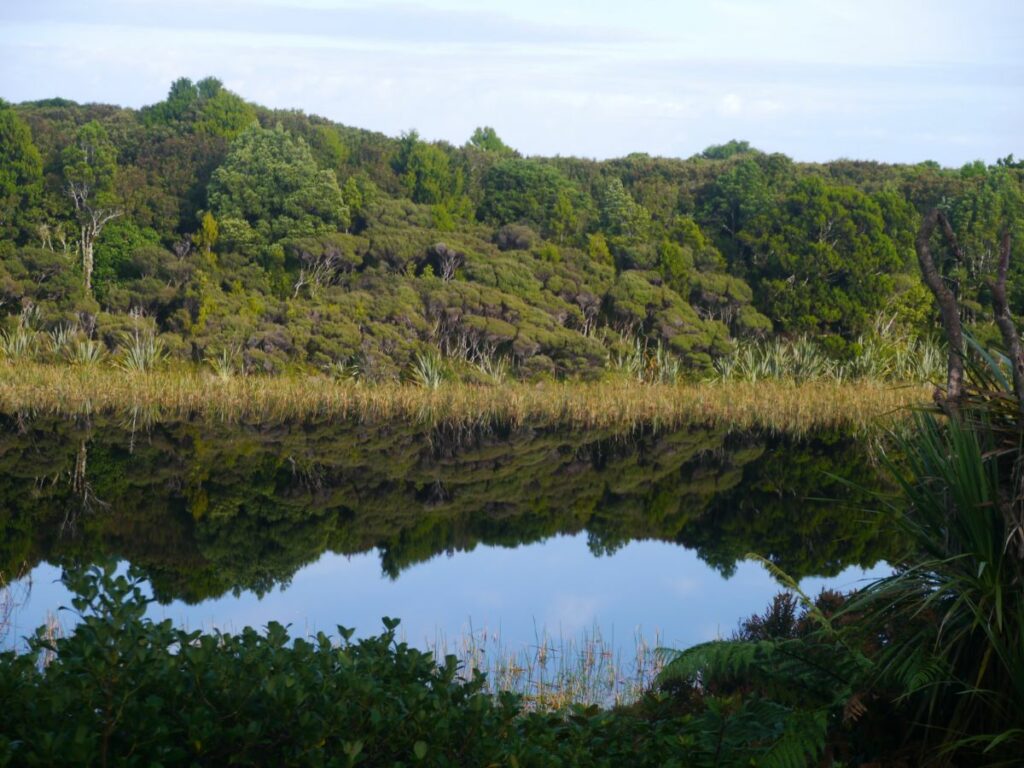
The sand dunes have formed freshwater lakes along the coast.
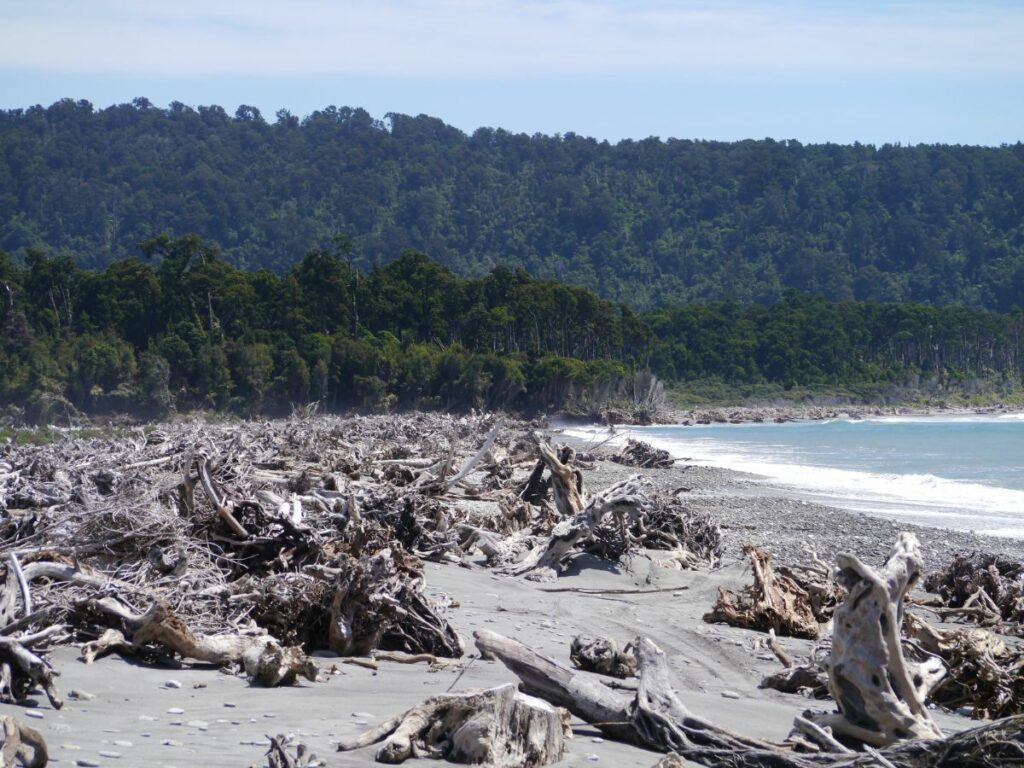
Moving north we often touch the coastline and witness the power of nature. High rain and snowfall in the mountains result in huge rivers smashing trees down into the ocean. Storms then throw them up onto the beaches.
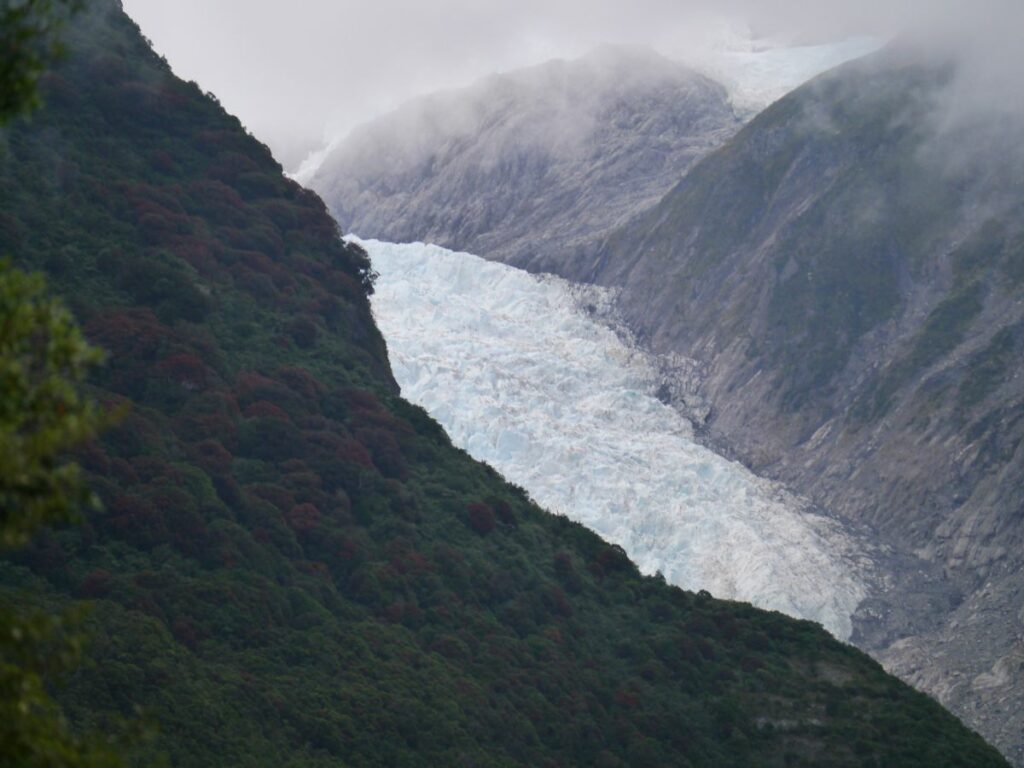
Franz Josef Glacier. You can ride into the valley and it is a 20-minute walk.
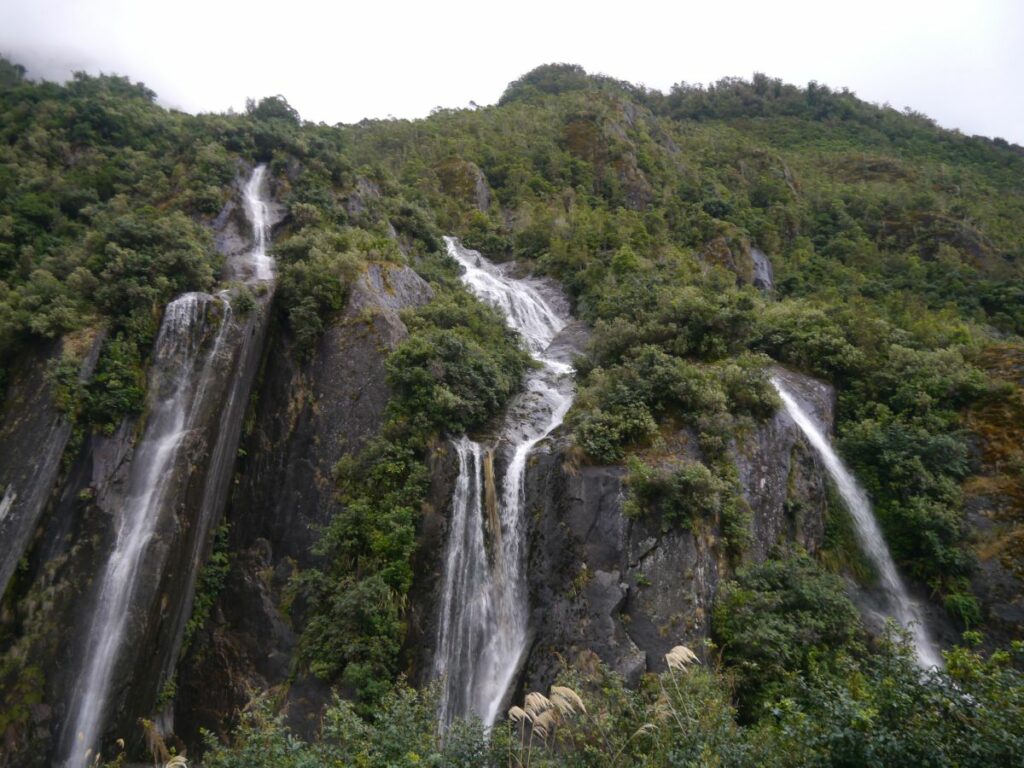
Even though it has not been raining recently there is water pouring out of the mountains.
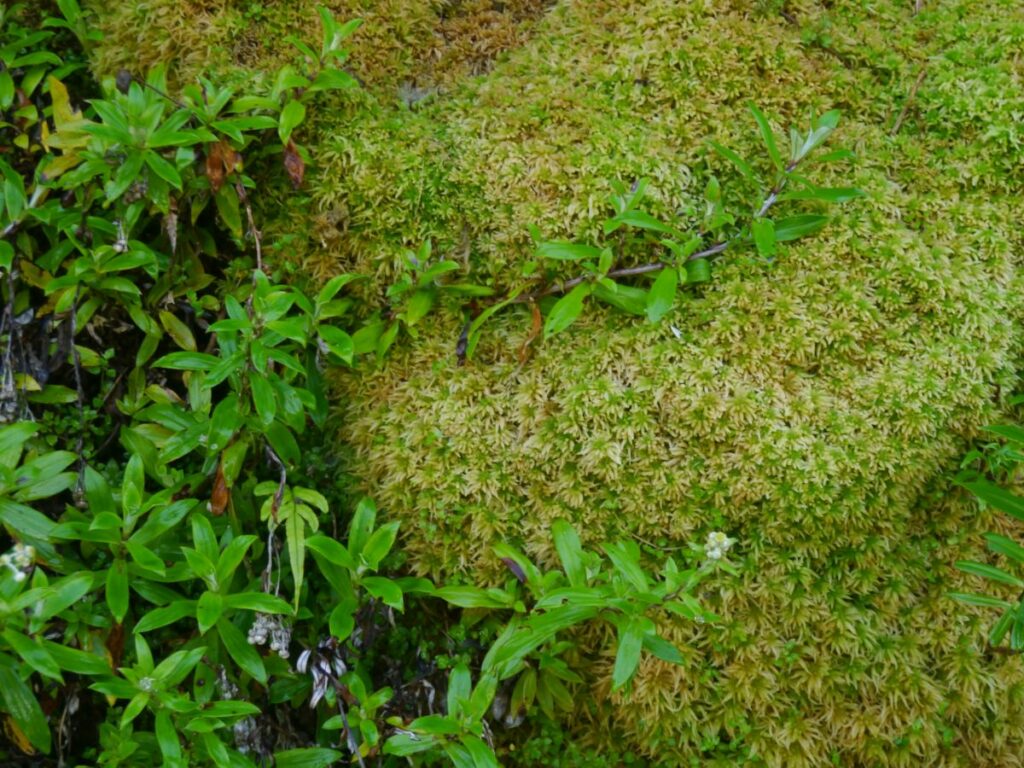
Moss on the roadside. You can push it and find it is like a pillow. Everything is so clean!
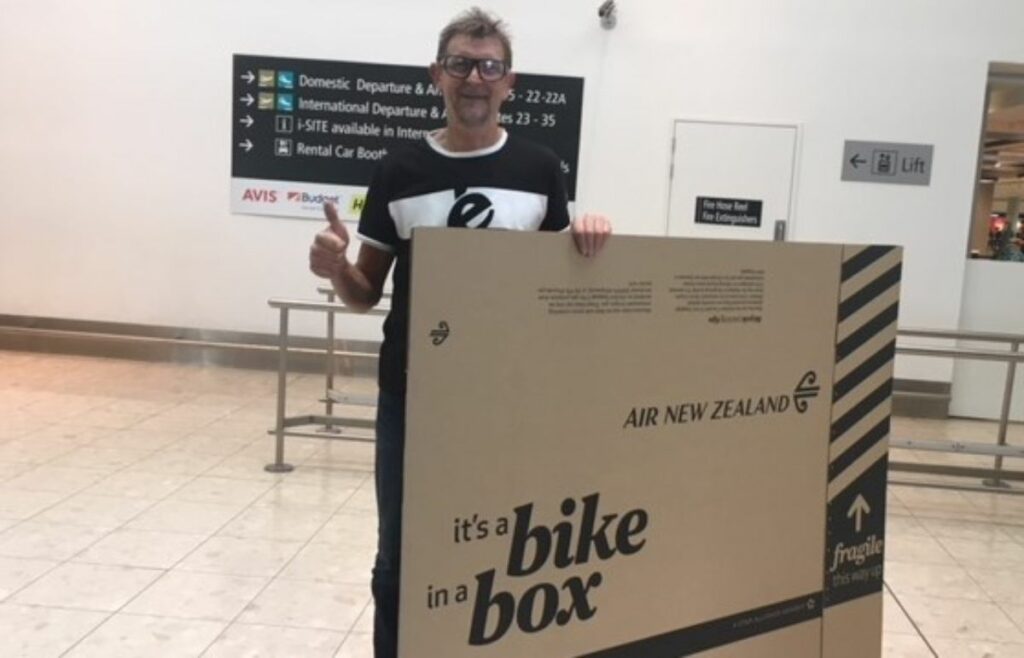
We have bussed from Greymouth to Christchurch airport. Air New Zealand sells bike cartons including to passengers on other airlines. Very civilised.
A ride from across France and Belgium to Dusseldorf. After attending Eurobike I caught the train to Basel. On the train I met a German mother and son who were also going to start a ride in Basel. We rode together at first. After we went different ways and mine took me through Nancy, Reims, Lille, Bruges, Antwerp and finally Dusseldorf.
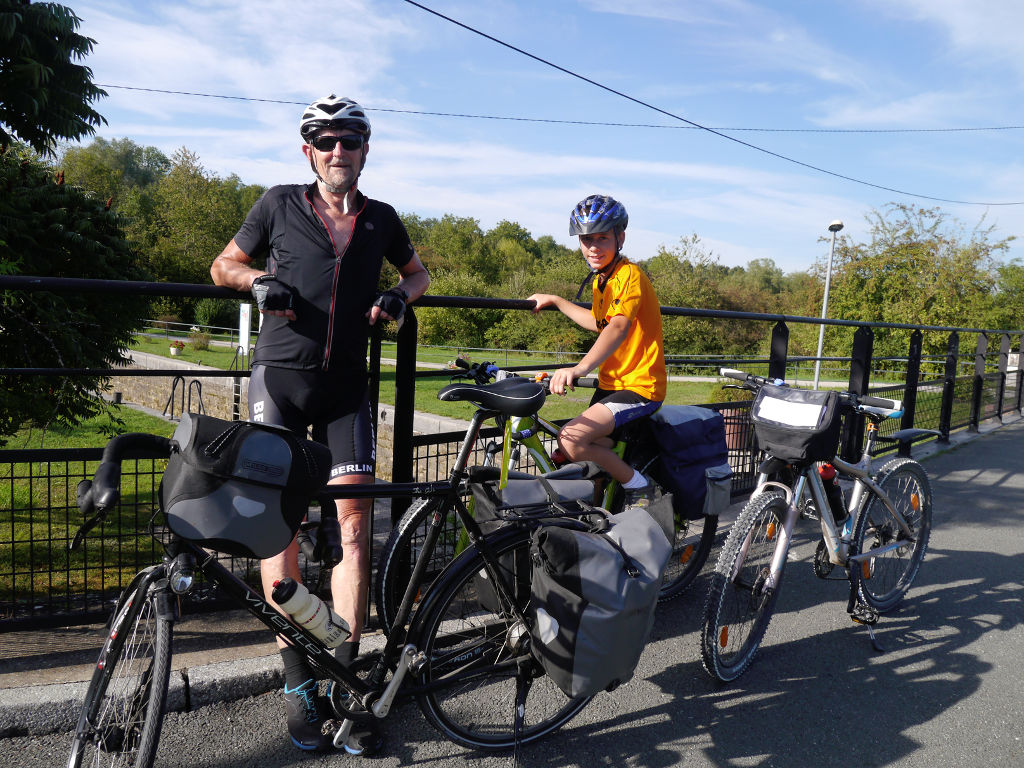
With young Kai on the Canal du Rhone au Rhin. Heading to Mountbeliard.
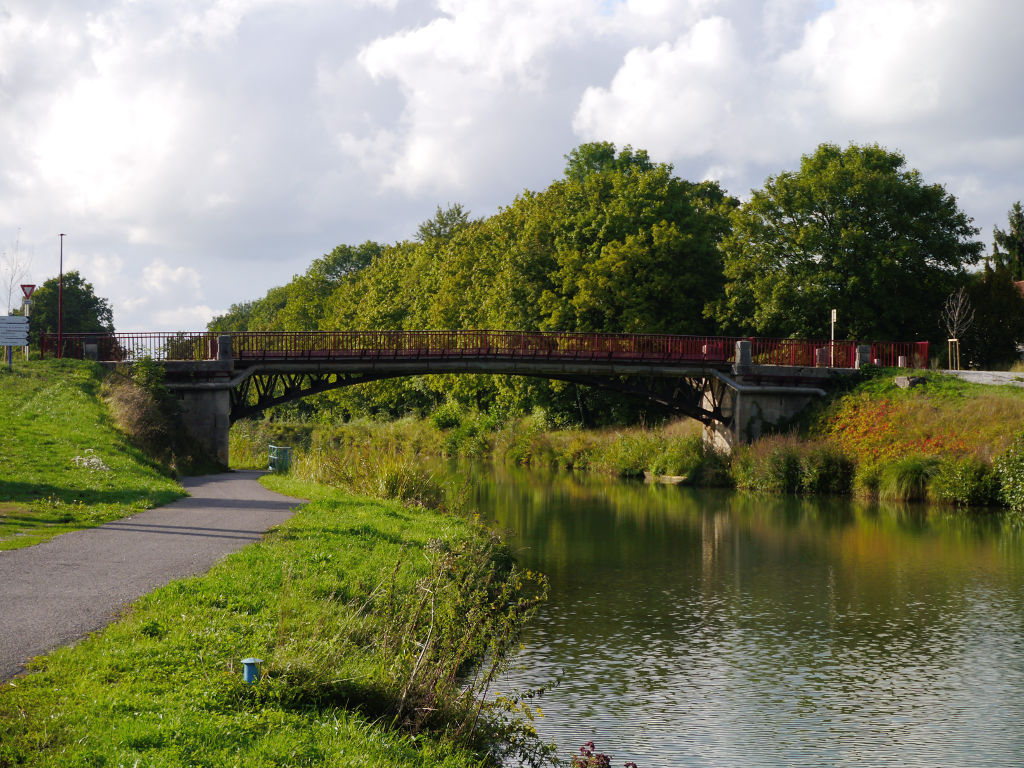
Days later I stumble across another canal going my way for nearly three days. The Canal Champagne et Bourgogne. It is superb. This is one of a classic style of bridge to be seen along this canal.
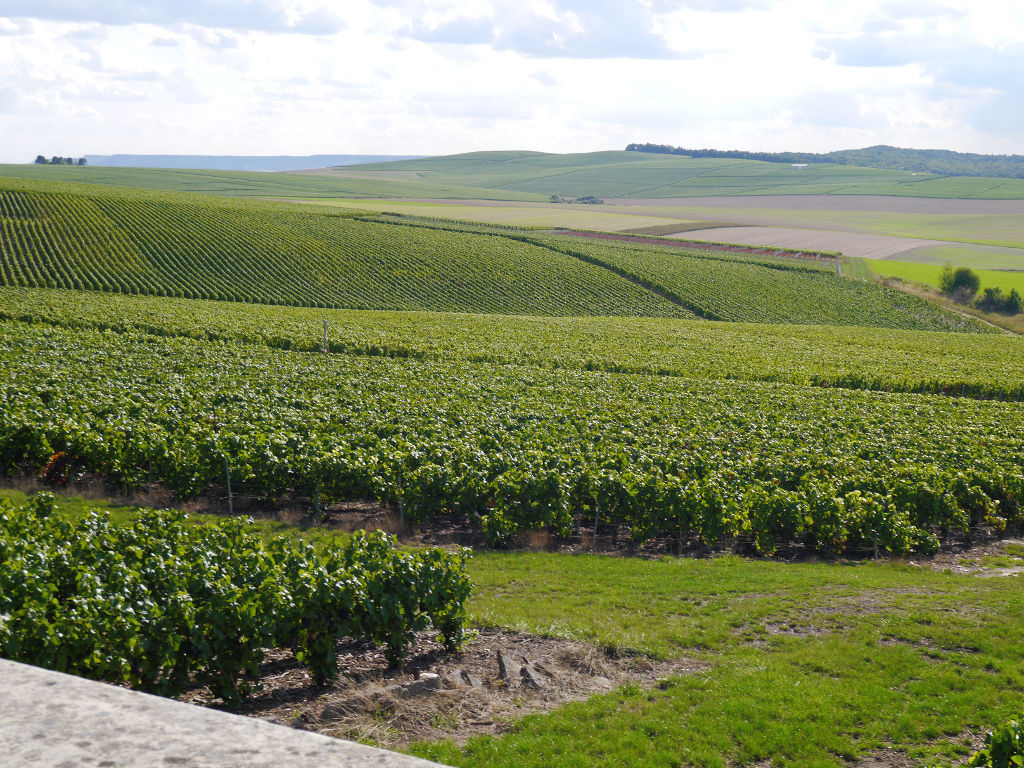
Through the Champagne region.
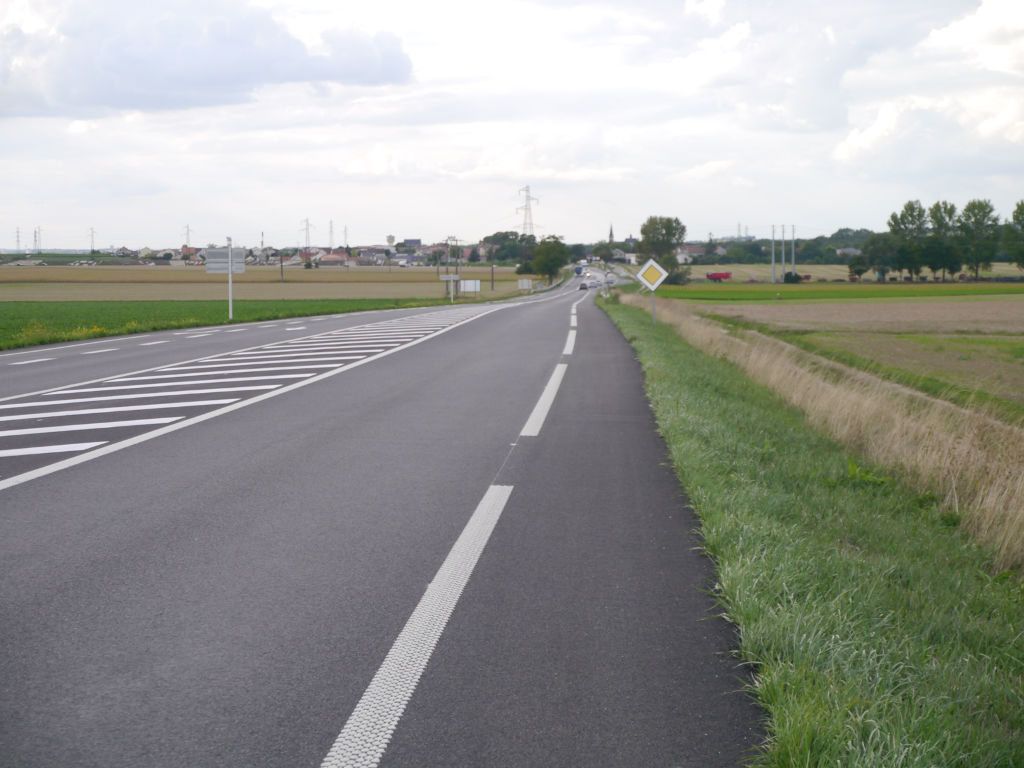
Perhaps all of France is the same. But I am developing a theory that the north of France is the best. I can’t fault it for bike touring quality.
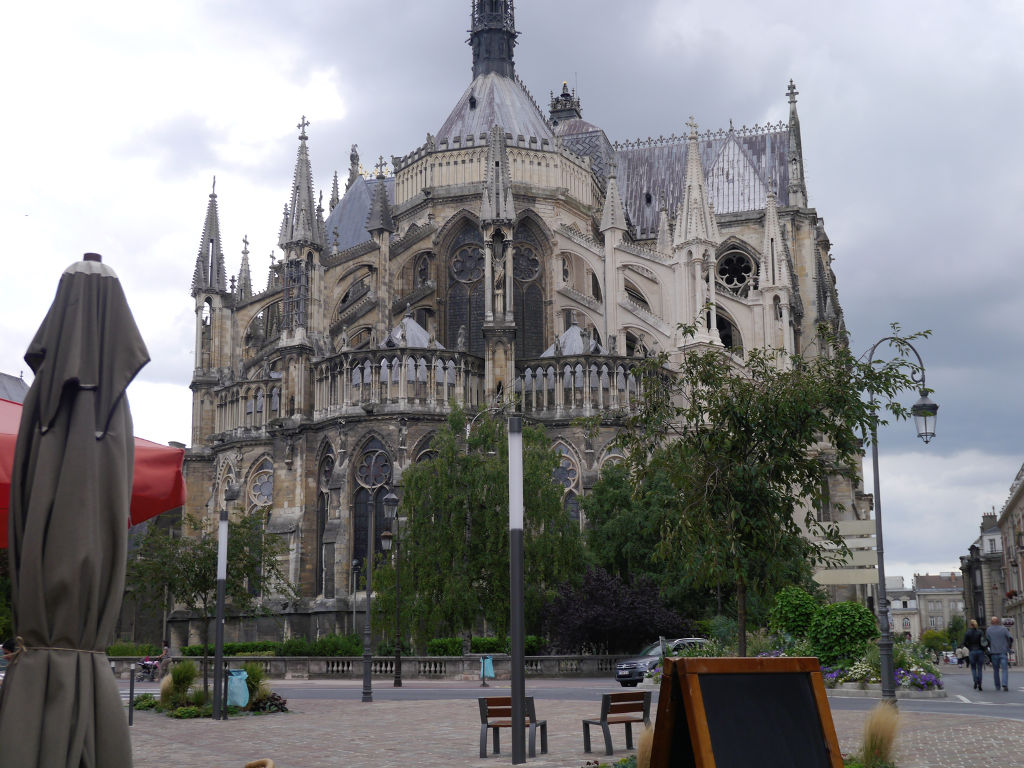
Reims is a great city for a rest day. I’m not religious but still deeply appreciate the architecture, history of, and culture around cathedrals.
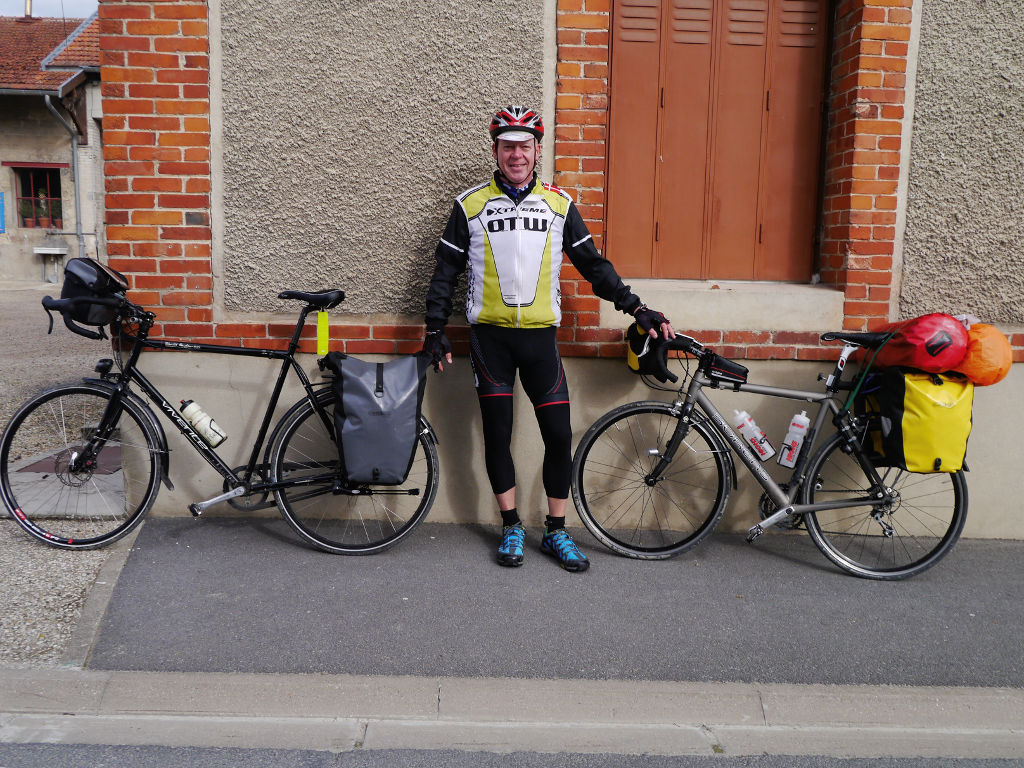
As I move north west I ride with this fellow for a few hours. Same story I hear so much. After decades of work he is following his dreams of adventure, being fit, being free. We love it together.
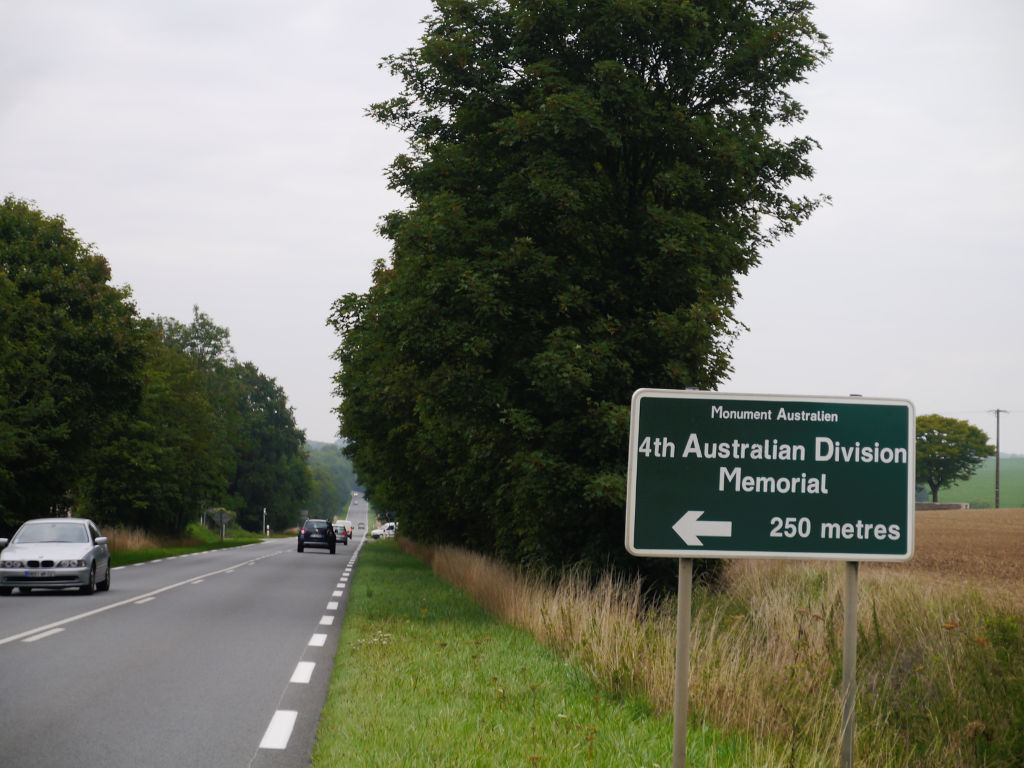
In North West France they are still digging up bones in the fields. This region saw massive battles.
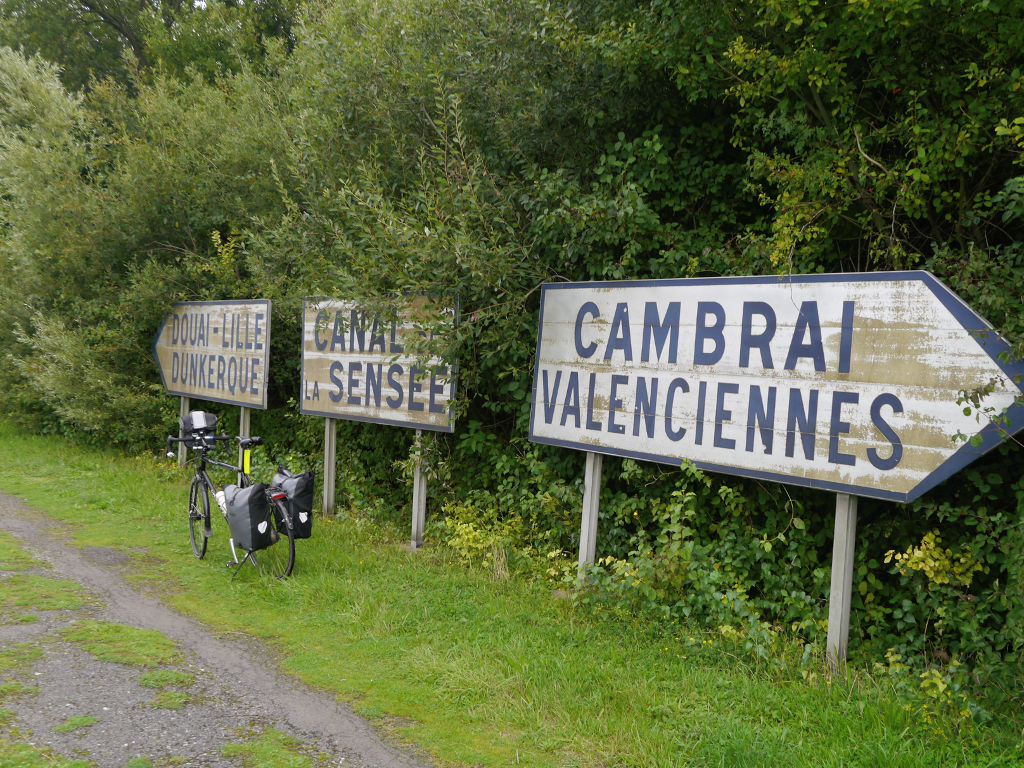
Googlemaps takes me along Canal la Sensee, a canal from Napoleonic times that links two rivers. On this tour I have not particularly sought out canals at all but have spent several days riding along them.
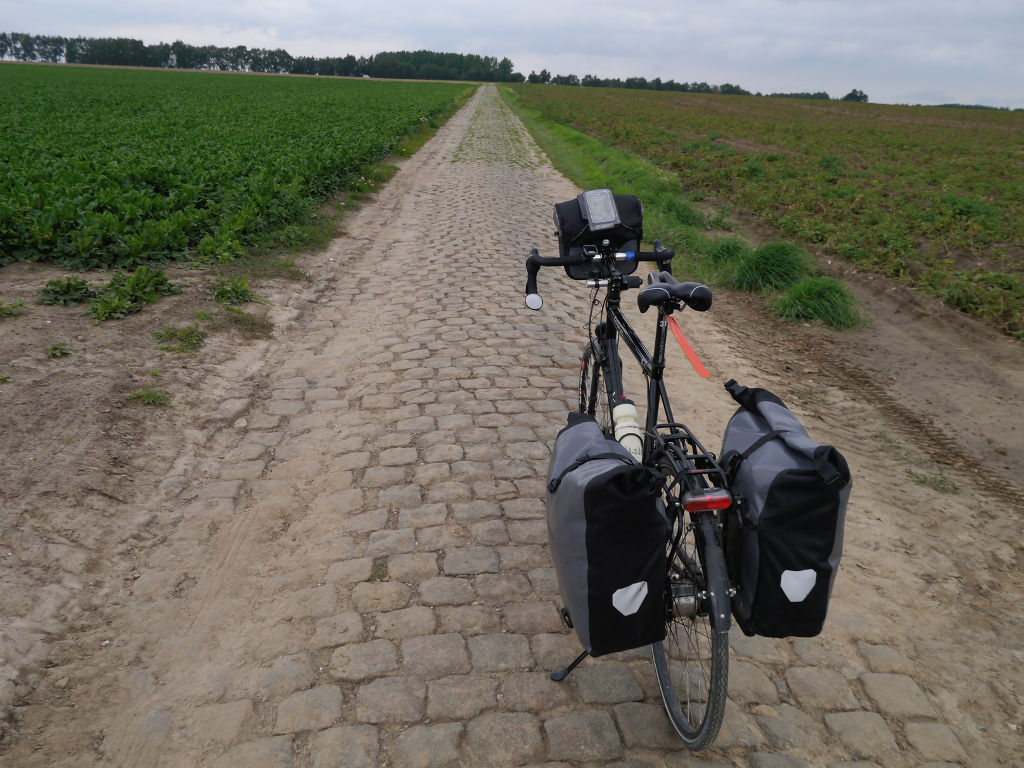
Ah googlemaps! Now I’m being taken over miles of cobbles in the border region with Belgium. On road bikes apparently, there are techniques for skimming along the tops. But the luggage on a tourer makes it very bumpy.
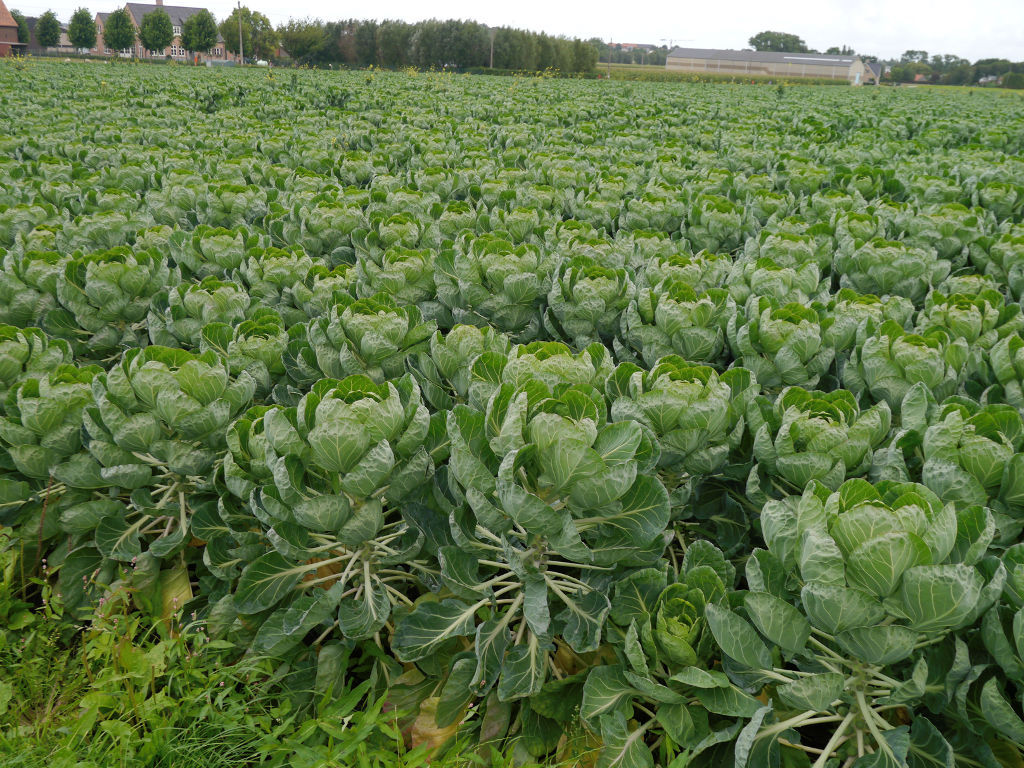
Brussels sprouts growing near Brussels. Well, not far from there. I’m heading for Bruges.
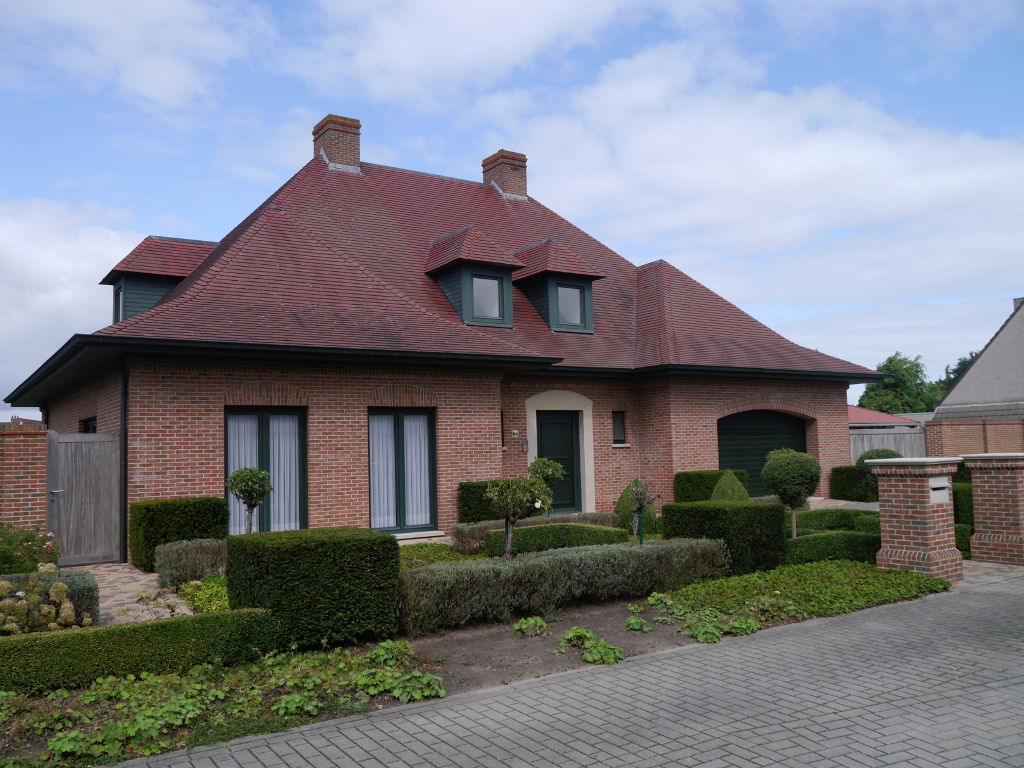
I have not been in Belgium for long but it already feels quite different. There are lots of houses with sharp lines and clipped hedges. Maybe it is the Dutch influence. This is in Flanders.
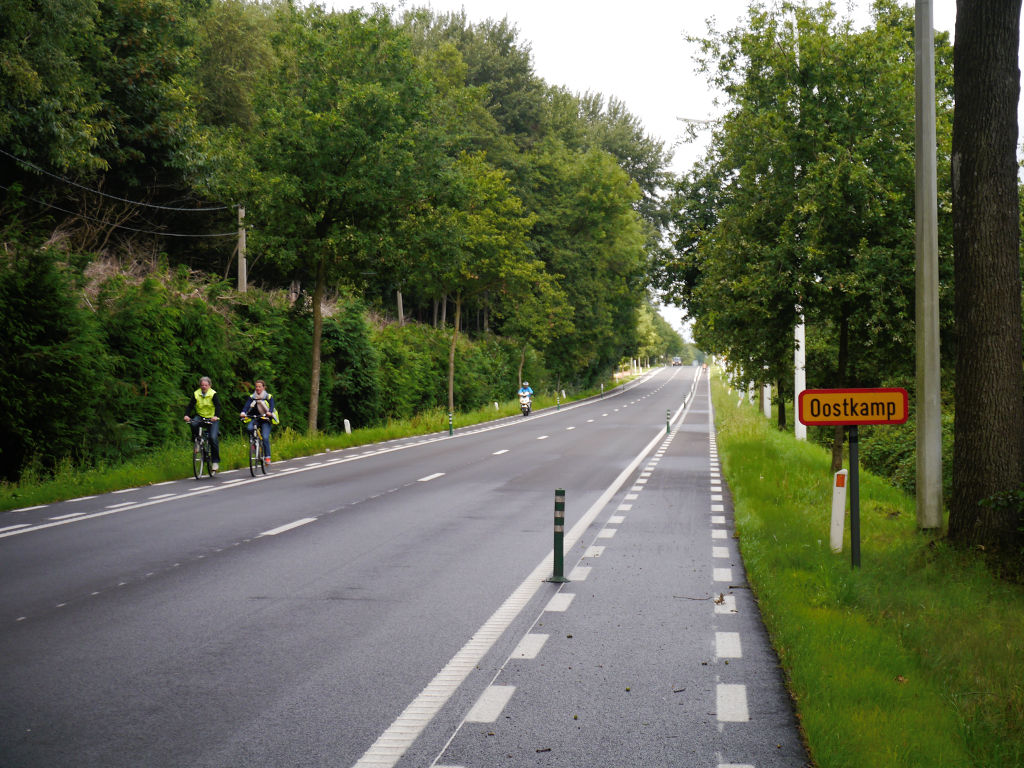
I’m loving riding in Belgium.
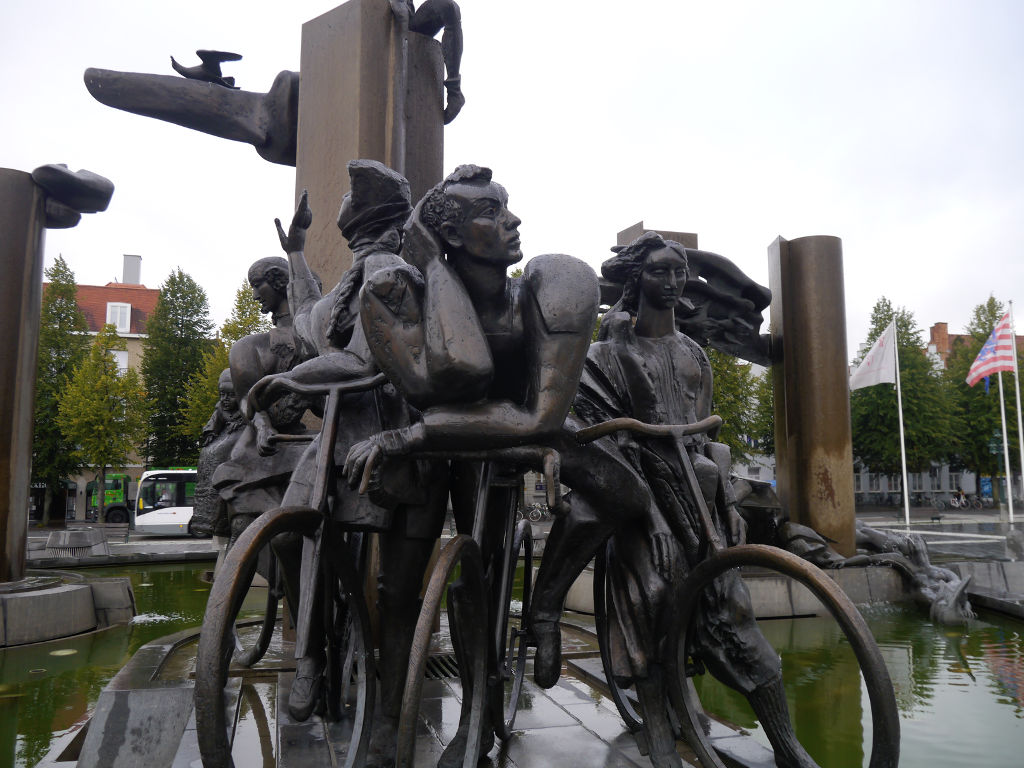
Cycling is so much a part of culture here. It is Sunday and I have passed several bike races and seen thousands out on their bikes. It is the way to get around in Belgium.
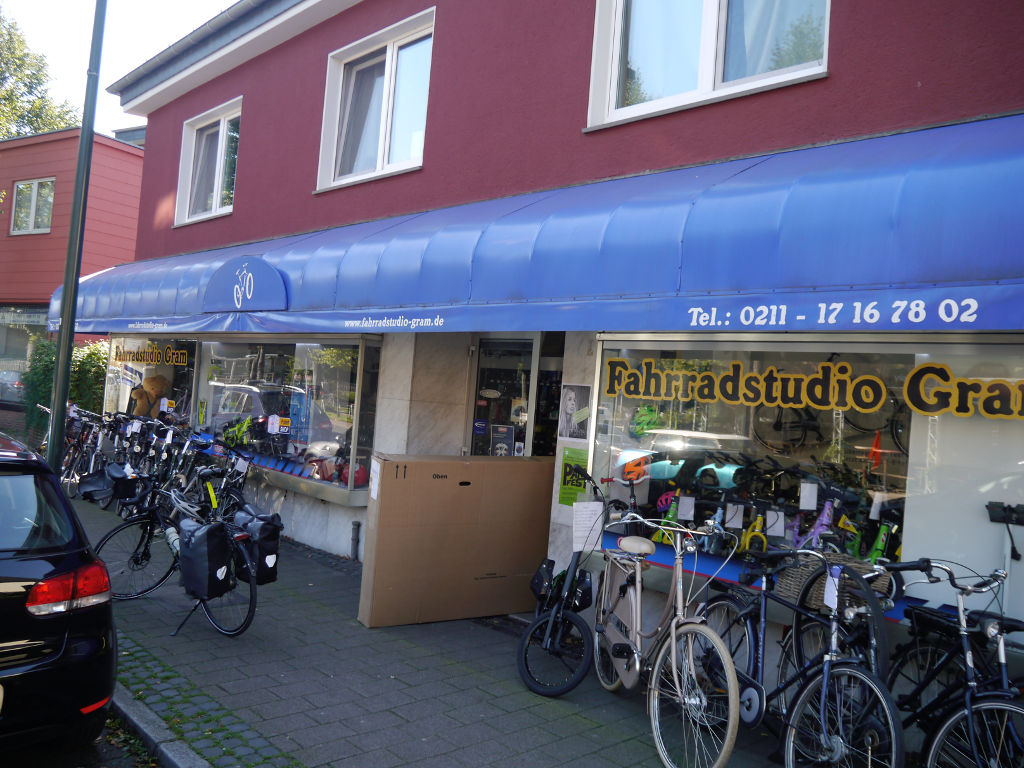
The night before arriving at Dusseldorf airport, on line, I figure I can’t get s carton in the airport. So, I look for bike shops and find there is one on my route just near the airport. I have my carton and can even ride the last km carrying it.
A 2,000km ride across Italy and up through the Balkans. Starting in Northwest Italy, crossing Italy and then taking the ferry over the Adriatic to Dubrovnik, up through Croatia, Bosnia, Slovenia and Austria into Southern Germany. Riding a Vivente Swabia, a bike that has been proven so much already, this also became a trial of the route plotting software Komoot.
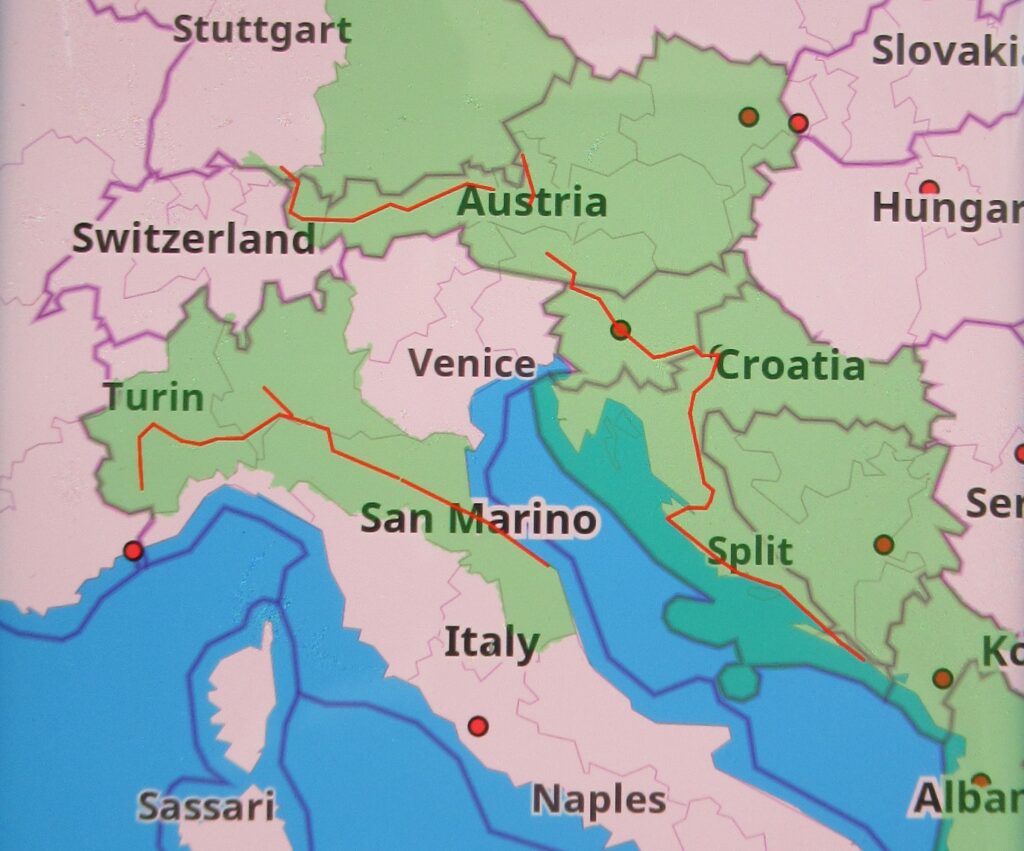
Starting in NW Italy, crossing Italy and then taking the ferry over the Adriatic to Dubrovnik, up through Croatia, Bosnia, Slovenia and Austria into Southern Germany.
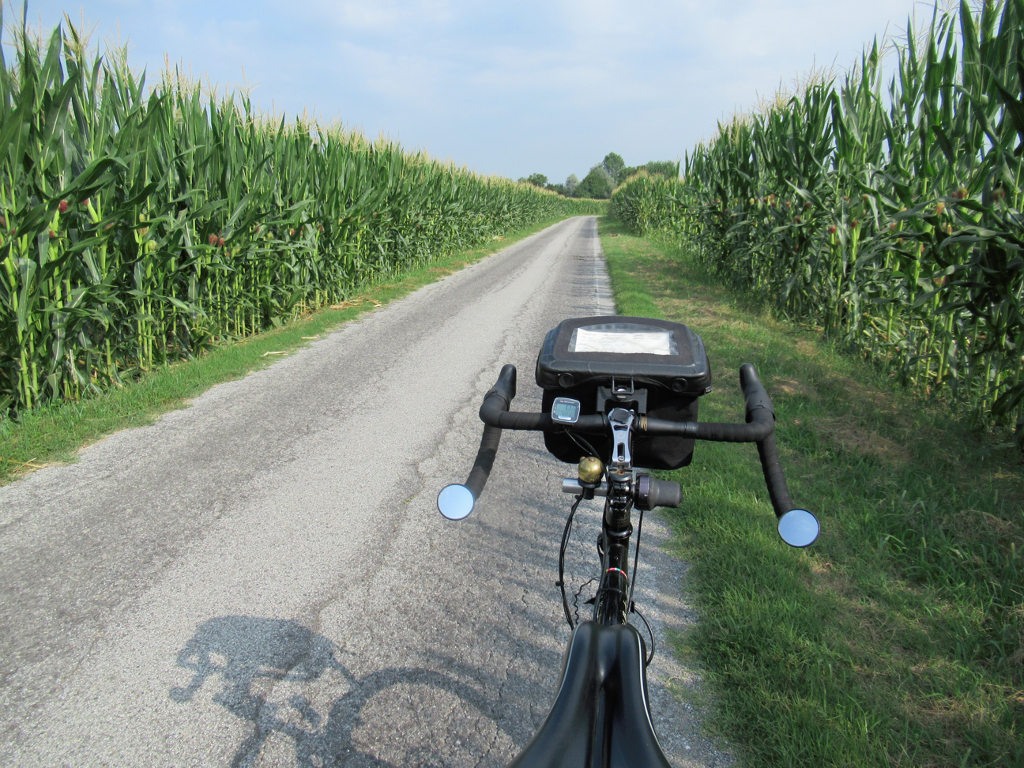
Komoot route planning, after you tell it the start and finish, offers options of bike touring, road cycling, mtb route and hiking. For each one, a summary tells you the distance and the climb. Then, in the detail, you get the route divided into bike path, single track, road and the surface into paved, gravel and so on. Whereas Google routes often ignore even EV routes being available, Komoot seems to be made just for bike tourers.
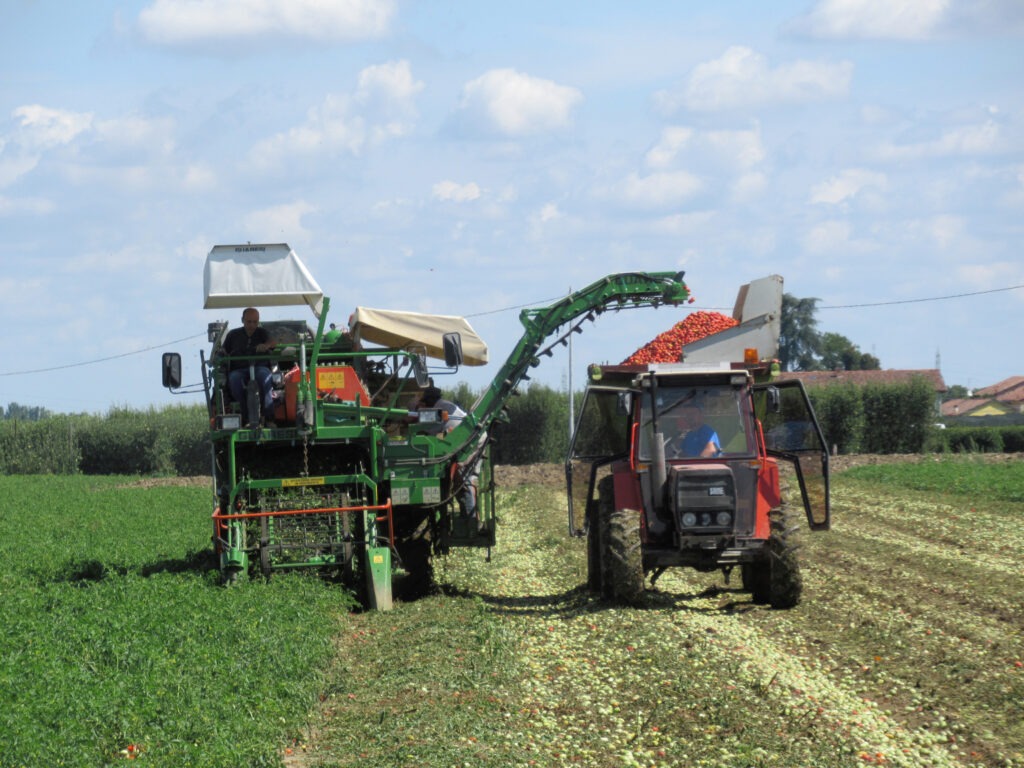
Mechanised tomato harvesting in North Italy.
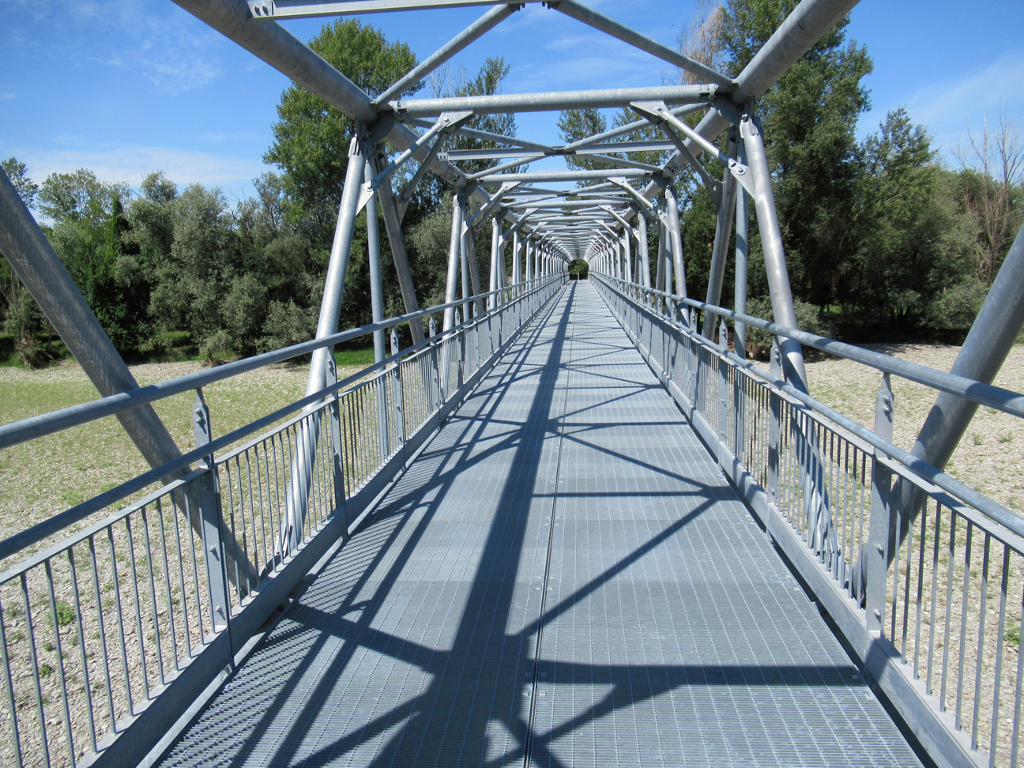
Separate to Komoot, I have downloaded OSM (Open Street Maps) for the regions. I am staying in Airbnb’s mostly and only choosing them one or two days in advance. This gives me plenty of flexibility to take weather into account. I choose Airbnb’s in the 30 Euro range. I don’t plot the route until I have the address for the night’s booking. Then Komoot takes me, mostly on cycle routes with no traffic, right there.
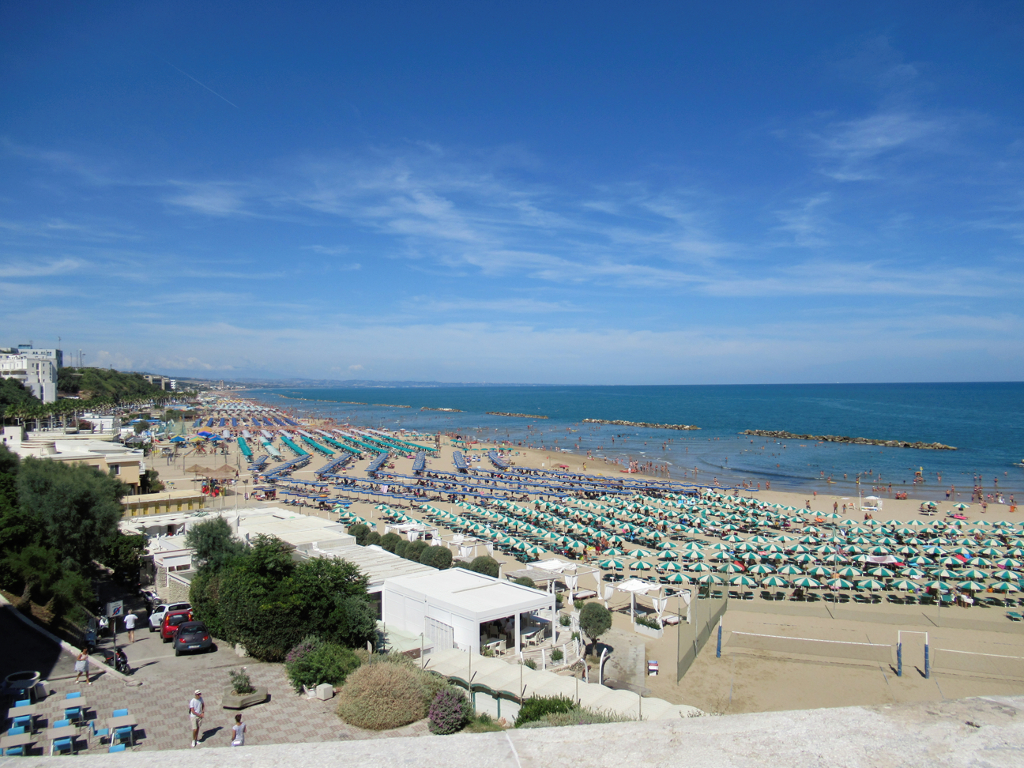
It seems that all of Italy moves to the coast for the summer. These beach scenes are endless.
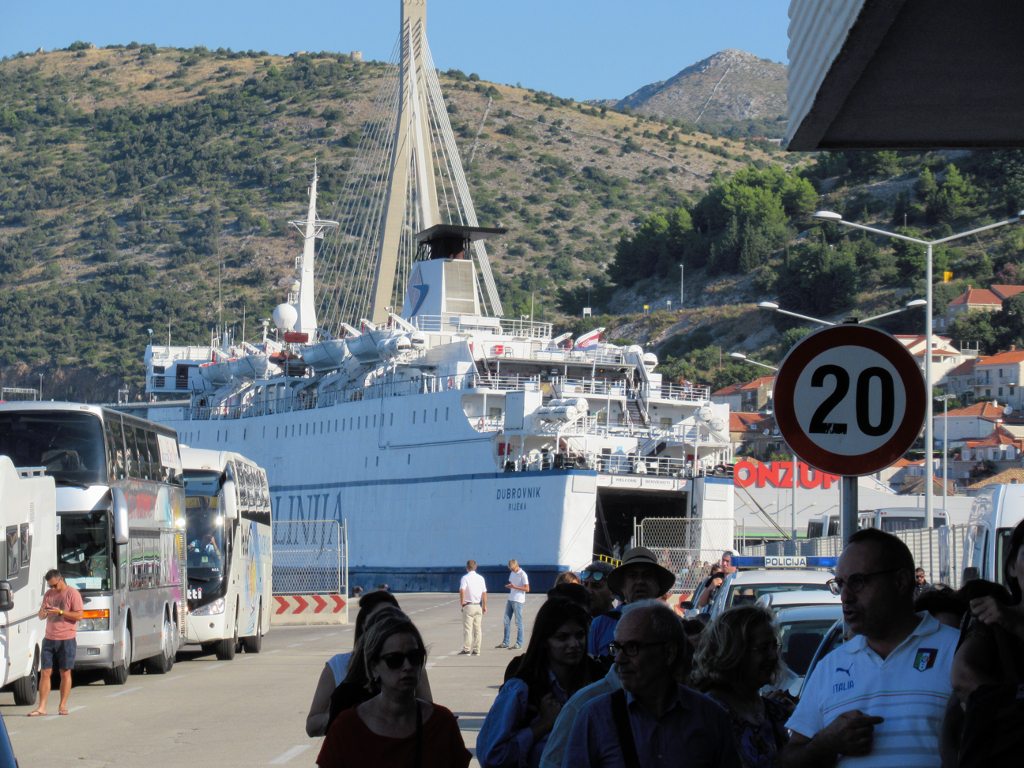
Arriving in Dubrovnik I do a ride around where The Kings Landing scenes for Game of Thrones were shot.
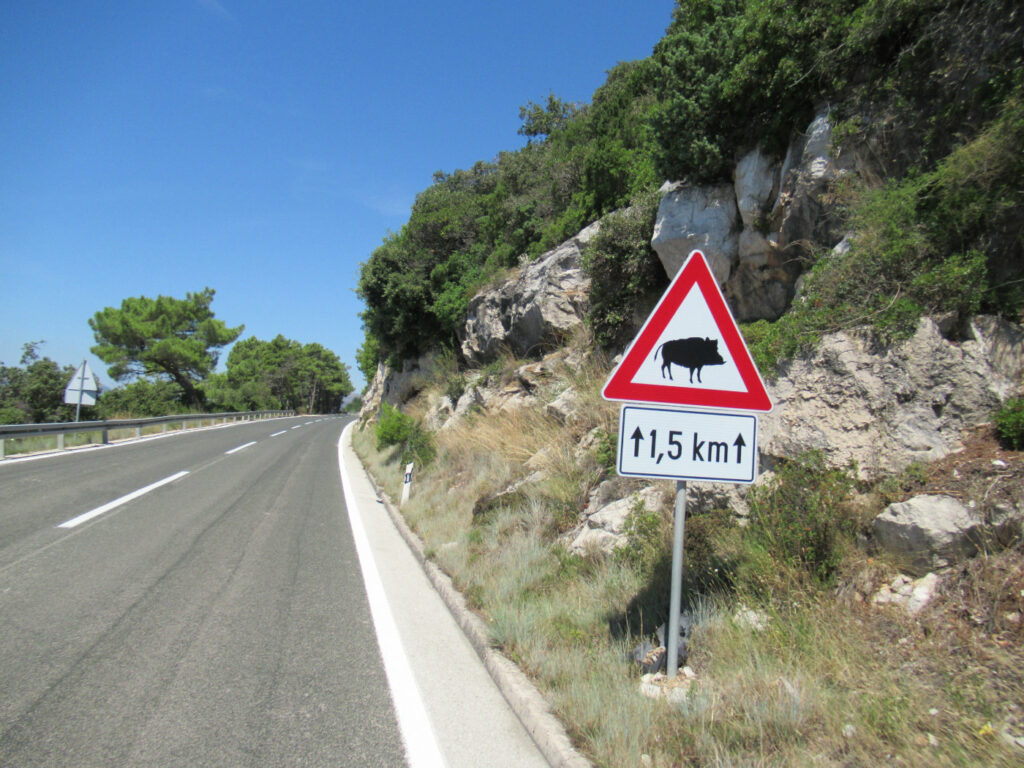
Following the Adriatic coast north there are not many off-road options and the terrain does not allow room for a shoulder. Having the mirrors really helps.
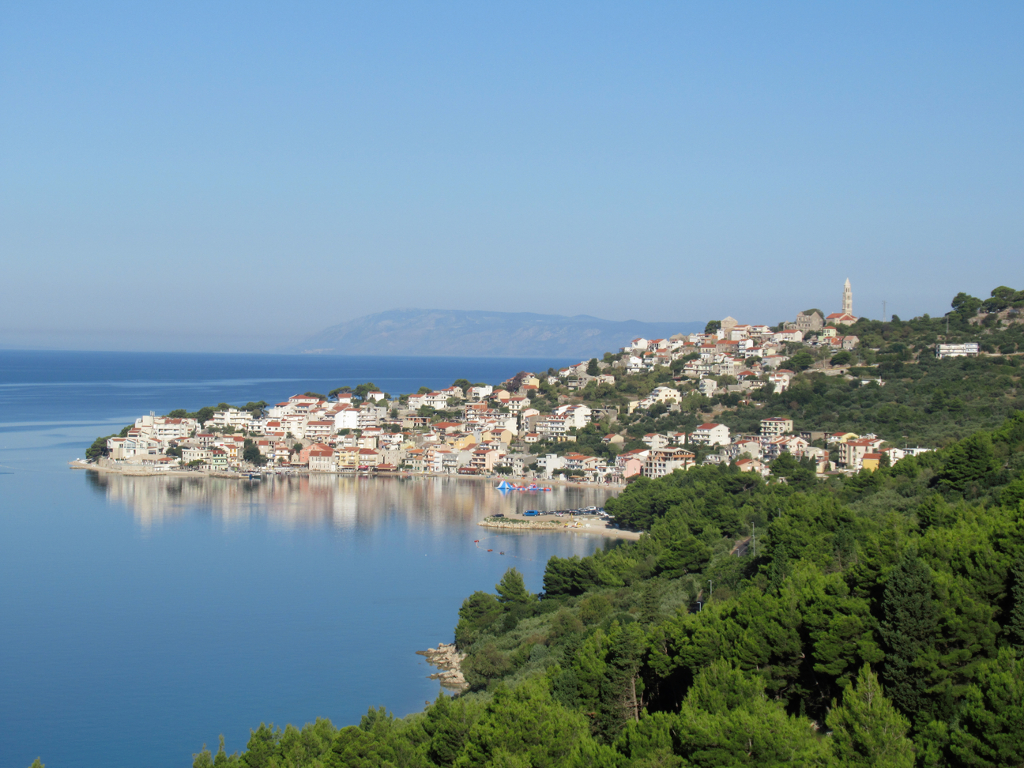
It is classic scenery along the Adriatic. Steeped in history too.
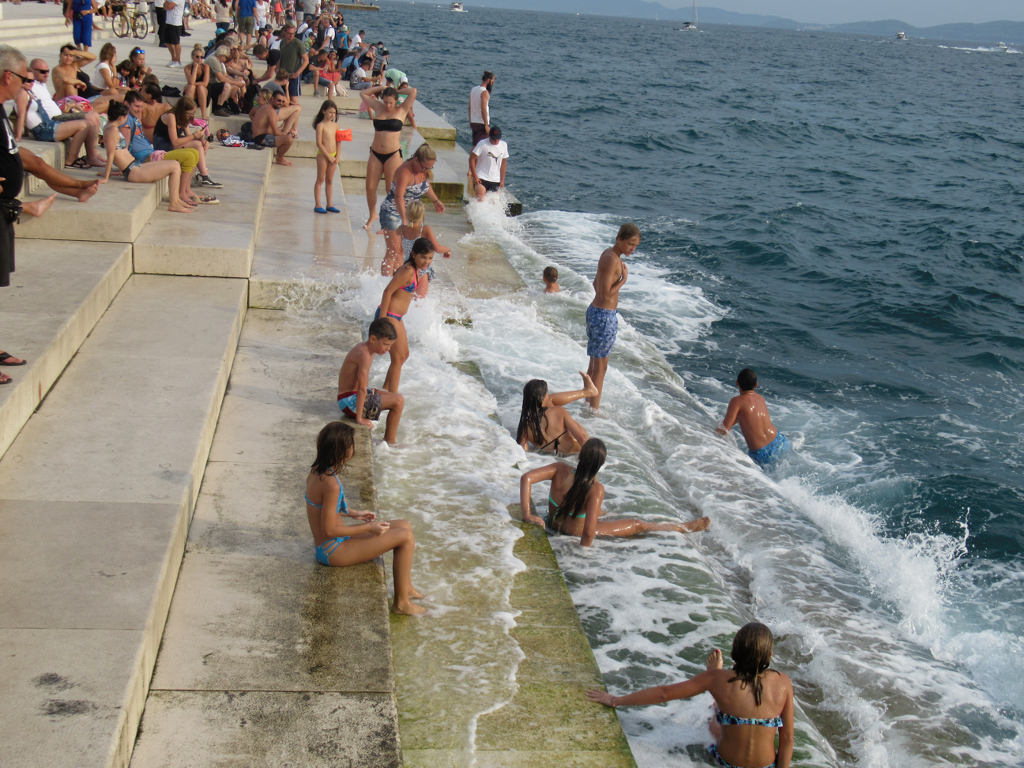
This is in Zadar. From here I leave the coast and head inland.
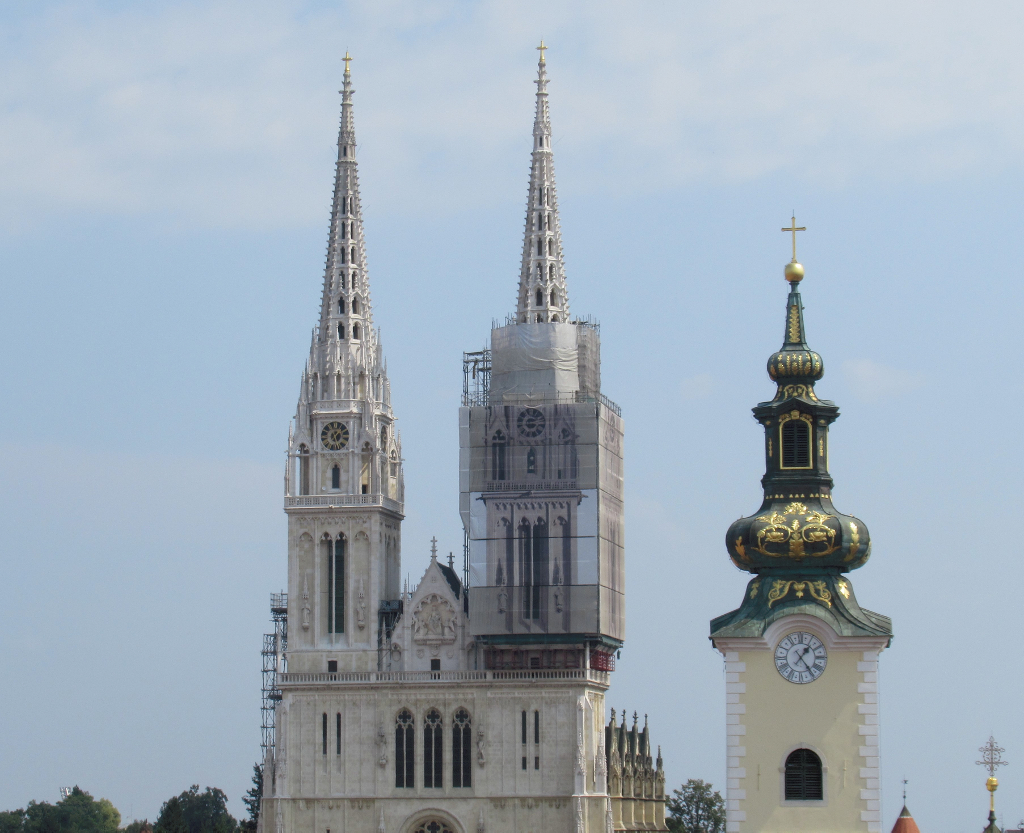
Zagreb, a beautiful city, is the Croatian capital. When Yugoslavia was formed, the states made a constitution that allowed any one to leave the federation. This happened in 1991 when both Croatia and Slovenia said they wanted to be independent. Bosnia tried to stop them.
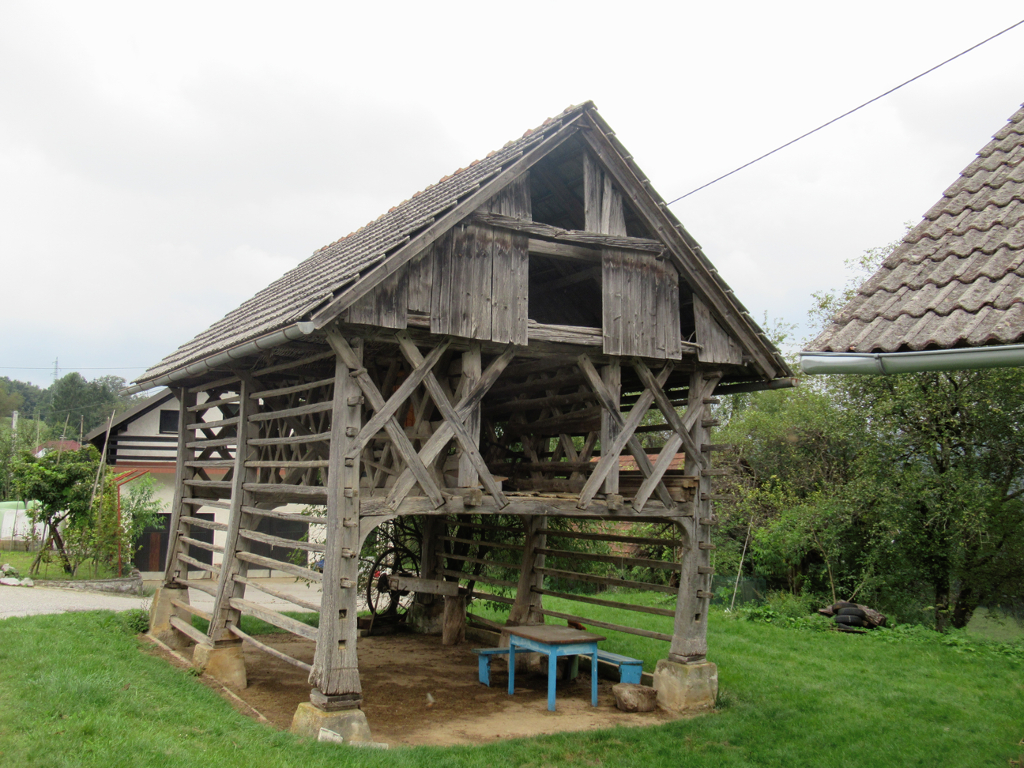
The country is getting greener and more fertile. These farm sheds with horizontal poles on the sides are for drying hay.
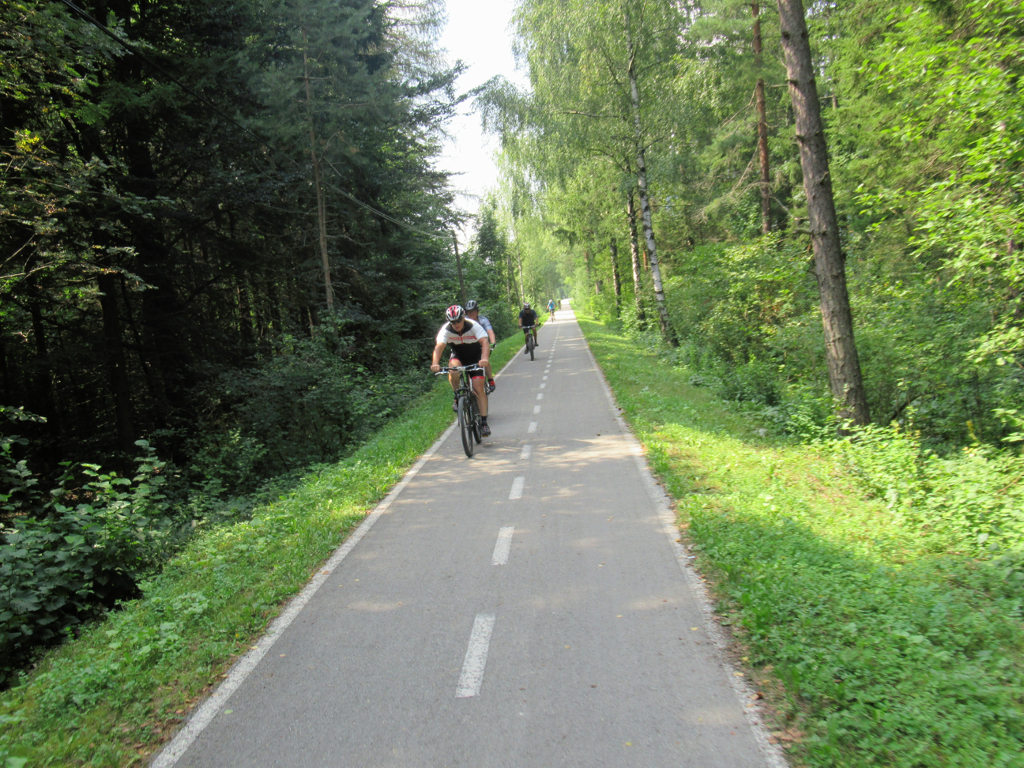
Bike paths abound in the north of Slovenia, close to both Italy and Austria.
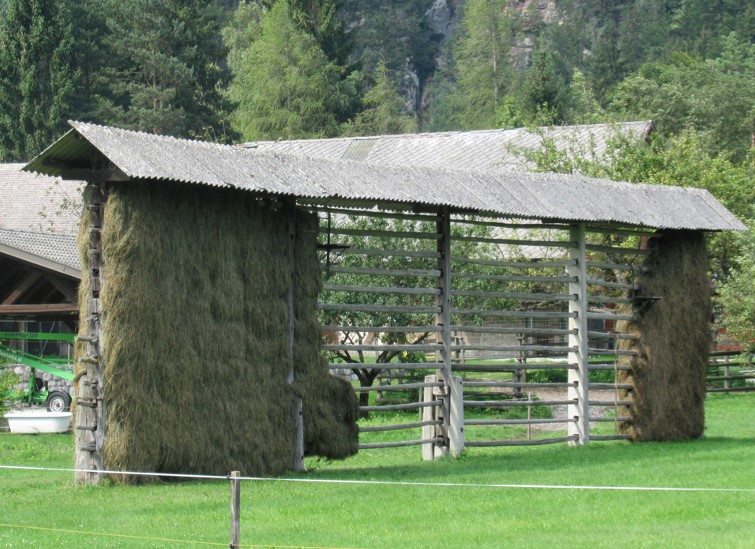
The hay drying system again. It would be quite a bit of work to do this so the season must be a bit short and a bit too wet for field drying.
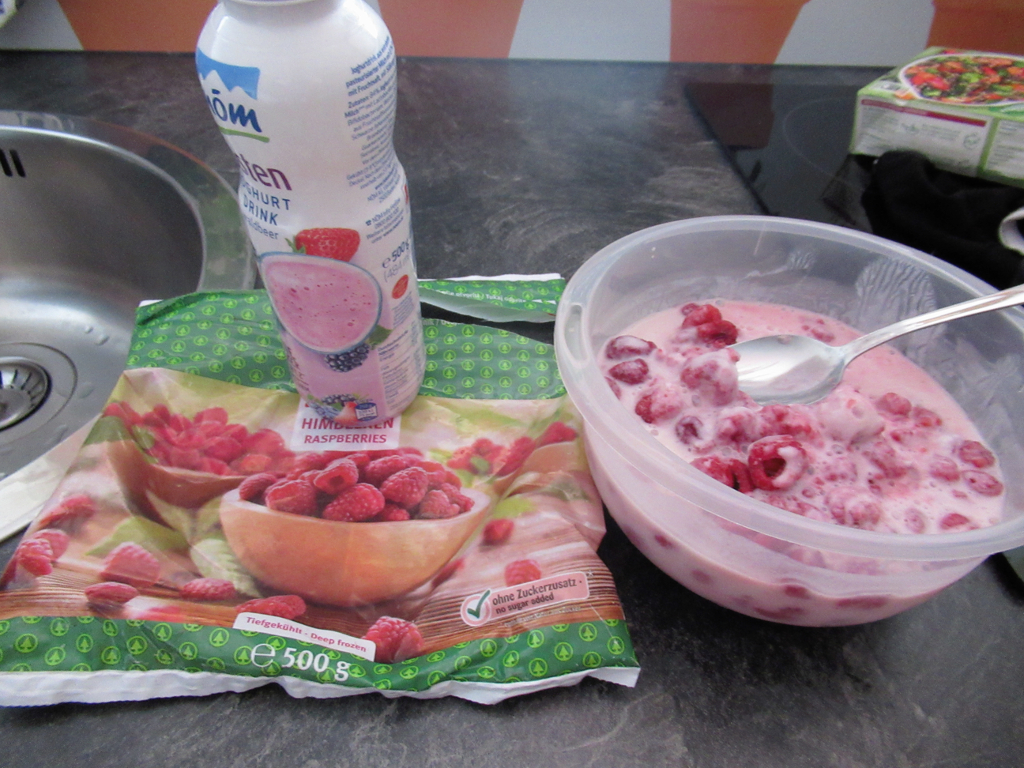
One thing you don’t need to worry about in Europe is finding food. Lately I’ve been ending the day with 500gm of frozen raspberries mixed with ½ litre of yogurt. It gives an instant cool-down and rehydration.
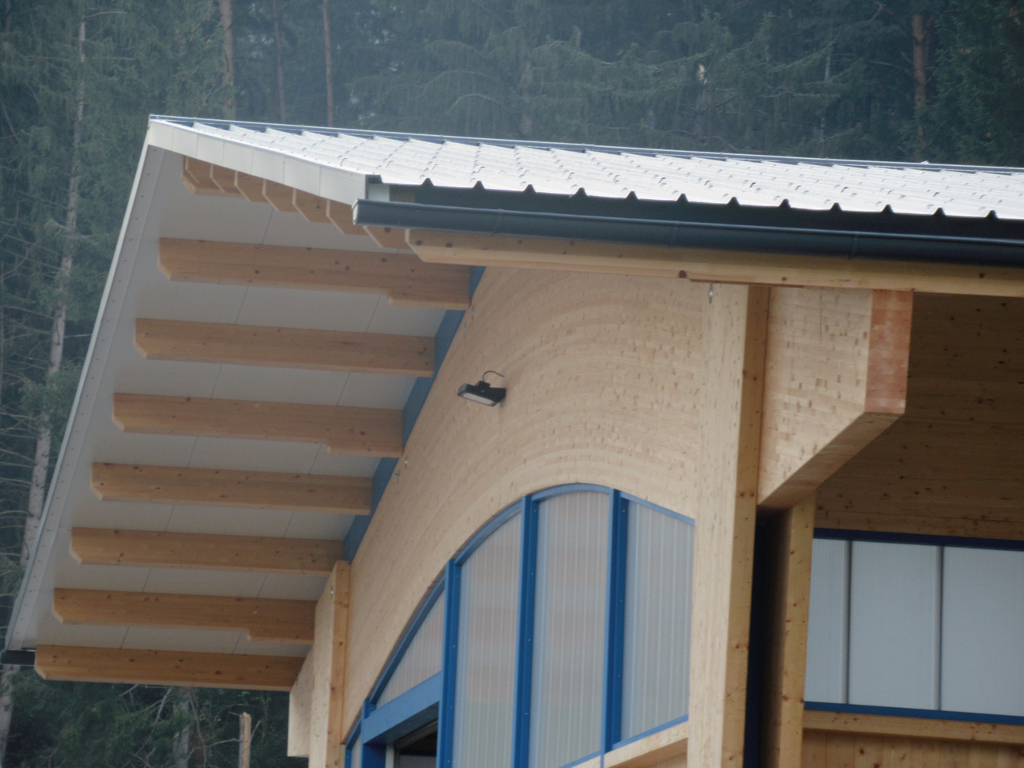
Check out the glulam beams and columns in this farm building in Austria.
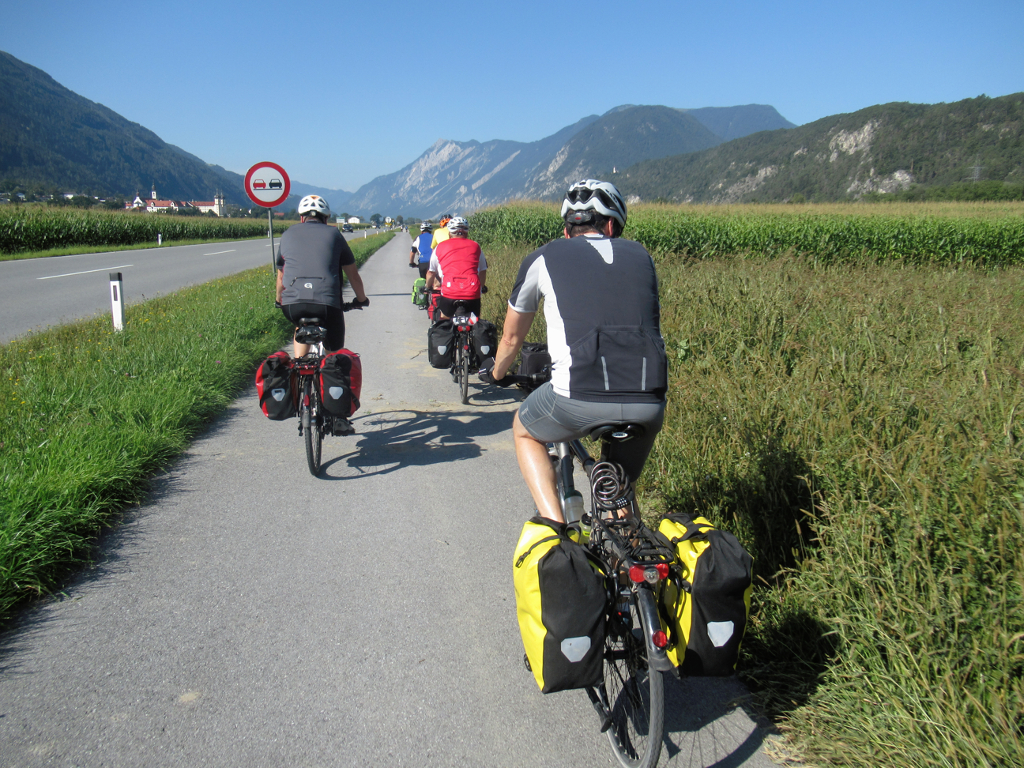
In Austria, approaching Innsbruck. There are lots of fellow travellers here. Most are riding European versions of bikes almost identical to Vivente models. Close to 100% have rear panniers and handlebar bags with a few also having front panniers. The bikepacking idea of not having a rear rack has not caught on here.
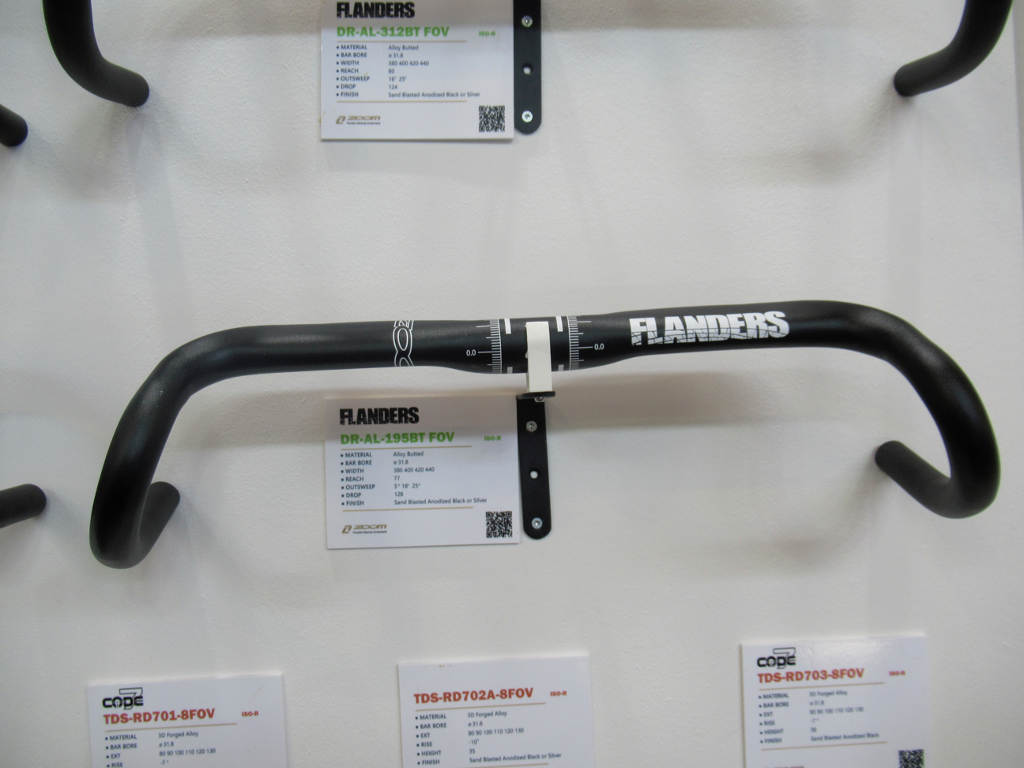
At Eurobike in southern Germany I spend a few days studying bike components.
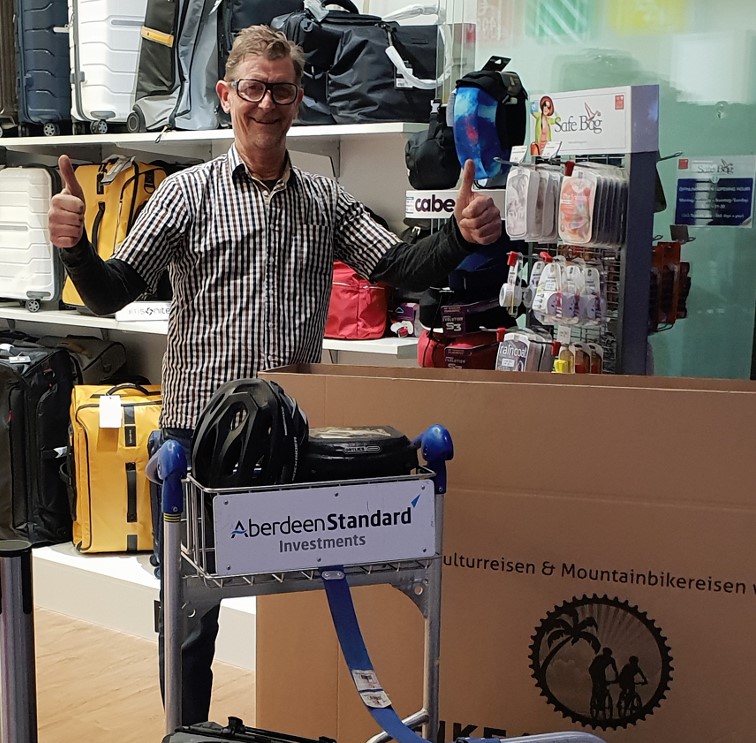
In Zurich airport they sell bike cartons. Thumbs up to Komoot which got me here.
A week of touring all around Portland Oregon before heading south, finding the Willamette Valley cycleway, riding to Eugene and then around that region. Training back to Portland.
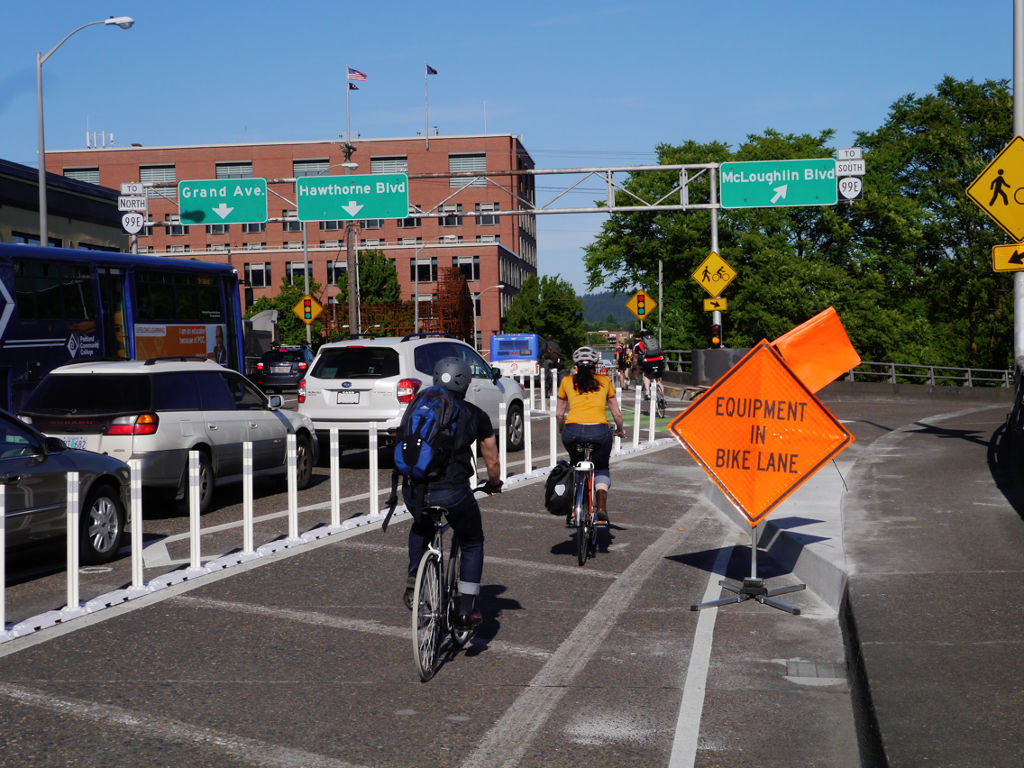
Portland has a reputation for cycling infrastructure and it’s well earned. On “urban” tours it’s great to go out early and ride in on the commuter routes. I don’t need to know where they are or where they are going. Just get in the stream and it takes me along.
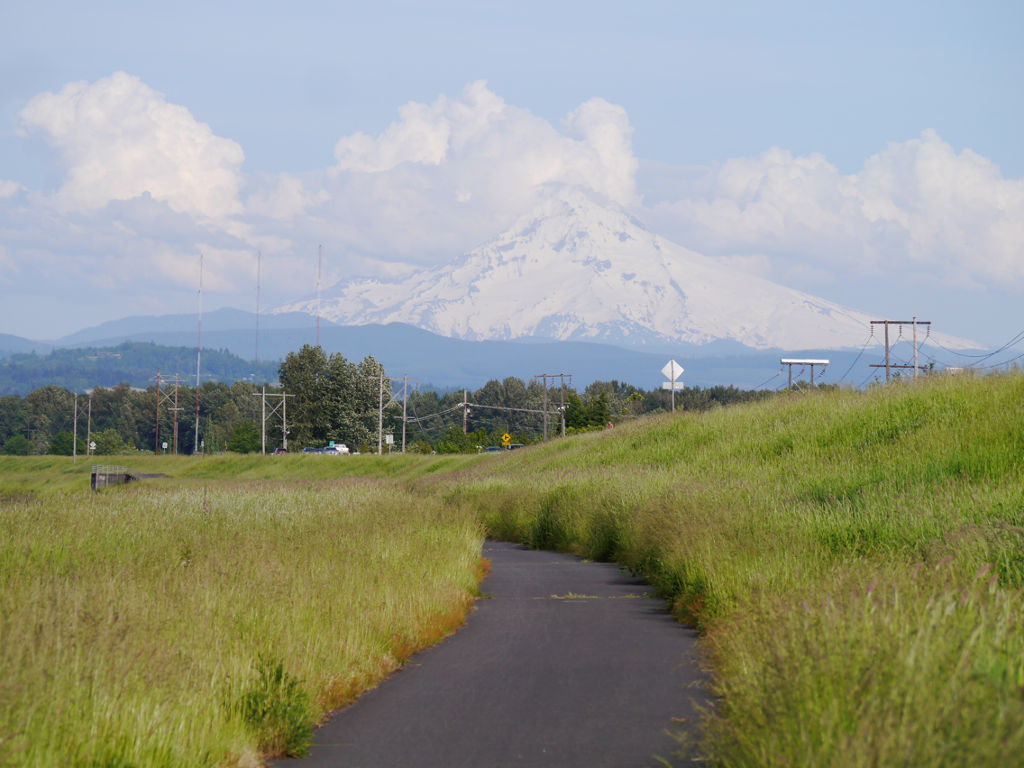
Around the city there are plenty of longer day rides to do.
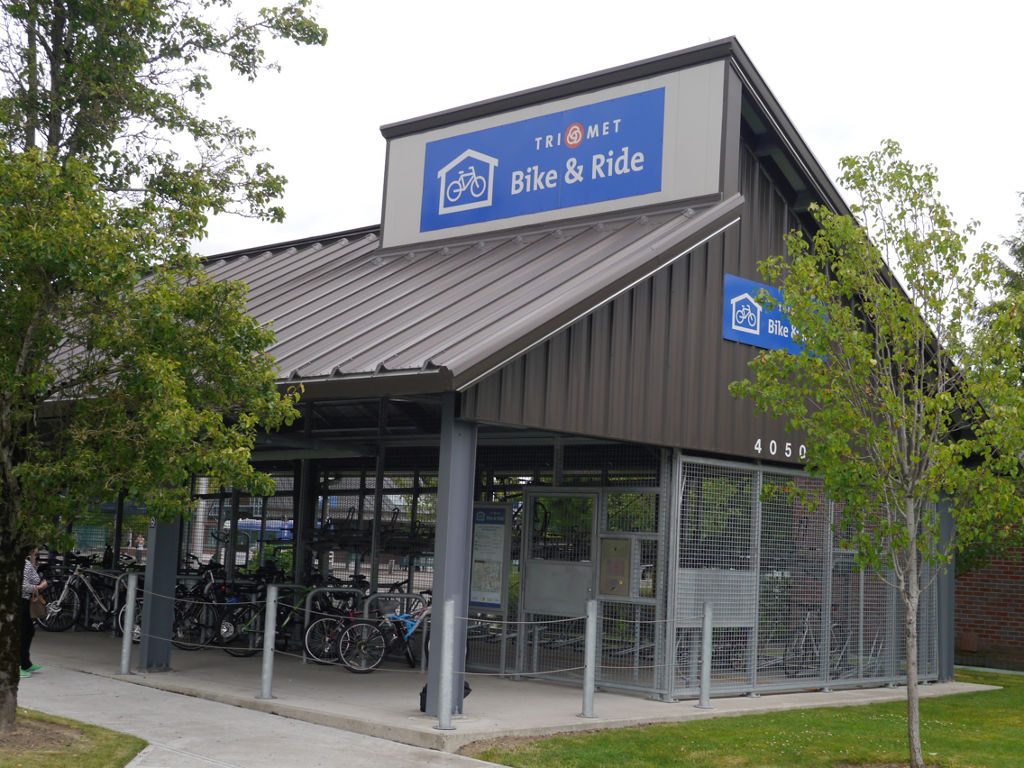
This is in Beaverton, a commuter city over the range to the SW. Great effort has been made to make people ride to the mass transport and park there.
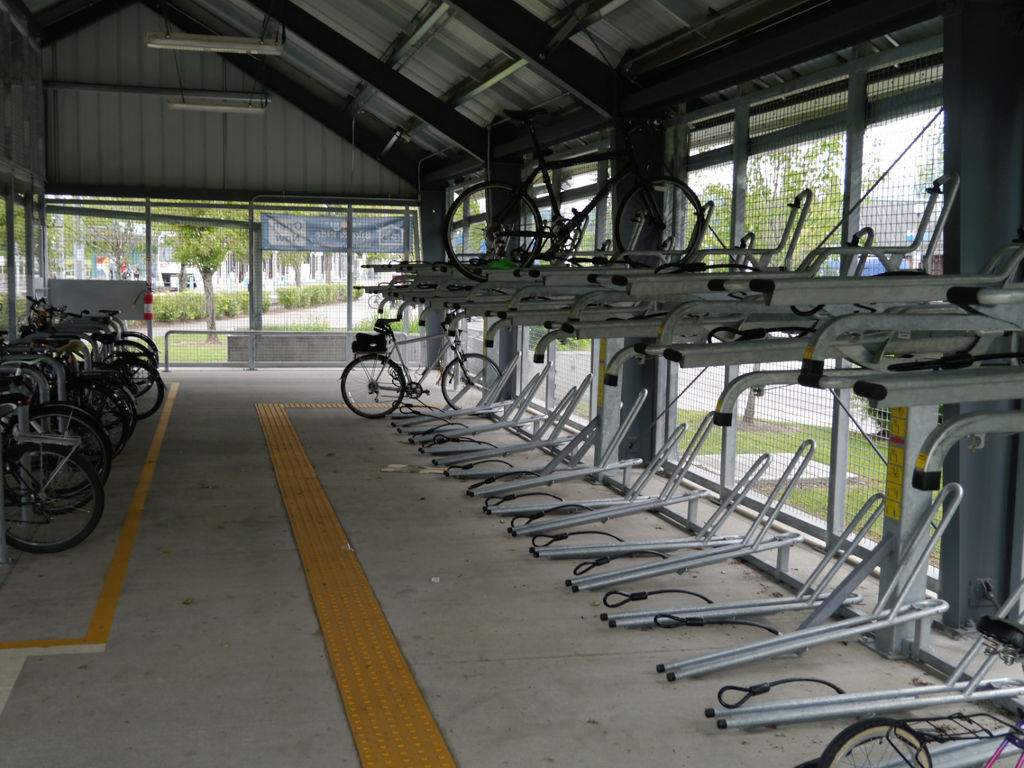
Cyclists can get a keycard for the parking station.
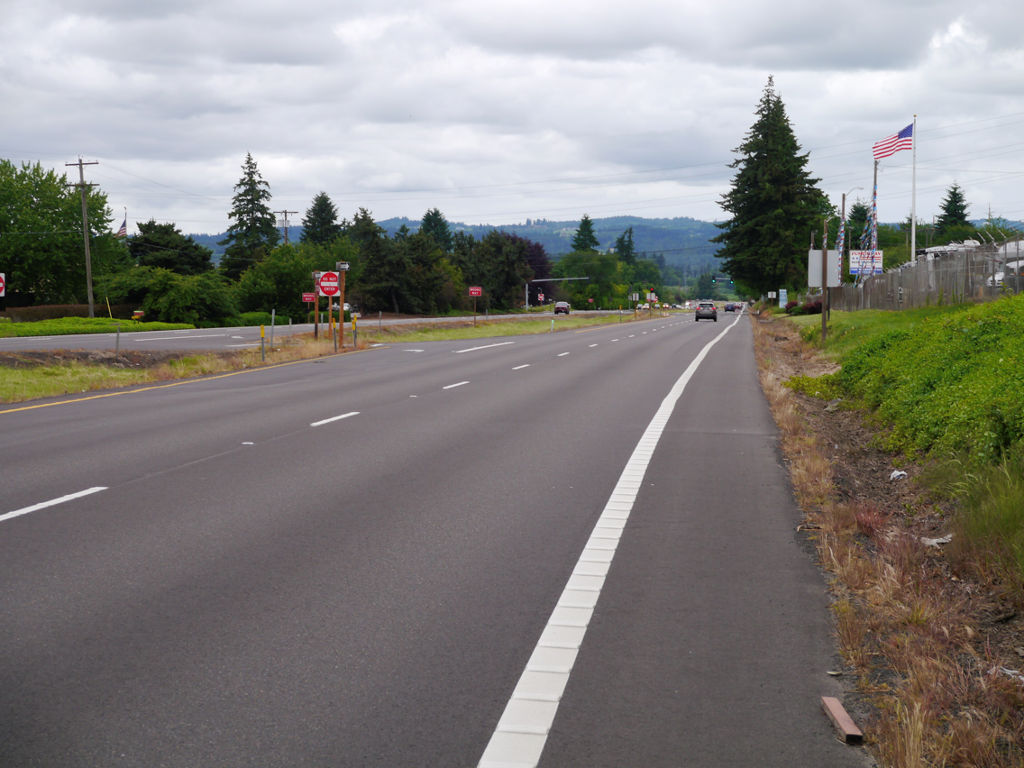
Heading south, the obligatory American flag and a generous road shoulder. The pro-cycling infrastructure definitely results in good behaviour towards riders. We are granted respect.
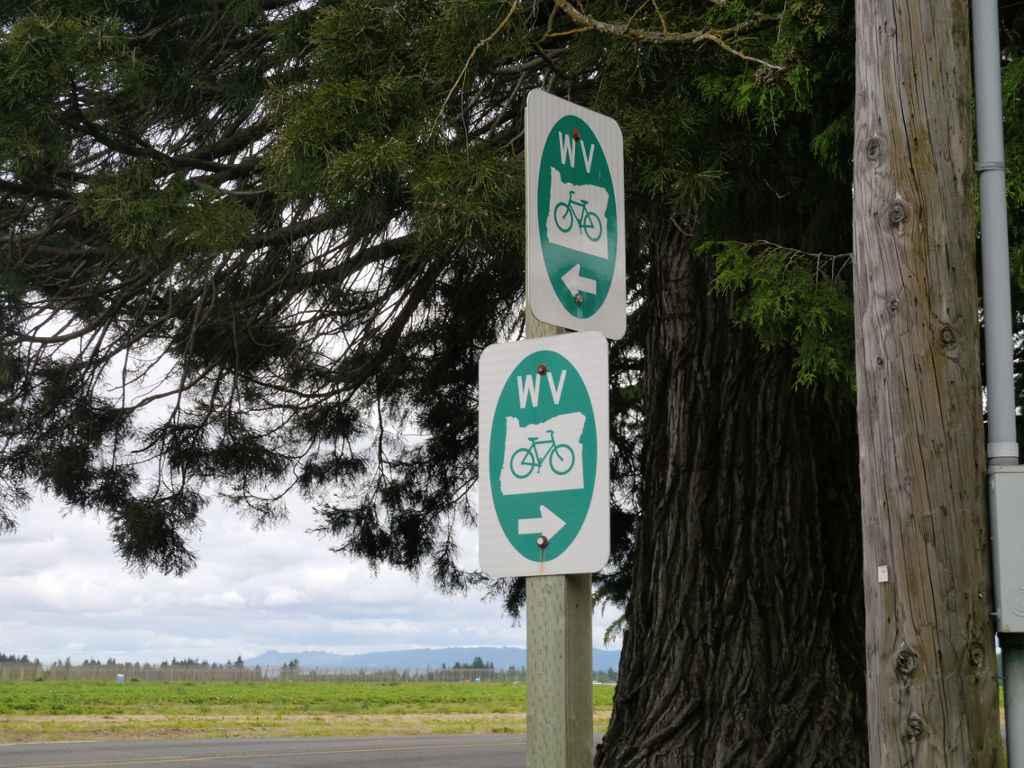
WV refers to the Willamette Valley. Pronounced “will-am-it”. This massive Willamette river runs north, eventually through Portland and then into the Columbia river. The cycleway is well promoted but it was surprisingly hard to find.
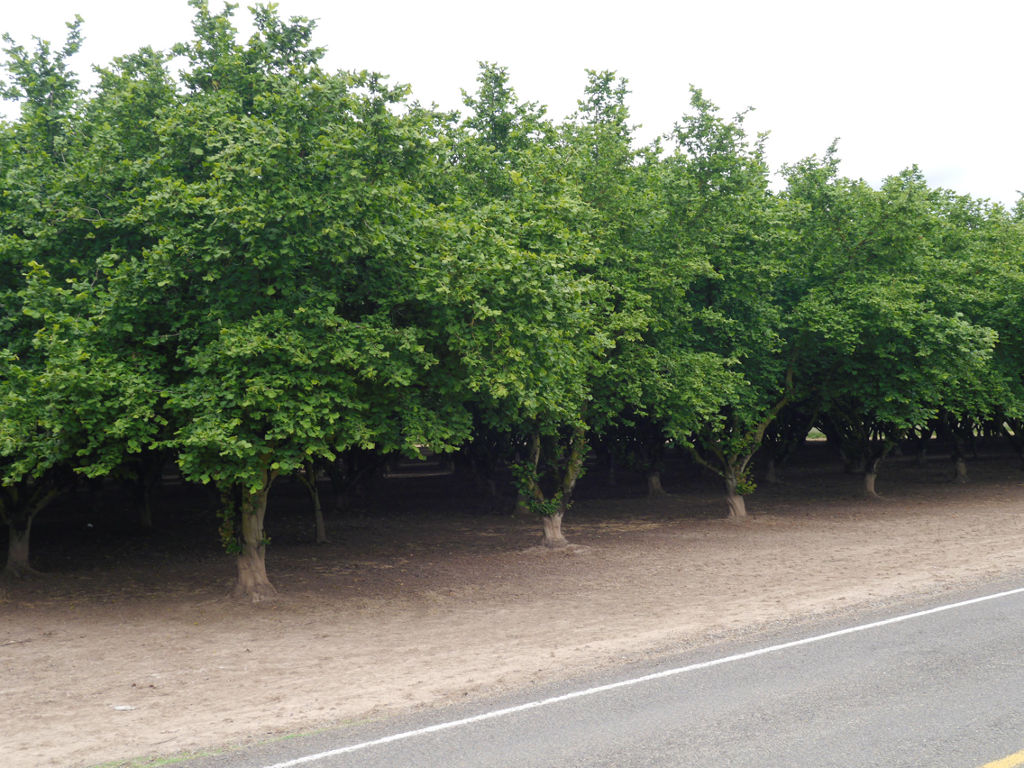
Hazelnuts. Most USA production is from around here.
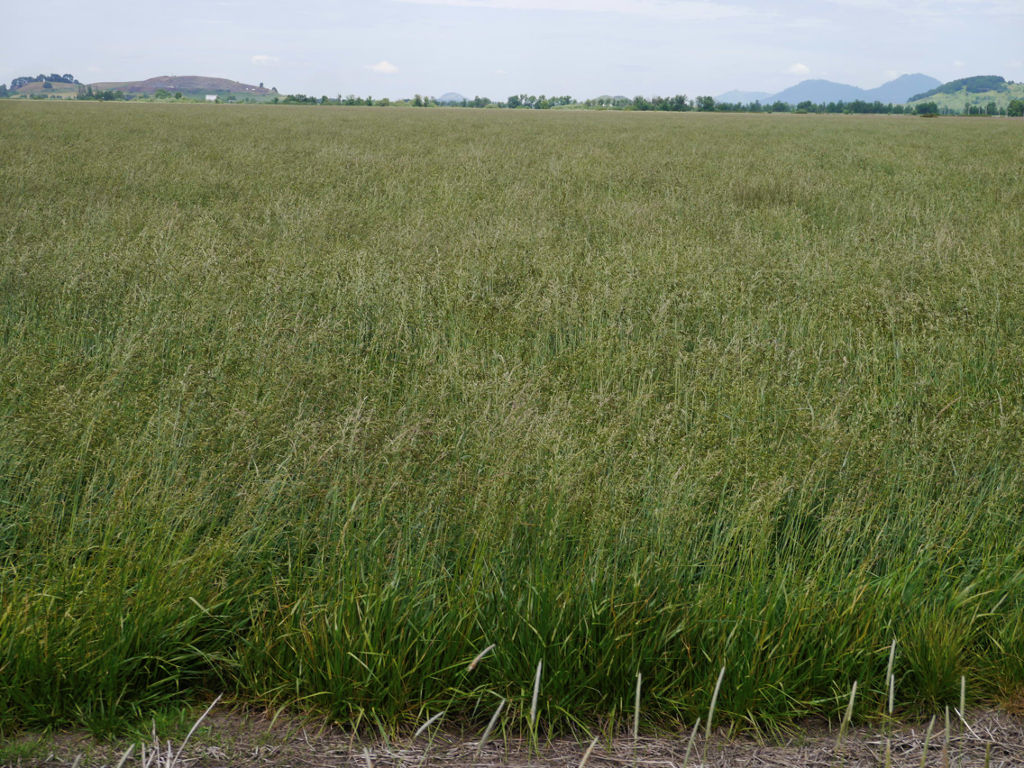
Rye. They bale it and ship it to Asia as fodder.
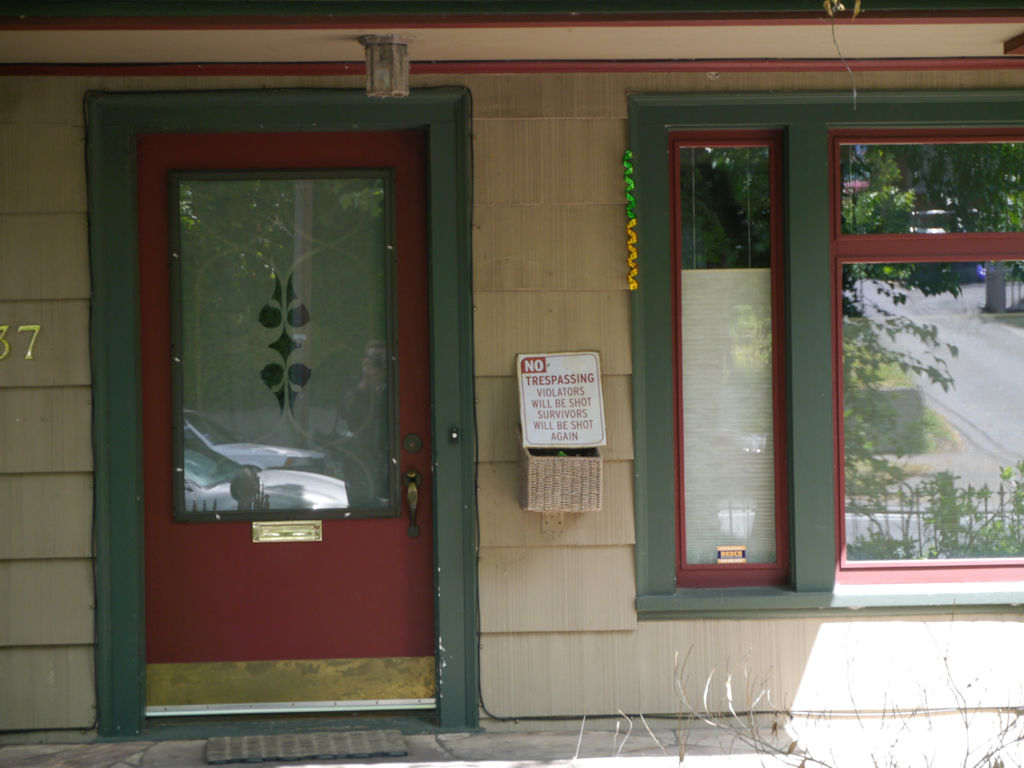
Read the sign. There is an element of lawlessness up here. Some people have moved into remote areas deliberately to get away from authority. It is more noticeable than in other countries.
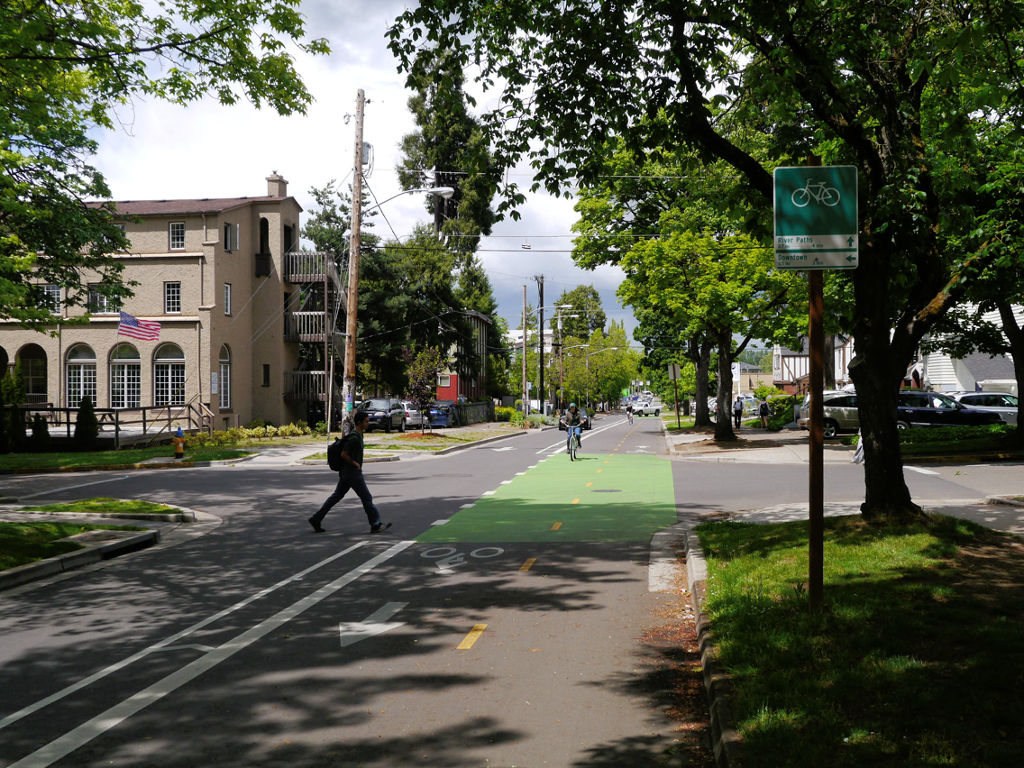
Eugene is fantastic for cycling.
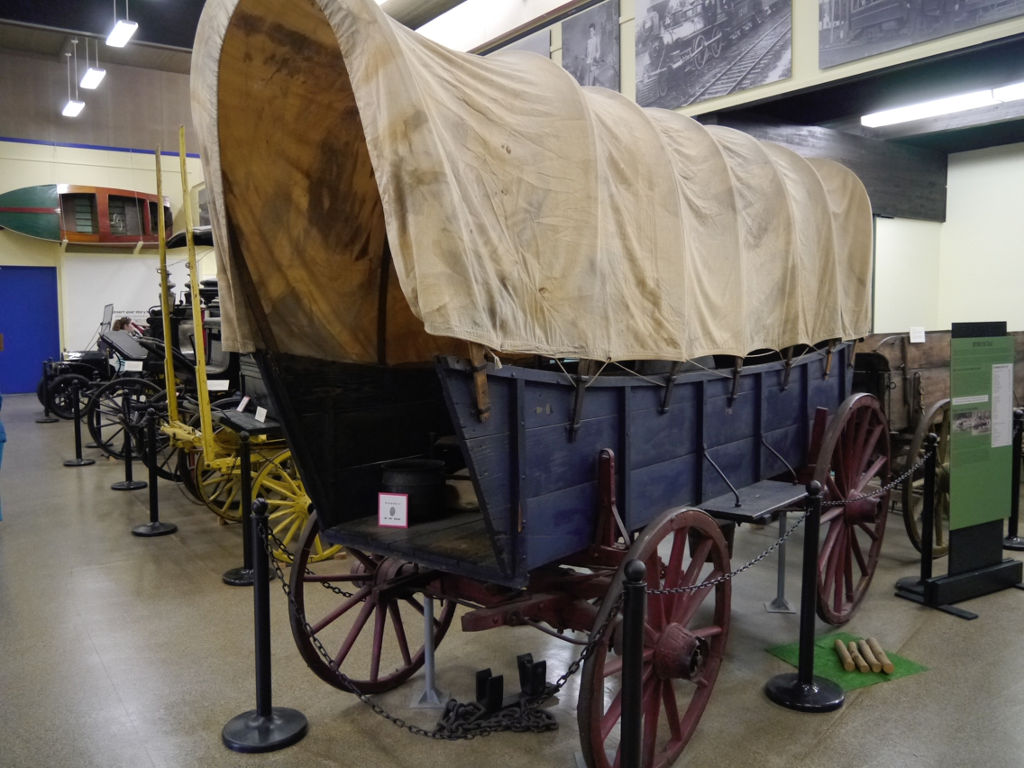
It is a good place to visit a museum and learn about the ways the Europeans got to these parts. Unfortunately, in this case, no mention is made of the decimation of the native civilization in the process.
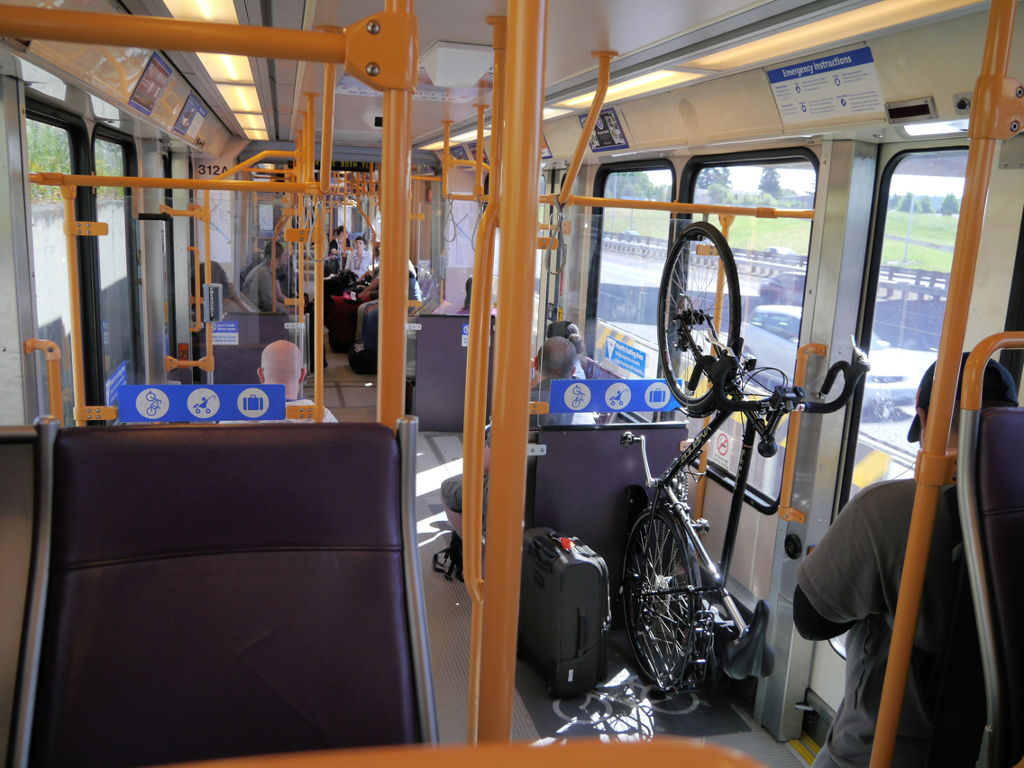
There is a train service from Eugene to Portland and you need to put your bike in a carton. They sell cartons at the train station. Back in Portland these are discarded and there is a dumpster full of them behind Portland station. After 4 bike shops told me they had no bike cartons I snigged. This is on the metro out to the airport. I rode this tour on a VWR Patagonia.
A ride from Nice to Cordoba through inland Spain.
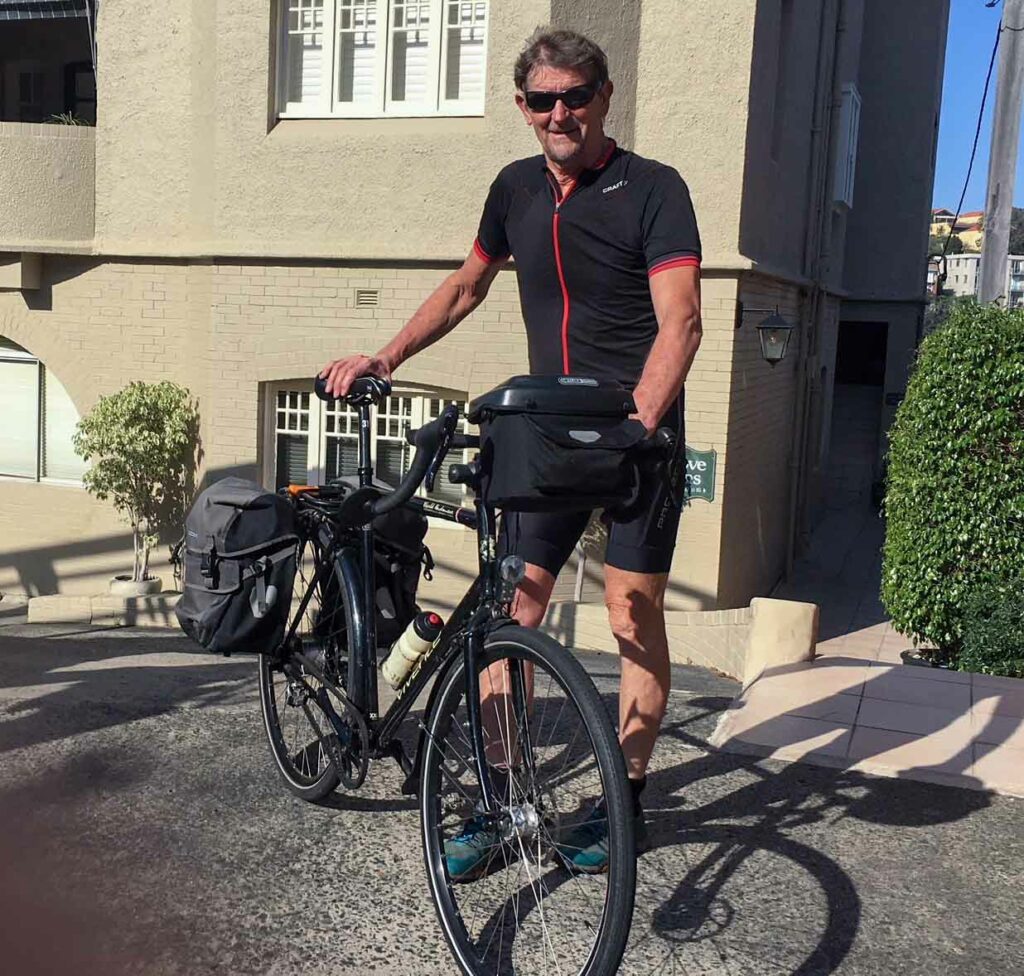
Ready to ride out from my Sydney abode I am travelling light. 11.5kg not counting the lock and the bike. The only luggage I do not have is camping equipment because I’ll try to find Airbnb, pensiones and cabins at campgrounds.
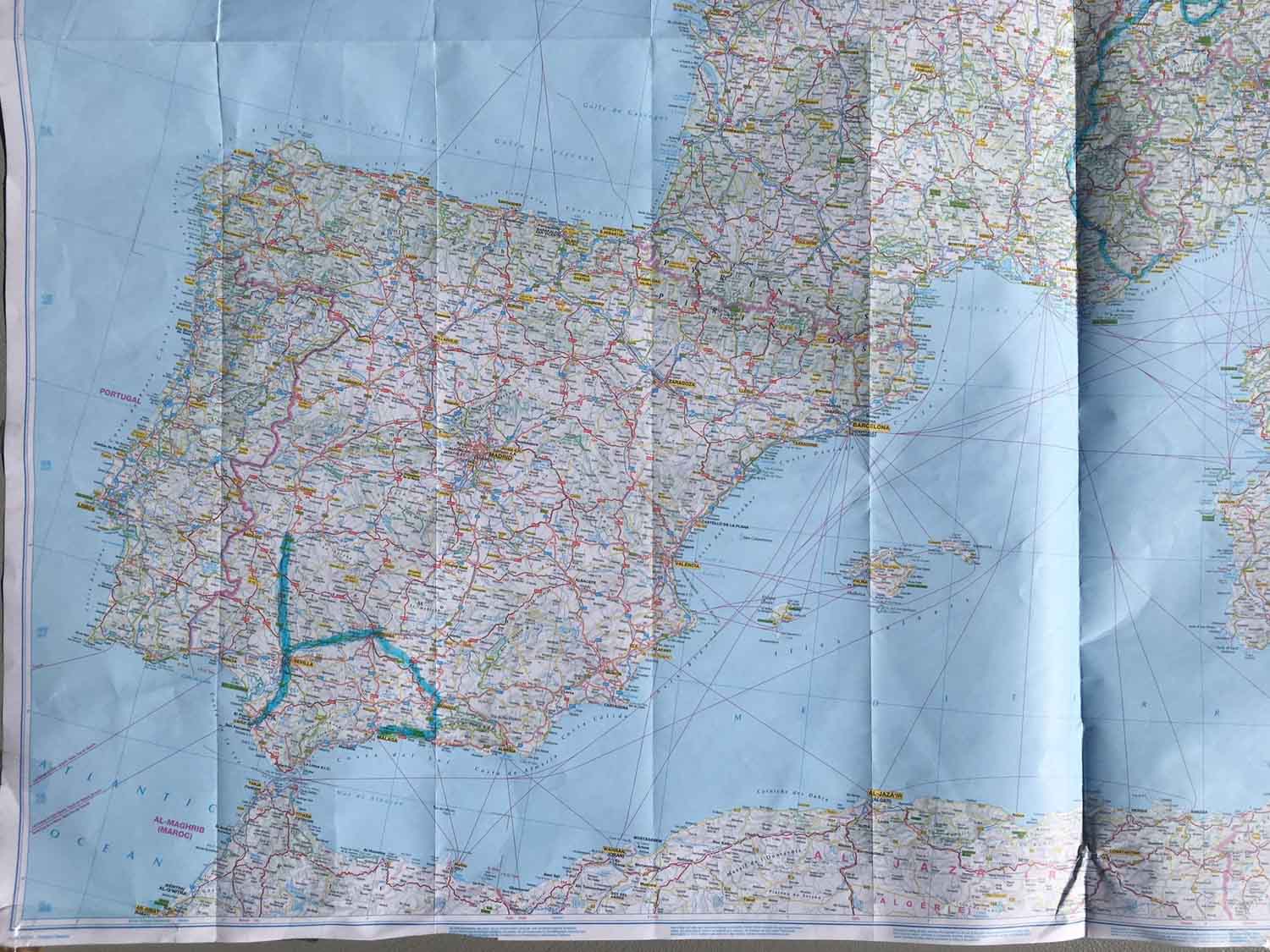
This tour is to link up some earlier tours. One in Andalusia and one in France that ended at Nice. I’ve waited till September to avoid the intense heat of the Spanish summer.
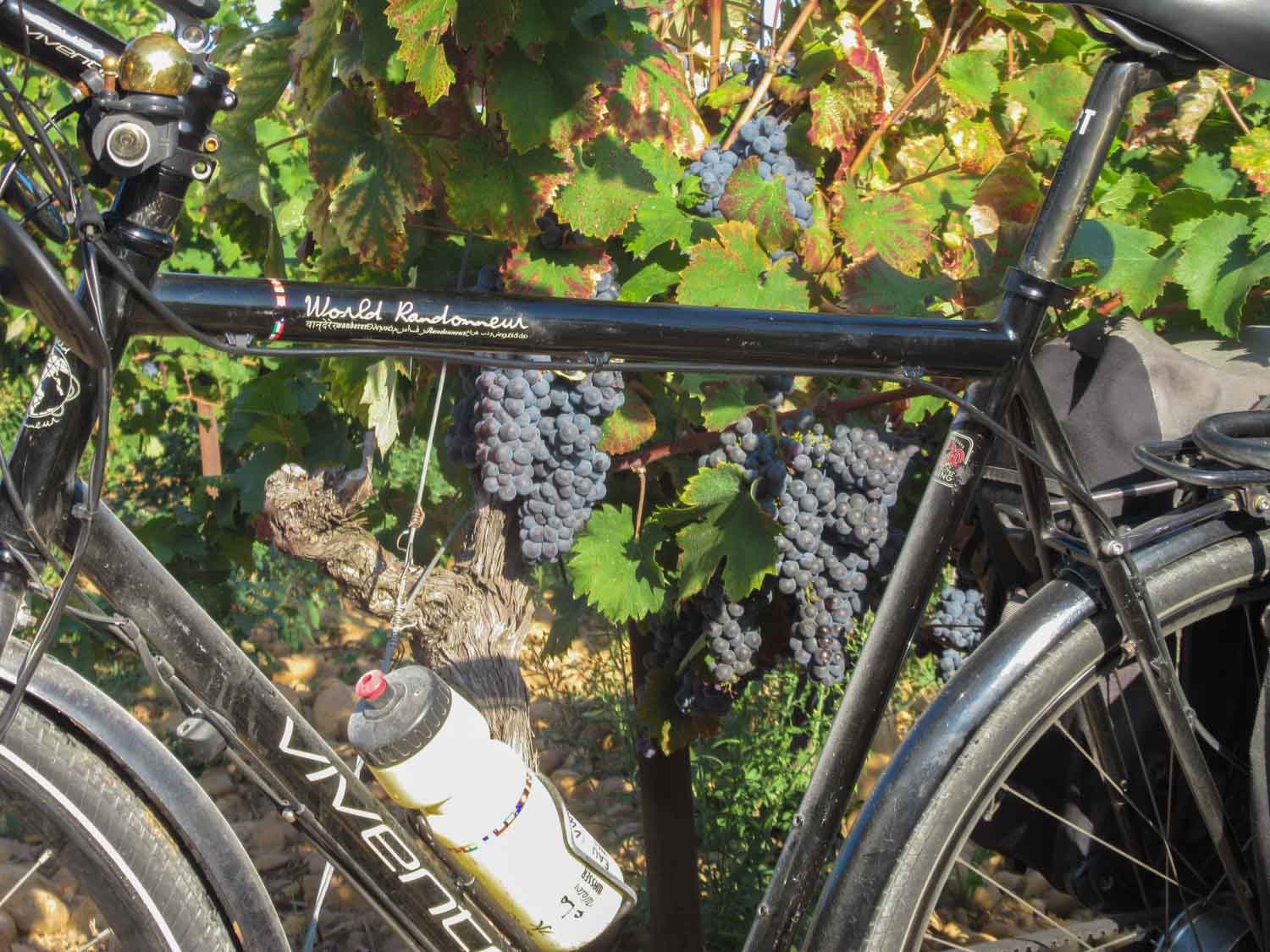
Straight away I’m in the grape harvest season.
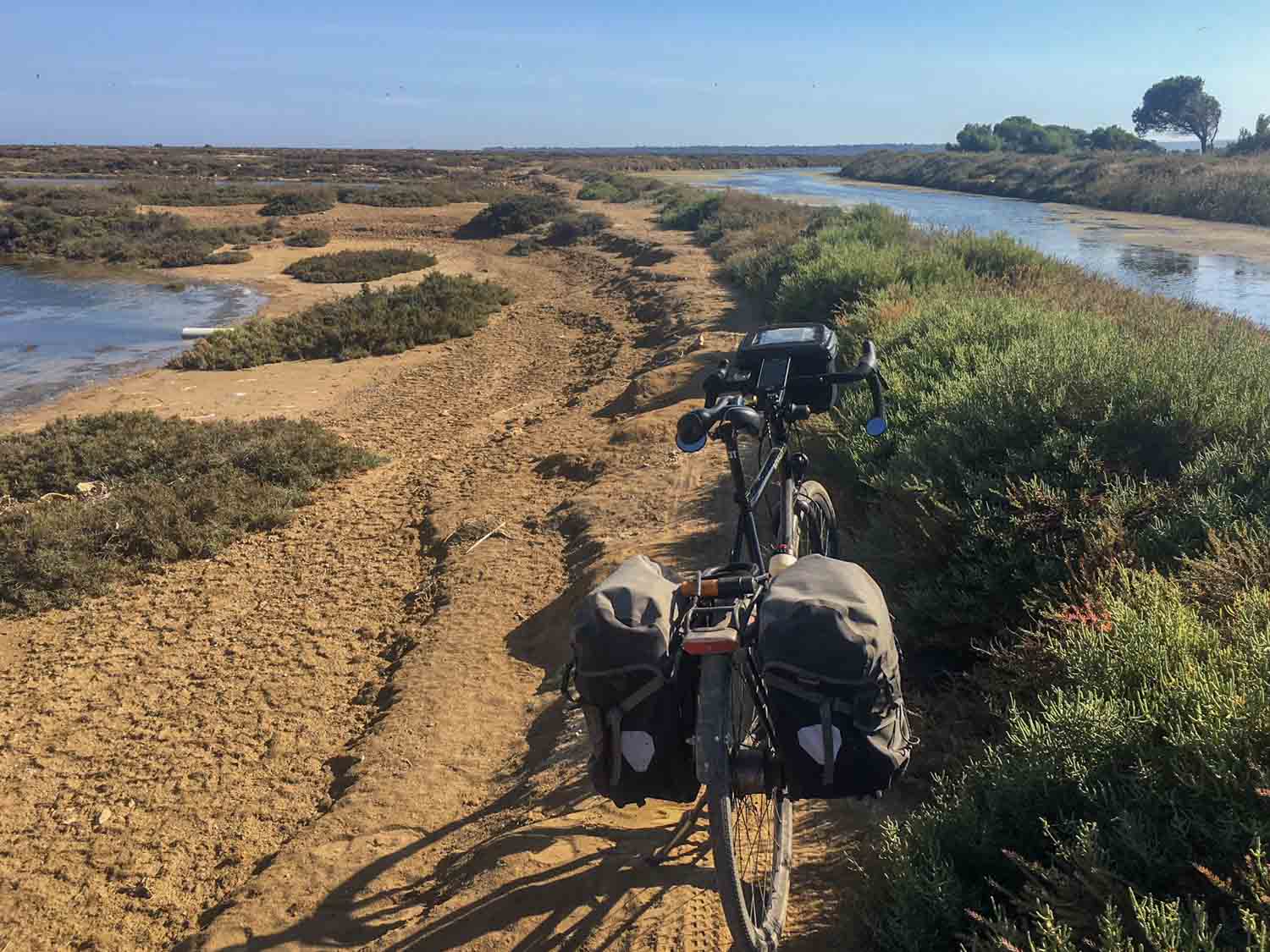
Google maps can be testing. The correct route is on the other side of that canal. This was a dead end.
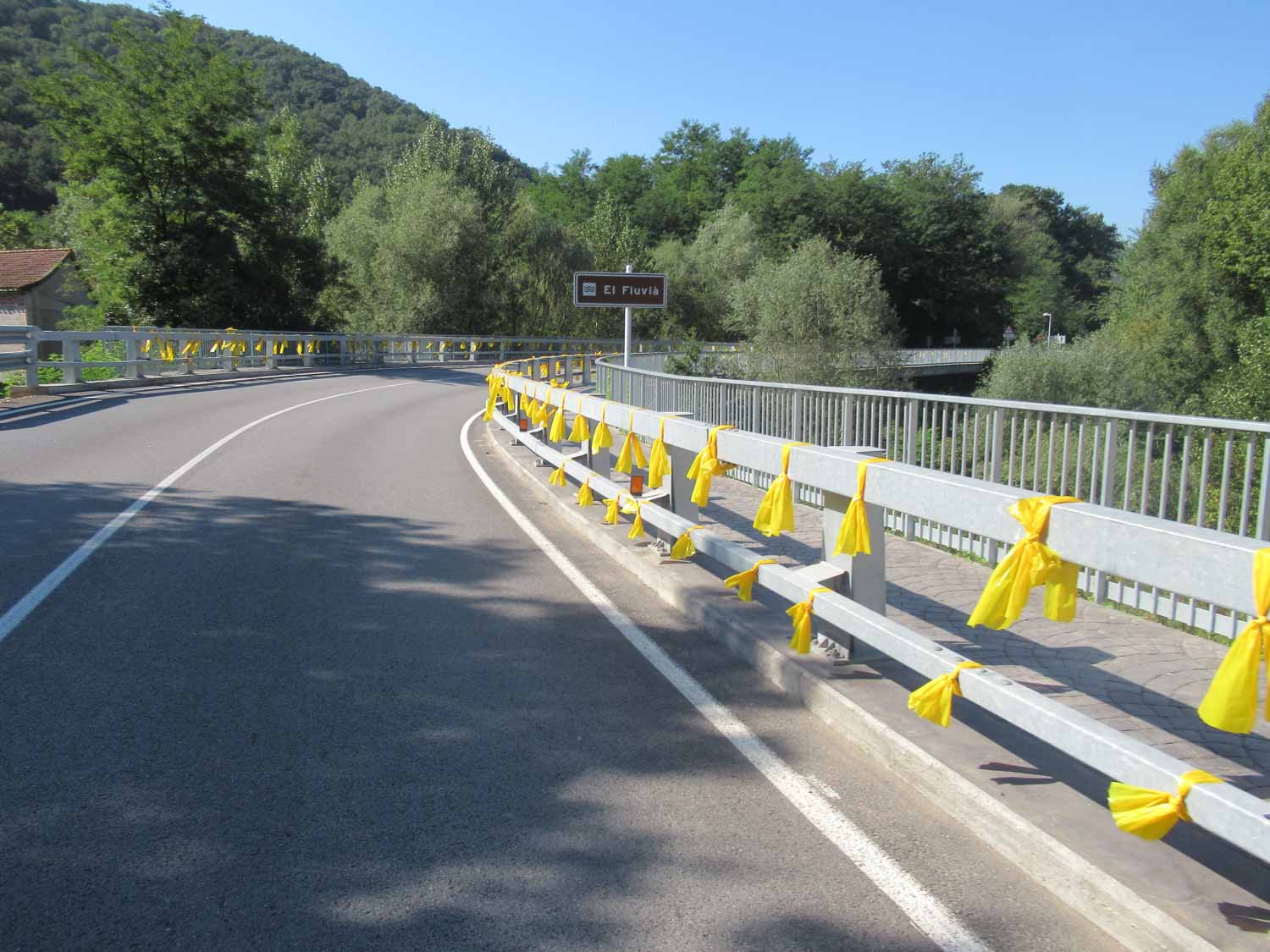
Across the border into Spain but it is not Spain according to the locals. It is Catalonia! Yellow independence ribbons and flags everywhere.
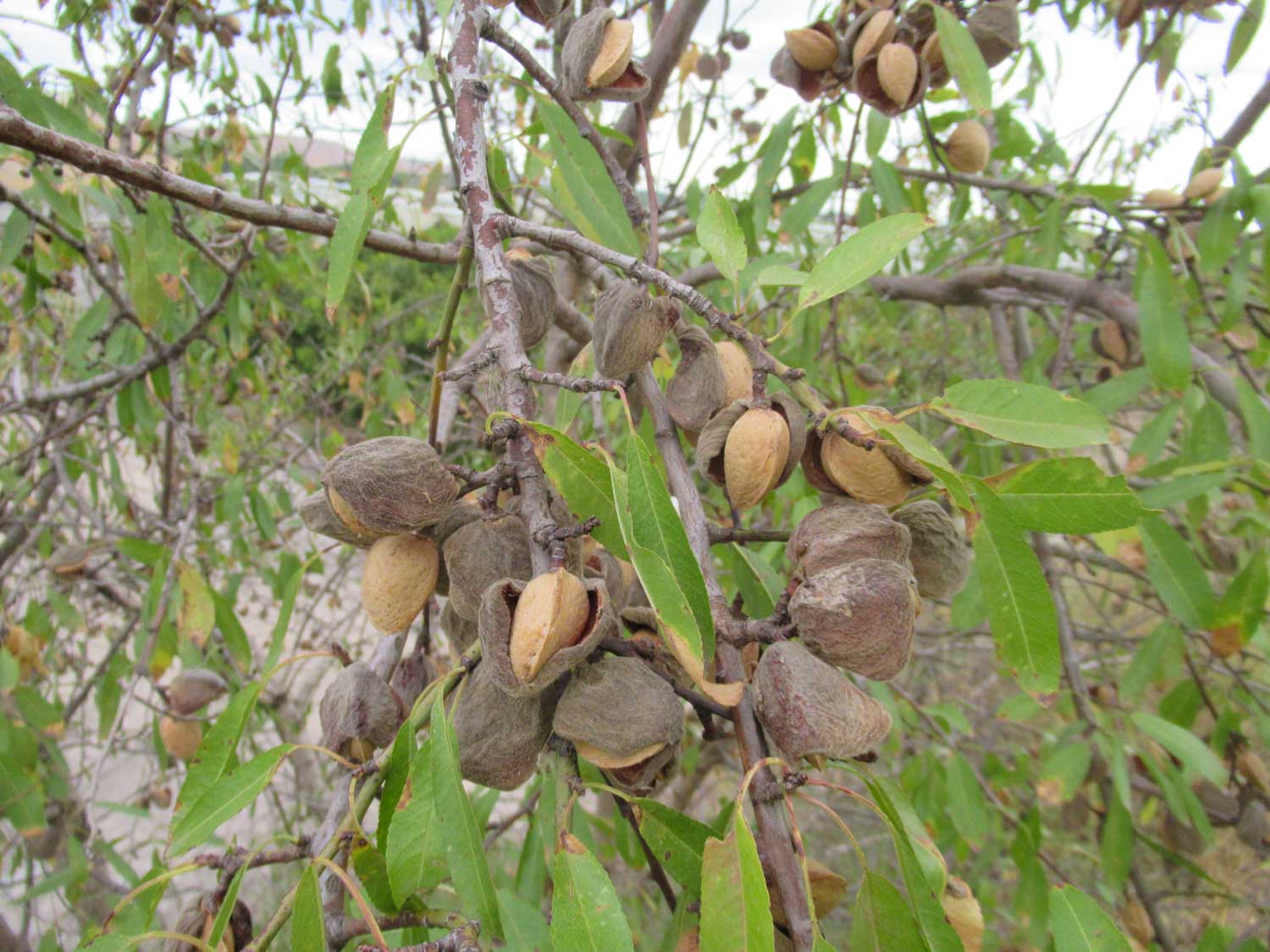
Getting into the dry inland of Iberia in late summer there are almonds ripening on the roadsides.
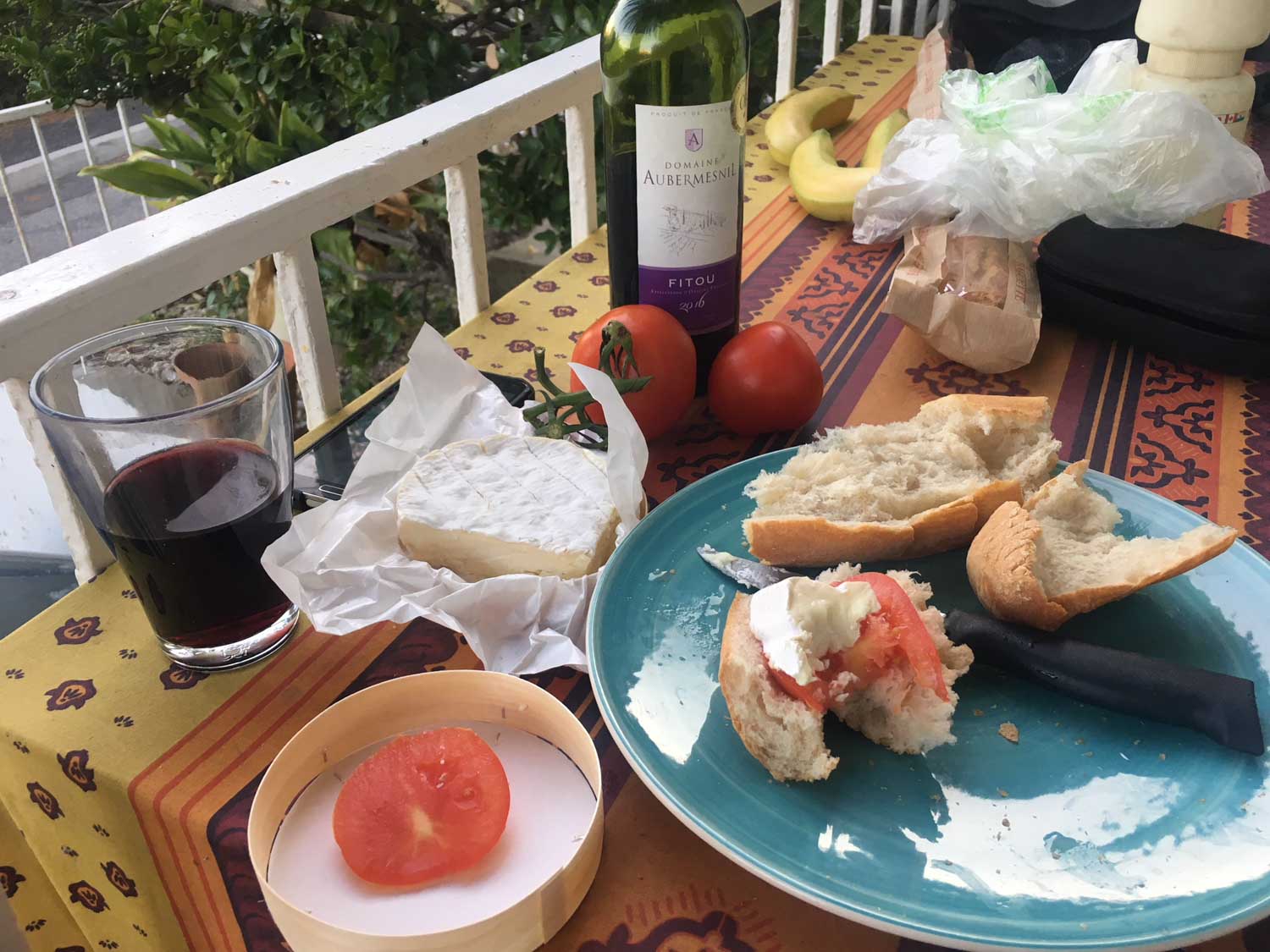
Ah the indulgences you can enjoy when clocking up big days on the bike. The Spanish eat late but I need to be asleep by then so I normally buy things at the market and eat at the lodging.
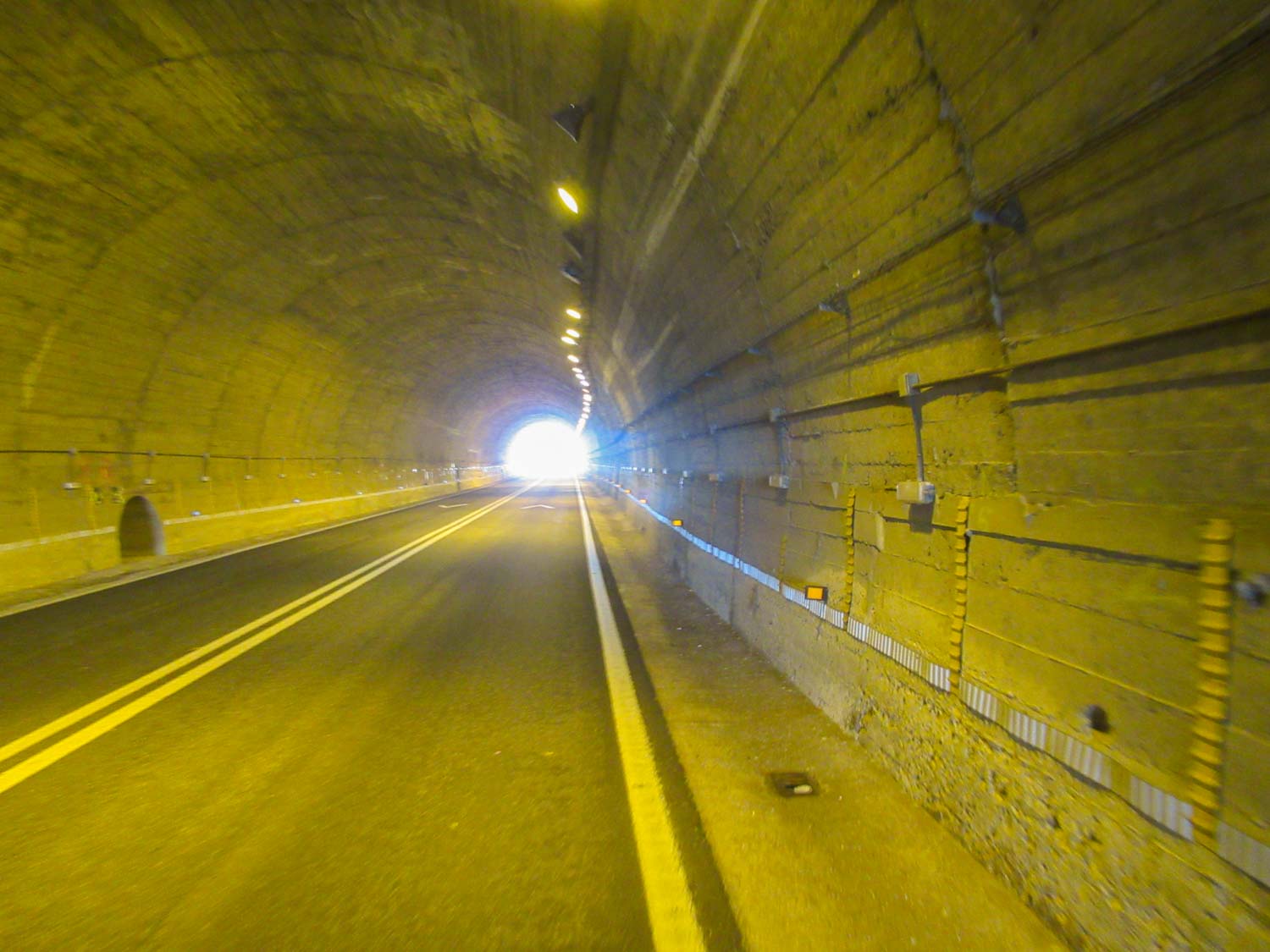
The great thing about tunnels is that they cut out some of the climb. The road makers in this isolated region never expected cyclists so there is no shoulder, but the drivers were most careful to not harm me.
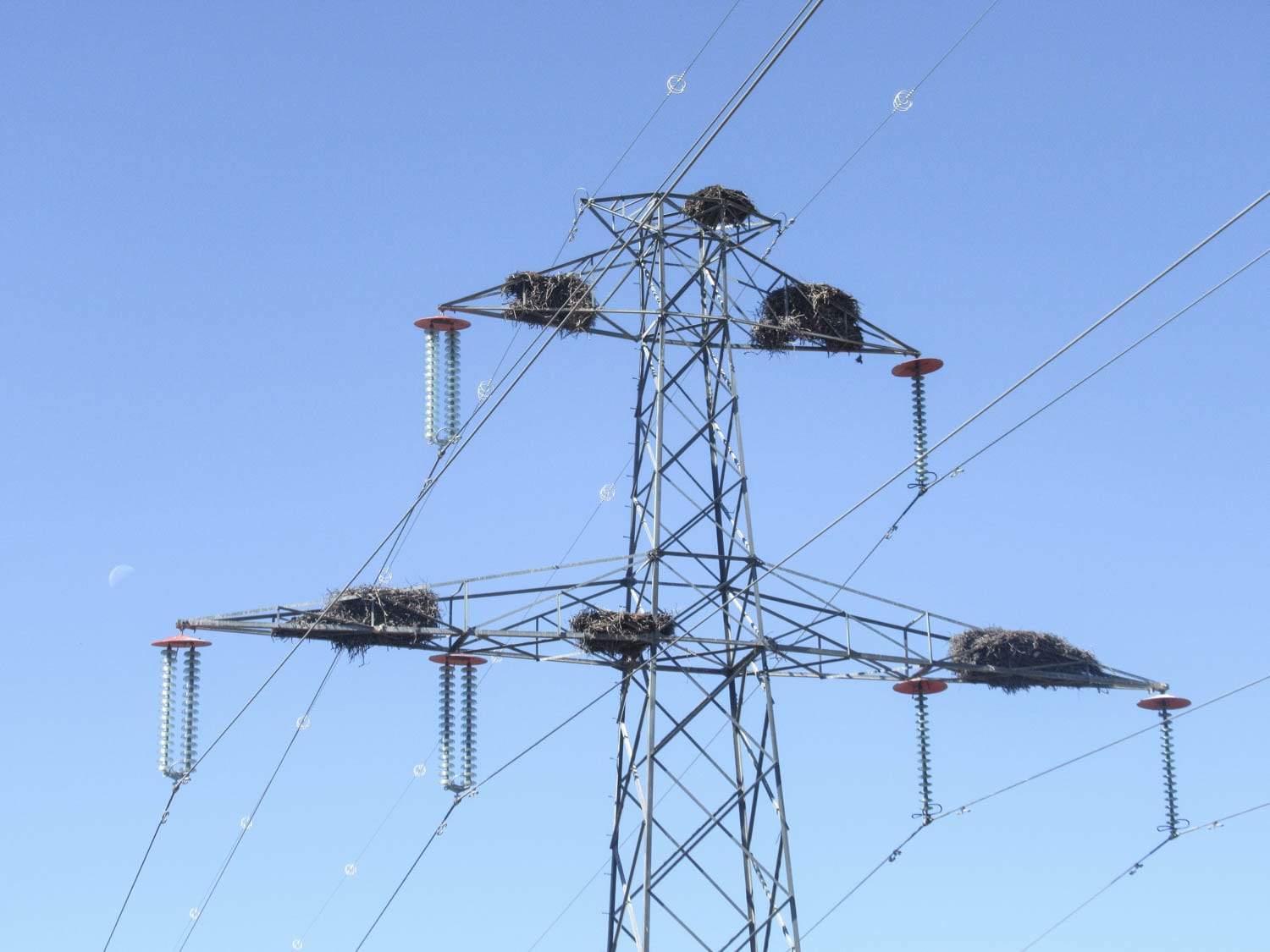
Stork nests.
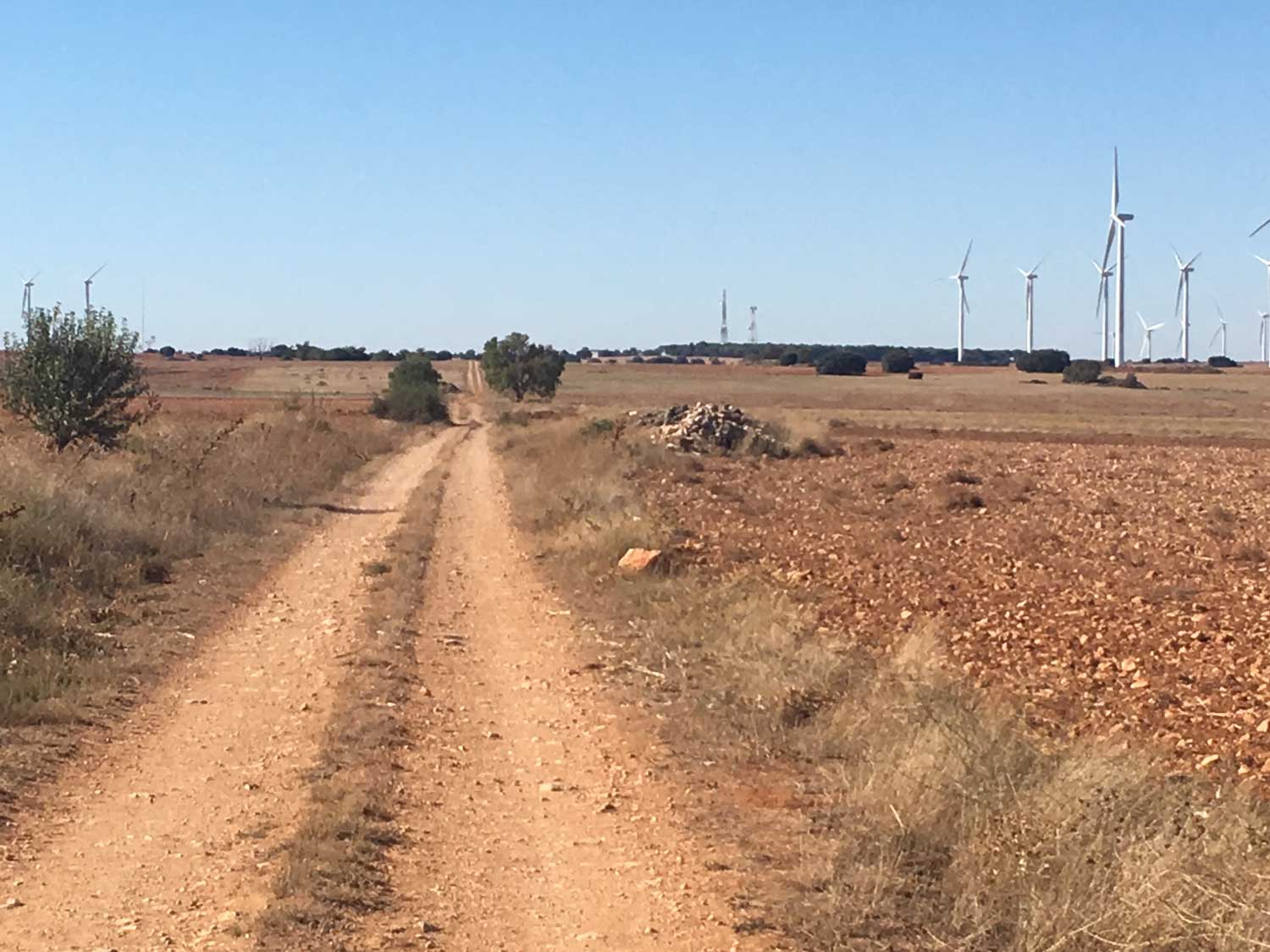
Ah, google maps. Thank you for showing bike tourers the way through areas where paper maps have no roads at all. These tracks seem to exist only to service a vast network of wind turbines.
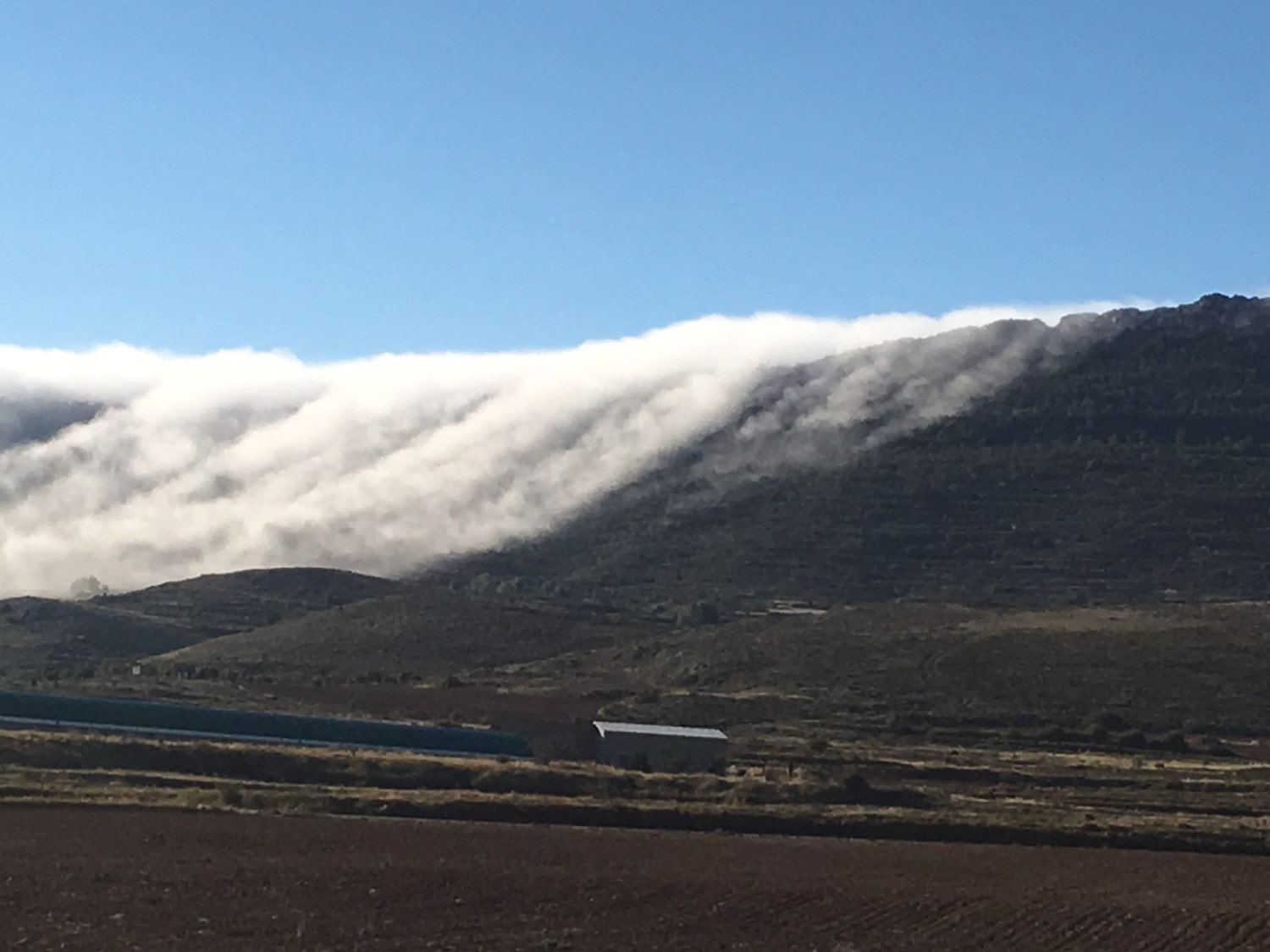
This should be a movie. The fog or cloud was pouring over the mountain like a river.
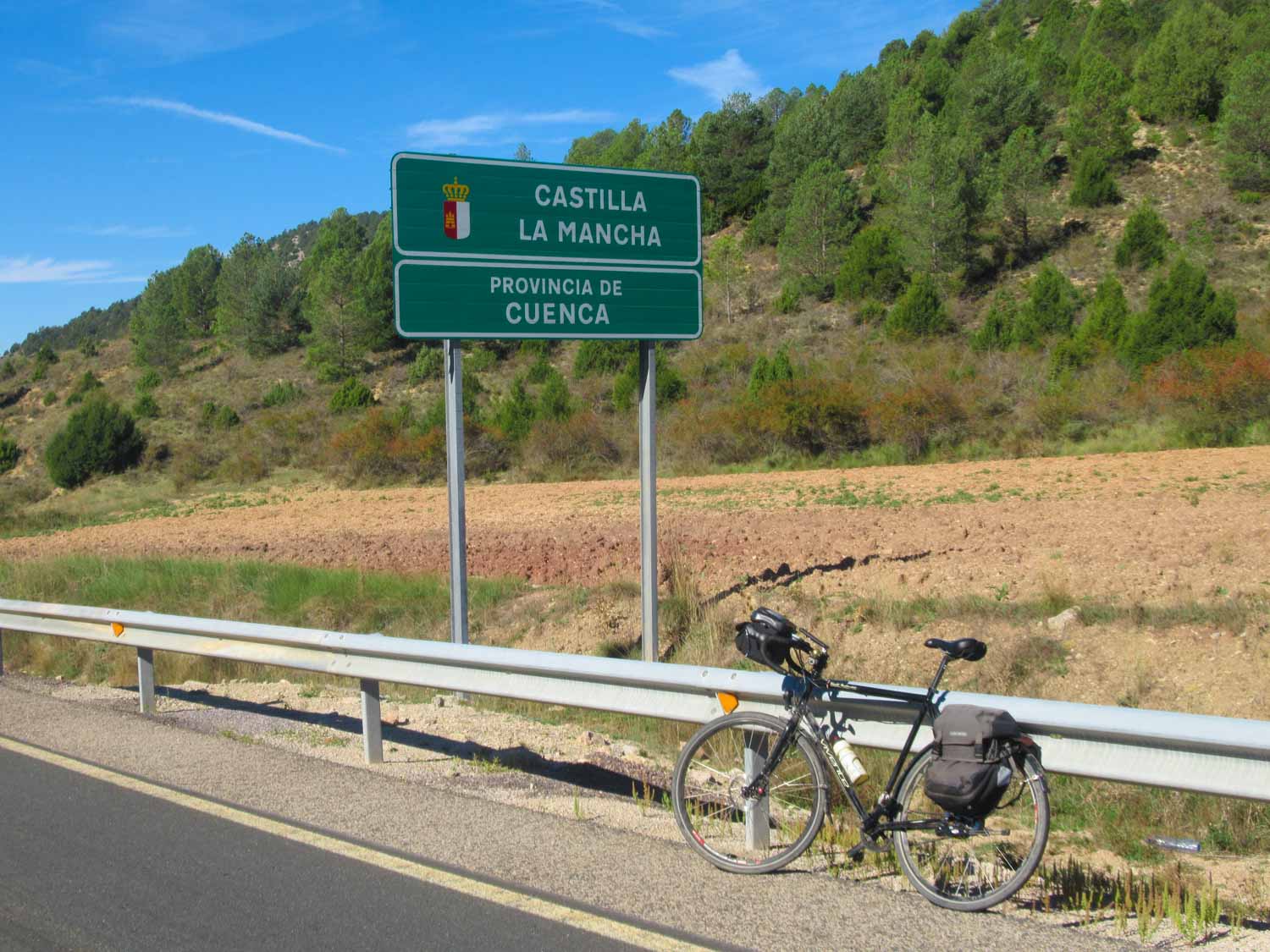
Arriving in old Castile. The roads in Spain are fantastic.
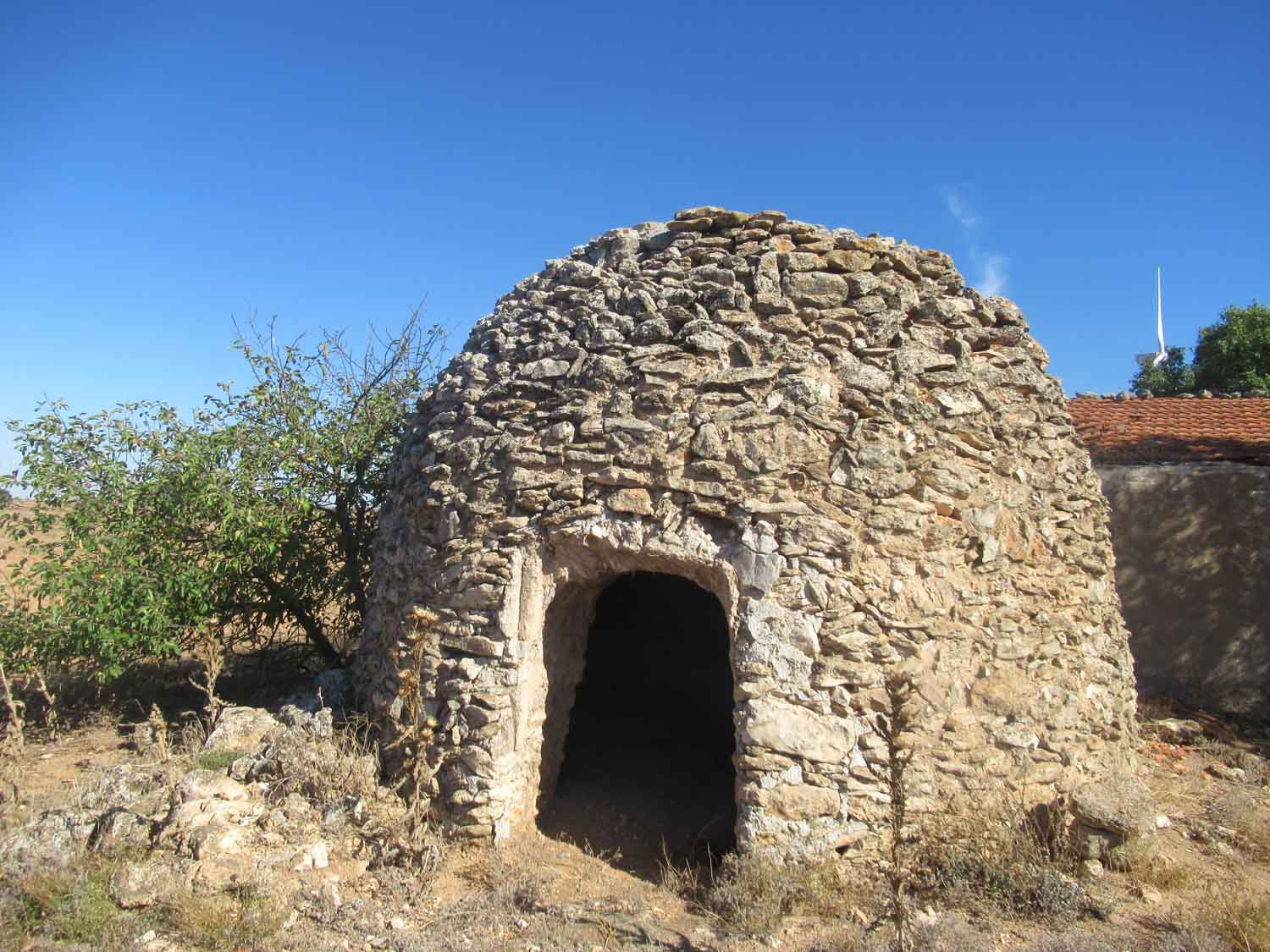
In a rocky, arid and mostly treeless region, huts like this, with holes in the top for smoke to get out, are lodging for herders. The rocks provide shade in the daytime and retain the day-time heat through the cold nights.
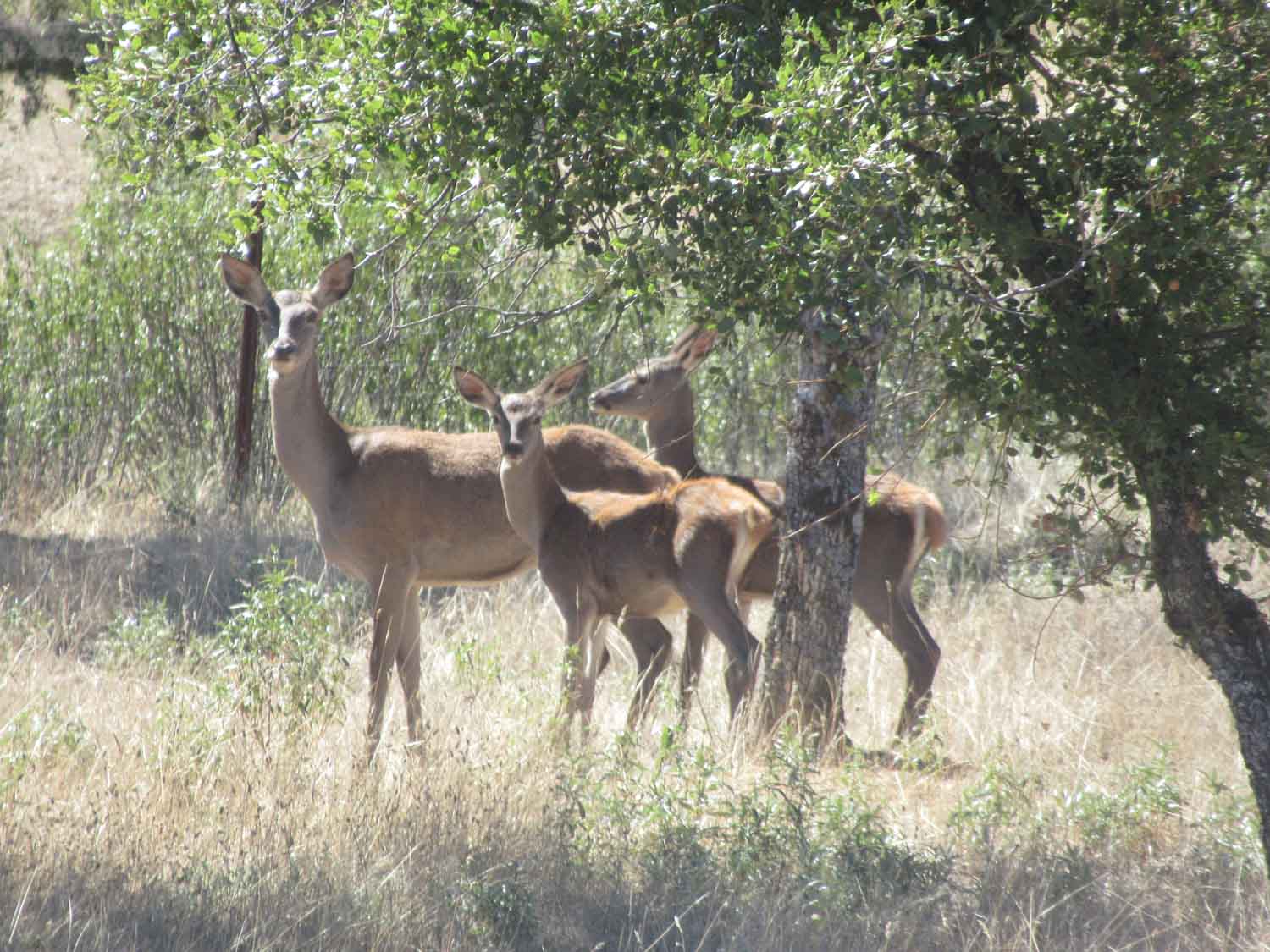
Beautiful natural scenery and wildlife. Why would you be riding along the tourist Med coast when you could be here?
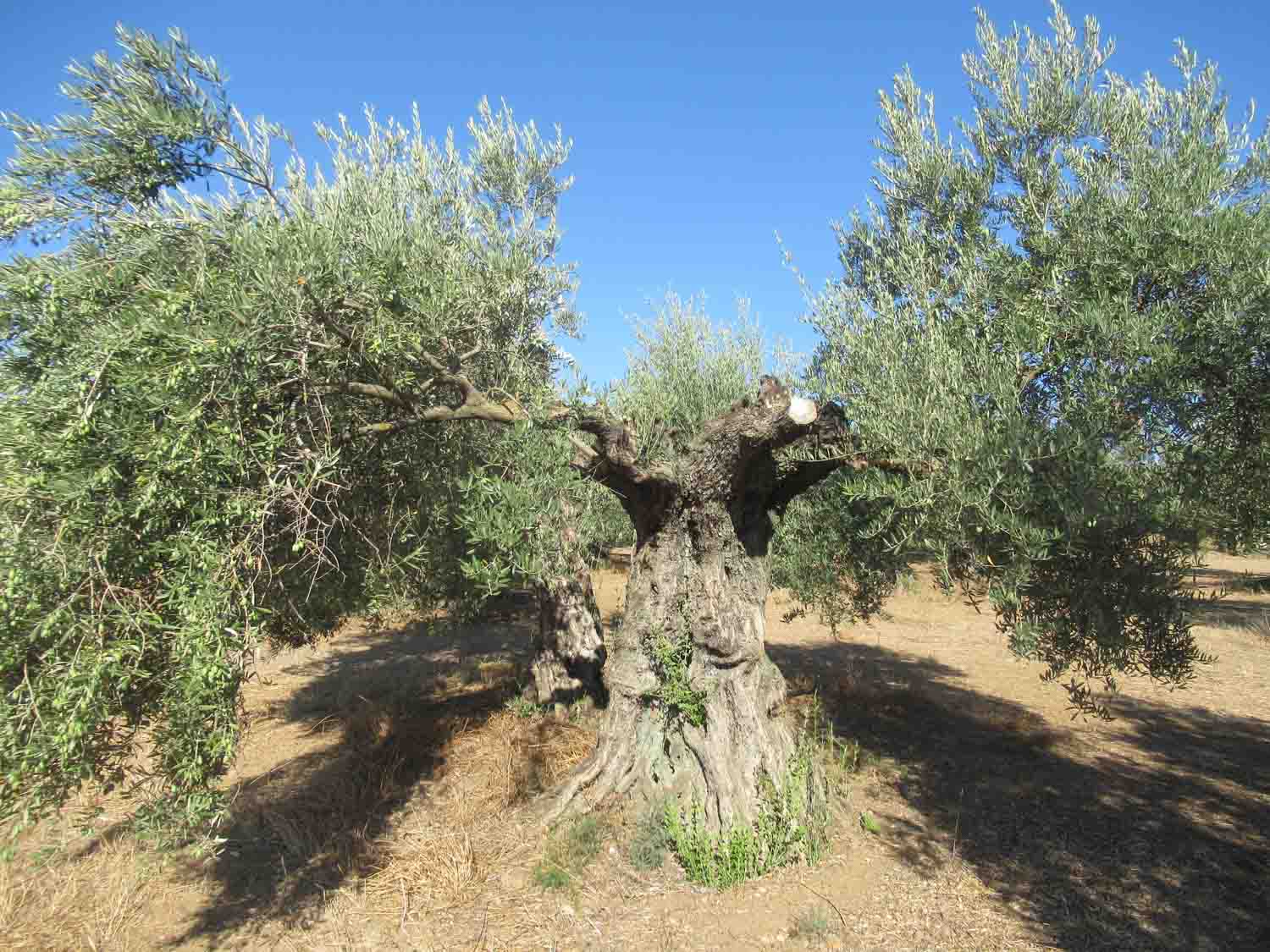
Further south and the olives begin. These ancient trees are heavily pruned to give the new growth that produce the fruit.
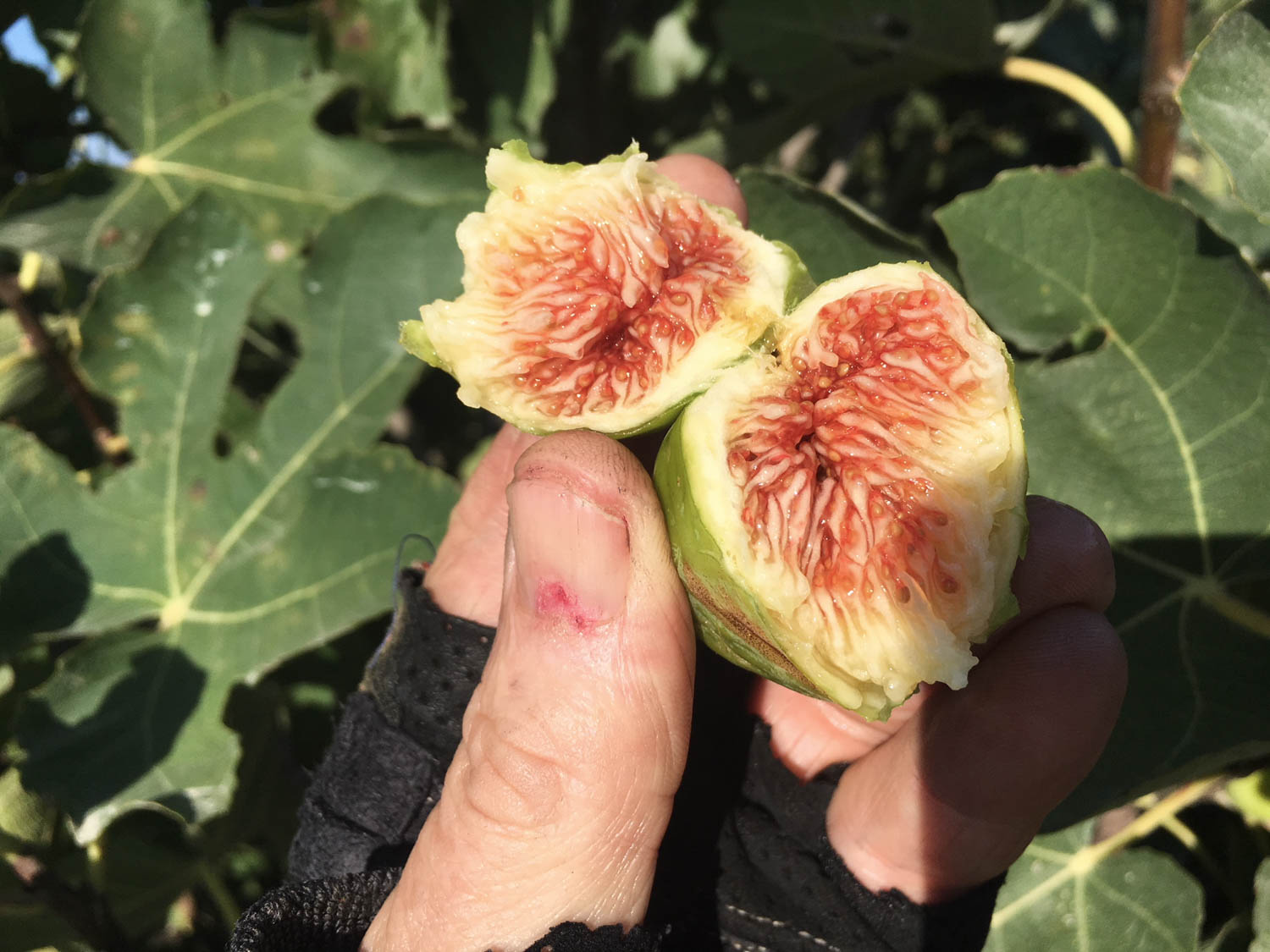
It is fig season and there are plenty of trees along the roads.
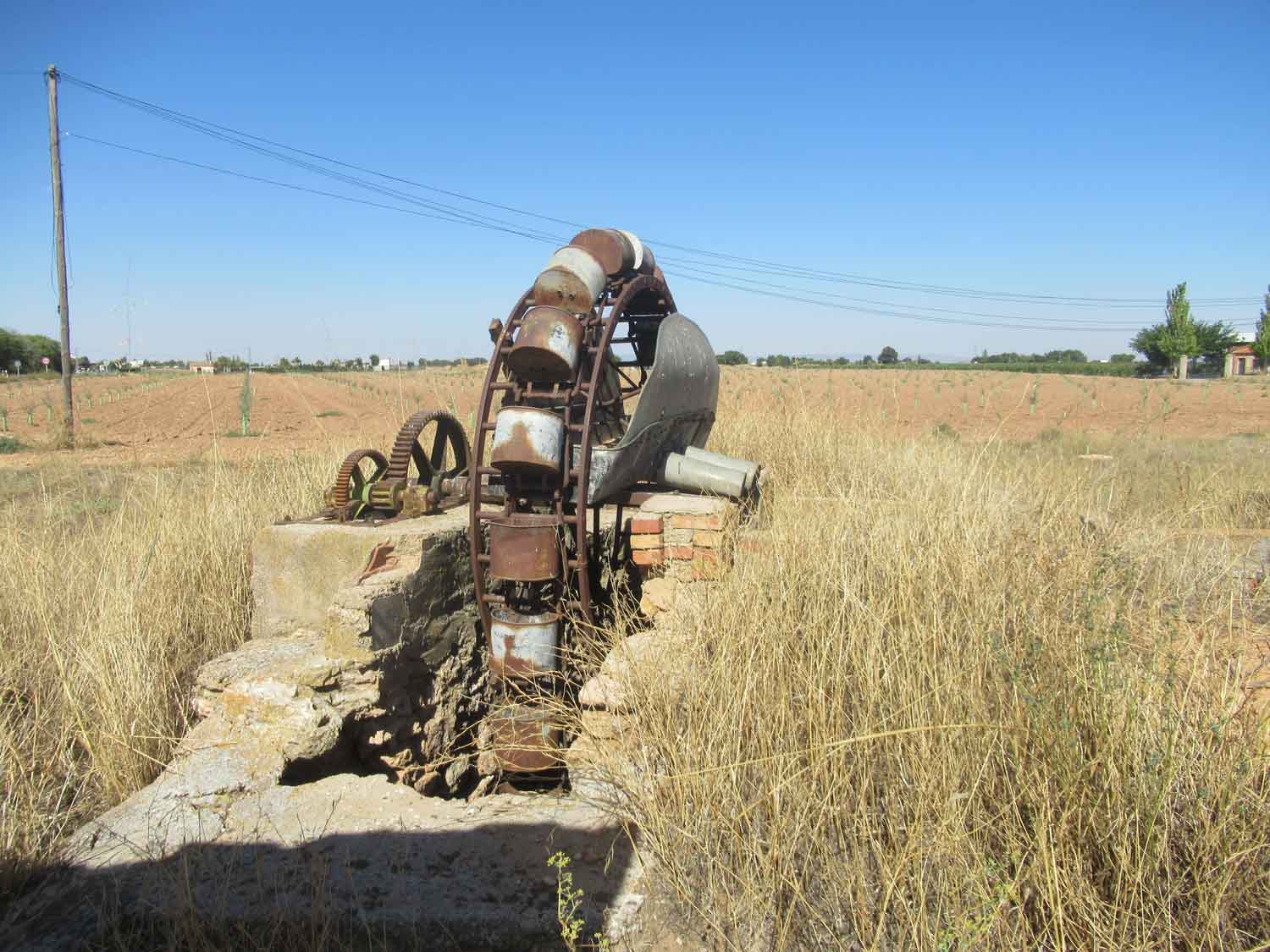
This is a mechanised system to get water up from a deep well. The buckets are links in an endless chain. Powered by a diesel engine and geared right down the buckets tip into a spout and run into a channel to a vineyard.
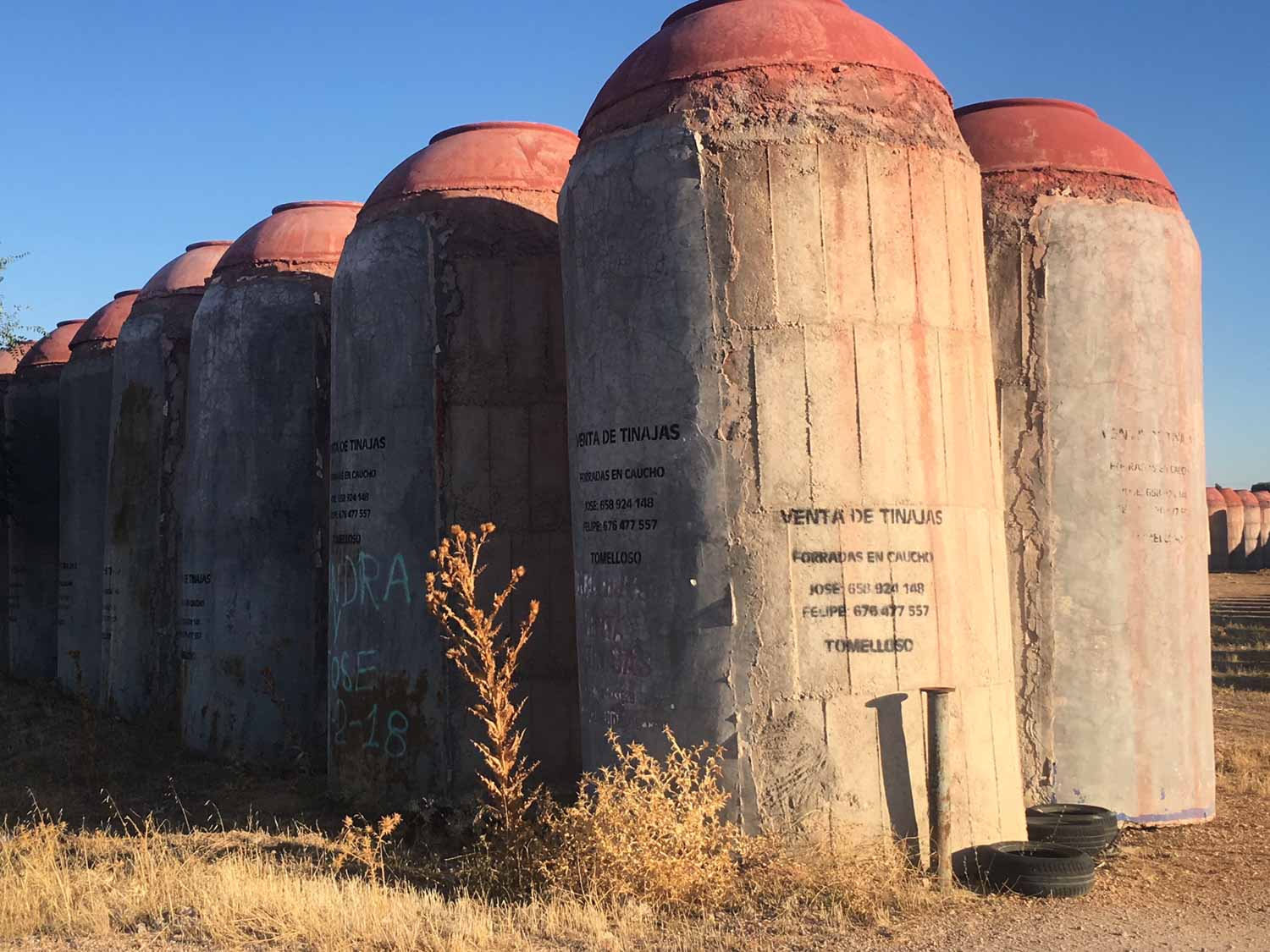
Before stainless steel the wine was kept in concrete silos. Mostly tempranillo around here.
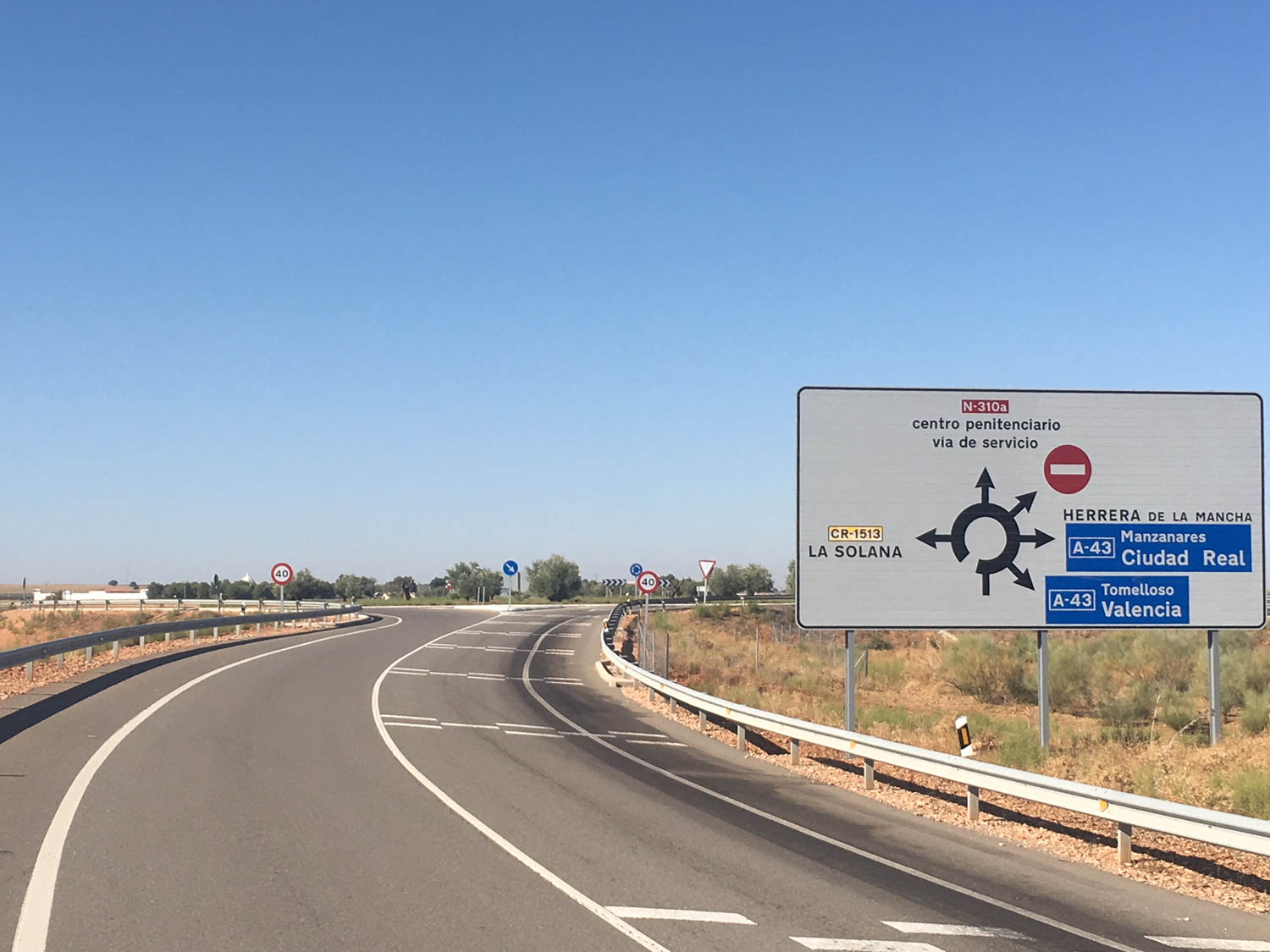
I am full of respect for the Spanish road infrastructure. It is extremely safe for cycle touring. Great signage. Very considerate and respectful drivers.
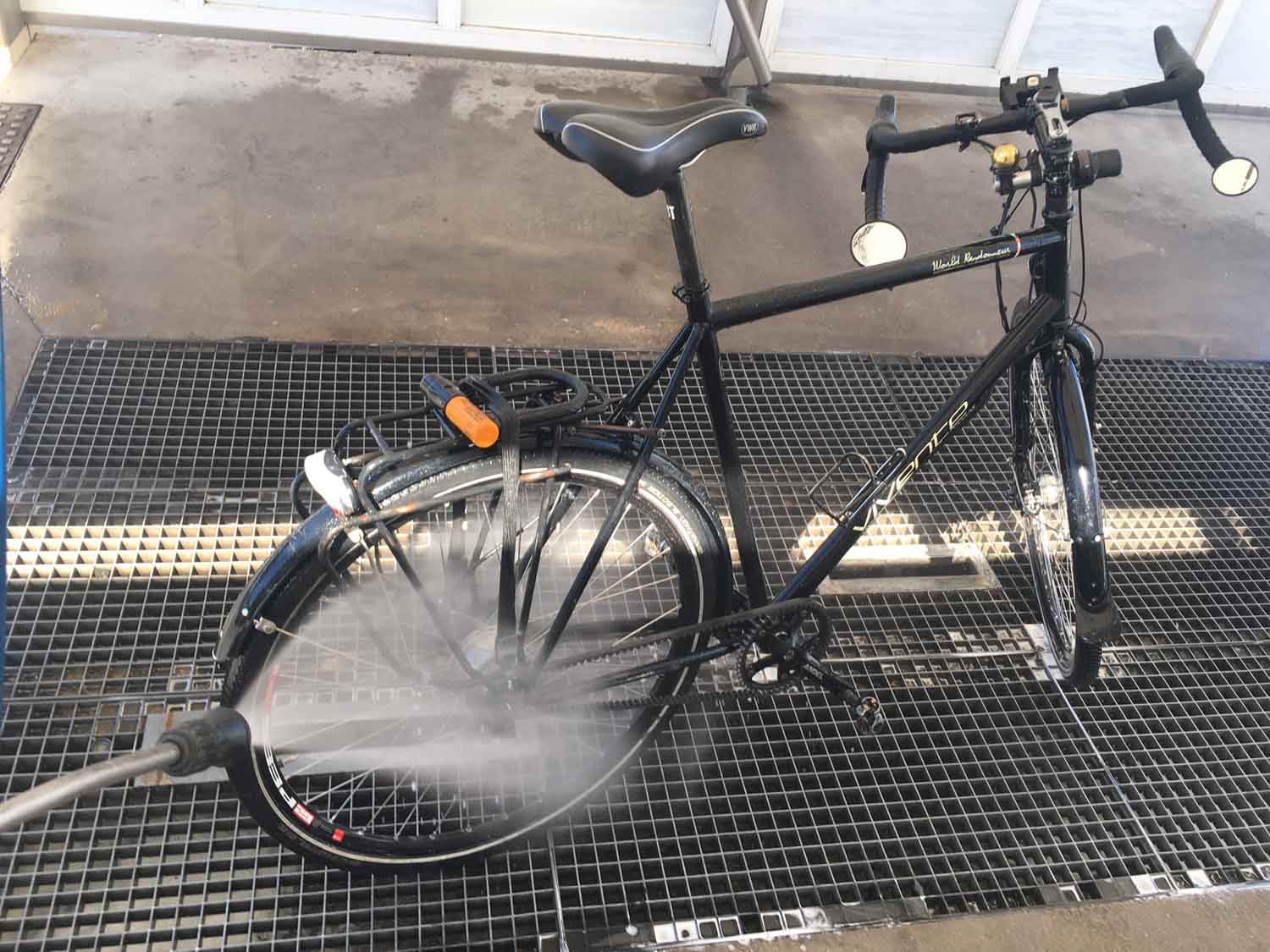
Coming into Cordoba, after 1,800km from Nice, and ner a drop of rain, my bike is filthy. All fixed for two euros in the self-serve car bike wash.